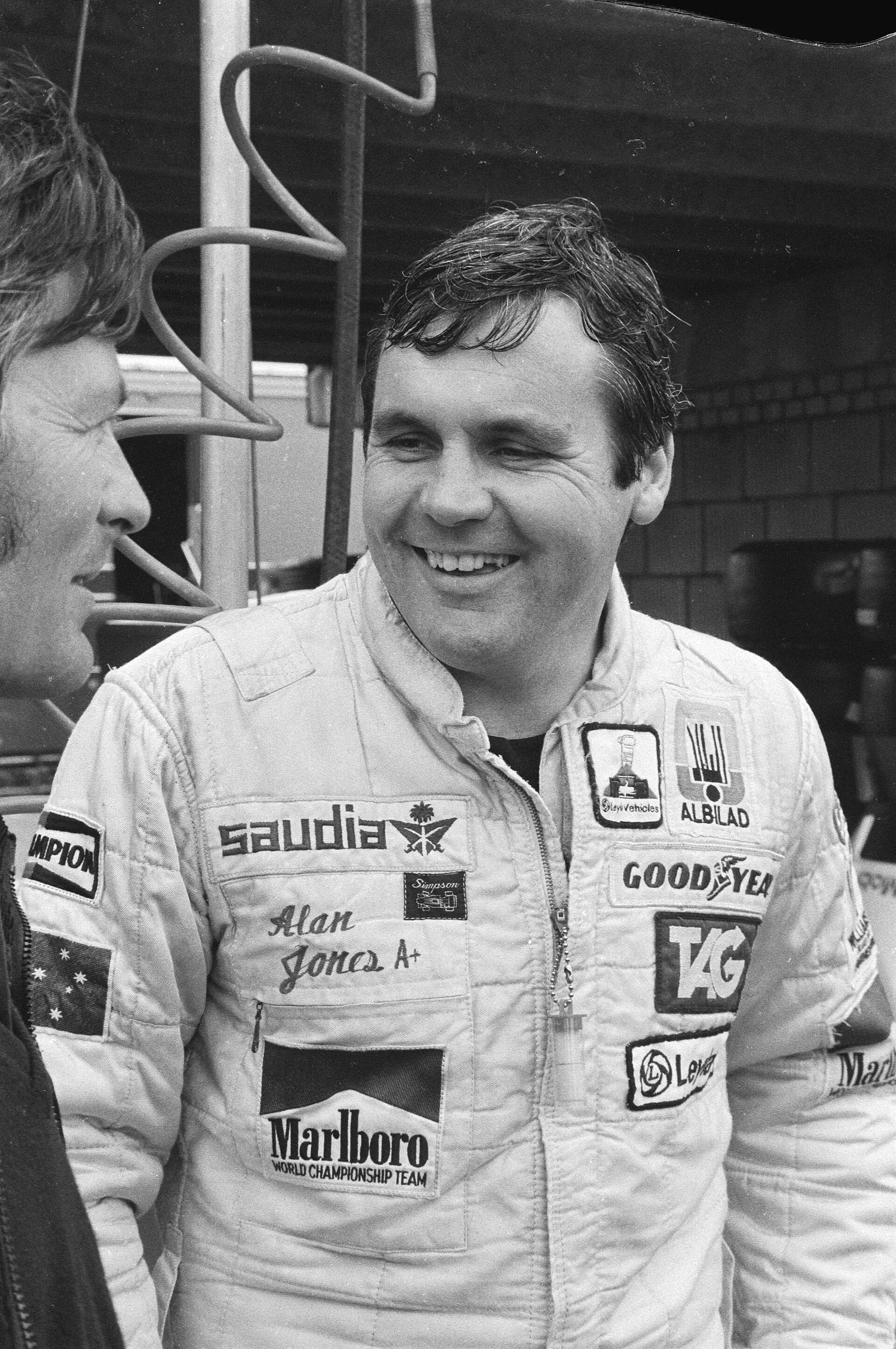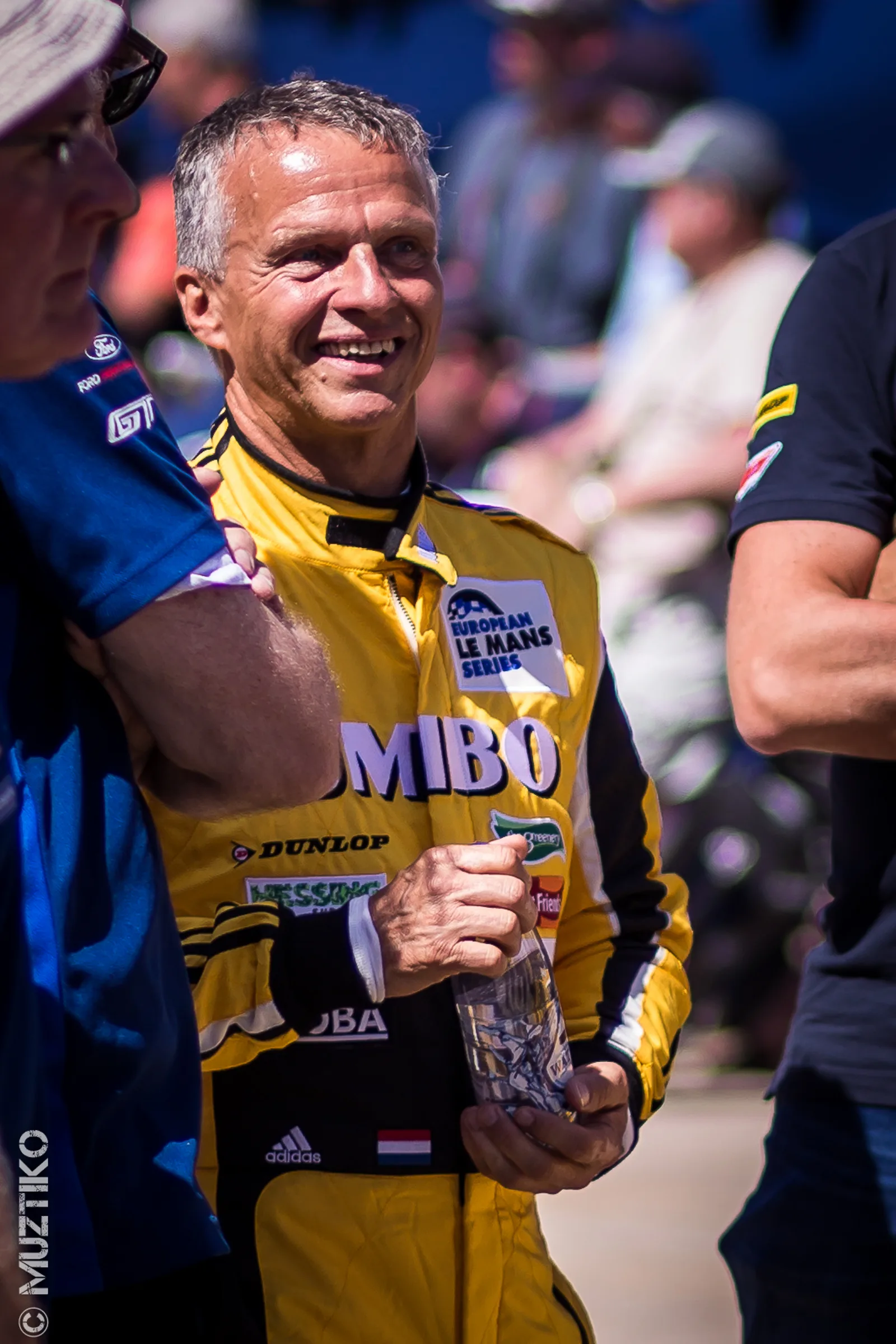
From a teenage Dutch touring car title to a 1988 Le Mans victory for Jaguar, a record Formula One gap and a role in bringing the Dutch Grand Prix back to Zandvoort.
Jan Lammers is a Dutch racing driver who won the 1988 24 Hours of Le Mans with Silk Cut Jaguar, TWR's works team. He raced four Formula One seasons from 1979 to 1982, returned briefly in 1992, and later became a team owner and sporting director for the Dutch Grand Prix.
Jan Lammers is a Dutch driver whose career ran from touring cars in the 1970s to sportscar prototypes and a late Formula One return. He is best known for co-winning the 1988 Le Mans 24 Hours for TWR Jaguar, and in recent years he has helped bring the Dutch Grand Prix back to Zandvoort.
Who is Jan Lammers?
Johannes Antonius Jan Lammers was born on 2 June 1956 in Zandvoort, Netherlands. He raced touring cars, single-seaters and sportscars, and no other Dutch driver has taken the European Formula Three crown. Over four decades he competed in an unusually wide range of series, both at home and abroad.
His working life moved along two tracks. For years he drove for other teams, and later he ran teams of his own and then took on management roles in the sport.
From teenage touring car champion to Le Mans winner and Dutch Grand Prix figurehead, Lammers has spent four decades on the move.
How did Lammers start racing?
Lammers grew up in Zandvoort and trained at a driving school run by touring car driver Rob Slotemaker, where he taught drivers how to recover from skids. He won his first car race at 16 and took the 1973 Dutch Touring Car Championship in a Simca, becoming the youngest Dutch national champion in history.
Slotemaker recognised his ability and placed him in a Simca Rallye 2 for the Group 1 production category. Lammers was still too young for a regular Dutch driving licence when he was hired to teach skid recovery on a private closed track, and the teenager was known as Jantje, or Little John. He followed the Simca with an Opel Kadett GT/E in 1976 and a second national title that same year.
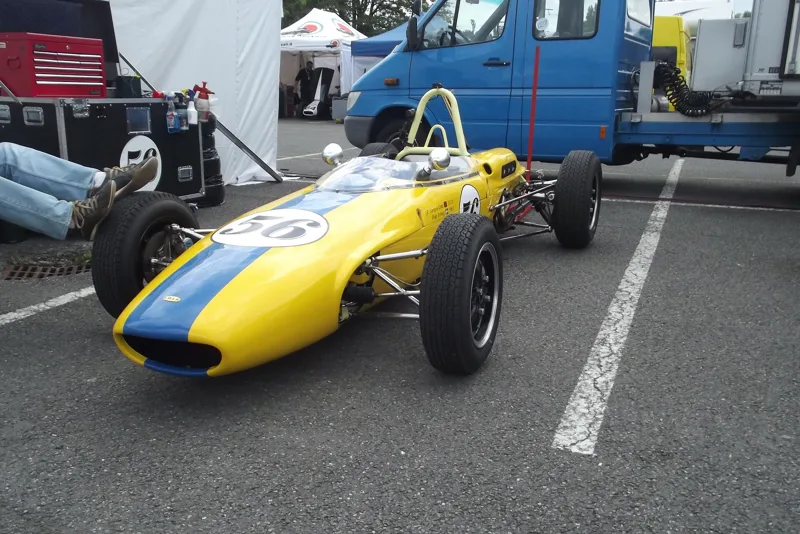
That 1976 season also brought his first Formula Ford outing, in a Crossle, where he took pole position at his first race. Formula 3 followed in 1977 with Hawke, which proved uncompetitive, before he joined Racing Team Holland in 1978. That season he won the European Formula Three Championship after a close battle with the Swede Anders Olofsson, beating rivals including Alain Prost, Nelson Piquet and Nigel Mansell.
What was his Formula One record?
Lammers made 41 Formula One starts between 1979 and 1982, driving for Shadow, ATS, Ensign and Theodore. He never scored a world championship point, and his best result was ninth place in the 1979 Canadian Grand Prix. He came close to a Ferrari seat in 1982 but missed out when Patrick Tambay signed instead.
His first season at Shadow was spent alongside Elio de Angelis, at a team that was close to shutting down. Lammers chose not to wait for Colin Chapman's decision on a Lotus seat and joined ATS, a German-owned outfit. In 1980 he lined up fourth at Long Beach, yet the car failed on the first lap of the race. Later that year he moved to Ensign, and in 1981 he returned to ATS after a spell that also included a Brabham test that Hector Rebaque won instead.
In 1981 he also contested the non-championship South African Grand Prix at Kyalami, where he fought Elio de Angelis for second place until brake problems ended his run. In 1982 he moved to Theodore, an underfunded team. A throttle fault in a practice session sent him into a wall and broke his thumb, which is when Ferrari approached him to replace Gilles Villeneuve, who had been killed at Zolder earlier that year. Tambay took the Ferrari seat, and Lammers raced at Zandvoort in his last Grand Prix before a long gap.
His Formula One story resumed in 1992. March gave him the last two races of 1992, a full decade after his previous Grand Prix, and the gap remains a sport-wide record. In wet practice at Suzuka he ranked sixth quickest, but a broken gearbox ended that race, and he came 12th at Adelaide. A planned 1993 campaign collapsed when Ilmor refused an engine deal unless bills were paid, and March folded.
Why did Lammers move into sportscar racing?
Lammers switched to endurance racing, having grown weary of slow cars at the tail of the Formula One field. He stayed in endurance racing for close to three decades, as a works driver for several manufacturers and later as a team owner. His first major sportscar seat came in 1983 with Richard Lloyd Racing and its private Porsche 956.
In the 1983 World Sportscar Championship he partnered Thierry Boutsen, Keke Rosberg and Jonathan Palmer, and he finished sixth on his Le Mans debut. In 1984 he and Palmer won at Brands Hatch ahead of the works cars, and they added podiums at Monza, the Nurburgring, Sandown Park and Imola.
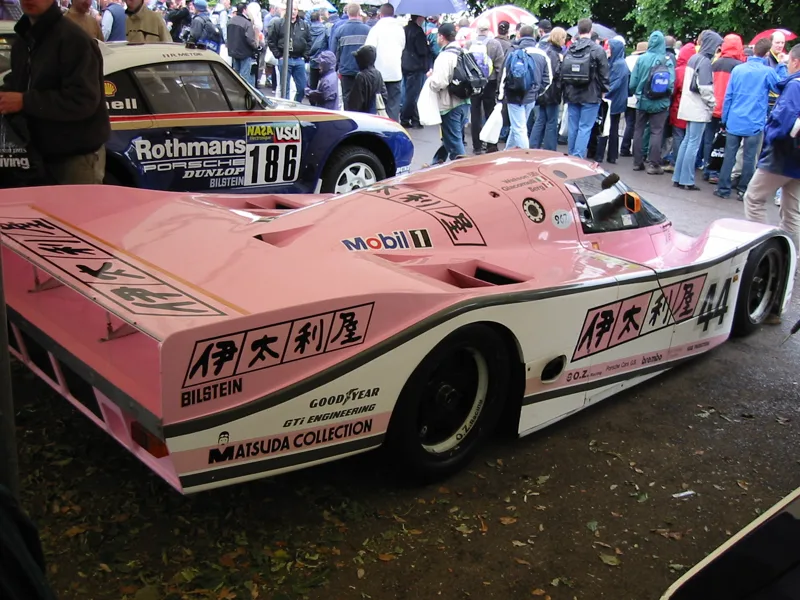
A mid-season switch brought him to TWR Jaguar, where Tom Walkinshaw ran the team. On his debut for the squad at Shah Alam in Malaysia he finished second. In the 1986 Daytona 24 Hours, while heading for victory in a Porsche 962, a brake failure caused a heavy crash that he walked away from. After an IndyCar programme with Eagle collapsed later that season, Walkinshaw brought him back to TWR as a full works driver in 1987, with Silk Cut sponsorship.
His sportscar career continued through the 1990s and into the new century. In 1995 he returned to IMSA and, with Andy Wallace, won the Sebring 12 Hours on the road, although a timekeeping error later gave the result to another crew. In 1996 he finished sixth at Le Mans as a guest driver in a Courage-Porsche, alongside Derek Warwick and Mario Andretti. In 2001 he rekindled his ties with Dome, racing the Judd-engined S101 in the new FIA Sportscar Championship with Val Hillebrand.
How did Lammers win Le Mans in 1988?
In 1988 Lammers shared the TWR Jaguar that won the 24 Hours of Le Mans with Johnny Dumfries and Andy Wallace. He anchored the winning car, driving for about 13 hours, and the victory was the first for the Jaguar marque at the event since 1957. Queen Elizabeth II congratulated the crew, and he was made an Honorary Member of the BRDC.
The same year he took over a teammate's retired car in the IMSA series and won the Daytona 24 Hours with Martin Brundle, Raul Boesel and John Nielsen. Jaguar's 1989 season was harder, as the resurgent Mercedes effort outpaced it, and Lammers managed only second place at Jarama with Patrick Tambay. He returned to Daytona in 1990 and won again, this time with Andy Wallace and Davy Jones.
What did Lammers win in other championships?
Beyond Group C and Formula One, Lammers competed in IndyCar, Macau, touring cars, rallies and one-make series. The table below summarises his main categories, the years he raced in each and the results that stand out.
| Category | Years | Highlights |
|---|---|---|
| Formula One | 1979 to 1982, 1992 | 41 starts; best result ninth in Canada, 1979 |
| World Sportscar Championship | 1983 to 1993 | Le Mans winner in 1988 with TWR Jaguar |
| IMSA | 1986 to 1990, 1995 | Daytona 24 Hours wins in 1988 and 1990 |
| Japanese Sports-Prototype Championship | 1992 | Champion with Toyota, wins at Fuji and Mine |
| FIA Sportscar Championship | 2002 to 2003 | Two titles with Racing for Holland |
| Macau Grand Prix | 1985 to 1988 | Third, third, second and sixth |
| European Renault 5 Turbo Cup | 1983 to 1984 | Champion in both years |
| Dakar Rally | From 2010 | Five outings in total; 19th in 2011 with the Ginaf works team |
In IndyCar he debuted in 1985 with AMI Racing, then joined Forsythe-Green and scored fifth at Laguna Seca. At Miami he challenged Danny Sullivan for victory before a late mistake. Dan Gurney's All-American Racers signed him for 1986, but the Eagle proved uncompetitive and the team withdrew before the Indianapolis 500.
In the 1980 BMW M1 Procar Series he won the opening race at Donington Park and started from pole at Monaco. He was the title favourite until Hans-Joachim Stuck drove him off the track at Imola. Between 1983 and 1984 he won the European Renault 5 Turbo Cup twice, first with four wins and then with eight.
Did Lammers run his own teams?
Yes. He ran three teams in a principal role or as a seatholder: Vitaal Racing in Formula Opel Lotus from 1989 to 1991, Racing for Holland in sportscars from 2001 to 2007, and a seat in the Dutch A1 Grand Prix team from 2005 to 2009. Each reflected a different side of his expertise as driver and manager.
Vitaal Racing was supported by the Opel Dealerteam Holland. With Peter Kox he won the EFDA Opel Lotus Euroseries and the Benelux series in 1989. Marcel Albers joined in 1990, and the team finished sixth in the final European standings that year.
Racing for Holland began at the start of the century as a sportscar operation. Its Dome-Judd S101 took two consecutive FIA Sportscar Championship titles, in 2002 and 2003, and the team kept racing the Dome until 2007. Lammers later revived the Racing for Holland name and its sponsorship scheme for several of his Dakar outings.
The Netherlands seat in A1 Grand Prix was not run under the Racing for Holland name. Jos Verstappen took the Durban win in the 2005-06 opener, and Jeroen Bleekemolen claimed the Beijing street race a season later. The series went bankrupt during its final 2008-09 season, when the Dutch team finished fourth in the standings.
What is Lammers' link to the Dutch Grand Prix?
Lammers became a figurehead for the revival of the Dutch Grand Prix at the Zandvoort circuit. He began as an ambassador and took the role of sporting director from 2020. The first Dutch Grand Prix since 1985 was staged in 2021, after a Covid-induced postponement the year before.
He stepped away from full-time racing after the 2019 season and quickly took on the new duty. The organisation founded to revive the race was built around him as its sporting voice, and the revival set the event back on the calendar after decades without a home race.