From the 1904 Vanderbilt Cup and a Long Island toll road to naval patrols in the First World War and a museum at Eagle's Nest.
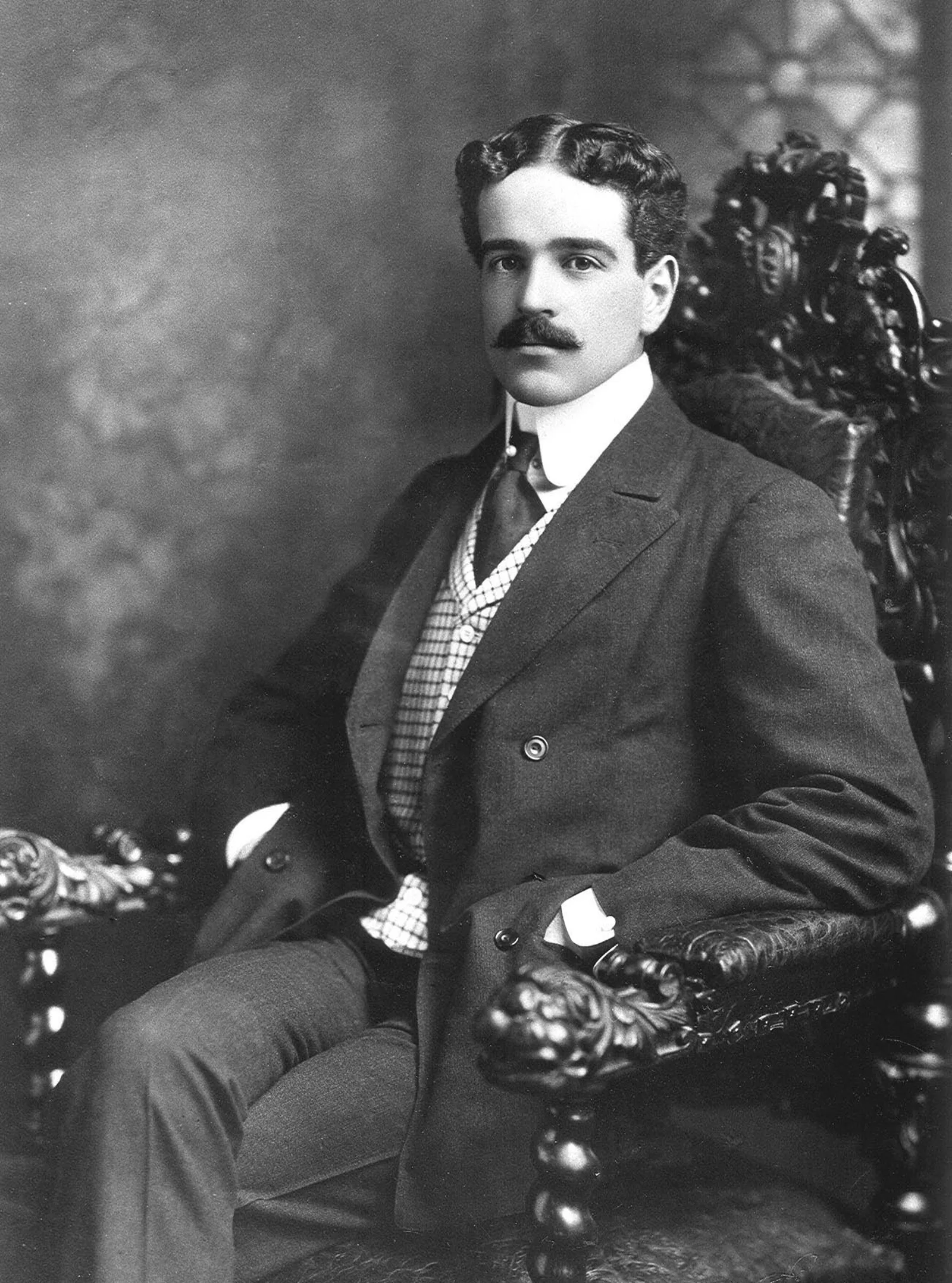
Born in New York City in 1878, William Kissam Vanderbilt II combined motor racing with yachting. He launched the Vanderbilt Cup in 1904, built the Long Island Motor Parkway, and commanded the Navy patrol boat Tarantula in 1917.
William Kissam Vanderbilt II, known as Willie K., enjoyed motor racing and yachting as a member of one of America's best-known families. He is remembered for launching the Vanderbilt Cup, an early landmark of American motor racing, and for building the Long Island Motor Parkway to serve it.
Who was Willie K. Vanderbilt?
Born in New York City on October 26, 1878, he was the second child of his parents, William Kissam Vanderbilt and Alva Erskine Smith, and their first son. He was raised in Vanderbilt mansions, travelled to Europe often, and sailed on yachts owned by his father.
Tutors and St. Mark's School handled his early education. He then attended Harvard University, where he stayed for two years before leaving. His father later put him to work at the New York Central Railroad offices, and he was eventually elected president of the company.
His wealth came from a trust fund and the income that came with running the New York Central. On his father's death in 1920 he inherited a multimillion-dollar fortune.
A motor racing enthusiast and yachtsman who launched the Vanderbilt Cup and built a road to help it succeed.
How did he start in motor cars?
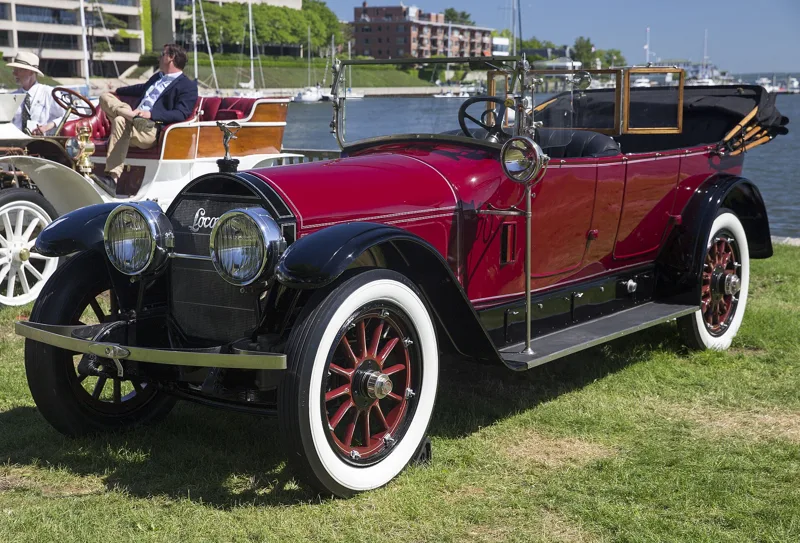
Willie developed an early taste for speed. As a boy of ten, while staying in the south of France, he rode a steam tricycle from Beaulieu-sur-Mer to Monte Carlo, a distance of seven kilometres. A French De Dion-Bouton motor tricycle, bought in 1898, was shipped across the Atlantic to him in New York.
Other vehicles followed, and on his trips to Idle Hour, the family summer house at Oakdale, he raced through Long Island's towns and villages. His driving soon annoyed citizens and officials alike.
What was the Vanderbilt Cup?
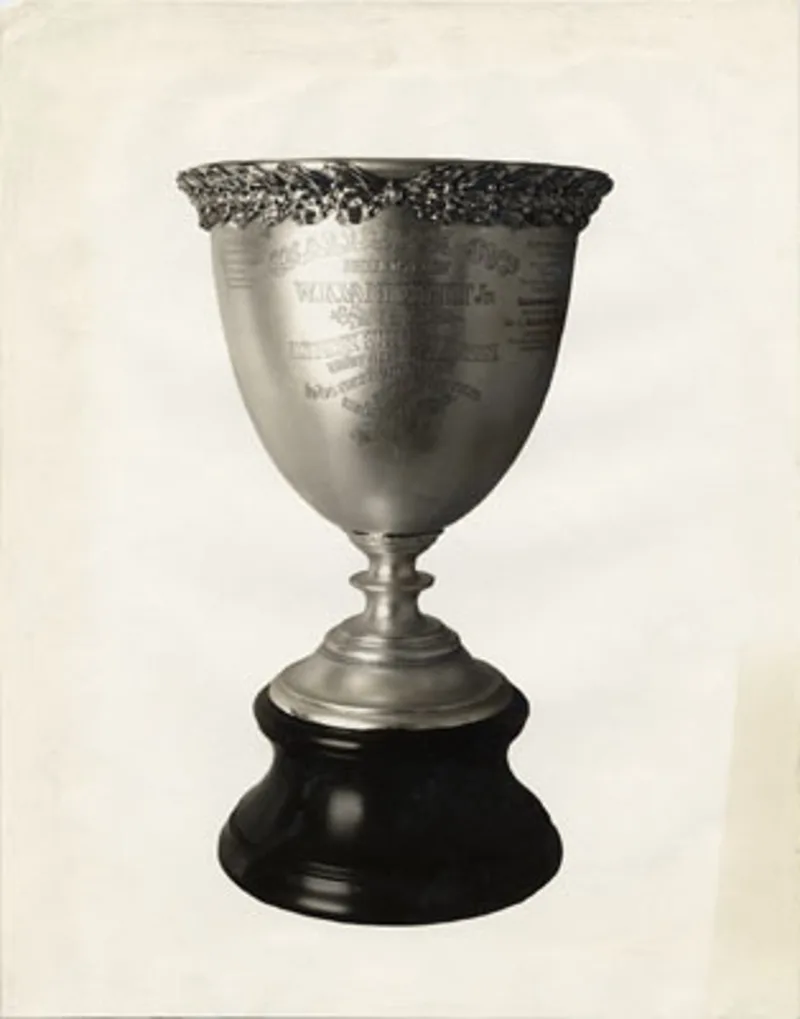
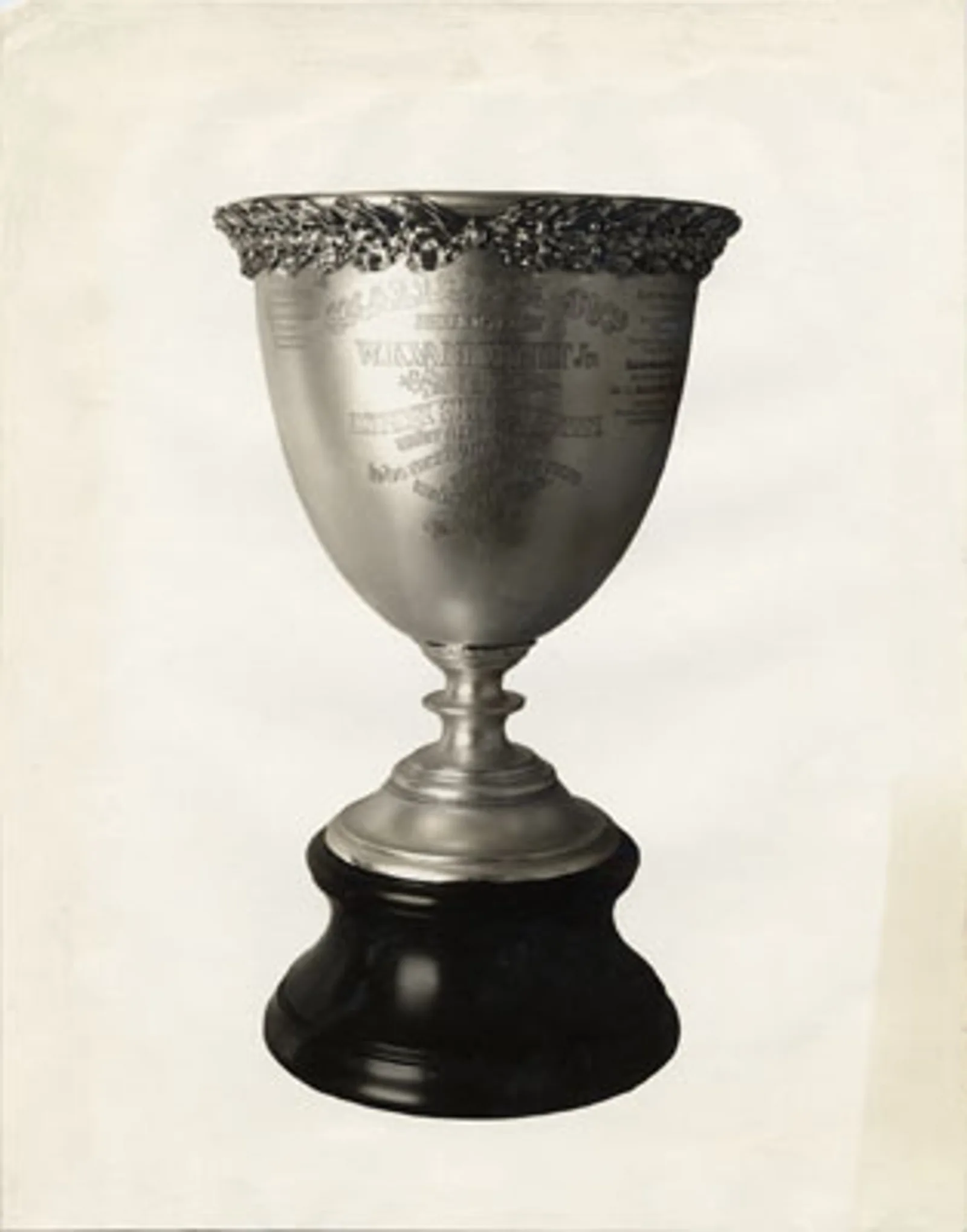
In 1904 Vanderbilt launched the Vanderbilt Cup, a prize meant to spur American manufacturers into racing. It was an international event, and its large cash prize drew top drivers from Europe, where they had raced in the Gordon Bennett Cup.
The first race was won by a French Panhard, so American fans had to wait. The first American winner was George Robertson in 1908, a 23-year-old from Garden City, New York. The races repeatedly struggled with crowd control, and a spectator was killed at the 1906 race.
Why did he build the Long Island Motor Parkway?
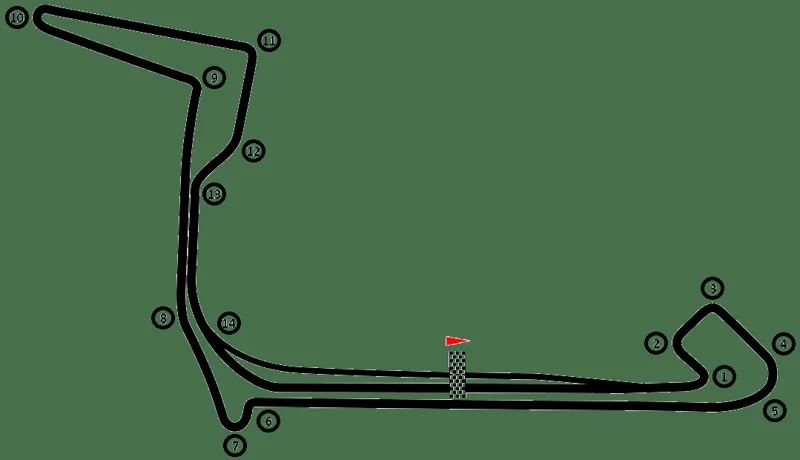
Vanderbilt saw that a purpose-built road could solve the safety problem and boost attendance. AAA official A. R. Pardington encouraged the project, and Vanderbilt set up a company to construct the Long Island Motor Parkway, which became one of the nation's earliest modern paved roads.
The parkway was meant to complement a rapid train service from Manhattan, and the aim was to make Long Island far easier to reach and to develop.
Construction began in 1907 on the multimillion-dollar toll highway, which was to run for 48 miles (77 km) to Lake Ronkonkoma. The road was meant to open Long Island for development, but it never generated sustainable profits. In 1938 the county governments took it over in exchange for $80,000 of unpaid back taxes.
How did yachting fit into his life?
Vanderbilt was a skilled sailor. In 1900 he won the Sir Thomas Lipton Cup with Virginia, a 70-foot (21 m) sailing yacht named for his bride. In 1903 he purchased Tarantula, a steam yacht driven by turbines, a first of its kind.
Yachting came second to his passion for fast cars, although the boats stayed with him. In 1902 he began building a country place at Lake Success that he named Deepdale, and in 1910 he started the far more elaborate Eagle's Nest estate at Centerport.
What did his collecting and travel produce?
Vanderbilt also collected natural history and marine specimens, along with anthropological objects, and he travelled widely by yacht and overland. He wrote a travel book covering Sicily, Tunisia, Algeria and southern France.
He later engaged the artist William Belanske, of the American Museum of Natural History, for a voyage to the Galapagos. By 1922 a single-storey building on his Long Island estate served as a public museum, and Belanske became its full-time curator.
What role did he play in the First World War?
In 1913 he exchanged his steam yacht for a motor vessel, also called Tarantula. The Navy brought the second Tarantula into service as a patrol boat, numbered SP-124, on May 9, 1917, and gave Lieutenant Vanderbilt command.
The Navy chartered the yacht for the duration of the war, and it patrolled the 3rd Naval District, escorting convoys off New York and New Jersey. Vanderbilt was released from active duty on October 1, 1917. In the months that followed he took the New York Central presidency, a post he held until the war ended. The charter ended with the war.
His promotion to lieutenant commander came on May 17, 1921, within the Naval Reserve. He remained in the reserve until January 1, 1941, when physical disability led to his move onto the honorary retired roll.
Where did he live?
The 1925 deal swapped the luxury yacht Eagle for Fisher Island, Florida, which became his winter home. He built a mansion called Alva Base, designed by Maurice Fatio, which came with a dock for his yacht, a seaplane hangar and an eleven-hole golf course.
His Long Island home, Eagle's Nest, was designed by Warren and Wetmore. Other properties included a Tennessee farm and Kedgwick Lodge, a hunting lodge on the Restigouche River, in what is now Canada's New Brunswick.
How did he die and what did he leave?
Vanderbilt's will was arranged so that his estate would benefit the public, with the museum at its centre.
The heart ailment that killed him on January 8, 1944, ended a long life, and he was laid to rest on Staten Island, in the family's mausoleum complex. Following his father's death in 1920, his share of the estate had been valued at about $21,253,000 after taxes and debts.
Preliminary reports in 1944 put his gross estate at about $36,323,000, and later accounts put the net figure at $35,815,614. Eagle's Nest and a trust fund of $2,000,000 passed to Suffolk County, New York, for a museum.
| Year | Milestone |
|---|---|
| 1898 | Ordered a French De Dion-Bouton motor tricycle |
| 1900 | Won the Sir Thomas Lipton Cup with the yacht Virginia |
| 1904 | Set a land speed record and launched the Vanderbilt Cup |
| 1908 | George Robertson became the first American Vanderbilt Cup winner |
| 1917 | Navy commissioned Tarantula as patrol boat SP-124 |
| 1925 | Traded the yacht Eagle for Fisher Island, Florida |
| 1944 | Died on January 8, 1944 |
| 2025 | Motorsports Hall of Fame of America induction |
What is his legacy?
In 1931 Krupp Germaniawerft in Kiel built the 264-foot diesel yacht Alva for him. Vanderbilt donated the yacht to the US Navy on November 4, 1941, and it was commissioned as USS Plymouth (PG-57) on December 29, 1941.
USS Plymouth spent her service mostly escorting convoys along the American East Coast and into the Caribbean. She was sunk after a German U-boat fired a torpedo at her on August 5, 1943. Since 1950 Eagle's Nest has served as a museum run by Suffolk County, as he had planned.
The Motorsports Hall of Fame of America added Vanderbilt in 2025.