A Bridgeport maker that began with steam runabouts, built the Model 48 luxury six and ended with the Durant-era cars in 1929.
Founded in 1899 with a plan to build steam cars, Locomobile switched to luxury petrol cars from 1903. Its Model 48 became the signature car, Durant Motors took control in 1922, and production stopped in 1929. The company was based in Bridgeport, Connecticut, from 1900.
Locomobile was an American car maker founded in 1899 that began with steam runabouts before switching to large petrol-powered luxury cars. It was based in Bridgeport, Connecticut, from 1900 until production ended in 1929, and its Model 48 became the marque's signature car.
How did Locomobile begin?
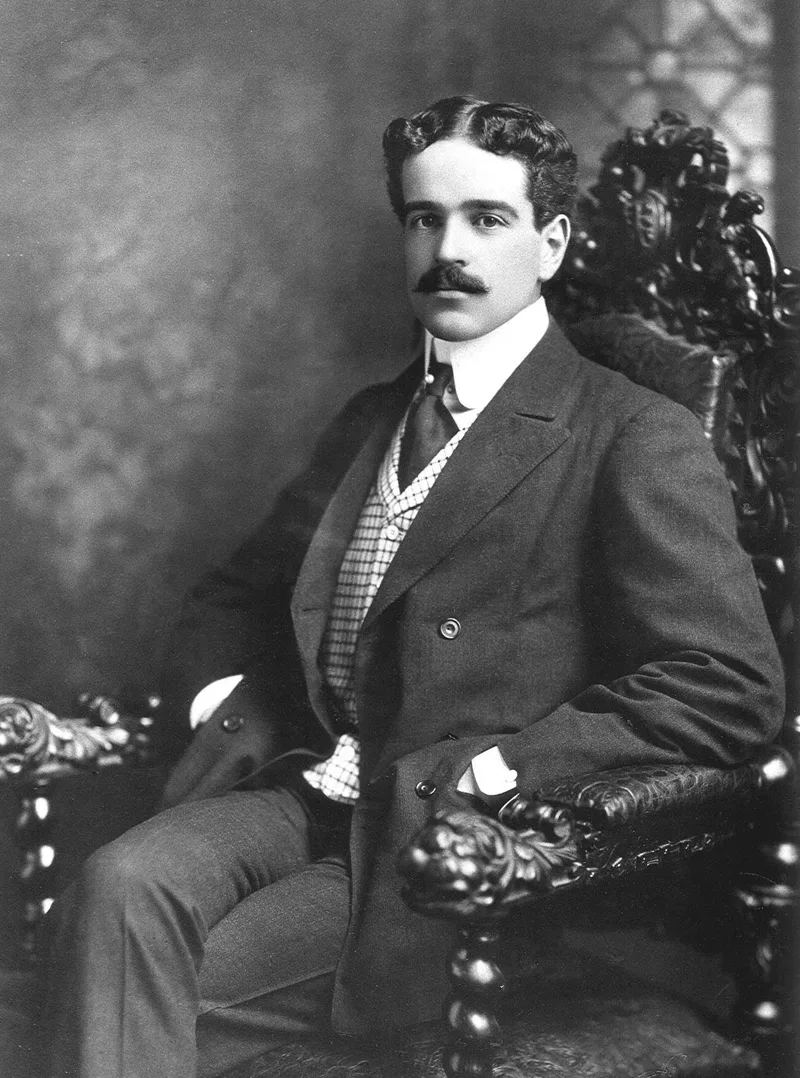
Cosmopolitan's editor, John B. Walker, acquired the plans for an early steam car made by the Stanley brothers, Francis and Freelan, for US$250,000. Only one car existed, with 199 more on order. Walker quickly passed half of his stake to the paving contractor Amzi L. Barber at the same figure, and their partnership lasted only two weeks.
Walker went on to found the Mobile Company of America in North Tarrytown, New York, while Barber moved the business to Bridgeport, Connecticut, as Locomobile. The name was coined from locomotive and automobile, and the Stanley twins were named general managers. The company spent its first two years in Watertown, Massachusetts, before the move.
The Stanley twins later founded the Stanley Motor Carriage Company in 1902, and it became the sharpest rival to Locomobile.
A steam-car pioneer from Bridgeport that became a luxury petrol marque and ended with the Durant-era cars in 1929.
Why were the early steam cars so unpopular?
The early steam Locomobiles were unreliable and finicky to operate. They were prone to kerosene fires, and their small water tanks gave only 20 mi (32 km) per tank. Rudyard Kipling described one example as a nickel-plated fraud.
Even so, more than 4,000 were built between 1899 and 1902. Middle-class Americans clamoured for the latest technology, and salesmen, doctors and people who needed quick mobility found them useful. The first offering was a single inexpensive runabout at $600.
By 1901 the company offered seven body styles at prices between $600 and $1,400. Most used twin-cylinder engines of 3x4 in (76.2x102 mm) and a wire-wrapped 300-psi boiler, burning the liquid fuel naphtha. The 1904 Runabout seated two passengers and sold for $750, with an Overman Wheel Company pump supplying the water.
What did the Boer War and the Riker experiments add?
Locomobile claimed a first during the Boer War, when a generator and searchlight tractor helped dismantle the Klein Nek minefield. It was the first automobile to be used in war, and it also served as a catering vehicle that could brew tea by tapping its boiler. That did not guarantee commercial success, even in Britain.
The company then began experimenting with gasoline engines in 1902, starting with a four-cylinder model on a steel chassis designed by Andrew L. Riker. The following year Locomobile dropped steam vehicles and sold the Stanley brothers back their rights for $20,000. Barber handed the presidency to his son-in-law, Samuel Todd Davis Jr.
What did the 1904 touring car and the 40 offer?
The 1904 internal combustion Touring car had space for five passengers and sold for $4,500. It had a front-mounted, vertical, water-cooled straight four of 16 hp and a three-speed sliding transmission, as used on the Systeme Panhard cars it competed with. The angle steel-framed car weighed 2,200 lb (1,000 kg).
By 1908 the Locomobile 40 Runabout offered 60 hp in a two-seater that sold for $4,750. On the strength of recent competition success, the company became known for well-built and speedy luxury cars.
How did Locomobile perform in motor racing?
Locomobile contested the 1905 Gordon Bennett Cup with a 17.7-litre racer, but a transmission gear failure ended driver Joe Tracy's race after two circuits of Auvergne. Tracy did better at the Vanderbilt Cup, where he placed third, but a tyre problem ended his 1906 Vanderbilt run.
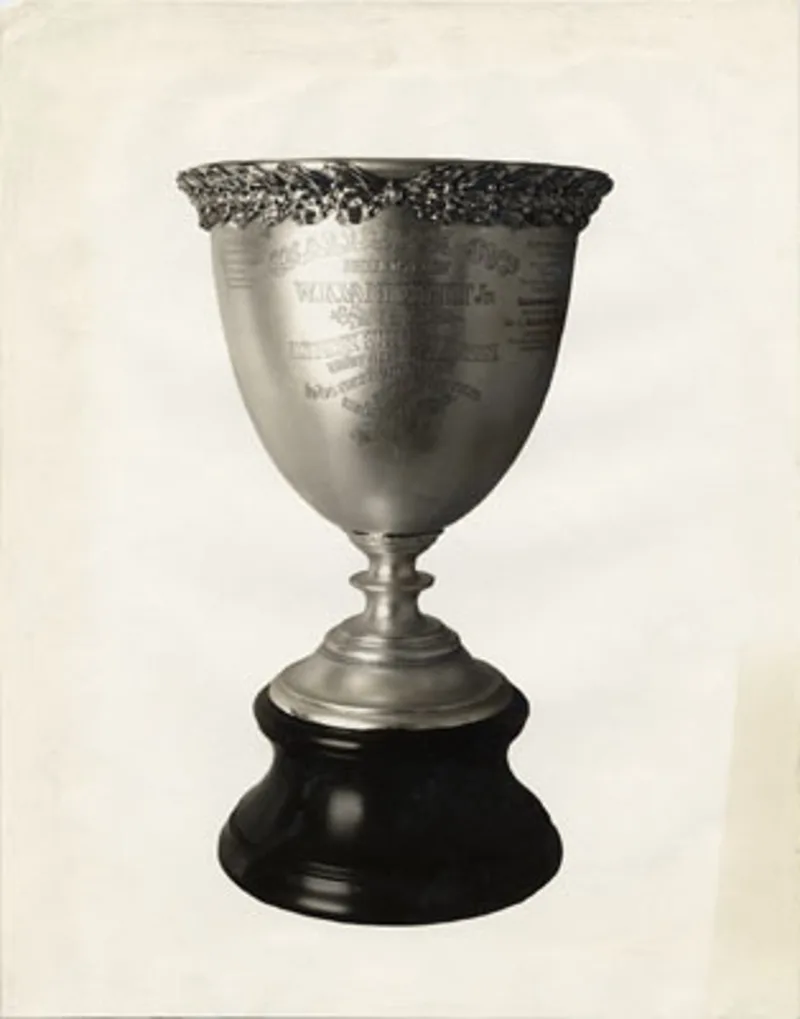
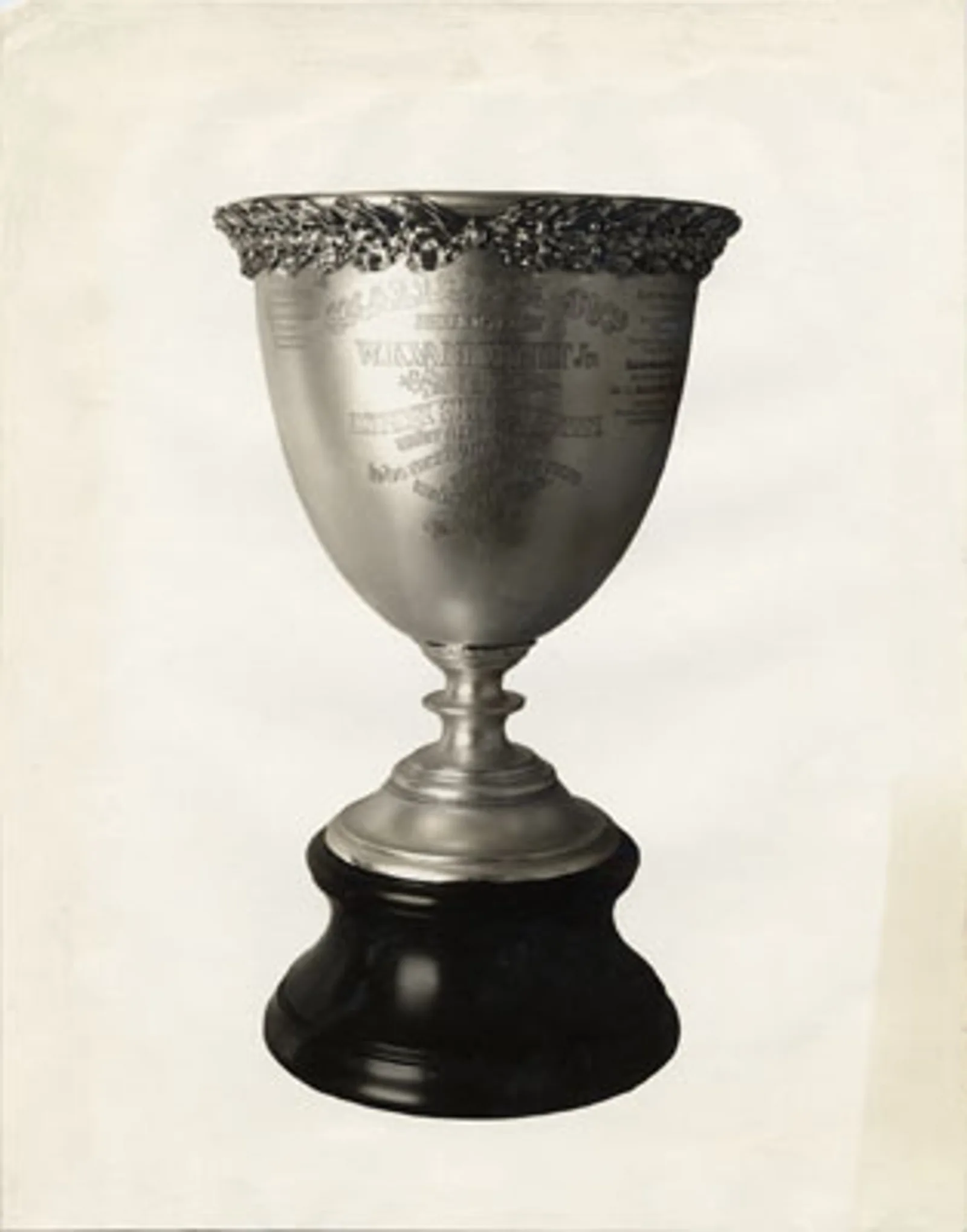
The high-water mark came in 1908, when George Robertson took the Vanderbilt Cup in a Locomobile ahead of fellow pilot Joe Florida, who finished third. It was the first United States-built car to win in international competition. The marque soon faded from the racing scene, although Orin Davis won the Los Angeles to Phoenix rally in 1913.
Eva Mudge, thought to have been the first woman to hold a driving licence and the first female racer, drove a Locomobile. In 1925 the team entered a front-wheel-drive Miller car called the Junior Eight Special at the Indianapolis 500, but apart from the name there was nothing Locomobile about it.
What was the Model 48?
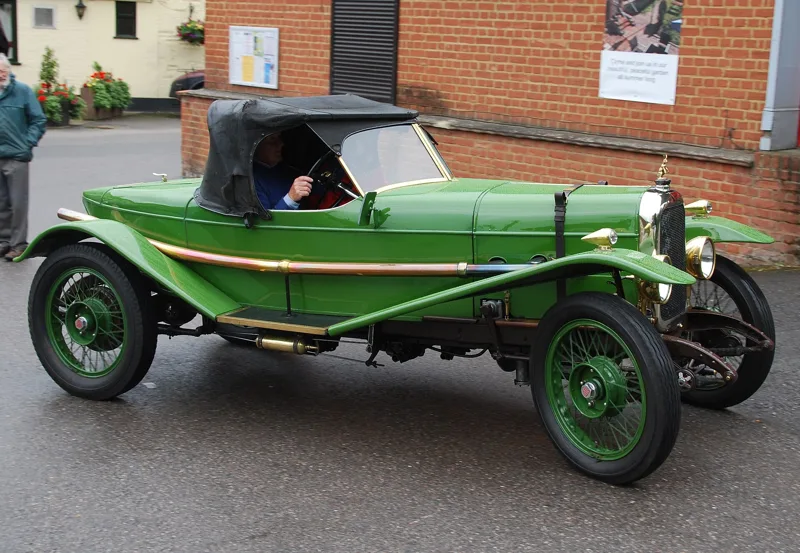
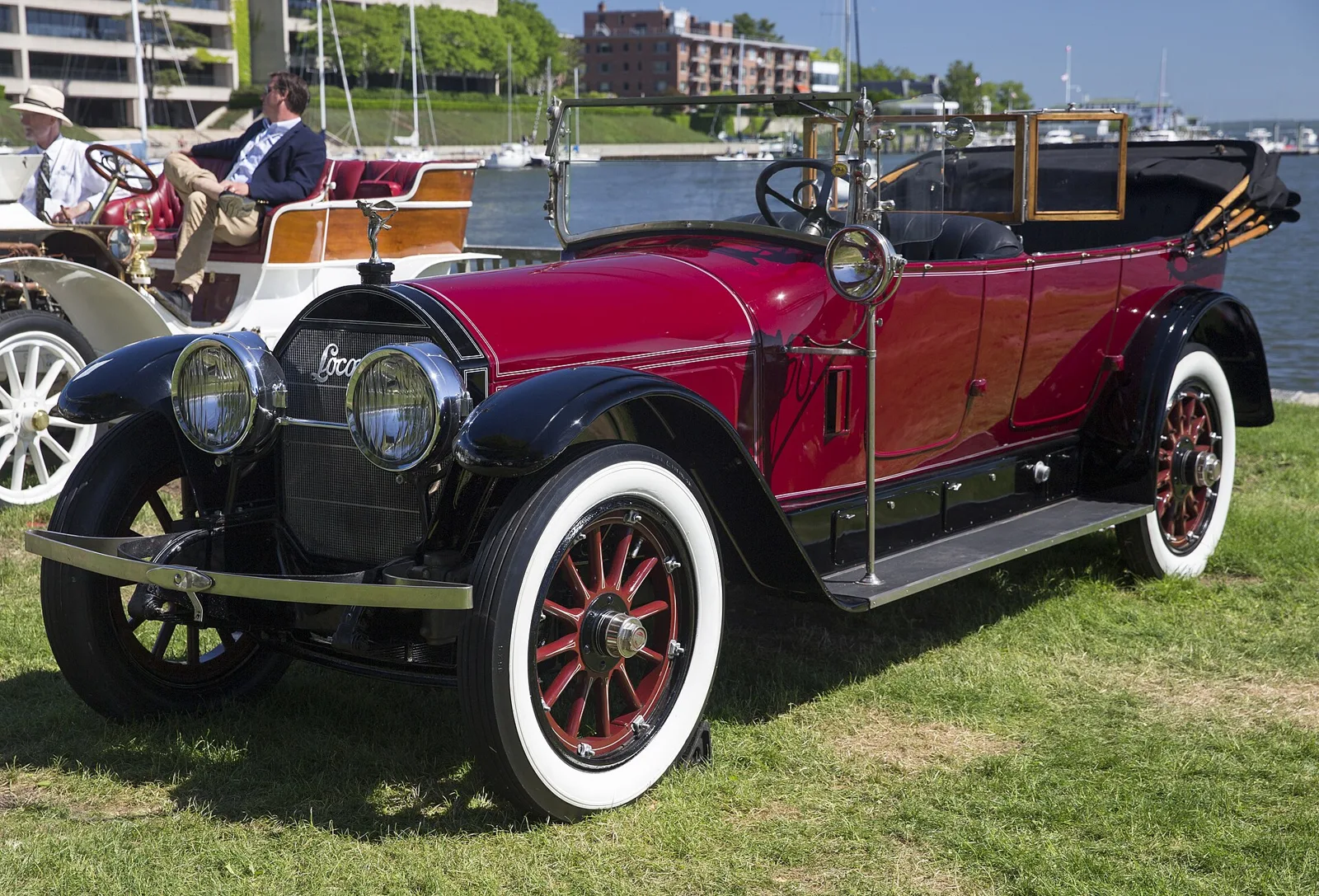
The Model 48 was introduced in 1911 as the type M and became the most important car in the marque's history. It had a conservative design, a straight six with side valves and a 429.4 cu in (7.0 L) engine, and a 143 in (3,632 mm) wheelbase. Its tax rating of 48.6 hp was calculated by the North American Chamber of Commerce.
Quality was impeccable, and the price reflected it. A typical open-body Model 48 cost about $10,000, when an average Model T Ford phaeton cost about $300. Locomobile also commissioned custom lamps and metalwork from Tiffany Studios. The original car's brake horsepower rated above 90, and later versions were higher still.
Until 1915 buyers could specify left- or right-hand drive, and afterwards left-hand drive became standard. Right-hand cars were built for export on a chassis four inches shorter. In about 1919 the engine's stroke was lengthened, bringing it to 525 cu in (8.6 L) while the tax rating stayed the same.
What happened after Durant took over?
Durant Motors acquired Locomobile in July 1922. It kept the Locomobile name on its top-of-the-line autos until 1929 and continued to build the Model 48 until the end. Until the mid-1920s the Model 48 was the only Locomobile on offer, and the 1925 8-66 Junior Eight, priced at $1,785, was the first new model to use a more modern straight eight.
The Junior Six appeared in 1926 but was offered for one model year only. The larger Model 90 arrived the same year and was built until 1929. The 8-70 of 1927 used an off-the-shelf Lycoming engine, and it was not accepted as a true Locomobile in the market, which damaged the company's reputation.
The 8-66 was phased out the following year, and the 8-86 and 8-88 arrived in 1929. It was too late to save the company, and production ended that year.
What were the key Locomobile model changes?
| Year | Model or event | Detail |
|---|---|---|
| 1899 | Steam runabout | Inexpensive runabout at $600, the only body style at first |
| 1901 | Seven body styles | Prices from $600 to $1,400 |
| 1903 | Steam ends | Stanley rights bought back for $20,000 |
| 1904 | Touring car | 16 hp straight four, $4,500 |
| 1908 | Locomobile 40 | 60 hp two-seater at $4,750 |
| 1911 | Model 48 | Straight six of 429.4 cu in, 48.6-hp tax rating |
| 1914 | Sixes only | All four-cylinder models dropped |
| 1922 | Durant takeover | Acquired in July 1922 |
| 1925 | Junior Eight | 8-66 at $1,785 |
| 1929 | Final models | 8-86 and 8-88, then production ends |
What else did Locomobile leave behind?
From 1916 to 1921 the company produced Riker trucks, and 1,150 of them were used in Europe during the First World War. The marque also turned up in fiction.
F. Scott Fitzgerald's first novel, This Side of Paradise, closes with a scene in a Locomobile, in which Amory Blaine argues for socialism to the father of a college friend. Clive Cussler's 2007 novel The Chase and his 2010 novel The Spy both featured a 1906 Locomobile.
In 1946 a 1911 touring car that seated seven was taken on a publicity drive from Boston to Los Angeles and back, to promote the Columbia film Gallant Journey, although it never appeared in the picture. Ishmael Reed's 1972 novel Mumbo Jumbo has Papa LaBas driving one, and Lisa Begin-Kruysman's 2015 novel draws on Harriet White Fisher's trip around the globe in a Locomobile.