No defending champion on the grid, two deaths, a Sebring finale and a title decided by a driver pushing his car over the line.
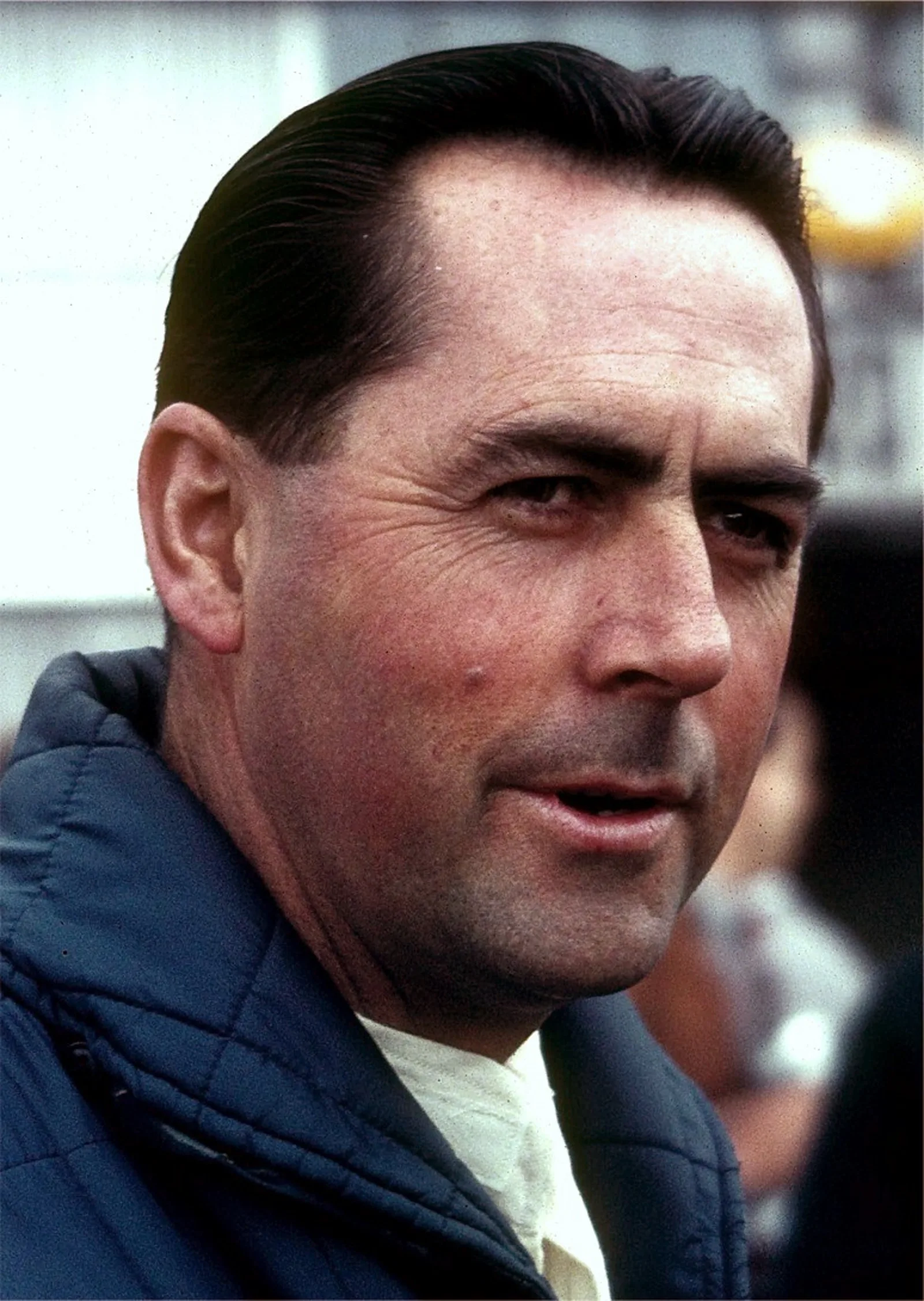
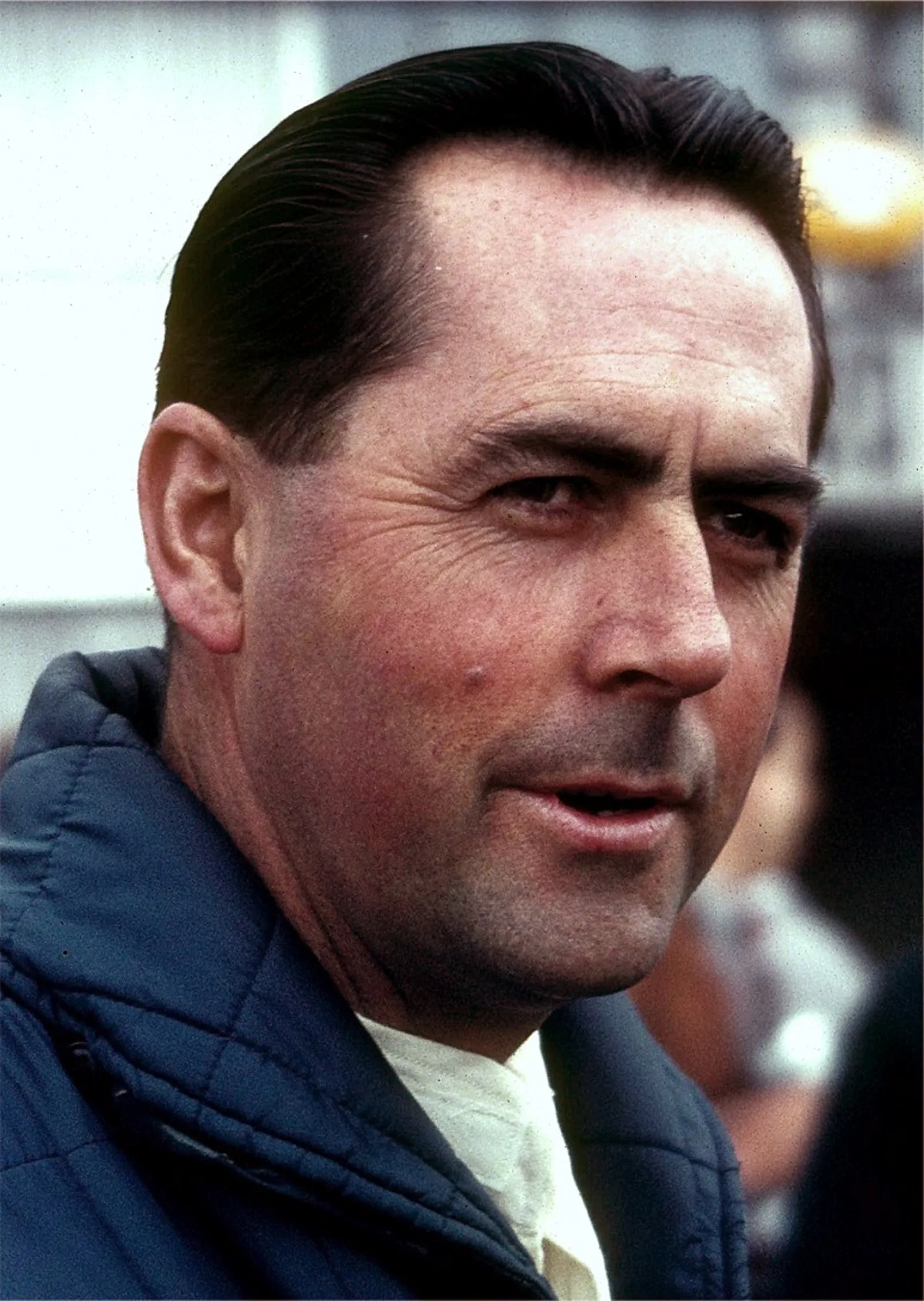
Jack Brabham of Cooper won the 1959 World Drivers' Championship, the first Australian to take the title. The nine-round season ran from 10 May to 12 December, and it ended at Sebring with Brabham pushing his car over the line after running out of fuel.
The 1959 Formula One season was the 13th year of FIA Formula One motor racing and the 10th World Championship of Drivers. It began with no world champion on the grid, since Juan Manuel Fangio had retired and Mike Hawthorn had stepped away from racing. Jack Brabham of Cooper emerged as champion only in the final race at Sebring.
What did the grid look like at the start of 1959?
No world champion was on the grid, because Juan Manuel Fangio had retired after 1958 and Mike Hawthorn had left racing before being killed in a road accident. Ferrari and Vanwall reshuffled their driver line-ups, with Jean Behra, Tony Brooks and Cliff Allison joining Ferrari.
Vanwall's owner Tony Vandervell had seen his health decline, and 1958 was the last full season for the team. Stirling Moss moved to Rob Walker Racing, racing a private Cooper. Wolfgang von Trips switched to the new Porsche works team, and Olivier Gendebien concentrated on sports car racing.
Porsche entered Formula One with its 1500cc engine for Monaco, the only race it would contest that year. Lotus put Pete Lovely in Allison's seat. Cooper brought in Masten Gregory as Roy Salvadori's replacement, since Salvadori had found a part-time place at the new Aston Martin works team, and Carroll Shelby joined the squad as well.
Nine rounds, no defending champion on the grid, and a title settled by a driver pushing his car over the finish line.
Who left the teams and who replaced them mid-season?
Pete Lovely was sacked by Lotus after two disappointing results, most notably a failure to qualify at Monaco, and Innes Ireland took his seat. Ireland was then replaced by Alan Stacey at the British race because of illness. Stirling Moss also moved briefly to BRP, and after two races he returned to Rob Walker Racing.
Jean Behra was sacked by Ferrari after the French race, following a fight in which he punched team manager Romolo Tavoni. He then raced for the works Porsche team, and he had also started helping to run it. His Porsche 718 RSK crashed during the supporting sports car event at AVUS, flying over the banked corner. He suffered a skull fracture when he struck a flagpole, and Porsche withdrew its team for the rest of the year.
At the German race BRP driver Hans Herrmann lost his brakes and crashed violently, and BRP withdrew its team too. His teammate Ivor Bueb died after a Formula Two crash at the Charade Circuit. Masten Gregory missed the last two races after a Jaguar accident in another series, and Giorgio Scarlatti deputised for him at Monza.
How did the calendar change in 1959?
A United States round was added for the first time, with Sebring hosting the season finale on 12 December. The British race moved from Silverstone to Aintree, the German race moved from the Nurburgring to AVUS, and the Portuguese race moved to Monsanto Park.
The Argentine race, which had been set for 25 January, was scrapped once the home favourites Juan Manuel Fangio and Jose Froilan Gonzalez had left the sport and local enthusiasm waned. The Belgian race, planned for 14 June, fell victim to a dispute over start money. Morocco's race, planned for 1 October, was cancelled for monetary reasons.
How did Monaco and Indianapolis open the season?
The Monaco Grand Prix on 10 May went to Jack Brabham in a Cooper, twenty seconds ahead of Tony Brooks in a Ferrari. Rodger Ward won the Indianapolis 500 in the same year, in a race that no Formula One driver contested, and it was the penultimate season in which it counted towards the championship.
Stirling Moss was fastest in qualifying at Monaco, with Behra and Brabham within half a second. Behra made the best start, but Wolfgang von Trips slid on oil on lap two and was hit by three other cars. Behra's Ferrari developed an oil leak and retired on lap 22. Moss's transmission failed on lap 81, after a pit stop had revealed nothing wrong, and Brabham was left to take the win with Trintignant two laps adrift.
Ward took the first of his two Indianapolis victories. The Indy field and the Formula One drivers did not overlap, which meant the race had little bearing on the title battle in Europe.
What happened in the Netherlands and France?
Tony Brooks won the French Grand Prix for Ferrari, with Phil Hill second and Brabham third. In the Netherlands, Jo Bonnier scored his only career win for BRM, ahead of Brabham and Gregory.
Bonnier took pole for BRM, matching Brabham's time, which had been set later, while Moss was two tenths behind. Gregory passed Bonnier on the second lap after starting seventh, but on lap 12 his Cooper began jumping out of gear and Bonnier regained the lead. Aston Martin made its debut, but both of its cars retired with engine failure. Moss passed Brabham on lap 49 and took the lead on lap 60, only for his Cooper's transmission to fail three laps later.
The French race was the honorary European Grand Prix, run on public roads around Reims. Ferrari brought five cars, and three of them occupied the first two rows. Brooks took pole, with Brabham and Hill alongside. The heat reached 44 degrees Celsius (111 degrees Fahrenheit) in the sun, and Gregory retired after being overcome by it and cut in the face by flying stones. Ron Flockhart was hit in the eye by a stone but still finished sixth, while Graham Hill retired when a rock went through his radiator.
How did Britain and Germany decide the title race?
Brabham won the British Grand Prix at Aintree, with Moss second and McLaren third. Brooks won the German race at AVUS after the first heat gave Ferrari a 1-2-3, and the times from both heats were added together.
Ferrari did not race in Britain because of labour disputes in Italy, which gave Brooks the chance to borrow a Vanwall and challenge Brabham on paper. Brabham took pole, ahead of Salvadori and Schell. Salvadori dropped to ninth at the start, and Brooks, starting 17th, fell further back. Brabham led Schell and Bonnier, while Moss rose to second after ten laps and McLaren took third on lap 25. McLaren finished two tenths behind Moss.
The German Grand Prix was held at AVUS in Berlin, a circuit that used two Autobahn straights, each 3.5 km (2.2 mi) long, joined by a hairpin at one end and a 43-degree banked turn at the other. Fears over tyre safety led to two one-hour heats, with the times added together, and streamlining was banned so that the front wheels were always exposed. In the supporting sports car race, Behra's Porsche flew over the banking, and he was killed. Brooks took pole, and Gregory moved into second after the first hairpin. Moss retired with transmission failure, and Brabham retired with the same problem. In the second heat, Herrmann lost his brakes and crashed heavily, but Brooks was the overall winner, three seconds clear of Gurney and a minute ahead of Hill.
How did Portugal and Italy shape the title race?
Stirling Moss won in Portugal on the Monsanto road course, a lap ahead of Gregory. He repeated the feat at Monza, where Brooks's piston broke on the start, and Moss finished ahead of Hill and Brabham.
Moss took pole in Portugal, ahead of Brabham and Gregory, and Gurney was the first Ferrari in sixth. Phil Hill and Graham Hill tangled on lap 5, and both were out at once. Brabham had a heavy accident on lap 24 yet emerged unharmed, and McLaren's transmission let go. Moss led from start to finish, with Gurney taking third ahead of Trintignant.
At Monza, Moss took pole ahead of Brooks and Brabham. Brooks made a bad start and retired at once with a broken piston. Moss let Hill through into the lead so that he could follow the Ferrari and conserve his tyres. Hill and Gurney changed tyres on laps 33 and 34, and Moss lapped Cliff Allison's Ferrari on his way to the win.
What was the state of the title race before Sebring?
Before the final round, Brabham led the championship with 31 points, having won two races, while Moss and Brooks each had two wins and trailed on 25.5 and 23 points. Cooper led the Manufacturers' table with 38 points, while Ferrari had 32 and BRM 18.
Three drivers could still win the title at Sebring. Brabham would be champion with a win, or with a finish ahead of Moss and Brooks. Moss needed to finish second with Brabham behind him. Brooks, eight points adrift, would have to win and hope for his rivals' misfortune.
How did the United States Grand Prix decide the title?
Brabham was crowned champion at the inaugural United States race in Sebring, even though his car ran out of fuel and he pushed it over the line in fourth. Bruce McLaren won the race for Cooper, while Brooks finished third and Moss's gearbox had failed early on.
Moss took pole, with Brabham and Harry Schell alongside, making three Coopers on the front row. Brooks was forced into the pits after one lap, following a rear-end hit from von Trips, and that ended his hopes. Moss led Brabham by ten seconds after five laps before his gearbox packed up. Brabham and McLaren then ran as a solid pair, with Trintignant pressing hard from behind.
Close to the finish Brabham ran out of fuel, and McLaren went by to win by half a second from Trintignant. Brabham pushed his car towards the line and crossed about five minutes after his teammate. He was classified fourth, because the three remaining runners were still multiple laps behind. Brabham finished on 31 points, Brooks on 27 and Moss on 25.5. Cooper took the Manufacturers' title with 40 points, with Ferrari on 32 and BRM on 18.
Who won each round in 1959?
Brabham, Moss and Brooks each won two races, and Bonnier, McLaren and Ward won one apiece, which shows how evenly the title was contested. Brooks won his two races for Ferrari, while Brabham won both of his in a Cooper. The table lists each of the nine rounds in order.
| Round | Race | Winner | Note |
|---|---|---|---|
| 1 | Monaco (10 May) | Jack Brabham | 20 seconds ahead of Brooks |
| 2 | Indianapolis 500 | Rodger Ward | No Formula One drivers took part |
| 3 | Netherlands | Jo Bonnier | His only career win, for BRM |
| 4 | France (Reims) | Tony Brooks | Ferrari; Hill second, Brabham third |
| 5 | Britain (Aintree) | Jack Brabham | Moss second, McLaren third |
| 6 | Germany (AVUS) | Tony Brooks | Two one-hour heats, times added |
| 7 | Portugal (Monsanto) | Stirling Moss | Gregory a lap down |
| 8 | Italy (Monza) | Stirling Moss | Hill second, Brabham third |
| 9 | United States (Sebring) | Bruce McLaren | Brabham pushed his car home |