How the panel in front of the driver grew from a carriage splash guard into padded, airbag-equipped and fully digital instrument clusters.
Known as the dash or instrument panel, the dashboard puts the gauges, warning lights and controls within the driver's reach. The term began with the splash-boards of horse-drawn carriages, and modern versions can be fully digital screens that the driver arranges to suit.
A dashboard is the control panel in front of a vehicle's driver, holding the gauges, warning lights, switches and displays needed to run the machine. Also called the dash, instrument panel or fascia, it sits in the central console area of cars, boats and aircraft cockpits. Its modern form has grown from a simple splash guard into a screen-based control centre.
Where does the word dashboard come from?
The name comes from horse-drawn carriages. An open gig travelling through water threw spray at its driver, so a splash-board was fitted at the front. The term is first documented in 1826. American speakers soon used dasher or dash as alternatives, with dash meaning either splash or bespatter.
The first recorded written use of the hyphenated dash-board appeared in 1847, applied to sleighs. By the time the motor car arrived, the word was already well established for a panel that kept muck off the occupants.
The dashboard began as a splash guard and became a screen that can show almost anything.
Why did early cars keep a dashboard?
The earliest motor cars were horseless carriages with the engine under the driver. A dashboard stayed in place to shield occupants from debris thrown up by the front wheels. In the early 1890s Emile Levassor moved the engine to the front, and the panel changed its job. It now protected occupants from engine heat and oil, and over time it gathered gauges and minor controls.
The first mass-produced automobile, the Oldsmobile Curved Dash, took its name from its dashboard, which curved like the body of a sleigh.
What does a modern dashboard contain?
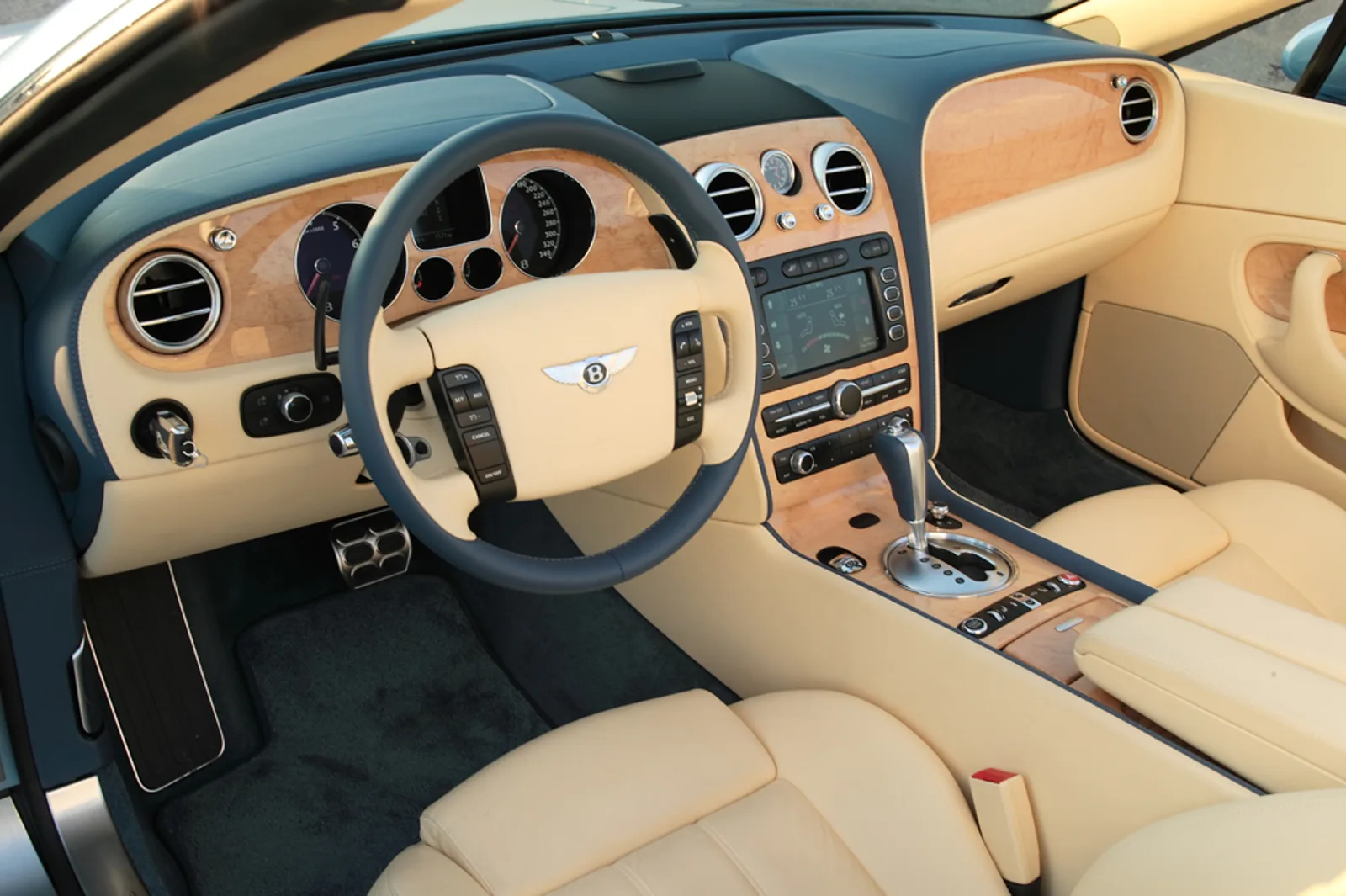
Early dashboards carried little more than the steering wheel and a few instruments for speed, fuel and oil pressure. Today's panel can hold a broad range of gauges, controls, climate settings and entertainment systems, along with navigation and safety displays. A clock is usually part of the entertainment unit, although some cars keep a separate dashboard clock.
Typical instruments include the speedometer, tachometer, odometer, coolant temperature gauge and fuel gauge. Warning lights cover turn indicators, gear position, seat belts, the parking brake and engine faults. Heavy vehicles with air brakes add gauges for the air pressure in the braking system.
How did dashboards become safer?
In 1937 Chrysler, Dodge, DeSoto and Plymouth fitted a safety dashboard that was flat, raised above knee height and had its controls mounted flush. Padded dashboards had already been championed in the 1930s by the safety pioneer Claire L. Straith. The Tucker 48, introduced in 1948, became the first car with a padded dashboard.
Padding spread widely during the 1970s. It is usually polyurethane foam, covered in polyvinyl chloride (PVC), or leather on luxury models. By the early and mid-1990s airbags had become standard in steering wheels and dashboards.
Why were dashboards once full of chrome?
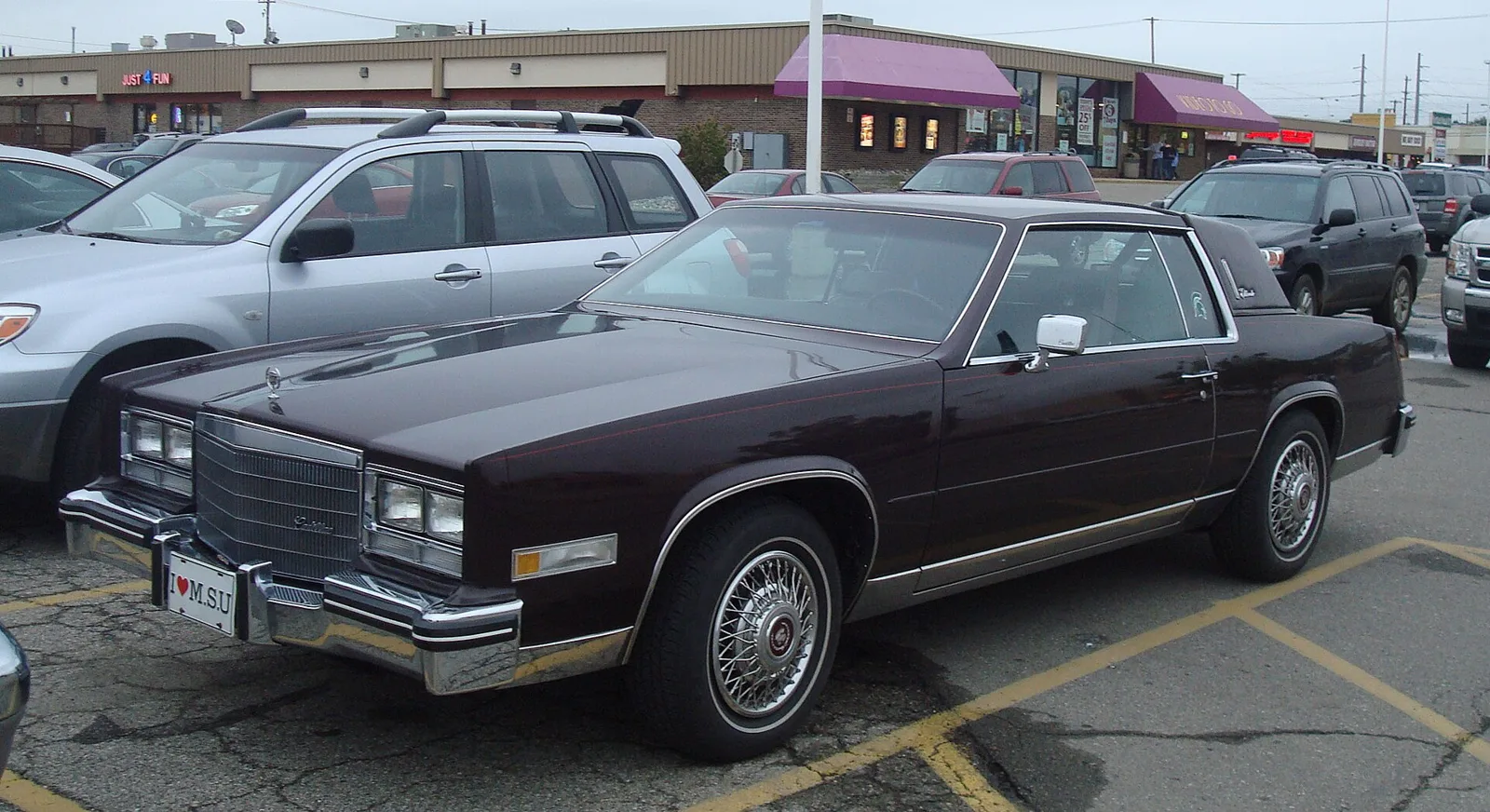
From the 1940s through the 1960s, American manufacturers and their imitators framed instruments with chrome and transparent plastic. The look was considered stylish, but glare from the chrome could be a problem, particularly in a convertible. Wood-effect trim and square instruments lingered on North American cars into the late 1980s, long after European and Japanese makers had adopted plainer layouts.
Electronics opened up new options. Vacuum fluorescent displays, LEDs and LCDs allowed digital readouts, and some makers used them to look up to date. A few cars project speed onto the windscreen with a head-up display, a simpler cousin of the fighter aircraft version.
Styling has come back in recent years. Aftermarket dash kits and factory trim packages let owners personalise the panel, and the Chevrolet Sonic offers both exterior graphics and interior upgrades.
When did digital instrument clusters appear?
An electronic instrument cluster replaces analogue dials with digital readouts. The first production car to use one was the 1976 Aston Martin Lagonda. The first American manufacturer application was the 1978 Cadillac Seville, which offered the Cadillac Trip Computer. Through the 1980s and 1990s many American cars offered them as an option, and some luxury models made them standard.
The trip computer was often the real attraction. It showed outdoor temperature, direction of travel, fuel economy and distance to empty. In 1983 the Renault 11 Electronic became the first European hatchback with a digital dashboard. In the late 1980s and early 1990s General Motors experimented with touch-screen CRTs offering diary features and hands-free phone links in cars such as the Oldsmobile Toronado, Buick Riviera and Buick Reatta.
Early digital clusters drew heavy criticism. They were hard to read in strong sunlight, they lost the feel of continuous acceleration that a needle gives, and repairs were expensive. Digital panels were phased out during the 1990s, although Renault and Citroen kept them in some models. A digital speedometer steps through whole numbers, while a needle sweeps smoothly between markings, which is one reason many drivers preferred the needle.
Honda's Civic shows how the layout changed. The eighth and ninth generation cars used a two-tier panel: a digital upper section with white numbers on a screen that shifts from blue to green with driving habits, and a lower analogue tachometer beside a digital odometer. The tenth generation replaced it with a single panel that is fully digital in the higher trims.
How did digital dashboards become fully customisable?
The 2007 Lamborghini Reventon used one of the first high-resolution LCD displays fitted to a production car, and other makers followed. The 2009 Lexus LFA was among the first cars with a modern LCD screen. Lexus argued that an analogue tachometer could not keep up with the engine, though the needle itself is hardly the limit.
The third-generation Range Rover (L322) carried the largest TFT LCD displays on a production luxury SUV in its facelifted 2010 form. In 2014 Audi introduced its virtual cockpit on the Audi TT, developed with the Finnish company Rightware using its Kanzi software suite. Since the mid-2010s, and into the early 2020s, fully customisable clusters have become popular, letting drivers choose what appears and where, from navigation to phone data or a blind-spot camera view.
| Year | Milestone |
|---|---|
| 1826 | The term is first documented as a splash-board on horse-drawn gigs |
| 1847 | First recorded written use of dash-board, applied to sleighs |
| 1937 | Flat, knee-height safety dashboards fitted by Chrysler, Dodge, DeSoto and Plymouth |
| 1948 | The Tucker 48 becomes the first car with a padded dashboard |
| 1976 | Aston Martin Lagonda uses the first electronic instrument cluster in a production car |
| 1978 | Cadillac Seville becomes the first American application, with a trip computer |
| 1983 | Renault 11 Electronic becomes the first European hatchback with a digital dashboard |
| 2007 | Lamborghini Reventon uses one of the first high-resolution LCD displays |
| 2009 | Lexus LFA becomes one of the first cars with a modern LCD screen |
| 2014 | Audi introduces its virtual cockpit on the Audi TT |
Where else do dashboards appear?
Electronic instrument clusters are increasingly common on railway vehicles, where LEDs once showed analogue-style readings for pressure and electrical gauges. Digital displays now combine with cab signalling systems, simplifying the cab layout and improving how the engineer works with the controls.
The word has also travelled into computing, where a dashboard is a screen that gathers related visual data in one place.