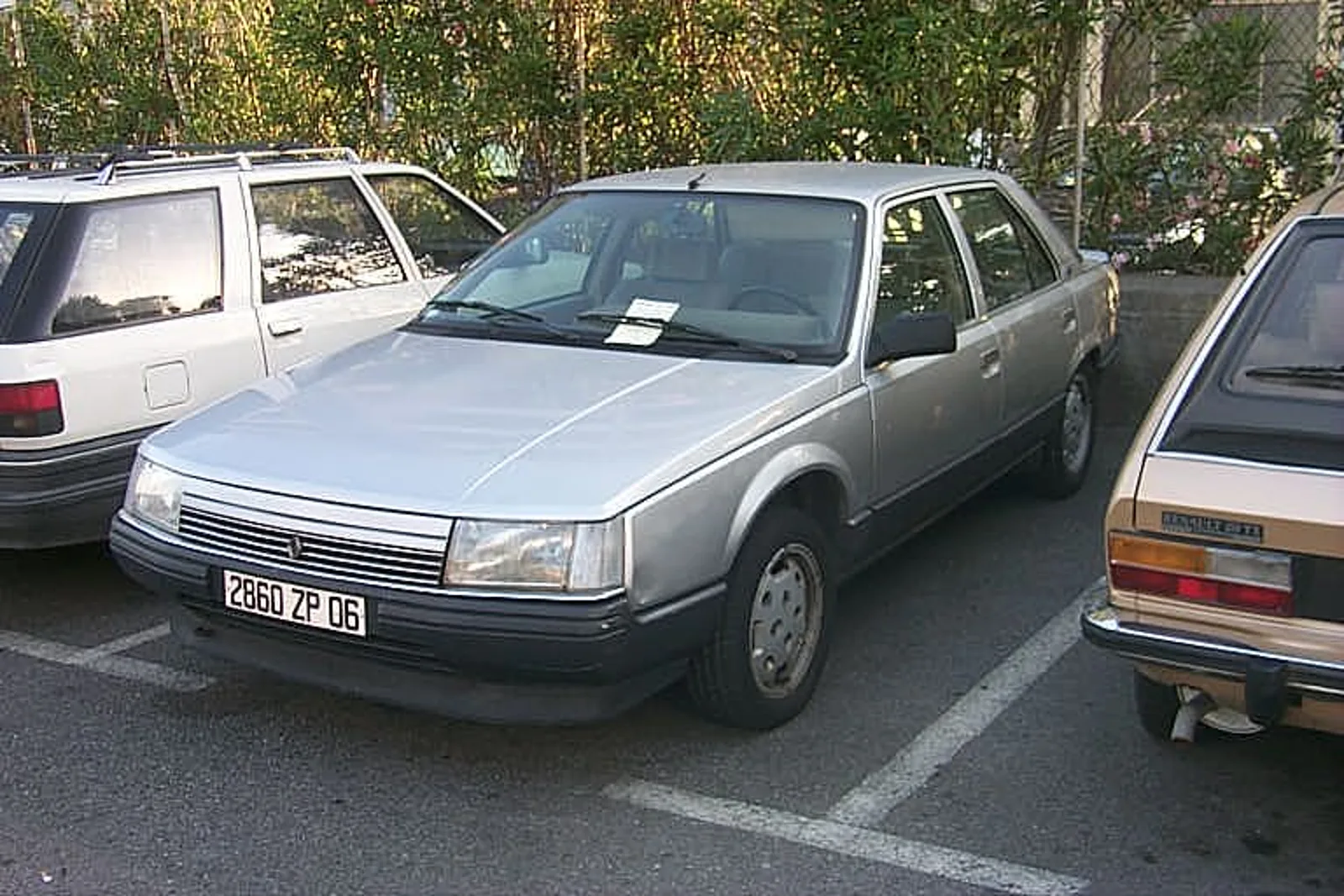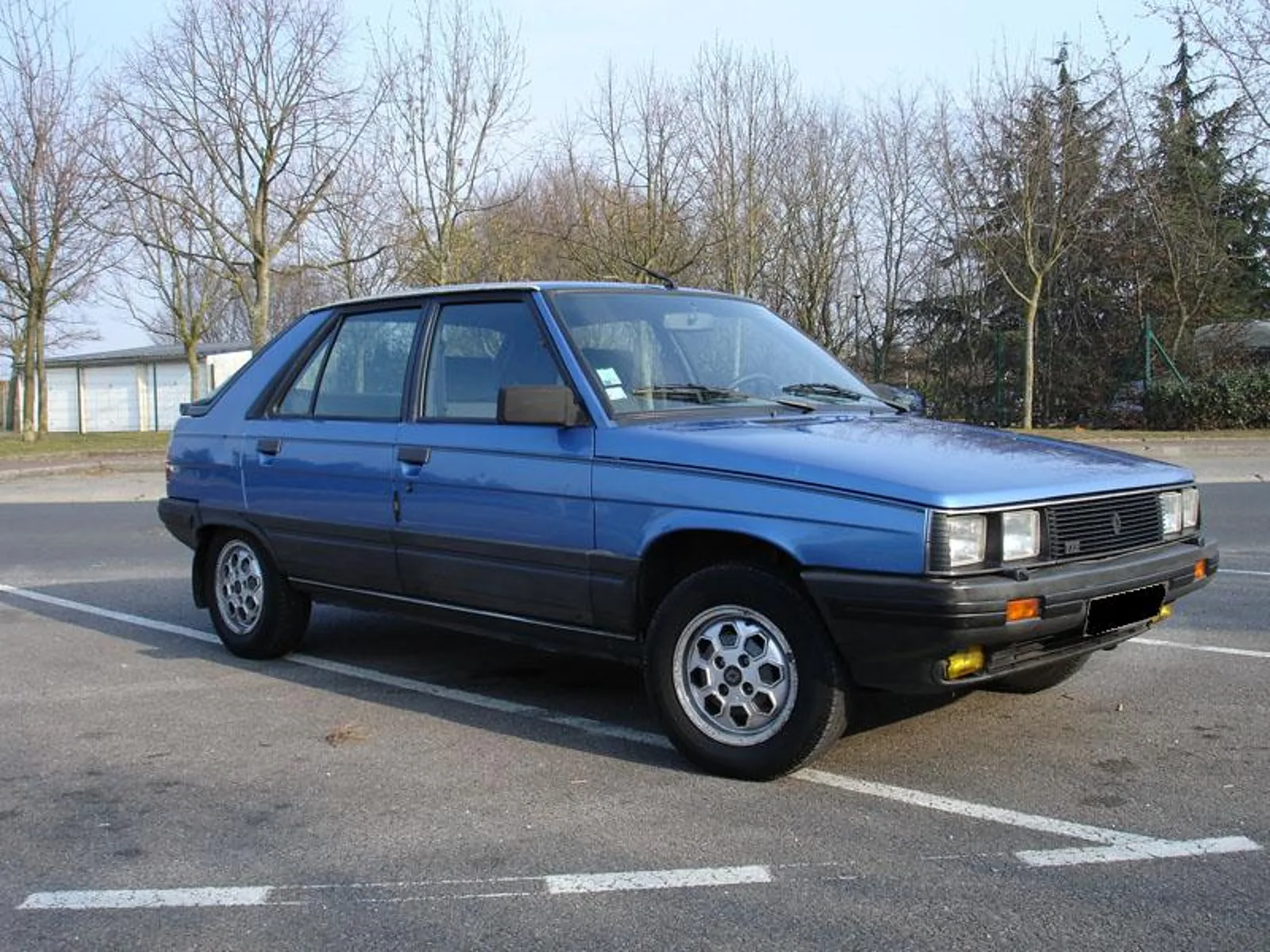
A 1983 hatchback with a liquid-crystal instrument display, a voice synthesiser and a hi-fi run from behind the steering wheel, plus the Cleon-Fonte engine that collectors still prize.
The Renault 11 Electronic was a 1983 hatchback with a liquid-crystal instrument display, a voice synthesiser and a hi-fi run from a satellite switch. Its 72 PS Cleon-Fonte four powered the TSE Electronic, and collectors now prize that version most of all.
The Renault 11 Electronic was a hatchback that spoke to its driver. Its dashboard was a liquid-crystal display backed by speech, and its hi-fi was run from a satellite switch behind the wheel. It is a collector's car today.
What made the Renault 11 Electronic different?
The Electronic versions combined a liquid-crystal digital instrument, a speech synthesiser and a hi-fi operated from a satellite behind the steering wheel. They were the first French cars with a digital dashboard and voice synthesis, although a Cadillac had offered a digital speedometer as early as 1978.
A French hatchback that talked back, with a liquid-crystal dashboard and a hi-fi run from a satellite behind the wheel.
Launch, design and the Renault 9 link
The Renault 11 went on sale on 1 April 1983 as the hatchback counterpart of the Renault 9. The four-door notchback had appeared in September 1981 and won the Car of the Year title for 1982. Robert Opron styled both cars, while Marcello Gandini designed the 11's interior and dashboard.
The 11 needed its own dashboard to house the Electronic's equipment. Gandini's large, peaked dashboard was later reused on the Renault 25 and the Super 5.
In December 1982 L'Auto-Journal printed photographs of a new Renault 11 being tested on a circuit. The writer already mentioned a plan for a digital dashboard, but no picture of the instrument appeared before the official launch.
Which dashboard did the Electronic use?
The instrument cluster used a liquid-crystal display, with speed, engine speed, temperature and fuel level shown as simple columns that a quick glance could read. Stanley made the digital display for all three series, while Jaeger supplied the left-hand cluster with its buttons.
The idea came from Japanese engineers who wanted to cut down on the useless glances at a conventional needle gauge. On series 1 and 2 the speed could appear as a bar graph capped at 180 km/h (112 mph) or 90 km/h (56 mph), and oil pressure was available on request.
The weak point was legibility in strong light. A peak above the dashboard partly solved that problem.
Three generations of the digital instrument
The first type showed a silhouette of the car on an orange background, with warnings for open doors and a detector for blown bulbs. It appeared in the launch brochures for the 1983 model year. The second added a green trip computer giving instant and average fuel consumption, range, fuel used, fuel remaining and outside temperature. Its screens scrolled with a black button on the right of the dashboard, blown-bulb warnings were dropped, and an open door was announced by voice alone.
The third generation dropped the combined rev counter and speed bar graph from the 1986 model year. It also removed the overspeed warning on the speed bar and the steering-wheel adjustment buttons, and switched to a black background for greater reliability.
The right-hand control satellite changed as well. The second generation had a button to replay voice announcements, while the third had a scroll button for the trip computer. The left panel swapped its speed bar graph for an mph/km/h switch. The North American Encore used this third-generation instrument.
Which engine and equipment came with the TSE Electronic?
The TSE Electronic used the long-serving Cleon-Fonte engine, a 1,397 cc (85.3 cu in) unit with a side camshaft, rockers and pushrods, producing 72 PS (53 kW; 71 hp) DIN. It was fed by a twin-barrel carburettor and used AEI fully electronic ignition.
The engine had a long pedigree. The engineer Rene Vuaillat designed it, and the design dated back to 1962, when it first powered the Floride S and the Renault 8. The TSE Electronic kept the TSE's leather-wrapped steering wheel, central locking, electric windows, thick carpet, velour interior and alloy wheels, and it added a compact hi-fi with automatic station tuning and stereo sound.
The package also included six speakers, a tweeter on the instrument peak for speech, and electrically adjustable external mirrors as standard. No other R11 had a centrally locked boot; the TSE Electronic alone did, and its front door panels were shaped to take large speakers. An automatic version kept the same 1,397 cc engine, but its output was 68 PS (50 kW; 67 hp) DIN.
Renault 11 Electronic specifications
| Specification | Detail |
|---|---|
| Body | Hatchback, 3 or 5 doors |
| On sale | 1 April 1983 |
| Engine, TSE Electronic | 1,397 cc (85.3 cu in), type C2J, 72 PS (53 kW; 71 hp) DIN |
| Engine, automatic | 68 PS (50 kW; 67 hp) DIN |
| Carburettor | Twin-barrel 32 DRT |
| Ignition | AEI, fully electronic |
| Engine, TXE (F engine) | 1,721 cc (105.0 cu in), type F2N |
| Speed bar graph | Series 1 and 2 only |
| Limited series | 4,500 units from 2 April 1985 |
| Timing belt, TXE | Every 5 years or 100,000 km |
What changed with the F engine?
From autumn 1983 Renault introduced the 1,721 cc (105.0 cu in) F engine, which was meant to replace the Cleon-Fonte in the more powerful R9 and R11 versions, apart from the Turbos. At first the GTS, TSE and TSE Electronic were kept alongside the new GTX, TXE and TXE Electronic. Under the new engine the GTS was renamed GTX, the TSE became TXE, and its Electronic version took the TXE name.
The F engine had an overhead camshaft driven by a toothed timing belt, and it was fed by a carburettor. It was built on the F8M 1.6D unit and had an unusual, diesel-like layout, with combustion chambers built into the pistons. The TXE Electronic was otherwise identical to the TSE Electronic, but in 1985 it lost the instrument-peak tweeter, and the car radio's front left speaker took over the speech output.
The 1986 facelift brought a modified grille with thick anthracite bars, a front bumper with an integrated spoiler like that of the R11 Turbo, a slimmer centre console for more legroom, and a four-spoke leather sports steering wheel. The headlamp washers were dropped.
Limited series and the Encore
A limited series of 4,500 cars went on sale on 2 April 1985. It was based on the GTL but used the 1,397 cc engine of the GTS and TSE, with 72 PS (53 kW; 71 hp) DIN. It kept the futuristic dashboard and speech synthesiser, and added tinted glass, a rear wiper and a five-door body in one of two colours. No options were available. In Italy it was called Message.
In North America the Renault Encore Electronic was offered as an option on an existing model rather than as a separate car. It used the third-generation instrument, with a seat-belt warning lamp and a key buzzer, but it had no hi-fi and no speech. Its readings were in miles and MPG.
Did the digital dashboard catch on?
Not in France at the time, where the press often criticised digital dashboards. Germany received them better, the United States and Japan welcomed them, and the Electronic's display is described as the most finished-looking of the decade's digital dashboards.
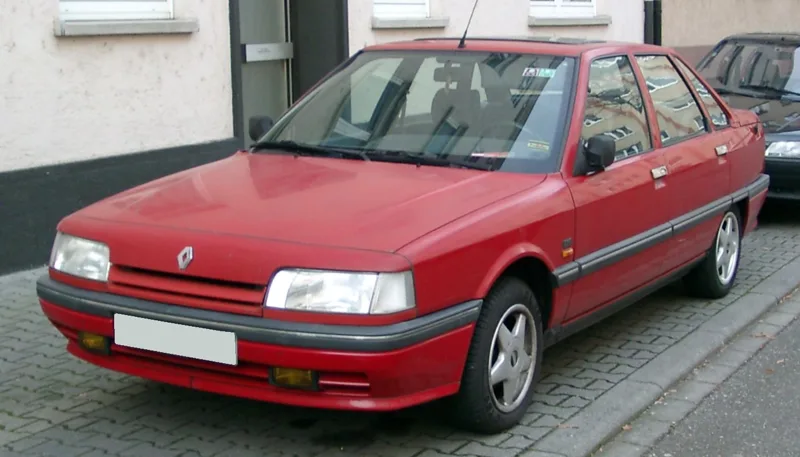
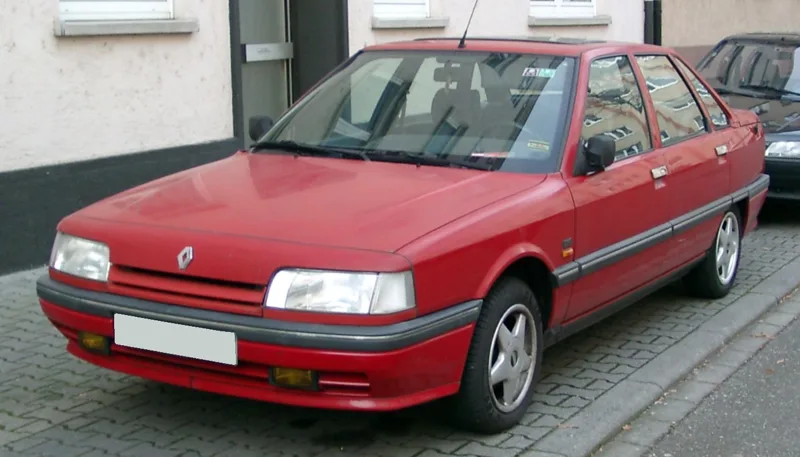
Others followed. Renault used an orange digital panel on the Renault 21 TSE/TXE/Turbo DX, and Citroen launched the BX Digit in 1985 with a dedicated Jaeger digital instrument. The BX combined BX 16 TRS trim with the 105 PS (77 kW; 104 hp) engine of the BX 19 GT. Volkswagen fitted its Golf II Match GTI 16 with the Digifiz display, and Opel fitted similar instruments to the Kadett E GSi and Senator.
Peugeot stayed away and kept to needle gauges. Lancia offered an optional Opto-Electronique dashboard on its Dedra in the early 1990s, a very successful but very rare option.
Collectors and what to look for
Today the Renault 11 Electronic is a collector's car, and the TSE Electronic is the most sought-after of the Electronics. Its engine needs less upkeep, having no timing belt, and it suffers fewer carburettor problems. Its Cleon-Fonte engine is widely admired.
The automatic version has reliability problems with its gearbox. The TXE Electronic has a modern engine with much more torque, but it suffers carburettor trouble and needs its timing belt changed every 5 years or 100,000 km, whichever comes first, though it remains the most pleasant engine to drive. Some will criticise the limited series for its manual windows and lack of central locking.