From the first diesel-electric ship in 1903 to modern buses and trucks, how generating power on board removes the need for a conventional gearbox.
A diesel-electric powertrain runs diesel engines that generate electricity for motors, so no conventional gearbox is needed. The electricity may also charge batteries, making the system a hybrid. It is used in ships, submarines, locomotives, buses and some trucks.
A diesel-electric powertrain uses diesel engines to drive generators, which supply electricity to electric motors that turn the wheels or propellers. The arrangement does without a conventional gearbox, and it is used in ships, submarines, locomotives and some road vehicles. Because electric motors deliver strong torque from a standstill, the system has proved useful wherever a single engine must drive many axles or shafts.
What is a diesel-electric powertrain?
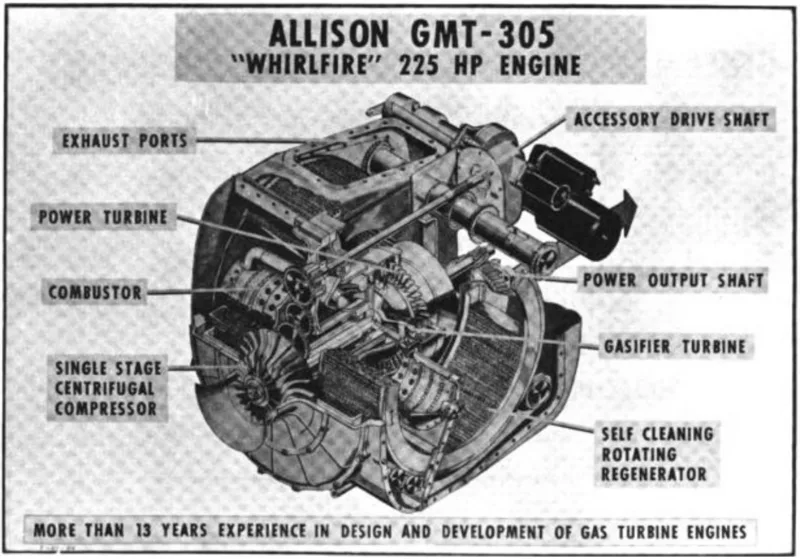
A diesel-electric transmission is a system powered by diesel engines that generate electricity to drive electric motors on vehicles in road, rail and marine transport. It is similar to petrol-electric transmission, which works in the same way with a petrol engine. Turbine-electric powertrains follow the same principle with gas turbines in place of the diesel.
Inside the vehicle, an alternator converts the mechanical output of the diesel engine into electrical energy. Traction motors then drive the wheels or propellers mechanically. The motors can be fed directly from the alternator or through rechargeable batteries, and the second option turns the vehicle into a type of hybrid electric vehicle.
Generate the power on board and the gearbox is no longer needed, which is why ships and locomotives both adopted it.
Why does a diesel-electric system avoid a gearbox?
A diesel-electric system avoids a gearbox because the engine never drives the wheels directly. Electrical power drives motors that produce strong torque even when the vehicle is stationary, so no stepping of speed up or down is required. That removes a major source of complexity and failure in heavy machinery.
The gearbox a powerful diesel would need to drive several axles is large and complicated, and it can be a point of failure. Without one there are no gear changes to make, and the acceleration stays smooth, because nothing disengages a clutch during a change. The arrangement also means the motors can run from batteries while the engine is off, which suits zones where combustion engines are restricted.
Where did diesel-electric drive first appear at sea?
Vandal, a Russian tanker built for Branobel, is credited as both the first diesel motorship and the first diesel-electric ship, and it went into service in 1903. Steam turbine-electric propulsion had been in use since the 1920s, on battleships such as the Tennessee class, but diesel-electric powerplants grew more common in surface ships later on. Finland's coastal defence ships Ilmarinen and Vainamoinen, begun in 1928-1929, ranked among the earliest surface vessels with this drive.
In the Second World War the United States Navy built diesel-electric surface warships. Machinery shortages led to diesel-electric destroyer escorts of the Evarts and Cannon classes, which ran at half their designed power. The Wind-class icebreakers were built around the flexibility and damage resistance of this drive.
Modern ships often use electric motors in azimuth thrusters, pods mounted beneath the hull that rotate through 360 degrees and make the vessel far more manoeuvrable. Cruise ships and icebreakers use them widely. Symphony of the Seas, the largest passenger ship as of 2019, is one example. Queen Mary 2 takes a mixed approach, with diesel engines and two gas turbines near the main funnel, all generating electricity for the propellers.
How do diesel-electric submarines work?
Early boats linked the combustion engine to the propeller through a direct mechanical connection. The diesel ran the boat on the surface and recharged the batteries, and it was disconnected when the boat dived, leaving the batteries to power an electric motor. A true diesel-electric arrangement works differently, because the propeller is always driven by electric motors, while diesel generators supply power for charging and propulsion.
Electric drive has a clear advantage underwater, because the loud engine room is kept apart from the pressure hull. That separation reduces the boat's acoustic signature when it is on the surface. Some nuclear submarines use a related turbo-electric system, with propulsion generators driven by steam from the reactor plant.
The Swedish Navy was an early pioneer. Its first submarine, HMS Hajen, launched in 1904 with a semi-diesel engine that was later replaced by a true diesel. Between 1909 and 1916 the navy launched seven more submarines in three classes, all with diesel-electric transmission. Sweden paused the approach in the mid-1910s, then restored it in the mid-1930s. Air-independent propulsion from Stirling engines joined the design with HMS Nacken in 1988.
How did diesel-electric drive spread through navies and railways?
| Year | Development |
|---|---|
| 1903 | Vandal launched as the first diesel-electric ship |
| 1904 | HMS Hajen launched as an early Swedish submarine |
| 1909-1916 | Sweden launches seven more diesel-electric submarines |
| 1928 | US Navy proposes diesel-electric drive for submarines |
| 1931 | ALCO HH diesel-electric switcher enters series production |
| 1980 | Soviet Navy adopts diesel-electric drive on Paltus class submarines |
| 1998 | Mercedes-Benz Cito low floor concept bus is introduced |
The US Navy tested the approach on S-class submarines before putting it into production on the Porpoise class of the 1930s. Apart from the British U-class and some Imperial Japanese Navy submarines, few navies used diesel-electric drive before 1945. After the war it became the dominant way to propel conventional submarines.
Why did railways adopt diesel-electric locomotives?
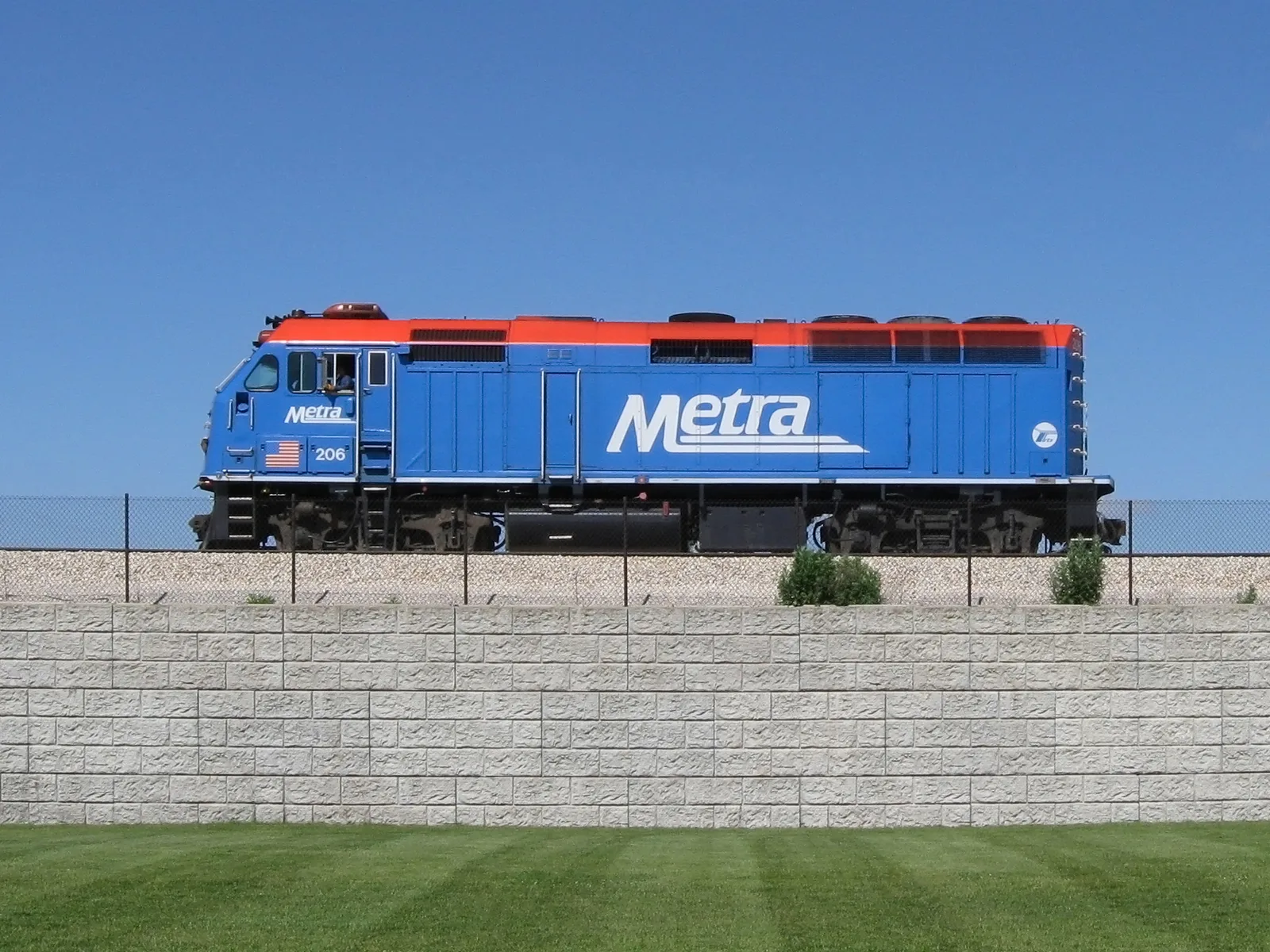
During the First World War there was a strategic need for locomotives without smoke, but diesel technology was not yet ready. Precursor attempts used petrol-electric drive, including a French design patented in 1912. About 300 such locomotives were in use during the conflict, but only 96 of them were standard gauge.
In the 1920s diesel-electric technology found limited use in switcher locomotives, which move trains around rail yards. The American Locomotive Company offered its Oil-Electric machines, and its ALCO HH switcher entered series production in 1931. Through the 1930s the approach spread to streamliners, the fastest trains of their day, because it simplified power transmission and cut maintenance.
The engineering reasoning is straightforward. A large diesel can generate 4,000 horsepower or more, but it cannot run above about 2,100 rpm. A direct drive would need 20 or 30 gears to reach speeds up to 180 km/h (110 mph), and the gearbox to handle that power across four or more axles would be huge and fragile. Coupling the engine to a generator avoids the problem, and a torque converter or fluid coupling can replace the gearbox in a direct system where one is needed.
Which buses and trucks use diesel-electric drive?
Diesel-electric buses are in service, including hybrid systems that store power in batteries. Allison Transmission and BAE Systems are the two main hybrid providers for transit buses. New Flyer, Gillig and North American Bus Industries use Allison EP systems, while Orion Bus Industries and Nova Bus use the BAE HybriDrive. Mercedes-Benz builds its own diesel-electric system for the Citaro, and its Cito low floor concept bus was introduced in 1998.
Trucks use the technology in heavy and specialist applications. The Liebherr T 282B dump truck and the LeTourneau L-2350 wheel loader are large mining machines, and NASA's Crawler-Transporters use diesel-electric drive as well. Lighter examples include the Mitsubishi Fuso Canter Eco Hybrid and the International DuraStar Hybrid. The Peterbilt Supertruck 1 and 2 were test vehicles, and Hyllion modifies some semi trucks with a diesel-electric hybrid system.
Have car makers tried diesel-electric drive?
Diesel engines paired with electric transmissions and batteries have been studied for future car drive systems. A US government programme with the Big Three automakers, DaimlerChrysler, Ford and General Motors, developed diesel hybrid cars. The Third-Millennium Cruiser was an attempt to commercialise a diesel-electric car in the early 1980s.
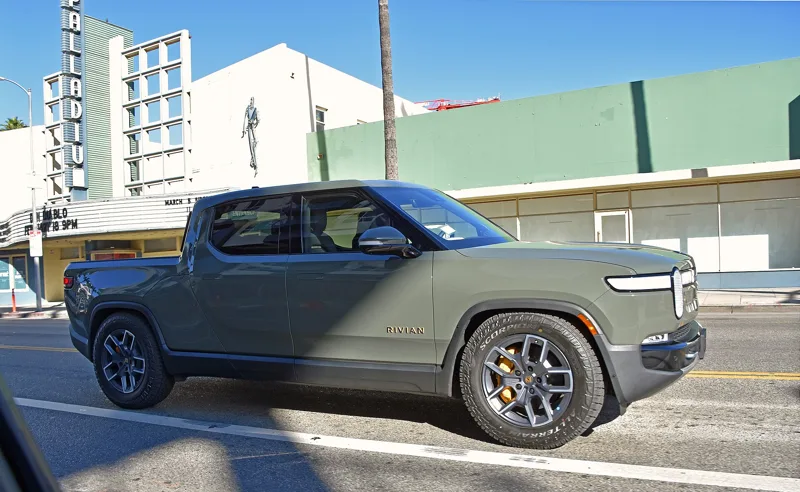
Concept vehicles followed from several makers, including the General Motors Precept, the Ford Prodigy and the Dodge Intrepid ESX. Rivian was developing a diesel-electric engine with an estimated fuel economy of about 90 mpg city and over 100 mpg highway, which works out to roughly 2.61 L/100 km in town and 2.35 L/100 km on the motorway. None of these reached production in the form described.
How has diesel-electric drive been used by the military?
Diesel-electric propulsion has been tried on several military vehicles, particularly tanks. German armour from the Second World War, including VK 45.01 (P), Elefant and Panzer VIII Maus, used petrol-electric or diesel-electric drive. The TOG1 and TOG2 heavy tank prototypes relied on twin generators driven by V12 diesels.
Newer test vehicles include the SEP modular armoured vehicle and the T95e. Designers may turn to this drive on future tanks, seeking better fuel economy with a smaller, lighter and quieter power plant. Wheeled attempts were less successful, and the ACEC Cobra, MGV and XM1219 armed robotic vehicle did not succeed.