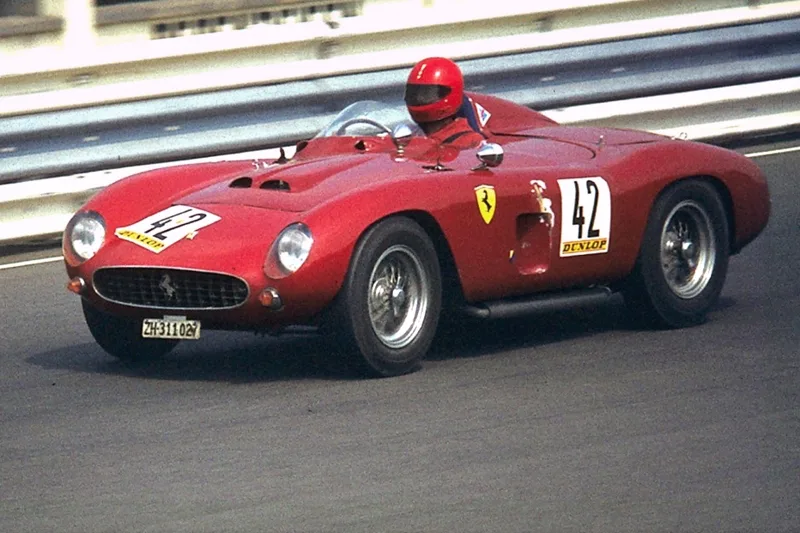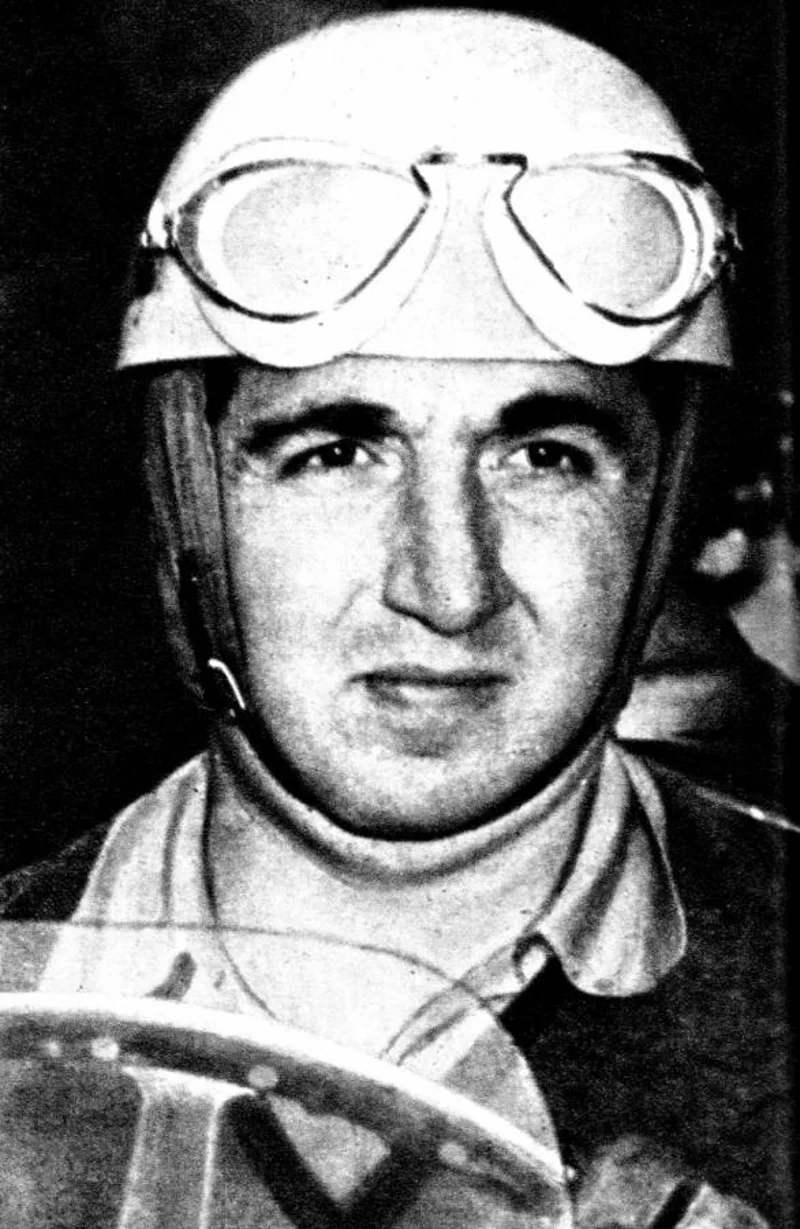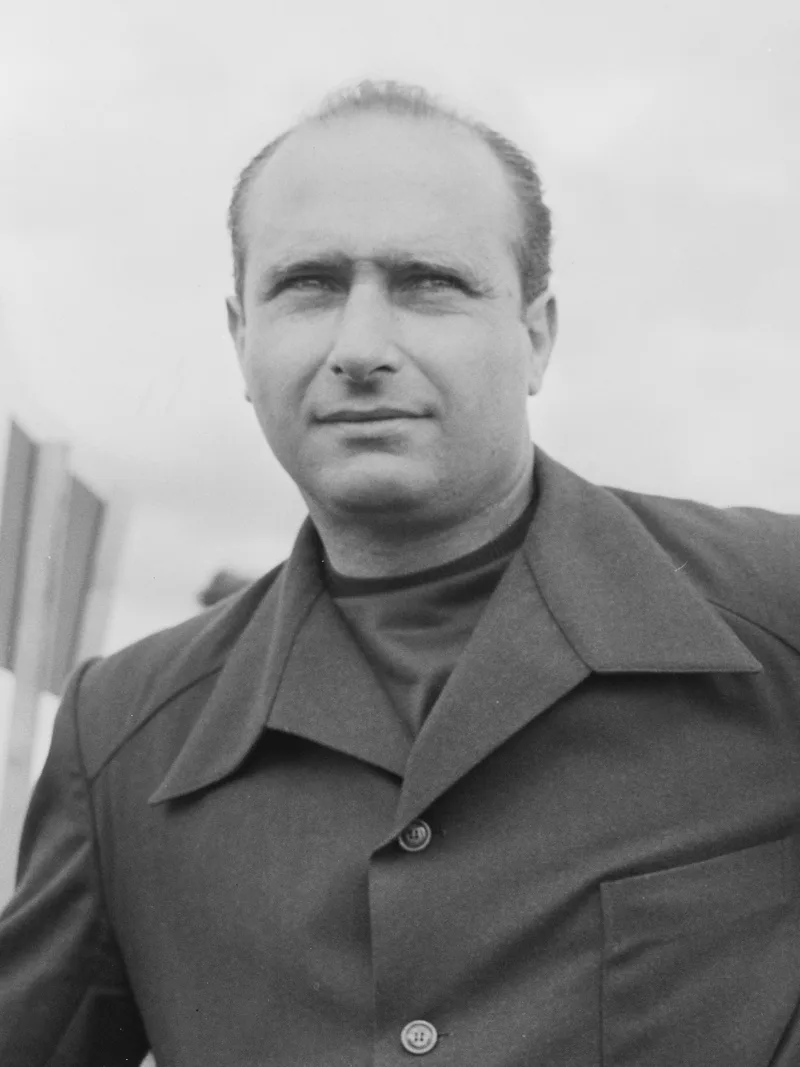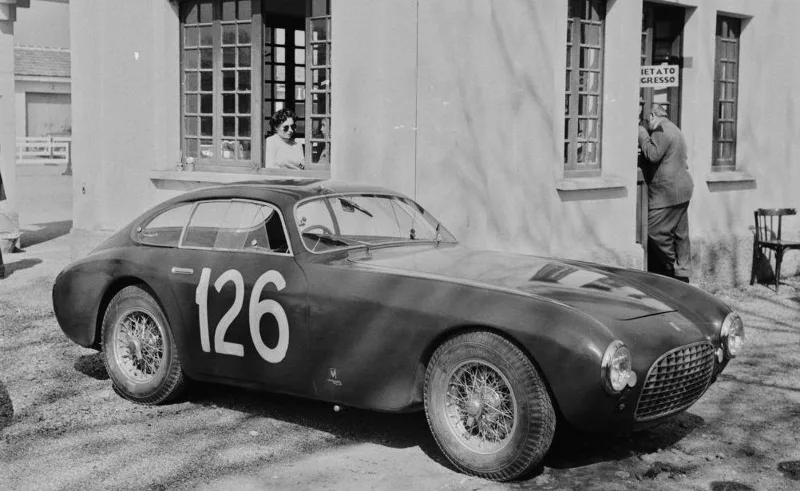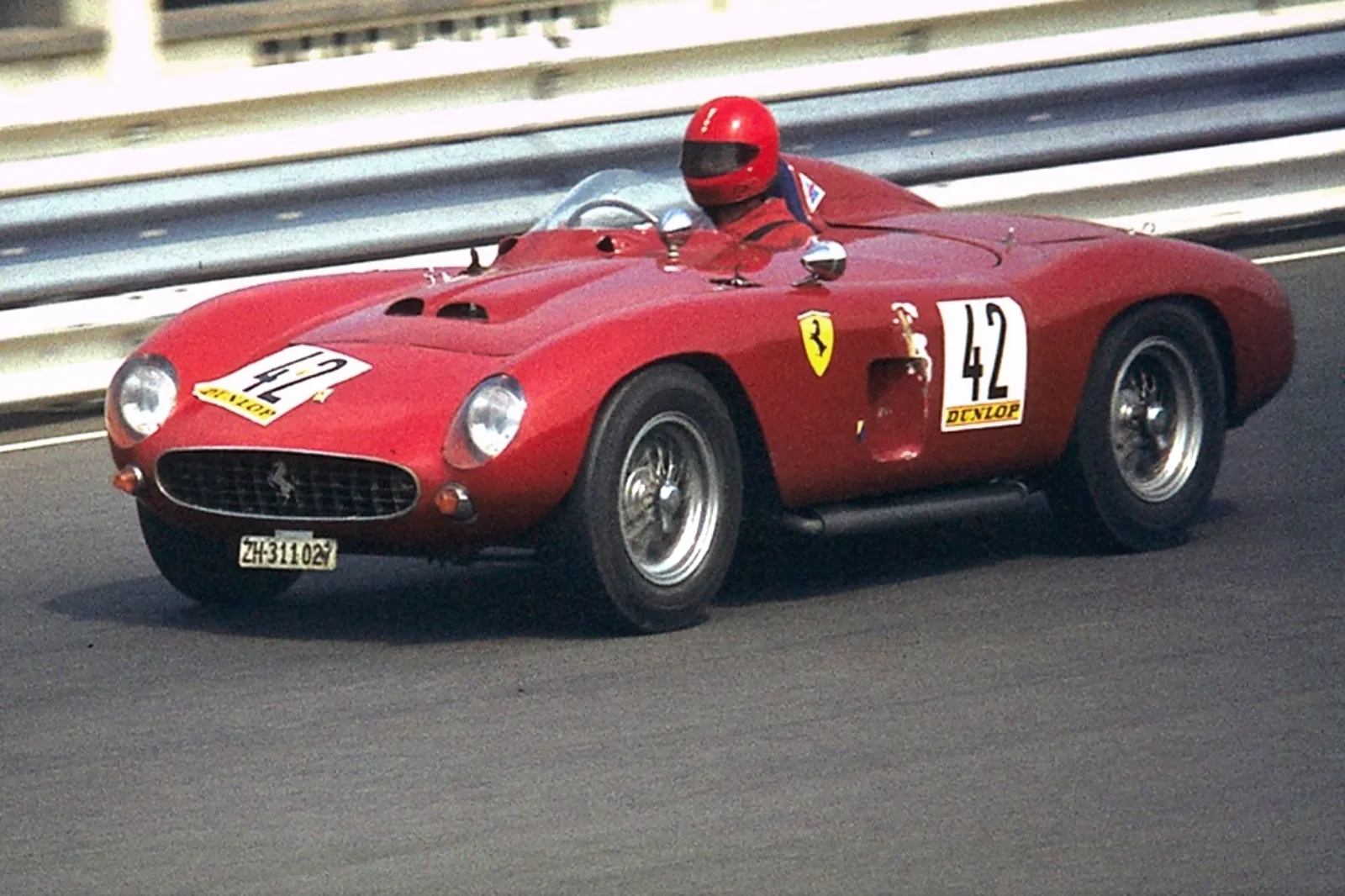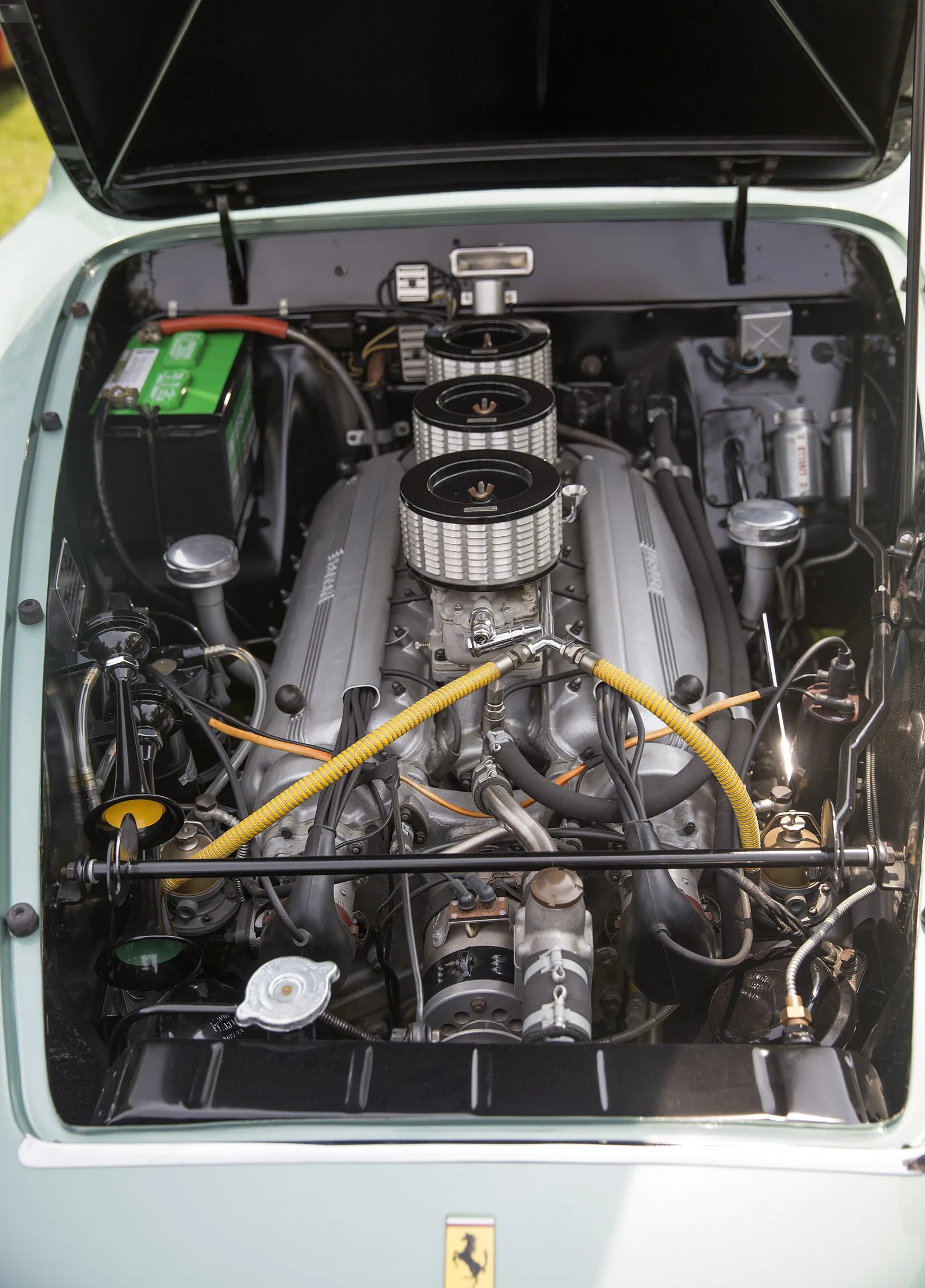
Aurelio Lampredi's aluminium racing engines, from the 275 F1 V12 and the 375 that beat Alfa Romeo at Silverstone to the inline-fours of the 1950s sports cars.
Aurelio Lampredi designed a family of racing engines for Ferrari in the 1950s. Its centrepiece was an all-aluminium 60 degree V12 built from 1950 to 1959, and inline-four and inline-six derivatives came from the same design. Those variants supported Ferrari's championship success.
Built from 1950 to 1959, the Ferrari Lampredi engine was a 60 degree V12 with an all-aluminium structure, and it had inline-four and inline-six racing derivatives. Aurelio Lampredi designed the family, and its variants underpinned Ferrari's championship success during that decade.
What was the Lampredi engine family?
This engine used a naturally aspirated layout with an all-aluminium block and heads in a 60 degree V12 arrangement, and inline-four and inline-six racing engines were built on the same design thinking. Lampredi was brought in to give Ferrari a different engine family from the small V12s designed by Gioacchino Colombo.
The Colombo V12 had been supercharged and had enjoyed little success in Formula One. Ferrari returned to natural aspiration with Lampredi's design, which became the basis for its championship-winning cars of the early 1950s.
Rule changes ended the era. From 1958 the sports car regulations required engines within 3 litres, so the fours and sixes were abandoned. The Dino V6 and V8 took their place, while the older Colombo V12 continued as Ferrari's principal V12.
Four racing families and one V12 that raced from Silverstone to Sebring in less than a decade.
How did the V12 family develop?
The first Lampredi V12 was a 3.3 litre unit of 3,322 cc with bore centres of 108 mm. It debuted as a test bed in the 275 S, where three Weber 40DCF carburettors gave 270 PS (199 kW; 266 hp), and it reached 300 PS (221 kW; 296 hp) in the 275 F1 with 42DCF Webers.
The 340 F1 raised the capacity to 4.1 litres (4,101 cc) and output to 335 PS (246 kW; 330 hp). Lampredi raised the capacity because the Alfetta 158 could not be matched, and the car raced only in non-championship events before Ferrari moved to larger engines.
The 375 F1 of 1950 was the most successful of the family. Its 4.5 litre engine of 4,493 cc produced 350 PS (257 kW; 345 hp), and it gave Ferrari a British Grand Prix win at Silverstone against Alfa Romeo.
For the 1952 Indianapolis 500 the bore was cut by 1 mm, which took the capacity below 4.4 litres. New Weber 40IF4C carburettors lifted the output to 380 PS (279 kW; 375 hp). Every Lampredi Formula One V12 used dry sump lubrication, and this was the only Ferrari V12 never upgraded to four camshafts.
The 375 MM sports car of 1953 grew to 4,522 cc and made 340 PS (250 kW; 335 hp). The 375 America was a detuned version of the same engine, while factory 375 MMs received units taken straight from Formula One at 4,493 cc.
The 375 Plus of 1954 reached 4,954 cc and helped Ferrari win at Le Mans and the Carrera Panamericana that year. Its output of 330 PS (243 kW; 325 hp) came at 6000 rpm. The 410 Superamerica of 1955 bored out to 88 mm for 4,962 cc, and the 410 S went up to 380 PS with four coils and twin plugs per cylinder in some cars.
How did the inline-four racing engines evolve?
The inline-four line began with the 500 F2 of 1951, a 2.0 litre unit of 1,984.86 cc with a 90 mm bore and 78 mm stroke. Its first outing was the Italian Grand Prix on 23 September 1951, which Alberto Ascari won.
Two Weber 45DOE carburettors gave the 500 F2 165 PS (121 kW; 163 hp) in 1951. By 1953 two 50DCO carburettors helped the same engine reach 185 PS (136 kW; 182 hp), and it was reused in the 500 Mondial and the 500 TR.
The 553 F2 of 1953 used another 2.0 litre four, measuring 1,997.12 cc with cylinders of 93 mm x 73.5 mm. Output was 180 PS (132 kW; 178 hp), with two Weber 50DCOA3 carburettors. The 500 TR took its name from the red head of its engine, the first Testa Rossa.
The 625 F1 was a 2.5 litre four of 2,498.32 cc, its cylinders 94 mm x 90 mm. Its output was 210 to 230 PS, and it was first tested at Bari on 2 September 1951, although it did not race at the start of the season.
The 553 F1 of 1954 bored and stroked that engine to 100 mm by 79.5 mm, giving 260 PS (191 kW; 256 hp) on two Weber 50DCOA/3 carburettors. The 555 F1 of 1955 kept the same specification.
The 625 TF of 1953 produced 220 PS (162 kW; 217 hp), and the 625 LM of 1956 kept that output with different Weber carburettors. The LM finished third at Le Mans.
A larger 2.9 litre four, the 735 S of 1953, produced 225 PS (165 kW; 222 hp) on two Weber carburettors. The 750 Monza of 1954 used a 3.0 litre version, and the 857 S of 1955 had a 3.4 litre engine that finished third overall at the Targa Florio. The 860 Monza followed in 1956 and took first and second at Sebring.
Were there Lampredi inline-sixes?
Lampredi also designed inline-sixes, starting with the 306 S prototype of 1954. The 306 S never raced, but the 376 S and 735 LM did reach the track. Its Tipo 114 measured 2,977.28 cc with the same internal dimensions as the 500 Mondial engine, but the 306 S sports car never raced.
The 376 S of 1955 was converted from the 306 S chassis and used a 3.7 litre Tipo 118 of 3,747.48 cc. Its 94 mm bore and 90 mm stroke matched the 625 F1 four, and it made 280 PS (206 kW; 276 hp) and peaked at 6200 rpm with three carburettors.
The 735 LM of 1955 displaced 4,412.49 cc and was built for the Le Mans race. Its triple Weber carburettors peaked at 5800 rpm with 330 PS (243 kW; 325 hp), and on the Mulsanne Straight the car could reach 282 km/h (175 mph).
Was there a Lampredi inline-two?
Enzo Ferrari and Lampredi considered an inline-two in 1955 for the slowest and twistiest courses. The prototype tipo 116, built under the 252 F1 code name, had 2,493 cc, four valves per cylinder and an unusual 118 mm by 114 mm bore and stroke.
On the test bench it reached 4800 rpm and 175 PS (129 kW; 173 hp), but it broke its crankshaft because of poor balance. The project was abandoned in favour of the more conventional fours.
What were the main Lampredi specifications?
| Engine | Configuration | Capacity | Output |
|---|---|---|---|
| 275 S | V12, 3.3 L | 3,322 cc | 270 PS (199 kW; 266 hp), three Weber carburettors |
| 340 F1 | V12, 4.1 L | 4,101 cc | 335 PS (246 kW; 330 hp) |
| 375 F1 | V12, 4.5 L | 4,493 cc | 350 PS (257 kW; 345 hp) |
| 375 Indianapolis | V12, 1952 | 4,382 cc | 380 PS (279 kW; 375 hp) |
| 250 Europa | V12, 3.0 L | 2,963 cc | Peak 6300 rpm, 200 PS (147 kW; 197 hp) |
| 410 S | V12, largest of the family | 4,962 cc | Up to 380 PS (279 kW; 375 hp) |
| 500 F2 | Four, 2.0 L | 1,984.86 cc | 165 PS (121 kW; 163 hp) |
| 625 F1 | Four, 2.5 L | 2,498.32 cc | 210 to 230 PS (154 to 169 kW) |
| 750 Monza | Four, 3.0 L | 2,999.62 cc | 260 PS (191 kW; 256 hp) |
| 735 LM | Six, 4.4 L | 4,412.49 cc | Peak 5800 rpm, 330 PS (243 kW; 325 hp) |