From the crash-prone glass of early motoring to bonded laminated panels that add rigidity, shield occupants and can be repaired from a single stone chip.
A windshield is the laminated front window of a vehicle, made of two curved glass sheets with a plastic interlayer. It shields occupants from wind and debris, adds rigidity when bonded and can be repaired if the damage is small enough.
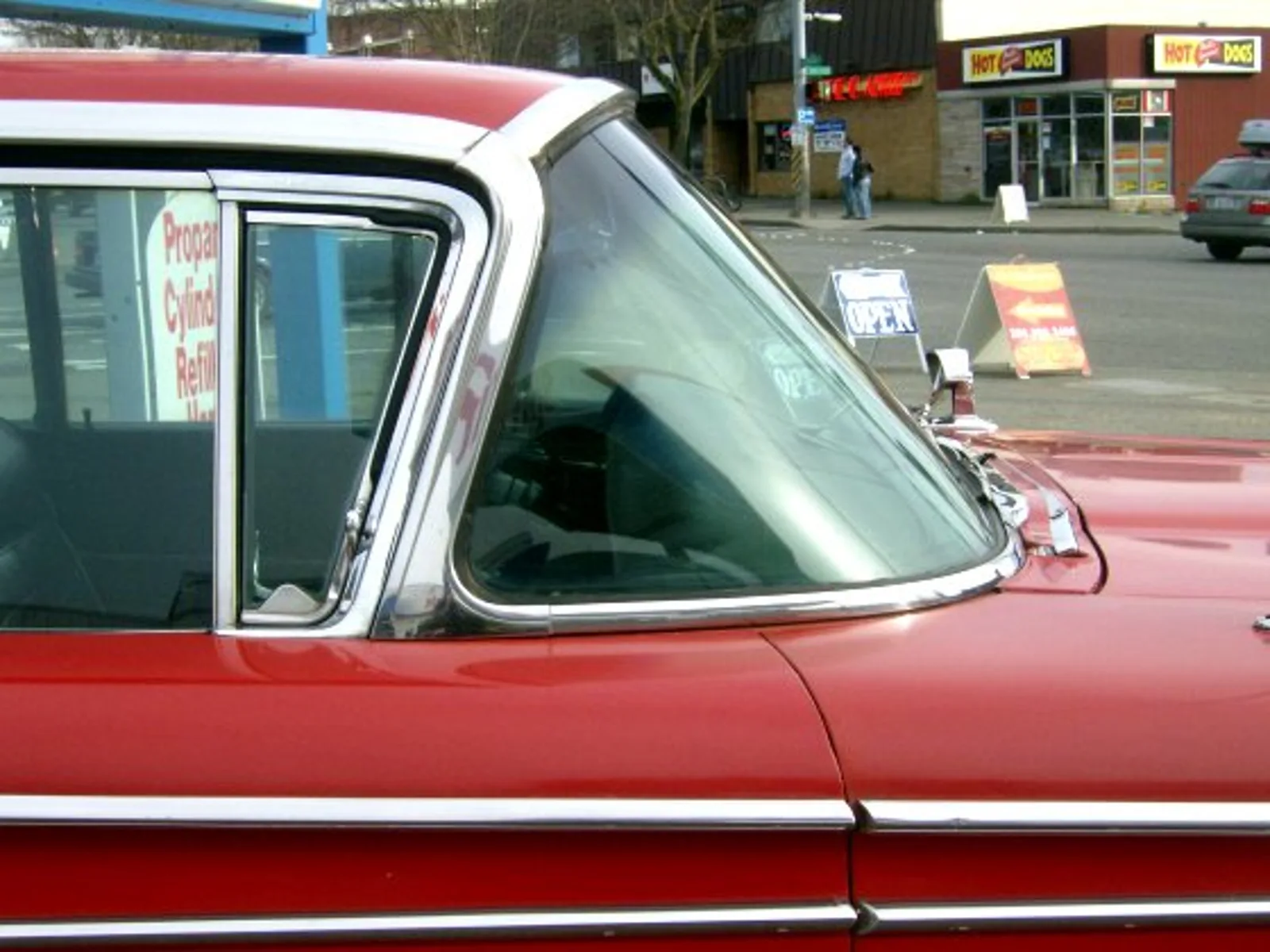
A windshield, called a windscreen in Britain and Australasia, is the front window of a car, aircraft, bus, motorbike, truck, train or boat. Modern windshields are laminated safety glass, meaning two curved sheets of glass sandwich a plastic layer that holds the pieces together if the glass breaks. The panel is bonded into the frame, where it protects occupants from wind, debris and the weather.
What does a windshield do on a vehicle?
A windshield shields occupants from wind and flying debris such as dust, insects and rocks, while giving the driver an aerodynamically shaped window ahead. Many cars also carry a UV coating, although it is often unnecessary. Most of the UV-B is absorbed by the glass itself, and the plastic layer absorbs whatever remains along with most of the UV-A.
Motorcycle screens do a different job. On touring bikes the screen mainly shields the rider from wind, though never as completely as a car window does. On sports and racing motorcycles the screen mainly reduces drag once the rider tucks in, and it offers little protection to a rider sitting upright.
A laminated sandwich of glass and plastic that protects occupants, adds rigidity to the car and can be repaired from a single chip.
Why did early windshields cause serious injuries?
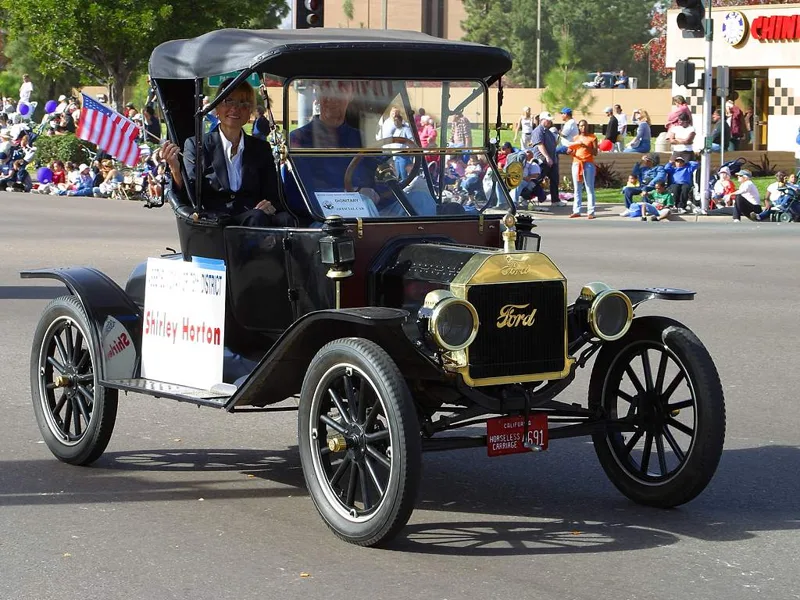
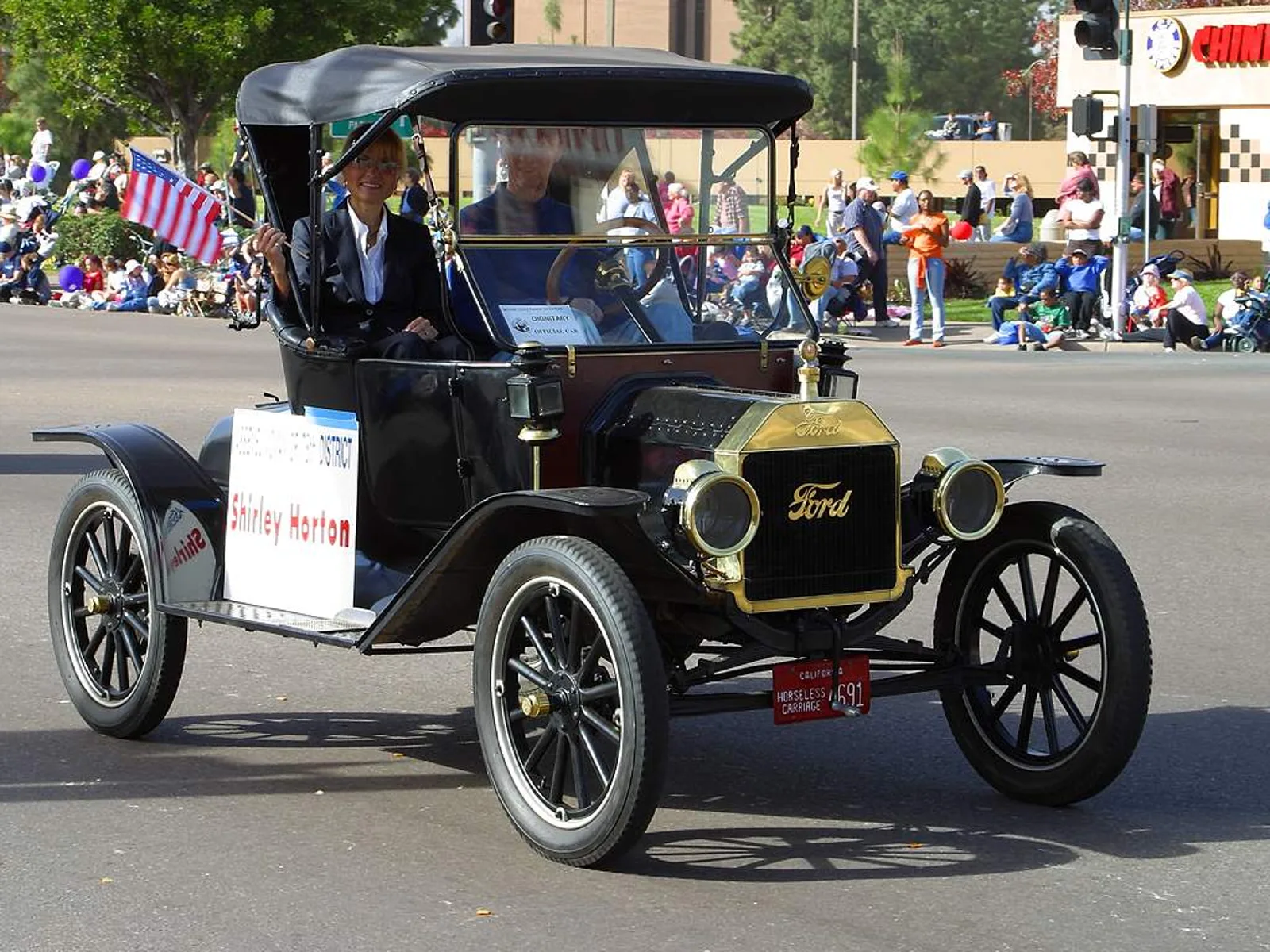
Early windshields were made of ordinary window glass, which shattered into sharp fragments in a crash and caused serious cuts. A series of accidents pushed the industry toward stronger designs. The 1917 case Pane v. Ford is a well-known example, and the court found against the injured driver because his injuries came from his own reckless driving.
The next step was toughened glass, fitted in the frame with a rubber or neoprene seal. When toughened glass broke, it crumbled into many mostly harmless fragments. The problem was that a simple stone chip could shatter it, which left drivers with a window that was hard to see through.
What is laminated safety glass and when did it appear?
Laminated safety glass bonds a plastic layer between two sheets of glass, so a broken pane stays in one piece and holds its shape. The plastic interlayer is usually polyvinyl butyral, known as PVB. Triplex laminated glass reached French windshields in 1911 and British ones in 1912. Some high-end American manufacturers adopted it as an accessory from 1913.
Henry Ford went further, ordering laminated glass on all of his vehicles between 1919 and 1929. Almost every nation now requires windshields to stay in one piece when broken, except where a strong force pierces them. Because the glued-in panel adds rigidity to the body, its role extends beyond visibility into structural safety.
How is a windshield bonded in place?
A modern windshield is glued into the frame with urethane sealant, and that adhesive is the critical link in the bond. Ultraviolet light would degrade the sealant, so a dark ceramic coating called a frit runs around the glass edge. The coating fades into the clear glass through a halftone dot pattern, which reduces thermal stress during manufacture. The same coating often surrounds the rear-view mirror mount to protect its adhesive.
Replacement usually takes less than an hour, but the adhesive must cure before the car is safe to drive. The safe drive away time, sometimes called the minimum drive away time, is set by US Federal Motor Vehicle Safety Standards 212 and 208 so the bond can withstand a crash. Those times concern safety rather than long-term warranty performance, so drivers should not leave early. Quick-cure adhesives have made mobile replacement common, but the ideal curing environment is 21 C (70 F) and 50 percent humidity, and field conditions rarely match that.
Airbags add another load. Airbags can deploy at high speed, and an occupant can strike the bag only 50 ms after deployment. Forces on the windshield rise accordingly, and belted occupants apply lower forces than unbelted ones, which is why adhesive suppliers quote their security levels against both cases.
Can a cracked windshield be repaired?
A windshield can often be repaired, but the answer depends on four factors: the size, type, depth and location of the damage. The US National Windshield Repair Association says many kinds of stone damage can be fixed. Repairs are generally possible for cracks up to 6.1 cm (2.4 inches) long, although local laws can set tighter limits.
| Factor | Usually repairable | Usually needs replacement |
|---|---|---|
| Size | Cracks up to 6.1 cm (2.4 inches) | Longer cracks, especially those reaching the edge |
| Type | Bullseyes, linear cracks, crack chips, dings and pits | Complex multiple cracks |
| Depth | Damage confined to the outer layer | Deep damage through both layers of glass |
| Location | Outside the driver's line of sight | Inside the glass, over a rain sensor or radio antenna |
Repair works by removing air from the damage with a vacuum injection pump, then injecting a clear adhesive resin and curing it with ultraviolet light. When done properly, the damaged area's strength returns along with 90 to 95 percent of its clarity. Cracks reaching the panel edge compromise structural integrity, and very long cracks over 45 to 60 cm (18 to 24 inches) are beyond repair.
How do heated and coated windshields work?
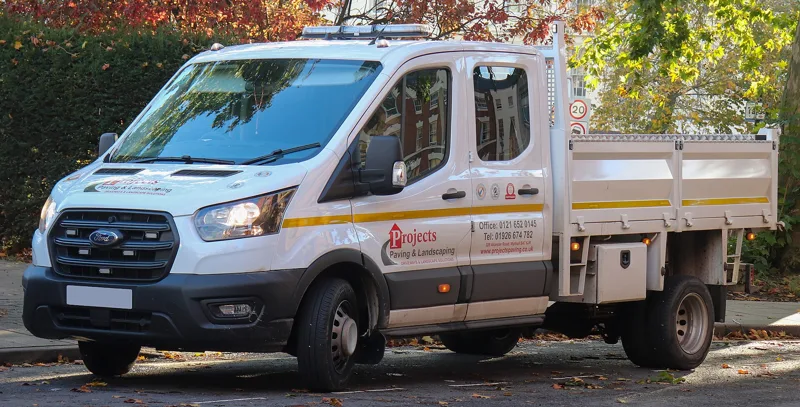
Aircraft windshields use a conductive layer of tin(IV) oxide, which heats the glass to prevent icing when current passes through it. Ford introduced a similar system for cars in the 1980s, called Quickclear in Europe and InstaClear in North America, which used a conductive metallic coating on the inside of the outer glass. Other manufacturers laid a grid of micro-thin wires instead, particularly on later European Ford Transit vans, and European makers such as Jaguar and Porsche have also used heated glass.
Heated glass causes side effects. The embedded metal can block satellite navigation signals, and the radio signal tends to flow along the metal rather than through the glass. An external antenna solves this. Mobile phones can also struggle, because thermal glass lets only about 0.001 of the signal pass, whereas a concrete wall with rebars lets up to 0.100 through.
Some rain solutions have been tried. The Acura TL concept used jets of pressurised air in the cowl to clear the glass instead of wipers, and several glass makers have tested nano coatings, though none has reached commercial use. Sports and racing cars sometimes carry aero screens instead, which are small windshields usually less than 20 cm (8 inches) high that only deflect wind.
How are windshields certified and recycled?
Certification ensures a windshield meets its legal safety requirements. Standards include US DOT, EU ECE, Chinese CCC, South African SABS and Indian BIS. In most European countries the End of Life Vehicles Directive now prohibits landfill of laminated glass.
Recycling is possible because PVB melts at a lower temperature than glass. One proposal by researchers at Surrey University and Pilkington Glass fragments waste laminated glass in a rolling mill, removes the larger cullet from the film, and then heats the plastic so that both the glass and the interlayer can be reused. Heating a simple automotive windshield above the PVB melting point can also separate its glass plies, though that approach does not suit silicone interlayers.