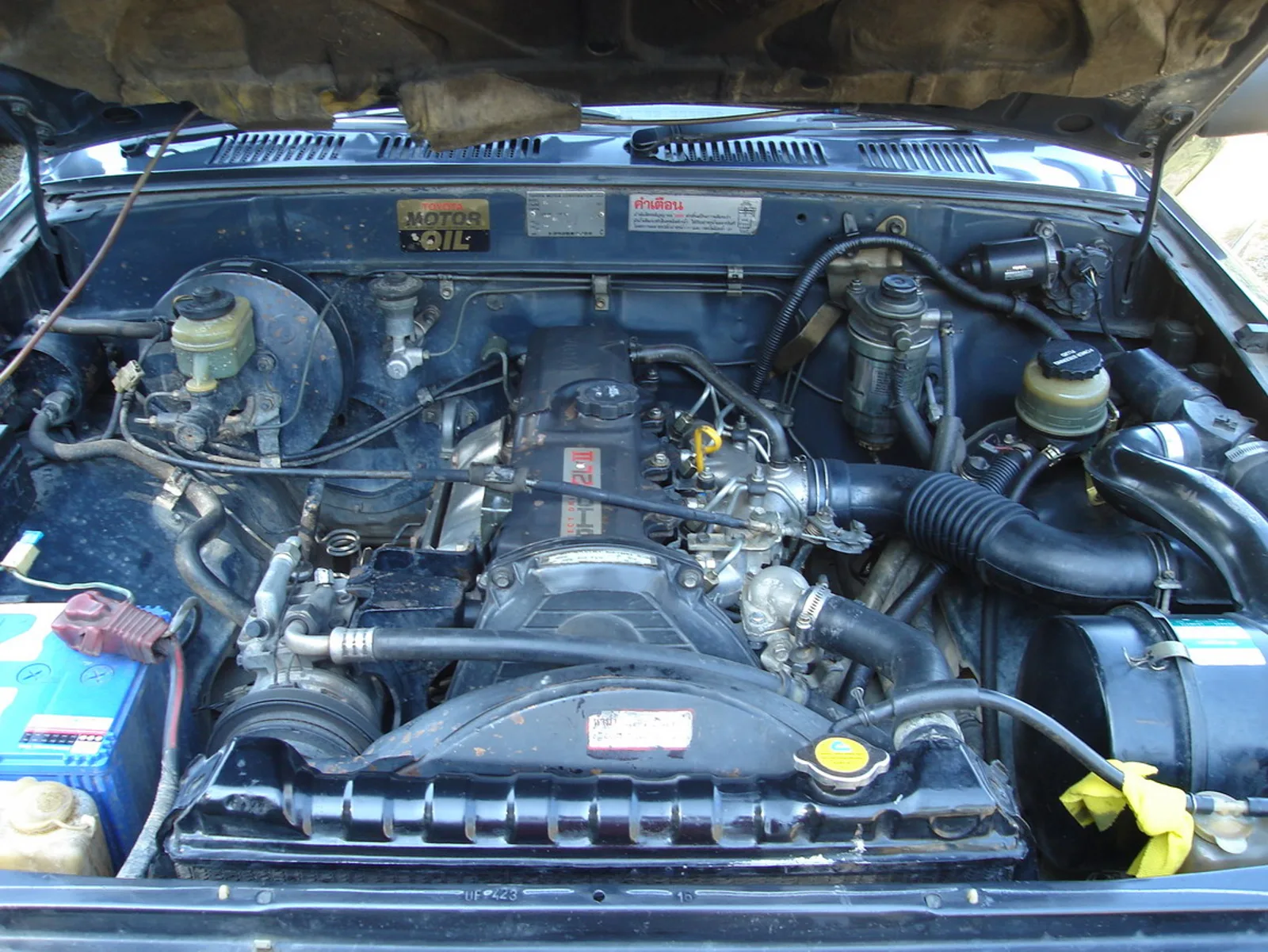
Inline four-cylinder diesels from 1977 that grew from a 2.2-litre original to turbocharged 2.4-litre units and a fuel-injected 3.0-litre.
The Toyota L family was a series of inline four-cylinder diesel engines that first appeared in October 1977. Its variants ranged from the 2.2-litre original to the 3.0-litre 5L-E, and the 2L-II and 2L-T remain in production.
Toyota's L family was a line of inline four-cylinder diesel engines with a long working life, and several of its variants are still made. The range ran from a 2.2-litre original through turbocharged 2.4-litre units and a 2.8-litre 3L to the fuel-injected 3.0-litre 5L-E. Each step tracked changes in turbocharging, injection and valve design.
When did the Toyota L engine first appear?
The L family first appeared in October 1977. It was the first Toyota diesel to pair a rubber timing belt with a single overhead camshaft head, and some variants remain in production to this day, which gives the line a long working life.
Vehicles with these diesel engines were sold only through Toyota Diesel Store dealerships in Japan. That sales channel was disbanded in 1988, which ended diesel sales through that network.
Toyota refers to the first engine simply as the L engine, without a number prefix. Later variants carried the codes 2L, 3L and 5L, with suffixes for turbocharging, injection and upgrades.
A diesel family that started as a single 2.2-litre and kept evolving through turbos, injection and new valve trains.
What did the original 2.2-litre L engine produce?
The original L displaced 2.2 litres (2,188 cc) and had four cylinders. It had a 90 mm x 86 mm bore and stroke and a compression ratio of around 21.5:1. On the gross JIS basis the output was 72 PS (53 kW; 71 hp) at 4,200 rpm. Torque was 142 Nm (105 lb ft) at 2,400 rpm.
The bore and stroke measure 3.54 in x 3.39 in. Early applications covered a range of Toyota commercial and passenger vehicles, from saloons to vans and trucks.
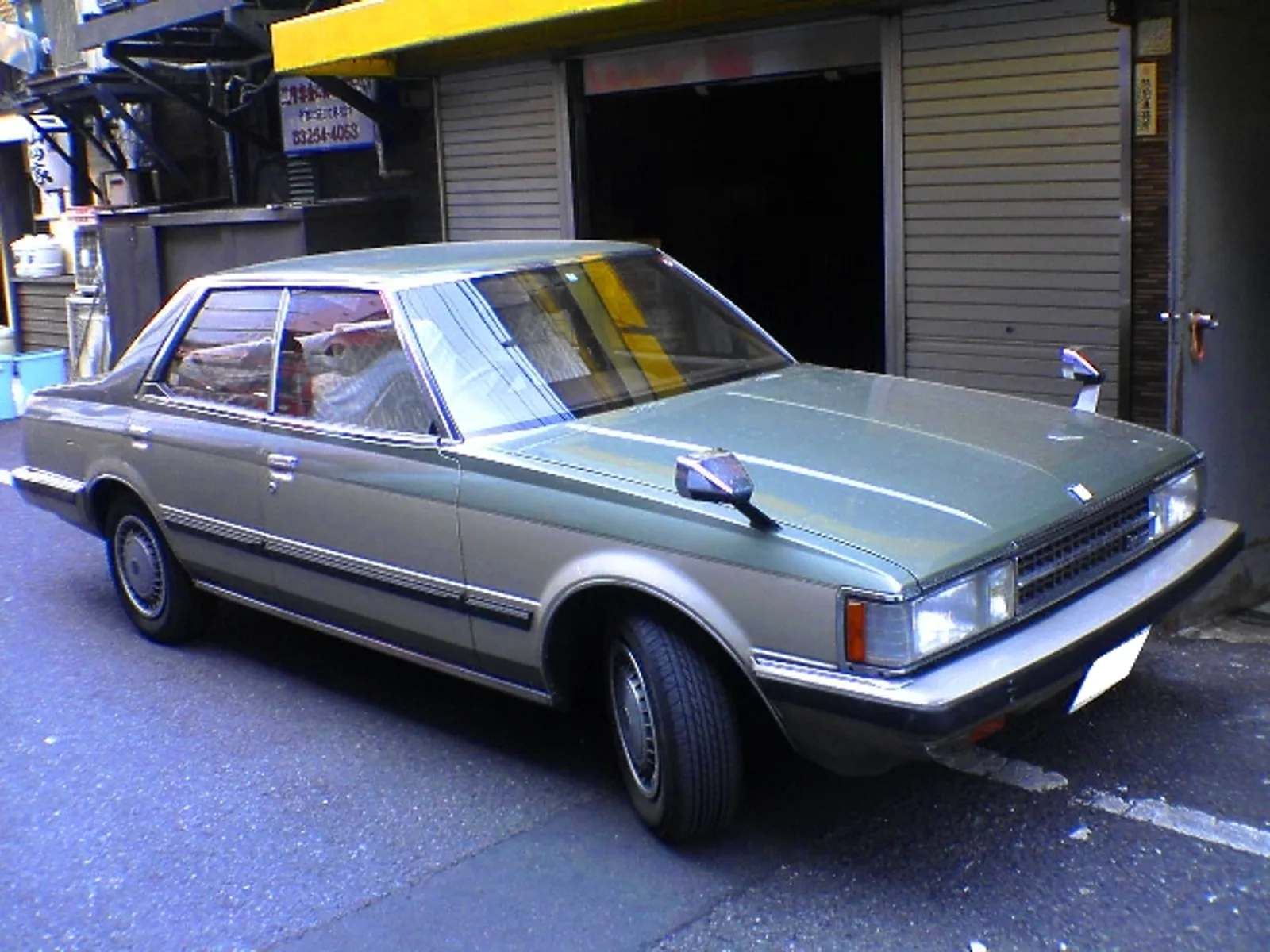
- Sixth-generation Crown saloon, hardtop, wagon and van with manual gearbox
- Second-generation HiAce truck, van and wagon, plus the first-generation Quick Delivery
- Fourth-generation Toyoace
- Third-generation HiAce van and wagon
- Third- and fourth-generation Hilux
- First-generation Blizzard
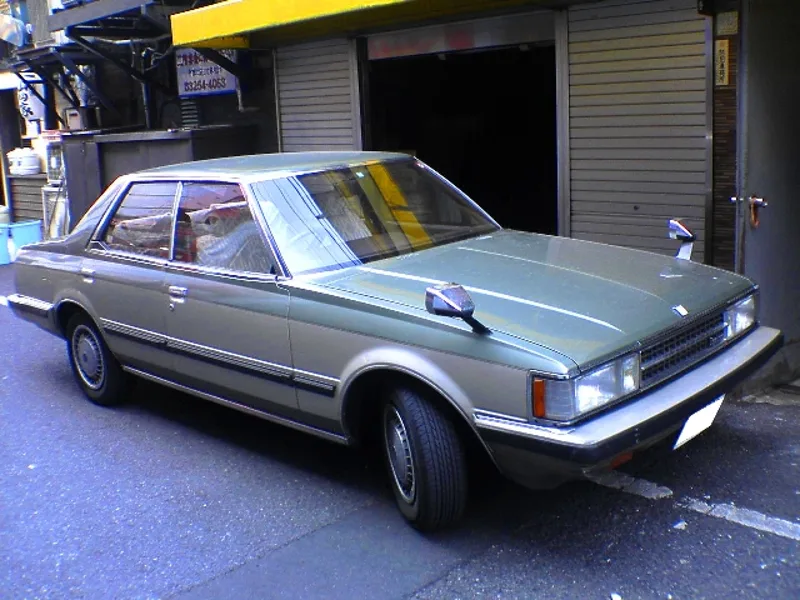
- 1979-1980 Mark II
- 1980-1984 Mark II saloon, Cressida, Chaser and Cresta
How did the 2L differ from the original L?
The 2L grew to 2.4 litres (2,446 cc) and kept four cylinders. Bore and stroke are both 92 mm, with a compression ratio of around 22.3:1 and a redline of 4,800 rpm. Power ran from 76 to 87 PS (56 to 64 kW; 75 to 86 hp).
Torque ran from 155 to 165 Nm (114 to 122 lb ft). On the JIS gross basis, a typical rating was 83 PS (61 kW; 82 hp) at 4,200 rpm. Torque of 167 Nm (123 lb ft) came in at 2,400 rpm.
The 2L went into a broad mix of models. Toyoace, Dyna 100 and Dyna 150 trucks from 1985 to 1988 used it, as did the 1984 to 1990 second-generation Blizzard.
- Seventh-generation Crown saloon and van with manual gearbox
- Third-generation HiAce
- Fourth-generation Hilux, and the first-generation Hilux Surf and 4Runner
- 1985-1988 Toyoace, Dyna 100 and Dyna 150, plus the third-generation HiAce truck
- 1984-1990 second-generation Blizzard
- Eighth-generation Crown saloon
What was new in the 2L-II?
The 2L-II was introduced in 1988 alongside the 3L, in the fifth-generation Hilux. It kept the same bore and stroke but changed the valve train and the block. The camshaft now lifts each valve directly through a tappet rather than through a rocker arm, and valve clearance is set with shims.
Toyota stiffened the block using finite element analysis and extra reinforcement ribbing. The cylinder head was redesigned, the exhaust valve grew by 1 mm and the inlet manifold was also enlarged.
The pistons had a compression height 5 mm shorter and were 100 g lighter than those of the first 2L. Their rings sat closer to the combustion chamber, and fibre-reinforced piston grooves borrowed from the 2L-TE improved resistance to ring seizure and wear. The compression ratio changed to 22.2:1, and the oil squirters were moved to cool the hottest part of the piston.
The 3L and 5L later used the same shim-based valve operation. Output for the 2L-II in its Net JIS form was 85 PS (63 kW; 84 hp) at 4,200 rpm.
How did the 2L-T turbo work?
The 2L-T adds a turbocharger to the 2.4-litre 2L and runs a compression ratio of 20:1. Gross output sits in a range from 63 to 67 kW (84 to 90 hp) at 4,000 rpm, while torque reaches 188 Nm (139 lb ft) at 2,200 rpm.
A dual mass flywheel arrived in 1985, and pilot fuel injection followed in 1988. Both changes came in the years after the turbo first arrived.
Applications included the first-generation Hilux Surf and 4Runner, the Land Cruiser 70 Series in light-duty form and the 1999 to 2006 ARO 24 Series. A 1984 to 1985 Toyota Pickup also used it. In the United States one rating was 94 PS (69 kW; 93 hp), with 216 Nm (159 lb ft).
What was the 2L-T(II) upgrade?
The 2L-T(II) kept the 2L dimensions and used the same direct tappet valve lift as the 2L-II, with shims for clearance. Compression varied with fitment, from 20.0:1 to 22.2:1, and output was 94 PS (69 kW; 93 hp) at 4,000 rpm.
Torque reached 22 kg m (216 Nm; 159 lb ft) at 2,400 rpm. In the UK, the 1997 to 2000 version produced 91 PS (67 kW; 90 hp) at 3,500 rpm, and torque reached 227 Nm (167 lb ft).
- 1989-1990 fourth-generation HiAce and second-generation Hilux Surf
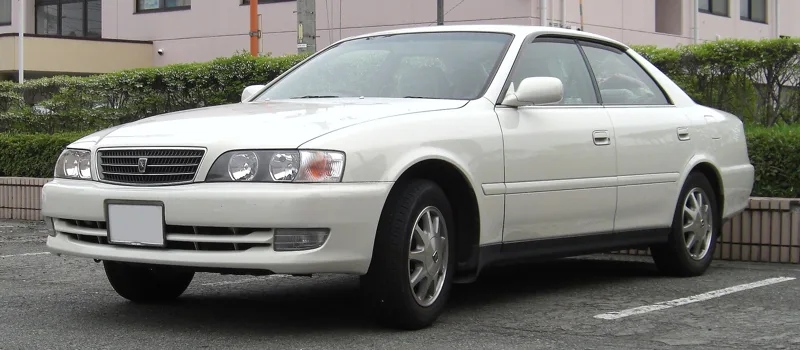
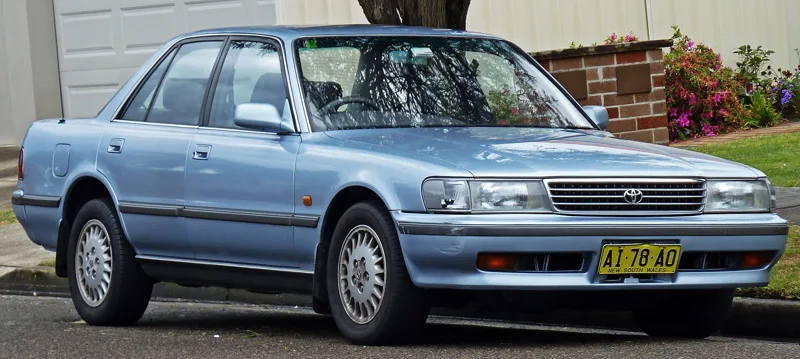
- Mark II, Chaser and Cresta
- Sixth-generation Hilux
- 2000-2006 Metrocab TTT
How did the 2L-TE use electronic injection?
The 2L-TE was developed as a new version of the 2L-T in 1982. It used an electronically controlled injection pump, which Toyota called EFI, and it metered fuel through a Spill Control Valve on the head of the injection pump.
Electronic injection had long been used in petrol engines, but the 2L-TE was among the first diesels to adopt it. Its sensors resemble those of a petrol engine, although the controller drives the spill valve rather than an injector.
The 2L-TE was a turbocharged SOHC design with eight valves and bore and stroke of 92 mm x 92 mm. Its compression ratio was 20.0:1 and its redline 4,800 rpm. Because of the EFI system it produced significantly more torque than the 2L-T, reaching 96 PS (71 kW; 95 hp) at 4,000 rpm, while torque hit 191 Nm (141 lb ft) at 2,400 rpm.
The piston ring grooves used an alumina-silica ceramic fibre reinforced material in place of the usual cast-iron insert. That makes it one of the earliest applications of metal matrix composites in an engine.
The KZ engine largely replaced the 2L-TE in 1993, although the older unit continued in some models until 2000.
What was the 2L-TE(II) upgrade?
The 2L-TE(II) followed the same route as the 2L-II, with the camshaft lifting each valve through a tappet and shims setting the clearance. Compression rose to 21.0:1, and maximum output was 97 PS (71 kW; 96 hp) at 3,800 rpm.
Torque ranged from 221 to 240 Nm (163 to 177 lb ft) at 2,400 rpm. Earlier heads could crack under high temperatures, because a cooling chamber between the intake and exhaust valves allowed steam to build up. The fault was fixed in later heads.
Applications included 1993 to 1995 ninth-generation Crown saloon and wagon models, the Crown Hardtop, the Comfort and the Mark II, Chaser and Cresta. The sixth-generation Hilux, the second-generation Hilux Surf and the first-generation Land Cruiser Prado also used it, as did the 1990 to 1993 fourth-generation HiAce.
How did the 2L-THE differ?
The 2L-THE, introduced in 1984, was a high-pressure turbocharged version of the 2L-TE with ceramic pre-combustion chambers. Compression rose to 21:1, and the output reached 94 to 105 PS (69 to 77 kW; 93 to 104 hp) at 4,000 rpm.
Fuel was delivered by a high-pressure system, and the engine used both a turbocharger and EFI. Ignition feedback control was added in 1985. Torque spanned 201 to 221 Nm (148 to 163 lb ft).
Japan's gross figure for it was 105 PS (77 kW; 104 hp) at 4,000 rpm, with torque of 211 Nm (156 lb ft). The 1984 to 1985 seventh-generation Crown and the eighth-generation Crown with automatic transmission were among its applications.
What did the 2L-THE(II) change?
The 2L-THE(II) has the same dimensions and keeps the 2L-THE name. The main change is the direct tappet valve lift, and valve clearance is adjusted with shims. It produced 100 PS (74 kW; 99 hp) at 3,800 rpm, and 221 Nm (163 lb ft) of torque came at 2,400 rpm.
It was fitted to ninth-generation Crown models in the 1991 to 1993 period.
What were the 3L and 5L engines?
The 3L displaced 2.8 litres (2,779 cc) with a 22.2:1 compression ratio. Both bore and stroke measure 96 mm. The 5L was a 3.0-litre (2,985 cc) four-cylinder with 99.5 mm x 96 mm dimensions and the same compression figure.
The 3L arrived in 1988 alongside the 2L-II. In the Land Cruiser Prado it made 91 PS (67 kW; 90 hp) at 4,000 rpm, and its torque was 188 Nm (139 lb ft). Its other applications included the second-generation Hilux Surf and 4Runner and the fourth-generation HiAce.
The 5L kept the shim-adjusted valve train. Its applications included the Crown Comfort, the 1999 to 2001 second-generation Quick Delivery and the 2001 to 2004 third-generation Urban Transporter. On a Net JIS basis the 5L produced 67 kW (90 hp), and 191 Nm (141 lb ft) of torque.
How did the 5L-E become the last L engine?
The 5L-E is an EFI version of the 5L and the latest member of the L family. It keeps the 99.5 mm x 96 mm bore and stroke and the 22.2:1 compression, but power varies by fitment. In the Hilux it made 78 kW (106 PS; 105 hp) gross at 4,200 rpm.
Torque in the Hilux application was 197 Nm (145 lb ft) gross at 2,200 rpm. The engine number sits on the top face of the block at the front.
As of August 2020, the 5L-E was still fitted to the fifth-generation HiAce, the eighth-generation Hilux, the second-generation Fortuner and the fourth-generation Land Cruiser Prado. Its other applications included the sixth-generation Hilux and the third-generation Land Cruiser Prado.
Toyota L engines at a glance
| Variant | Displacement | Bore x stroke | Compression | Headline output |
|---|---|---|---|---|
| L | 2.2 L (2,188 cc) | 90 mm x 86 mm | around 21.5:1 | 72 PS (53 kW; 71 hp) at 4,200 rpm |
| 2L | 2.4 L (2,446 cc) | 92 mm x 92 mm | around 22.3:1 | 76 to 87 PS (56 to 64 kW; 75 to 86 hp) |
| 2L-II | 2.4 L (2,446 cc) | 92 mm x 92 mm | 22.2:1 | 85 PS (63 kW; 84 hp) at 4,200 rpm |
| 2L-T | 2.4 L (2,446 cc) | 92 mm x 92 mm | 20:1 | 85 to 91 PS (63 to 67 kW; 84 to 90 hp) gross |
| 2L-T(II) | 2.4 L (2,446 cc) | 92 mm x 92 mm | 20.0 to 22.2:1 | 94 PS (69 kW; 93 hp) at 4,000 rpm |
| 2L-TE | 2.4 L (2,446 cc) | 92 mm x 92 mm | 20.0:1 | 96 PS (71 kW; 95 hp) at 4,000 rpm |
| 2L-TE(II) | 2.4 L (2,446 cc) | 92 mm x 92 mm | 21.0:1 | 97 PS (71 kW; 96 hp) at 3,800 rpm |
| 2L-THE | 2.4 L (2,446 cc) | 92 mm x 92 mm | 21:1 | 94 to 105 PS (69 to 77 kW; 93 to 104 hp) at 4,000 rpm |
| 2L-THE(II) | 2.4 L (2,446 cc) | Same as 2L-THE | - | 100 PS (74 kW; 99 hp) at 3,800 rpm |
| 3L | 2.8 L (2,779 cc) | 96 mm x 96 mm | 22.2:1 | 91 PS (67 kW; 90 hp) at 4,000 rpm |
| 5L | 3.0 L (2,985 cc) | 99.5 mm x 96 mm | 22.2:1 | 91 PS (67 kW; 90 hp) at 4,000 rpm |
| 5L-E | 3.0 L (2,985 cc) | 99.5 mm x 96 mm | 22.2:1 | 98 PS (72 kW; 97 hp) at 4,200 rpm |
Which L engines are still in production?
Some L variants remain in production today. The 2L-II and 2L-T are among those still made, and the 5L-E was still in use in several models as of August 2020. Those models spanned Toyota's HiAce, Hilux, Fortuner and Land Cruiser Prado ranges.
Many variants were described as upgrades of an earlier engine rather than entirely new designs, which is why the family's changes can be followed one step at a time.