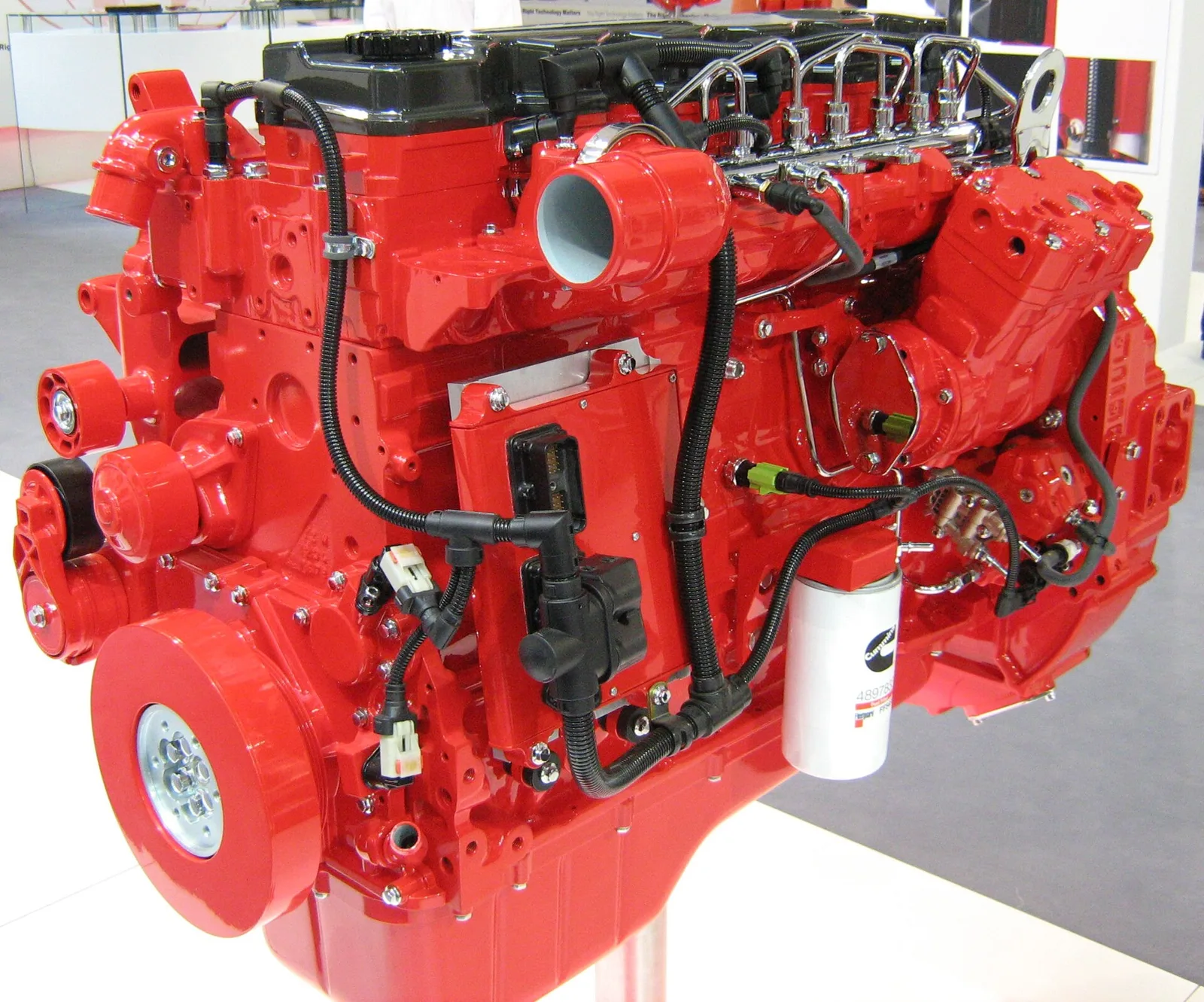
A diesel family that started as an agricultural engine in 1984 and runs through school buses, Dodge pickups and the new B7.2.
The Cummins B Series is a family of diesel engines made by the American manufacturer Cummins since 1984. It spans inline-four and inline-six engines for light-duty and medium-duty use, and it is best known for school buses, UK public service buses and Dodge Ram pickups.
Few diesel families have covered as much ground as the Cummins B Series, which has powered farm machinery, step vans, school buses and pickups since 1984.
Where did the Cummins B Series come from?
Launched by Cummins in 1984, the B-Series spans three generations of inline-four and inline-six engines, built in several displacements. It serves on- and off-highway work as well as light- and medium-duty trucks, with a strong reputation in school buses and Dodge pickups.
Three generations have been produced, in several displacements. The engines were first built in Rocky Mount, North Carolina, and later plants were added in Mexico, Brazil, Turkey and Darlington in the UK.
The public service buses in the UK include the Dennis Dart and the Alexander Dennis Enviro400, while Cummins B engines have also been widely used in off-highway equipment and in on-highway light trucks.
A diesel family built on direct injection and no glow plugs, which moved from farm engines to the Dodge Ram and the school bus.
What set the B-Series design apart?
The B-Series bores its cylinders directly into the block instead of using wet liners, and it uses a shallow one-piece head with closer tolerances. It also used direct injection, so it needed no glow plugs for cold starting.
A gear-drive camshaft adds reliability, and a deep-skirt block and extra-strong connecting rods add durability. A Holset turbocharger was used on many versions. Cummins upgraded the original B Series with 24 valves and electronic engine management, creating the ISB in 1998.
The 3.9 L 4B, 4BT and 4BTA
The 3.9-liter 4B, 4BT and 4BTA sit in the B family beside the 5.9-liter 6B, 6BT and 6BTA. The 3.9 is an inline four, either naturally aspirated or turbodiesel, and it was popular in step vans, bread vans and agricultural equipment. It has also become a common engine swap into smaller trucks and SUVs.
The 4B is the lowest-powered, naturally aspirated 3.9 L, producing 53 hp (40 kW). It is most often found in generators and wood chippers. The 4BT is turbocharged with two valves per cylinder, eight in total, and its most common output is 105 horsepower. The aftercooled 4BTA has four valves per cylinder and commonly makes 170 hp (127 kW).
Why was the 5.9 L 12-valve so important?
The 5.9 L, known as the 12-valve Cummins, was the first B-Series engine used in a light truck. It started in 1984 as an agricultural engine for Case equipment, and after 1989 the 6BT went into light-duty, medium-duty and some heavy-duty trucks and buses.
Early 6BT engines used Bosch fuel systems, with VE rotary and P7100 inline injection pumps. Some early examples had CAV rotary pumps, until the Bosch system became the sole standard. The 6B, the naturally aspirated version, made 115 hp (86 kW) at 2,500 rpm and 270 lb ft (366 Nm) of torque at 1,200 rpm, with a compression ratio of 19:1. It had no OEM automotive applications.
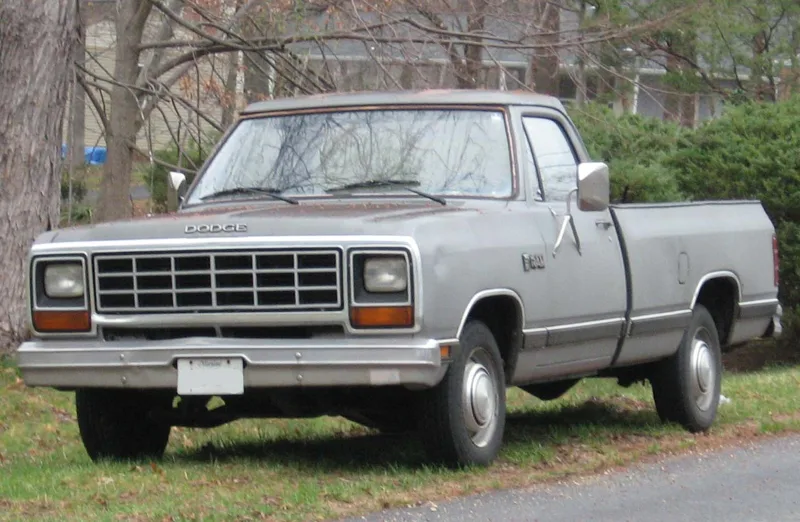
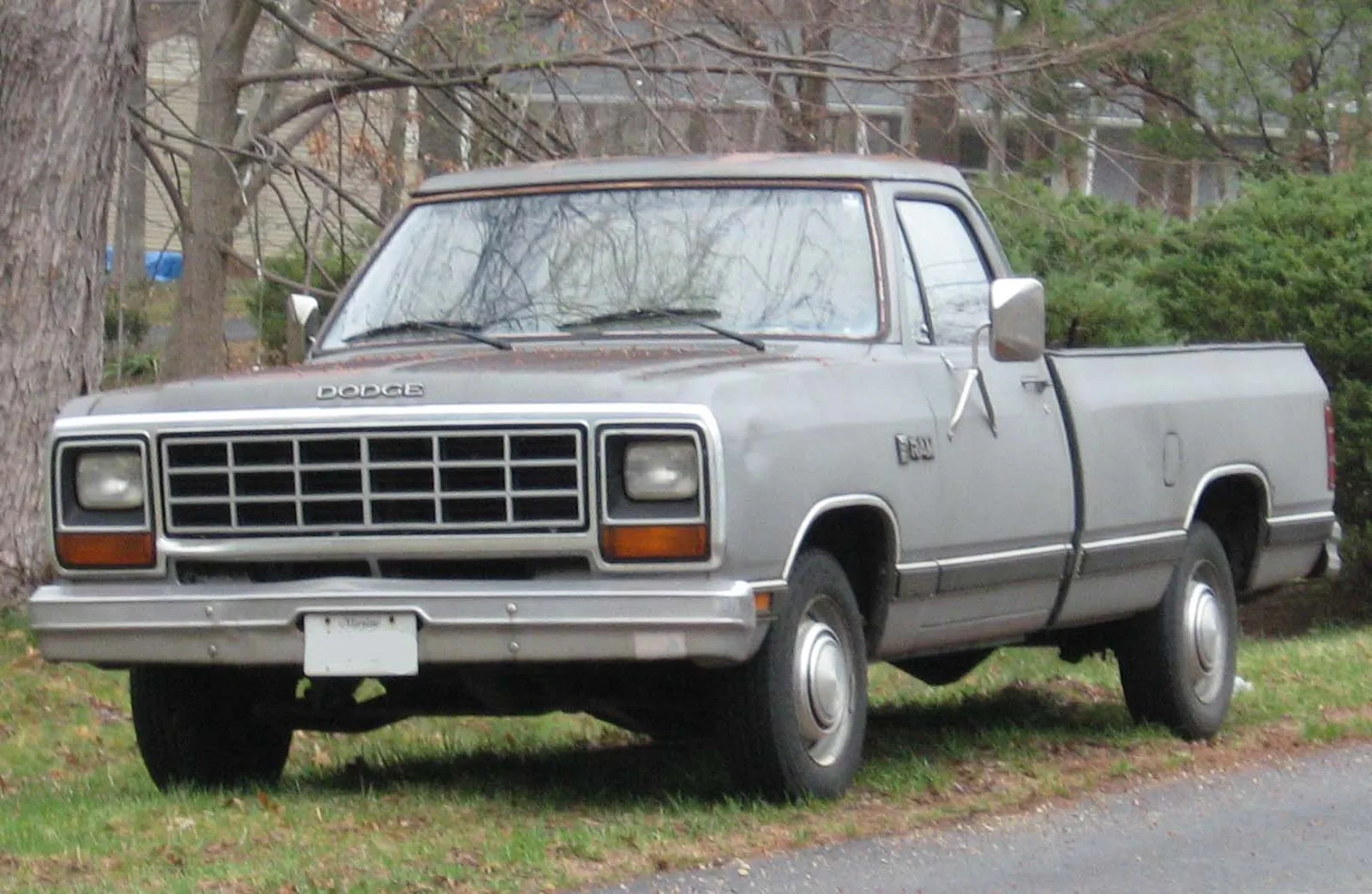
The 6BT became a popular alternative to large gasoline V8s in the 1989 to 1998 Dodge Ram. It produced torque at low engine speeds and gave significantly better fuel mileage. Because of its direct injection, the 6BT had no glow plugs. The 6BTA added an aftercooler with an air-to-water unit on the intake, and its compression ratio was 16.5:1. In recent years the 6BT has also become very popular for repowering various vehicles.
What were the B6.7 and its variants?
The B6.7 is a renamed ISB 6.7 L, with the name change coming around 2018 or 2019. Production ended in 2026 as the B7.2 took over, but the B6.7N and octane variants will still be produced. The main differences from the original ISB are the emissions equipment and the valve cover, which lacks the earlier hump.
The B6.7N is a CNG variant. The B6.7 Octane can run on propane or 87-octane gasoline, and it is marketed as offering diesel power with the simplicity of gas. Engine production starts with model year 2027. It delivers up to 300 horsepower and 660 lb ft of torque, and it is Cummins' first gasoline-powered engine on the B-Series platform.
What is the B7.2L and where is it built?
Announced in March 2025, the B7.2L is due in 2026 or 2027 as the next step from the B6.7L and the newest member of the family. It produces 240 to 340 horsepower and is aimed at medium-duty trucks, school buses, transit buses and recreational vehicles.
Cummins says that the higher displacement allows more torque options and better emissions. The engine will be manufactured at the Rocky Mount Engine Plant in North Carolina, where the family began.
The ISB family: 4.5 L and 5.9 L
The 4.5 L ISB is, in effect, a four-cylinder with two-thirds of the 6.7 L ISB's capacity, rated at 185 hp (138 kW). It was used in the New Routemaster, a series hybrid diesel-electric double-decker bus in London.
The 5.9 L ISB, or Interact System B, displaces 5,883 cc (359.0 cu in) and is one of the largest straight-six engines used in light trucks and school buses. Its bore and stroke of 102 mm x 120 mm (4.02 in x 4.72 in) suited a multi-valve pushrod design with four valves per cylinder. The high-output 600 version appeared on Ward's 10 Best Engines list for 2004.
Recent versions run a compression ratio of 17.2:1 and are built in Columbus, Indiana. Early ISB engines used Bosch injectors and a Bosch VP44 high-pressure pump, while later designs moved to common rail with a Bosch CP3 pump.
How did the Dodge Ram ISB perform?
Midway through the 1998 model year, Dodge Ram trucks switched from the 6BT to the ISB to meet updated emissions requirements. The 1998 to 2000 ISB paired 215 hp (160 kW; 218 PS) and 420 lb ft (569 Nm) with the 47RE automatic. A manual gearbox raised it to 235 hp (175 kW; 238 PS) and torque to 460 lb ft (624 Nm).
The VP44 pump gave precise control of timing and fuel, which helped emissions, but its failure rates were higher than those of the older P7100. For 2001 and 2002 there were standard and high-output versions. The standard output matched the earlier 235 hp rating, while the high-output unit made 245 hp (183 kW; 248 PS) and 505 lb ft (685 Nm), available only with the NV5600 six-speed manual.
The high-output engine had 17.3:1 compression, powdered metal valve seat inserts, a larger flywheel and a reworked Bosch fuel system with higher flows and altered injection timing.
What changed with common-rail Dodge engines?
For the 2003 model year the Cummins gained Bosch high-pressure common-rail fuel injection, which increased power again. For the Dodge truck the 2003 rating reached 305 hp (227 kW; 309 PS), and the torque figure was 555 lb ft (752 Nm). The 47RE automatic was upgraded internally to the 48RE to handle the extra torque.
Midway through the 2004 model year the Cummins 600 arrived with 325 hp (242 kW; 330 PS) at 2,900 rpm, plus 600 lb ft (813 Nm) at 1,600 rpm. It was noticeably quieter than the earlier engines. The 5.9 ISB CR was the last diesel in Dodge Ram trucks that did not require emissions technology.
How strong was the 6.7 ISB?
From 2007 to 2018 the 6.7 L ISB was the newest B-Series engine, and the largest straight-six for light-duty trucks and school buses. In the later 2007 model year and newer Dodge pickups it made 350 hp (261 kW; 355 PS) with 650 lb ft (881 Nm) of torque through the 68RFE automatic. The Mercedes G56 manual version was slightly lower at 610 lb ft (827 Nm) of torque.
Late 2011 Ram trucks produced 350 hp and 800 lb ft (1,085 Nm), with the exhaust brake rating raised from 150 hp to 222 hp. For 2019 the engine was updated to 400 hp (298 kW; 406 PS) and 1,000 lb ft (1,356 Nm) of torque. It was also a default option in almost every new US school bus from about 2010 to 2026.
The 6.7 ISB displaces 6,690 cc (408.2 cu in), with a bore of 107 mm and a stroke of 124 mm (4.21 in and 4.88 in). It introduced the Variable Geometry Turbocharger, which reduces turbo lag and doubles as an integrated exhaust brake. That system became a common fault, usually shown by a loss of the exhaust brake.
What were the QSB and HELM engines?
The 5.9 QSB, for Quantum System B, is an off-road, heavy-duty version of the ISB. It is used in marine, agricultural and construction applications, shares many parts with the ISB and uses the same Bosch fuel system.
The newest Cummins B-Series engines belong to the HELM line-up, which includes the B7.2L and the B6.7 Octane. HELM also includes parts of the X-series, such as the X15, X15N and X10. It lets customers choose the fuel type that best suits their needs.
How did the B-Series fuel systems change?
Early B-Series engines were almost entirely mechanical, including the fuel system. The Bosch P7100 injection pump was driven from the camshaft gear and drove its own internal camshaft to inject fuel. Its simple design and reliability made it one of the most popular fuelling choices, and it could deliver large fuel volumes with simple tuning.
Later models switched to mechanical injection with electronic timing, thanks to Bosch's VP44 radial distributor pump. That pump runs at half the camshaft speed and produces injection pressure of up to 140 MPa (20,300 lbf/in2). The newest method is electronically controlled common-rail injection, used in B-Series engines and the NEF engine since 2003.
Why did emissions rules shape the B-Series?
Emissions rules drove several of the B-Series' biggest changes, from the move to the ISB in 1998 to the variable geometry turbo of the 6.7 L engine. Each step aimed to meet tighter requirements while keeping the low-speed torque that made the family popular.
The 1998 Dodge Ram switch was made to meet updated emissions requirements. The VP44's strength was accurate metering of both fuel and timing, but it ran a higher failure rate than the P7100 it replaced, so the change carried a reliability cost.
The B6.7 Octane takes a different route: it runs on 87-octane gasoline yet still provides diesel-like torque, which the family has always emphasised at low engine speeds. Later common-rail and variable geometry designs kept the power curve rising while the emissions equipment changed. Cummins continues the line with the B7.2L, which it says will offer better emissions as well as more torque options.
B-Series at a glance
| Engine | Displacement | Period | Output | Notable use |
|---|---|---|---|---|
| 4BTA | 3.9 L | B-Series family since 1984 | 170 hp (127 kW) | Step vans, agricultural equipment |
| 6B | 5.9 L | Naturally aspirated 6BT | 115 hp (86 kW) at 2,500 rpm | No OEM automotive use |
| 6BT | 5.9 L | From 1989 | Dodge Ram, 1989 to 1998 | Light, medium and heavy-duty trucks |
| ISB 5.9 L | 5,883 cc (5.9 L) | From 1998 | Up to 325 hp (242 kW), Cummins 600 | Dodge Ram, school buses |
| ISB 6.7 L | 6,690 cc (6.7 L) | 2007 to 2018 | 350 hp (261 kW; 355 PS) | Dodge 2500 and 3500, school buses |
| B6.7 Octane | 6.7 L | From model year 2027 | Up to 300 horsepower | Propane or 87-octane gasoline |
| B7.2L | 7.2 L | 2026 or 2027 | 240 to 340 horsepower | Medium-duty trucks, school buses |