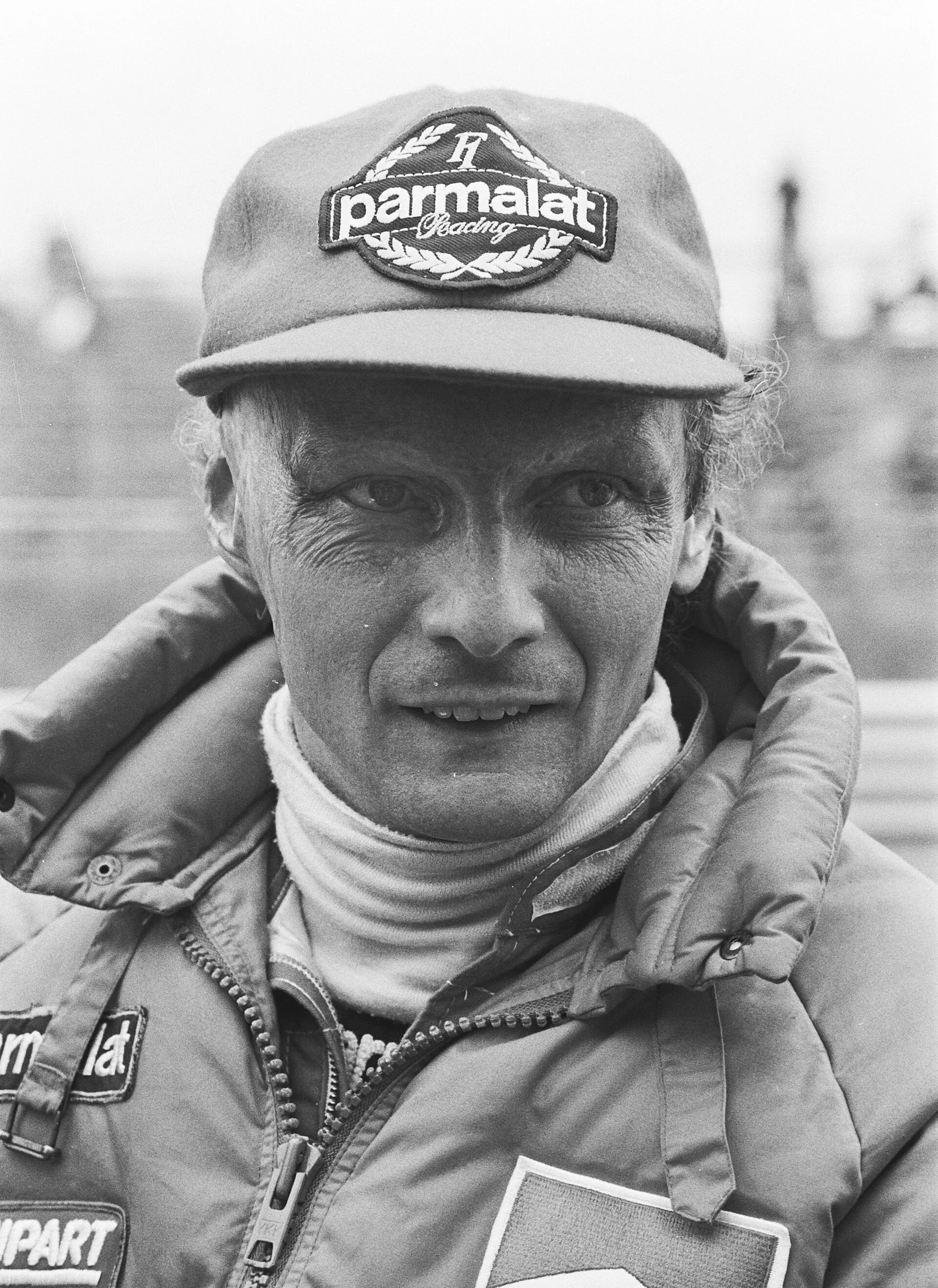
A Princeton-educated Marine who raced Can-Am, Formula 5000 and Formula One as a privateer, and who is remembered for the Nurburgring rescue of Niki Lauda.
Brett Lunger was an American racing driver and US Marine who competed in Formula One from 1975 to 1978 as a privateer. He scored no championship points and is best remembered for helping rescue Niki Lauda at the 1976 German Grand Prix.
Brett Lunger is a former American racing driver and US Marine who raced in Can-Am, Formula 5000, European Formula Two and Formula One. He made his Formula One debut at the 1975 Austrian Grand Prix and scored no championship points in four seasons. His name is linked above all with the rescue of Niki Lauda from a burning Ferrari at the 1976 German Grand Prix, and he retired from Formula One after 1978.
Who was Brett Lunger and what shaped his early life?
Robert Brett Lunger was born on 14 November 1945 and attended the Holderness School before Princeton University. He studied political science at Princeton and left after three years to join the military for service in Vietnam. Later he served as a Marine lieutenant, and he reached the rank of captain by 1970.
His mother, Jane du Pont Lunger, belonged to the Du Pont family and was a prominent racehorse breeder. Her family wealth funded much of his racing, and his early privateer drives were largely financed that way. He was not raised as a car enthusiast and grew up with baseball, hockey and football.
Motor racing caught his interest after a friend brought him to a race in 1965. In 1966 people already called him a rich young driver in the Can-Am series. At the time he was writing a thesis on US policy in Southeast Asia, and events such as the Gulf of Tonkin Incident undercut much of what he had argued in his writing.
A Princeton-educated Marine and privateer who raced in Formula One, then ran into history at the Nurburgring in 1976.
How did Lunger rise through sports cars and Formula 5000?
Lunger started in sports cars and Can-Am, finishing eighth in a McLaren Chevrolet at the 1966 Nassau Trophy in the Bahamas. He ran a Lola T160 in the 1968 Canadian American Challenge Cup. After his time in the Marines he raced for the SCCA L&M Continental 5000 championship, where he finished third overall in 1971 and again in 1972.
The 1971 season was a difficult one. He raced at Lime Rock while suffering from mononucleosis, and as the race went on he lost strength and was passed by Sam Posey, which dropped him to third in the title chase. He was hospitalised for several days after the event, although his first major win that year came at Brainerd in the Minnesota Grand Prix.
In 1972 he added wins at Road Atlanta and at Lime Rock. In 1973 he raced in European Formula Two, where his best finish was fourth at Mantorp Park in Sweden. He also took Formula 5000 finishes with a Lola, including second place at Mount Pocono, and he won twice in the Rothmans Championship at Snetterton and Mallory Park.
In 1974 he drove the Jorgensen Eagle 73A for Dan Gurney's Anglo American Racers, starting all seven races of the SCCA/USAC Formula 5000 championship and finishing fifth overall. That same year he crashed at the California Grand Prix at Ontario while trying to hold off Mario Andretti. He then helped rescue the driver he collided with, Mickey Rupp, from his car.
What happened at the 1976 German Grand Prix?
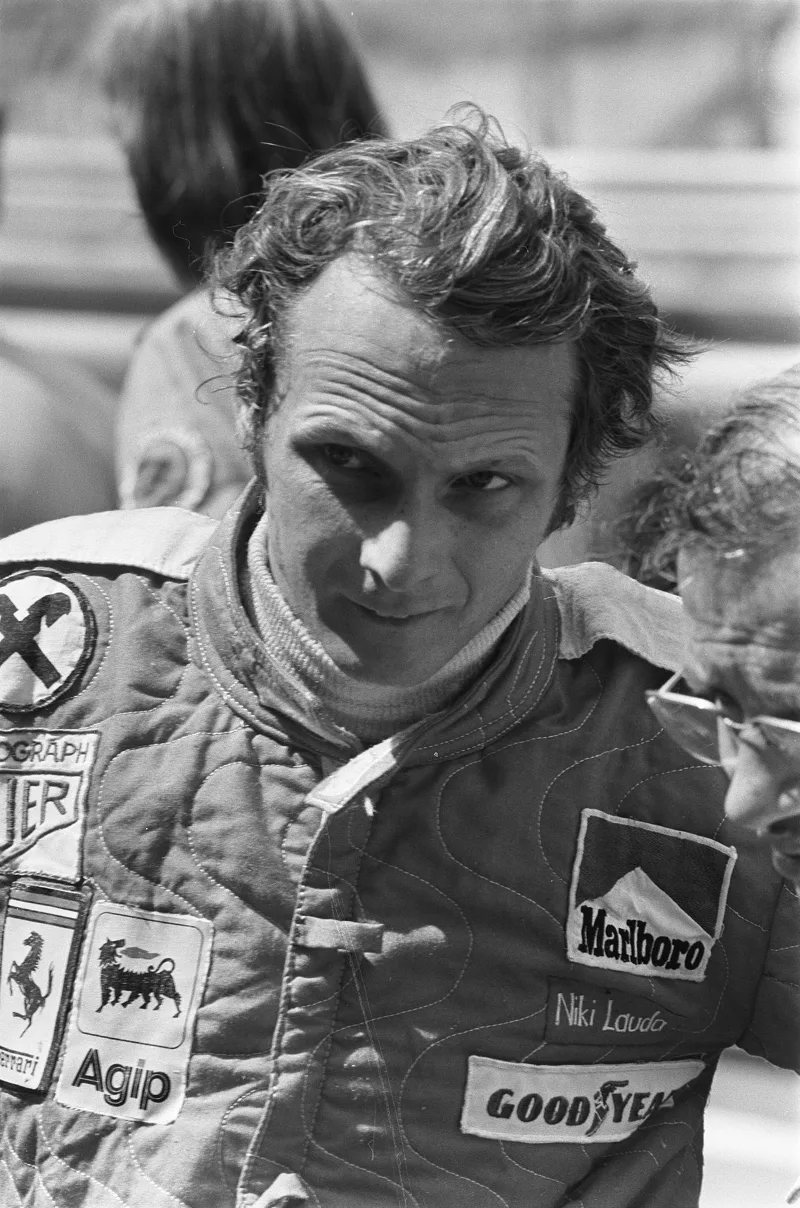
At the 1976 German Grand Prix at the Nurburgring, Niki Lauda crashed his Ferrari on the second lap and became trapped in the fire. Lunger, driving a Surtees, was one of several drivers who came to his aid, alongside Guy Edwards, Arturo Merzario and Harald Ertl.
Lunger climbed onto the wreck, took hold of Lauda's shoulders and helped to get him clear.
Ertl's car struck the Surtees and sent it into the Ferrari, which set off Lunger's own fire extinguishers and helped the rescue start sooner. Workers arrived with foam and held the fire back, but it flared up more than once. Merzario unbuckled the belts, and Lunger and Lauda tumbled out as part of the cockpit broke apart.
Lunger later explained that Edwards had been able to get past Lauda's car on the left, while he himself was committed to a line through the debris and could not avoid the wreck. Both men were given foam by corner workers and moved away from the burning fuel. The Purple Heart medal was also given to him.
How did his Formula One career unfold?
He first joined the Hesketh team for the 1975 Austrian Grand Prix. At 29 he had no car to drive for a major team, and friends arranged the Hesketh ride. He started from the ninth row to finish 13th in his Hesketh-Ford, and he went on to qualify for the United States Grand Prix, one of 24 qualifiers.
At Watkins Glen he ran as high as eighth before retiring, and he finished tenth at Monza in the Italian Grand Prix. In 1976 he moved to Team Surtees, which secured sponsorship from several firms. At the United States Grand Prix West at Long Beach he averaged 134.56 km/h (83.61 mph) on the first day of qualifying and sat 21st, but he failed to make the field, which was limited to 20 cars.
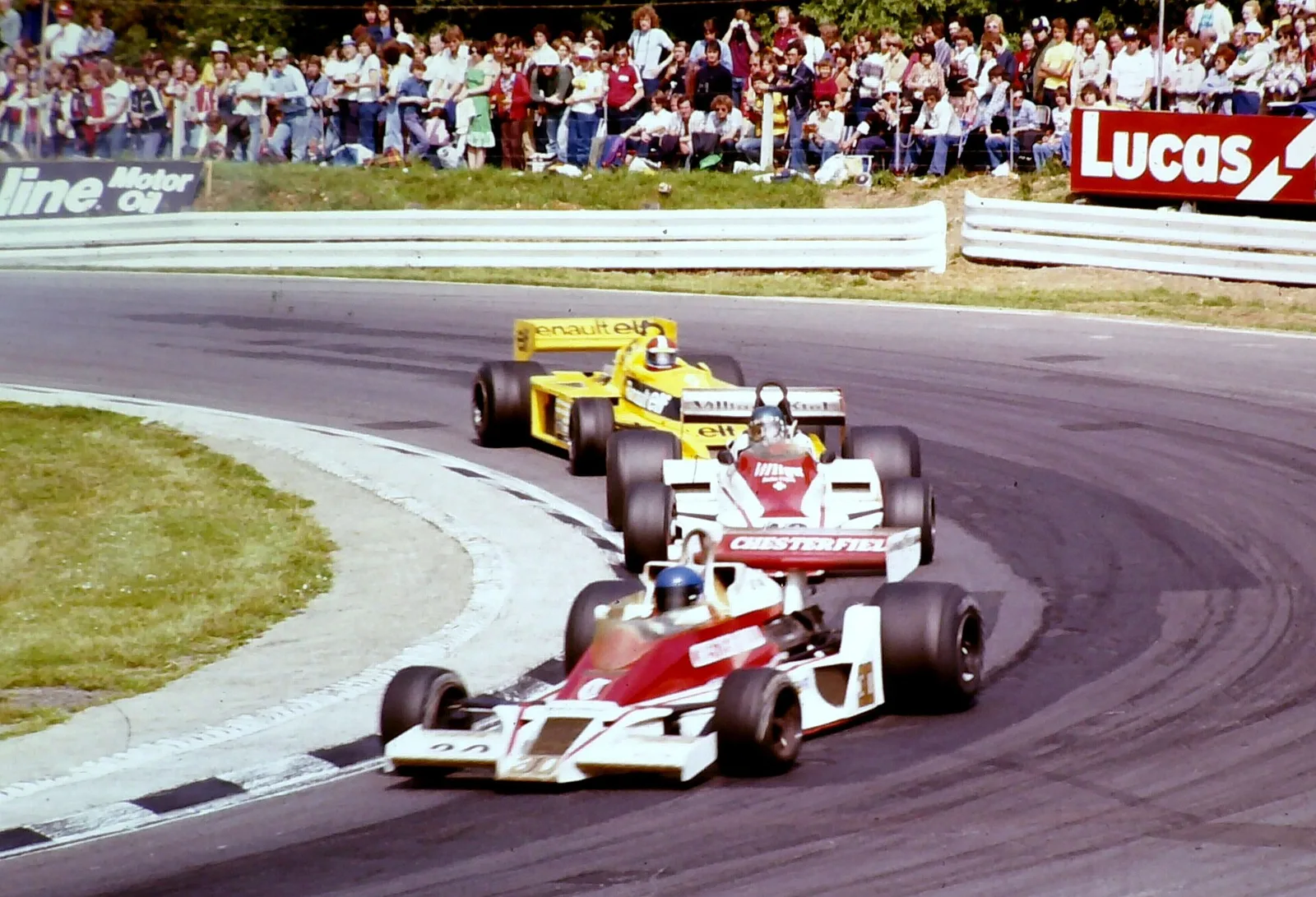
His British Grand Prix that year was probably his best race, as he climbed from mid-grid to challenge teammate Alan Jones. In January 1977 he signed with BS Fabrications, starting the year in a March before switching to a McLaren M23 after three races. He finished 14th in South Africa, ninth at Zandvoort in the Dutch Grand Prix and 19th at Hockenheim.
Why did his Formula One career end after 1978?
Lunger left Formula One after the 1978 season, having spent four years as one of the sport's privateers in year-old machinery. He had no competitive seat to return to in 1979, so he moved back to US sports car racing. His best Formula One finish was eighth place, achieved at Brands Hatch.
In 1978 he stayed with McLaren, also tried an M26 run by BS Fabrications, and then raced an Ensign at the United States Grand Prix. He finished eighth at the British Grand Prix from 24th on the grid, a lap behind the winner, Carlos Reutemann. He was eighth again in Austria, two laps down, and 13th in the United States.
He also finished fourth in the non-championship BRDC International Trophy at Silverstone, behind Keke Rosberg, Emerson Fittipaldi and Tony Trimmer. The race was hampered by rain over 188.74 km (117.28 miles) and carried a 190,000 dollar purse.
Career summary at a glance
| Year | Series | Result |
|---|---|---|
| 1966 | Nassau Trophy | Eighth in a McLaren Chevrolet |
| 1971 | SCCA L&M 5000 Continental | Third overall after Sam Posey passed him |
| 1971 | Minnesota Grand Prix (Brainerd) | First major win |
| 1972 | L&M Continental 5000 | Third overall; wins at Road Atlanta and Lime Rock |
| 1973 | European Formula Two | Best finish fourth at Mantorp Park |
| 1973 | Formula 5000 and Rothmans | Second at Mount Pocono; two Rothmans wins |
| 1974 | SCCA/USAC Formula 5000 | Fifth overall in the Eagle 73A |
| 1975 | Formula One (Hesketh) | Thirteenth on debut in Austria |
| 1976 | Formula One (Surtees) | Mid-grid start in Britain; Lauda rescue in Germany |
| 1977 | Formula One (March, McLaren) | Ninth at Zandvoort; 19th at Hockenheim |
| 1978 | Formula One (McLaren, Ensign) | Eighth at Brands Hatch; career best finish |
| 1978 | BRDC International Trophy | Fourth at Silverstone (non-championship) |
What did Lunger do after racing?
After retiring from Formula One he worked as a journalist with CBS and covered Formula One races, including the 1979 South African Grand Prix. He also completed his degree at Princeton. He later founded Responsibility Today, a workbook series and organisation built around responsible decision making.
Through the I Am Responsible Movement he speaks at conferences and writes articles drawing on his own experiences. He is also a pilot and is involved with the Angel Flight Network.
Backing and equipment in his Formula One years
Hesketh's ride came through friends, and Lunger's brother Dave and public relations man Rod Campbell formed a partnership in late 1975 that aimed to promote a Formula One drive for him. Team Surtees attracted sponsors including Chesterfield, Rand Time Corp., Delaware Trust Company and Champion Spark Plugs.
At Long Beach in 1976 his Surtees broke a clutch in practice and was never correctly repaired. In 1977 he signed with BS Fabrications, and early that season he lost a rear-right wheel and crashed in South Africa. His crew needed a week to rebuild the whole car.
Outside Formula One he finished second with Sam Follmer in a turbocharged Porsche 935 entered by Vasek Polak at the 1977 six-hour race at Watkins Glen, behind the factory car of Jacky Ickx and Jochen Mass. In 1979 he was third at the Los Angeles Times 6-Hour with Follmer and Derek Bell, six laps behind.
Qualifying battles in 1977 and 1979
In his first race of 1977, the South African Grand Prix, Lunger had driven only three timed laps in qualifying before his engine blew, so he started from the back of the grid. He still finished 14th.
After 1978 he could not find an acceptable ride for 1979, and he turned to his work as a journalist with CBS, reporting on Formula One races rather than racing in them.