A Martini Porsche 917 pair won the quickest race the event had ever run, and few cars were left at the finish to share the glory.
The 39th edition ran on 12 and 13 June 1971 and set a speed record that lasted almost forty years. The Martini Porsche 917 of van Lennep and Marko took the win, and just twelve cars made the classification at the finish.
The 39th running became the quickest race the event had ever seen, and its speed record was not beaten for almost four decades. The win went to Gijs van Lennep and Helmut Marko in a Martini Porsche 917. Attrition was heavy, leaving a dozen cars classified when the flag fell.
What changed in the rules for 1971?
Standing regulations stayed unchanged at the FIA, and the ACO made only a few alterations. The echelon standing start was dropped in favour of a two-by-two rolling start behind a safety car, a method still used today. Drivers could also stay in their cars while refuelling.
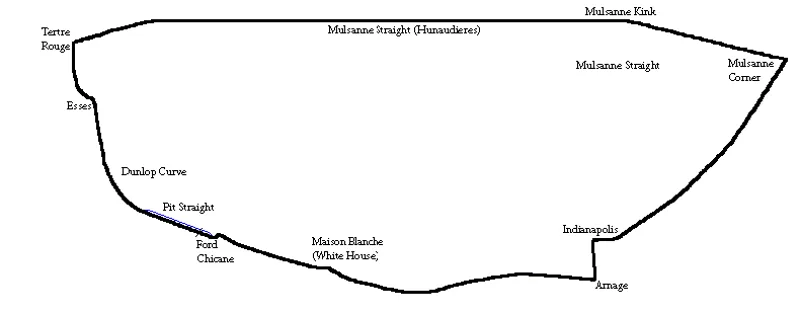
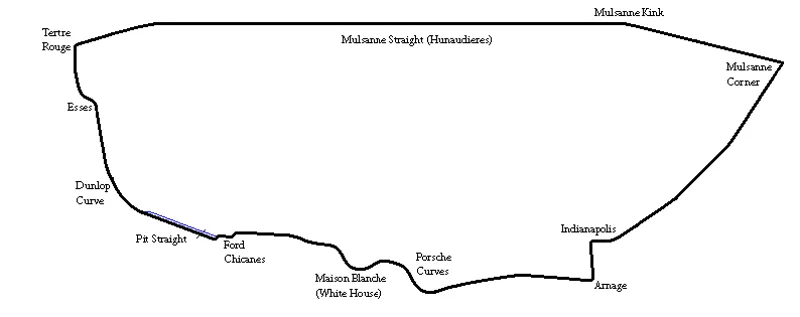
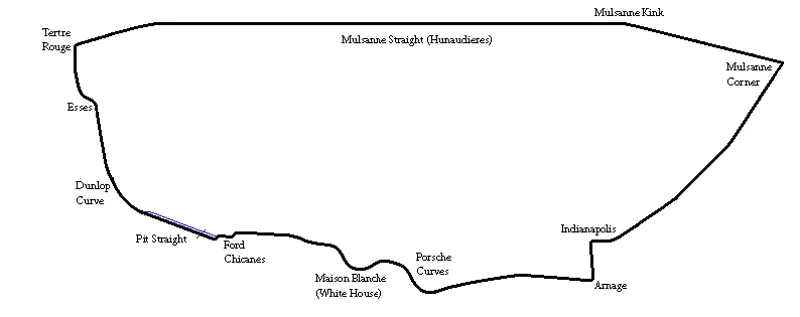
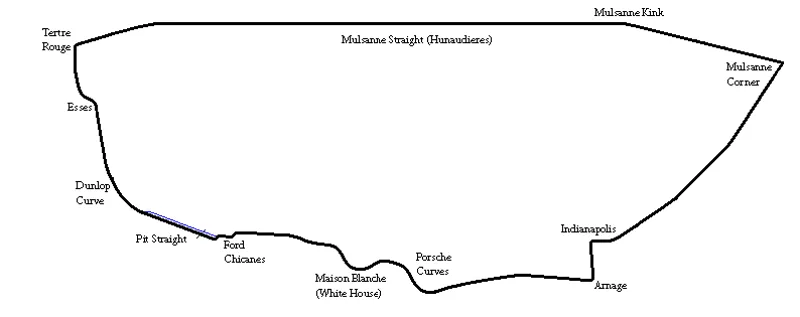
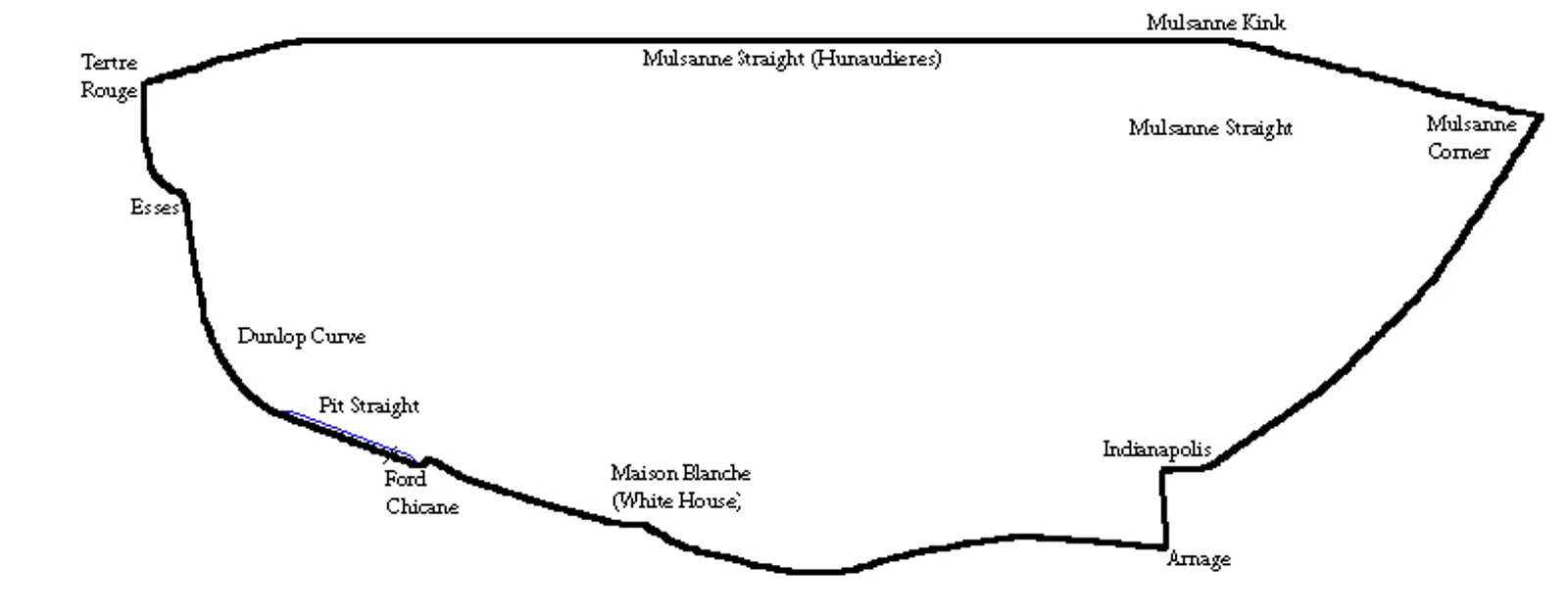
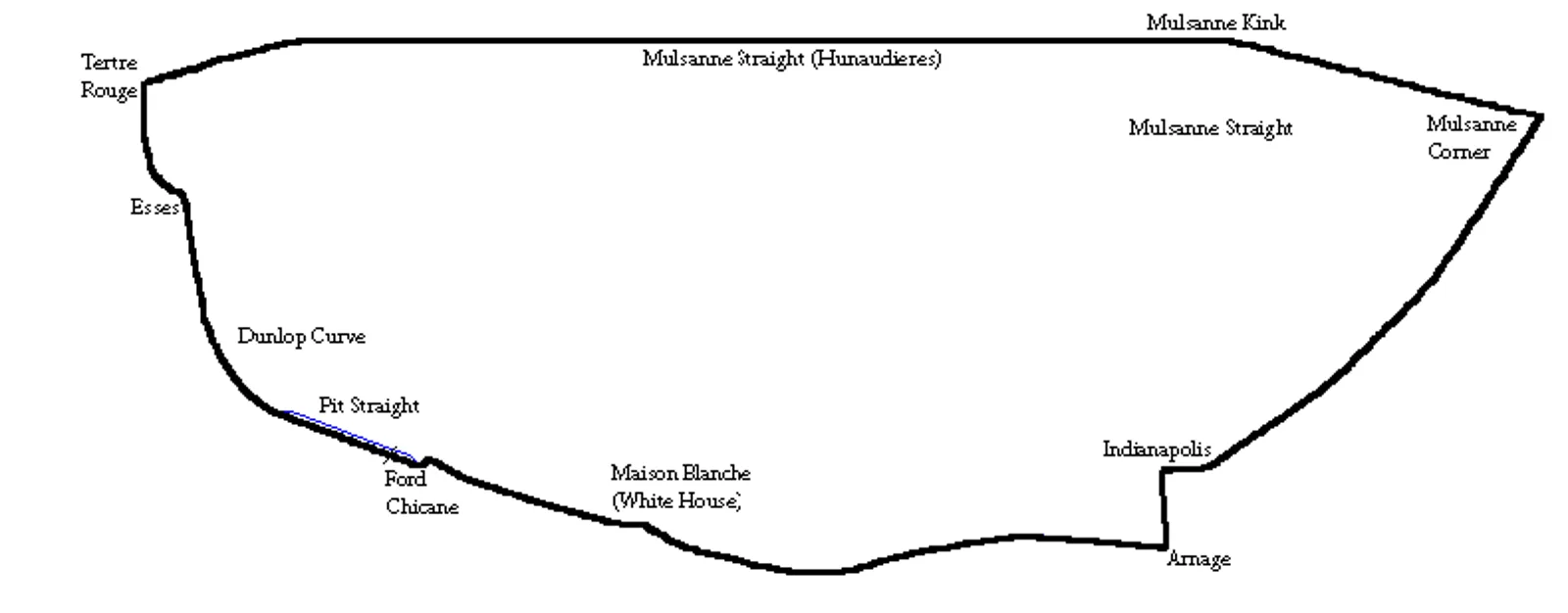
Race week brought an Armco barrier between the pits and the main straight, which gave the pit crews real protection from cars on the main straight. It also brought plans for a major realignment, with a new Mulsanne straight beside the public road and fresh curves to replace the old Maison Blanche section.
First prize was US$13000, a sum that barely covered a top racing engine. After 14 years women were allowed to race again, and Marie-Claude Beaumont took the wheel of a Greder Corvette, the first woman at Le Mans since 1951.
The quickest race in Le Mans history, won by a Porsche 917 pair, with barely a dozen cars left to see the flag.
How thin was the 1971 field?
The ACO had 80 entries, trimmed to 63 for qualifying; just 53 cars made it to practice. Ferrari and Alfa Romeo kept their factory cars at home for next year, leaving privateer Porsche 911s to fill the grid. The GT class was the best supported.
Porsche's 917L long-tail had been refined over the winter in the SERA wind tunnel, and its 5.0-litre engine produced 620 bhp. A new four-speed gearbox was fitted to none of the cars, because every team stayed with the proven five-speed unit. Porsche put 33 cars on the grid out of 49 entries, a single-make record that would become a pattern through the decade.
JW Automotive, with four wins already in the 1971 championship, were the favourites. Pedro Rodriguez and Jackie Oliver drove one car, Jo Siffert and Derek Bell another, and Richard Attwood and Herbert Muller a third car, a 917K. The Martini team had bought the Porsche Salzburg team's cars and equipment, and it entered a long-tail for Vic Elford and Gerard Larrousse, a short-tail for van Lennep and Marko, and the experimental 917/20 Pink Pig for Reinhold Joest and Willi Kauhsen. The Pig was painted pink, with the names of cuts of meat written across its bodywork.
Ferrari's 365 GTB/4 Daytona lacked the production numbers to race as a GT car, so it ran in the Group 5 sports class. NART entered a single Daytona for Bob Grossman and Luigi Chinetti Jr. Eight of the 911s carried the new 2.4-litre engine, producing 245 bhp.
The customer teams fielding Ferraris still put up a competent challenge. NART entered three cars, and the Penske team raced on one of NART's tickets. Its engine was prepared by Traco and claimed 614 bhp, and the team added quick-change wheels, brakes and refuelling kit to save precious minutes in the pits. Mark Donohue and David Hobbs drove the blue, Sunoco-backed Penske car, while Sam Posey and Tony Adamowicz shared a NART 512M.
Matra, now trading as Matra-Simca after Chrysler's takeover of Simca, entered one 660 for Chris Amon and Jean-Pierre Beltoise. After a poor race the year before, its engine had been strengthened to 420 bhp. Guy Ligier fielded a one-off JS3 with a Ford-Cosworth DFV limited to 8800rpm and producing around 400 bhp.
How did practice settle the grid?
The April test weekend had shown the 917 to be faster than ever. Jackie Oliver recorded a 3:13.6 at 250.5 km/h, the first lap at that speed on record, and in June Rodriguez posted a 3:13.9 to take pole. Elford was second, five seconds quicker than the year before.
Third went to the second JW car, nearly four seconds down on its team-mate. Vaccarella's Spanish Ferrari was close behind the second Martini Porsche. Donohue led the Ferraris in fourth, and the Pink Pig was a strong seventh at 3:21.1. The Filipinetti 512F qualified eighth after its engine was swapped for a borrowed Penske unit.
Siffert had a serious scare approaching Maison Blanche at close to 290 km/h (180 mph). A 911 driven by Bill Tuckett did not see him and took its usual line, and Siffert spun, only grazing the barriers. He then marched off to the stewards to protest.
With big sports cars so suited to fast circuits, few prototypes were entered. Matra's best 3-litre prototype was 16th at 3:31.9, and the Ligier was 17th at 3:39.8. The Leopard Corvette led the GT class from 26th at 4:09.5. A 140% limit against the fastest qualifier applied to every car, and it kept out three 911s and the little Alpine. Siffert later complained that the gap between the fastest and slowest cars was dangerous.
Wicky's 908 lost its rear suspension at about 290 km/h (180 mph) along the Mulsanne straight and dragged its tail for more than half a kilometre. Wicky was unhurt, but the car stopped over a blind brow, while a 917 came down the straight at speed as a marshal cleared debris.
How did the race start?
Steve McQueen was the honorary starter, there to launch his film Le Mans, which had used footage from the 1970 race. The race began with a rolling start for the first time, Rodriguez was in front after lap one, followed by Larrousse, Siffert and the Ferraris. He was lapping backmarkers by the second lap.
Two cars were stranded in the pits with fuel-system trouble: the Piper Ferrari and the NART spyder. The NART car rejoined after the formation lap but took half an hour to leave, and it retired with clutch failure after seven laps. Poirot's 908 ended in the sandbank at Arnage.
An hour in, the two Wyer Porsches of Rodriguez and Siffert were lapping together. After three hours Rodriguez had 52 laps and led Elford, Donohue and Siffert. Donohue's engine failed around 8.15pm, and soon afterwards Elford's cooling fan blew off, so the JWA cars were 1-2-3 at the six-hour mark.
How did the night unfold?
Through the night the Wyer cars were badly delayed. Siffert and Bell lost more than an hour replacing a rear end, and Oliver lost 30 minutes at 3am with the same fault. Attwood needed a gearbox change lasting half an hour, which left all three cars behind the leaders.
The Pink Pig, which had climbed to third, then saw its cooling fan come loose. Joest crashed in the early hours after finding no brakes at Arnage. Parkes put the Filipinetti Ferrari into the barriers at Maison Blanche at 1am, and it was parked at 3am with no oil pressure.
Montjuich's Ferrari led for an hour until its gearbox let go at halftime. The Marko and van Lennep Martini Porsche then took the lead, five laps clear of the Matra of Beltoise and Amon. Chasseuil crashed the Sonauto 908 at Maison Blanche, and although the car caught fire, the driver got out unhurt.
At 5am Rodriguez was sprayed with hot oil on the way toward Indianapolis. He limped back to the pits with a ruined engine. By 1am nine of the eighteen Porsche entries were already out, which was a surprise given the 911's reputation for reliability.
What broke at dawn?
The Matra pitted with a misfire at 6.20am. New spark plugs and then a replacement fuel meter let the Attwood and Muller Porsche back into second, and the Piper Ferrari moved up until it lost another clutch around 9am.
At 9.40am Amon stopped at the end of the Mulsanne straight after a faulty fuel meter had run him dry. Siffert and Bell's Porsche retired from sixth with a cracked crankcase, and the Ligier gearbox seized. JW Automotive lent Hewland parts, but three hours were lost to the repair.
How did the race finish?
The Martini pair finished three laps clear of Attwood and Muller, who had backed off late on. Their car became the first in the race to cover more than 5000 km, a distance record that stood for 39 years until Audi beat it in 2010.
Through the afternoon the order barely changed, and the finish was incident-free. Put in context, the distance matched a trip across the Atlantic, from Le Mans to Maine, covered in a single day.
Two makers filled most of the classified places. The NART Ferrari was third, 29 laps behind, while the Piper car of Weir and Craft came fourth, with just two working gears, second and fifth. The NART Daytona took fifth and collected the Index of Thermal Efficiency.
Six of the twelve classified cars were 911s, each slowed by mechanical trouble. The GT class went to an ASA Cachia entry, a 2.4-litre car driven by Couroul and Anselme, which finished barely 40 metres in front of the Wicky 907 of Brun and Mattli. The Wicky car was also the only prototype still running at the end.
Almost every car had some trouble, and a steady stream of engine, gearbox and suspension rebuilds kept the pit crews busy throughout. The Kremer-prepared Porsche of Nicolas Koob had led its category at the halfway mark until a gearbox change cost an hour, and it still finished tenth. The last classified car was the Vestey and Bond entry, run by Adrian Hamilton and Stuart Rolt, whose fathers had won the race in 1953.
The leading finishers
| Position | Car and drivers | Note |
|---|---|---|
| 1 | Martini Porsche 917: Gijs van Lennep, Helmut Marko | Winner by three laps |
| 2 | JW Porsche 917: Richard Attwood, Herbert Muller | Three laps behind the winner |
| 3 | NART Ferrari 512M: Sam Posey, Tony Adamowicz | 29 laps further back |
| 4 | Piper Ferrari: Weir and Craft | Fourth, with only second and fifth gears left |
Oliver's test lap of 3:13.6 was 250.5 km/h (155.6 mph), and his race lap was run at 244.39 km/h (151.86 mph). The winners' average was 222.29 km/h (138.12 mph).
Why did the 1971 race matter?
It was the last year the Index of Performance was awarded, and the last race run on a circuit layout that had barely changed for 39 years. The new Porsche Curves, which bypassed the public-road section at Maison Blanche, opened the following year.
This was the final year of 5-litre engines, and the 1972 rules closed the loophole that had let 5-litre sports cars race in Group 4 and Group 5. The 917 and 512S were pushed into Group 7 or classic events, and the race was tinged with tragedy. Rodriguez had won the next round at the Osterreichring before he died at the Norisring less than a month later, and Siffert followed at Brands Hatch in October. Some 908 chassis came back as turbo cars, because a turbo factor of 1.4 allowed 2.1-litre engines, and by 1974 Porsche had a turbo 911, the Carrera RSR 2.1, in the prototype field.