Matra and Ferrari swapped the lead for most of the day, but mechanical failures decided the race, and a French crew took the flag on the fiftieth anniversary of the event.
This race, held on 9 and 10 June 1973, marked the 50th anniversary of the first 24 Hours. Matra won with Henri Pescarolo and Gerard Larrousse, six laps ahead of the Ferrari of Merzario and Pace after a race decided by mechanical failures.
The 41st running fell on the fiftieth anniversary of the first race. Matra and Ferrari traded the lead, but mechanical failures stopped the favourites one by one. Pescarolo and Larrousse took the flag six laps clear of Merzario and Pace.
How was the anniversary marked?
Fifty years after the first race, the 1973 event was celebrated with considerable ceremony. Historic cars ran in two separate races, one pre-war and one post-war, and the first historic competitors paraded before the start. The French Post Office issued a commemorative stamp for the occasion.
The rulebook was unchanged, the second year under the new framework. The ACO extended the eligible classes to eight, adding one extra class each in Groups 5 and 2. There were no reserves, and the 55 starters were selected from the arrivals, with the results of the Four-Hour test weekend taken into account.
A race decided in the pits, with Matra's French crew taking the flag on the fiftieth anniversary of the event.
How big was the 1973 entry?
From 112 applications, 61 cars were present for practice in race week. The works entries came from Matra, Ferrari, Mirage and Ligier among the prototypes, with Ford and BMW in Group 2. In all there were 22 works entries, a sign of how much the top teams still wanted the race.
Alfa Romeo's Autodelta team had withdrawn only days before the event. Matra, meanwhile, had left Formula One to concentrate on the World Championship of Makes, and it arrived with a new long-tail MS670B that was lighter and more aerodynamic than the car before. It used Porsche-type gearboxes, ran 13-inch tyres in place of 15-inch ones, and its V12 was tuned to 450 bhp.
Four Matras went out in an all-French line-up. Jean-Pierre Beltoise and Francois Cevert were the quickest but drove hard, while Pescarolo and Larrousse drove with endurance in mind. Jabouille and Jaussaud took a third 670B, and Patrick Depailler and Bob Wollek drove an older MS670.
How did Ferrari approach the race?
Ferrari brought a wider and longer 312PB, with bigger tyres and a longtail body to improve speed on the Mulsanne straight. The improved V12 was now capable of about 460 bhp in race trim. Jacky Ickx and Brian Redman, Merzario and Pace, and Carlos Reutemann with Tim Schenken made up the three crews.
John Wyer's team had moved on from the Mirage name and built a Cosworth-powered car to a design by Len Bailey. A Weslake V12 project had been shelved, and the team concentrated on its V8 spyder with ZF gearboxes. Derek Bell and Howden Ganley shared one car, and Mike Hailwood, John Watson and Vern Schuppan shared the other.
Alfa Romeo was hit harder by the strikes and social unrest in Italy than Ferrari. Its works team did not come, but the customer team Scuderia Brescia Corse ran a V8 T33/3. A Lola also returned, as Scuderia Filipinetti took over Jo Bonnier's team, and Jean-Louis Lafosse and Hughes de Fierlandt drove one. The team's owner, Georges Filipinetti, had died of a heart attack that May. Ligier, meanwhile, had the improved Citroen-Maserati V6 at 330 bhp, and it entered three cars, one of them driven by Guy Ligier himself.
What were the smaller classes like?
The two-litre Group 5 class was well represented. Five Chevrons opposed a French ACE, a Lola and a veteran Porsche 910. Cosworth had advised that its FVC engine would need a rebuild after only four hours of running, so 24 hours was a hard test for those engines.
Japan's Sigma Automotive team brought its MC73, powered by a Mazda twin-rotary engine rated at 260 bhp. Its arrival marked the debut of a Japanese car at Le Mans, with Japanese drivers at the wheel as well. Three MC73s were built for the Japanese series, and this was the only one to come to Le Mans.
The GT battle in Group 4 was between Ferrari and Chevrolet. The 365 GTB/4 Daytona now produced 440 bhp, and nine were entered by customer teams, many with factory-prepared engines. Four Corvettes were present, including John Greenwood's pair, one of which had a 7-litre alloy engine boosted to about 700 bhp.
Porsche had updated its 911 design for the new rules. The Martini team ran two experimental RSR variants, with Gijs van Lennep and Herbert Muller in one and Reinhold Joest and Claude Haldi in the other. In Group 2 the works battle between Ford Germany and BMW spilled over into Le Mans, with Ford running three Capri RS2600s and BMW bringing its 3.0 CSL.
How did practice settle the order?
Merzario and Ickx set the pace on Wednesday night, and Merzario's was the quickest time of the practice week. The only other sub-3:40 time came from Cevert in a Matra, and the works teams filled the top seven places on the grid.
At the March test weekend Beltoise had posted a Matra time four seconds faster than Ferrari had managed a year earlier. That gave the French team confidence, although the first night of practice was disrupted by several incidents, including a spin in the Porsche curves that struck Watson on the head.
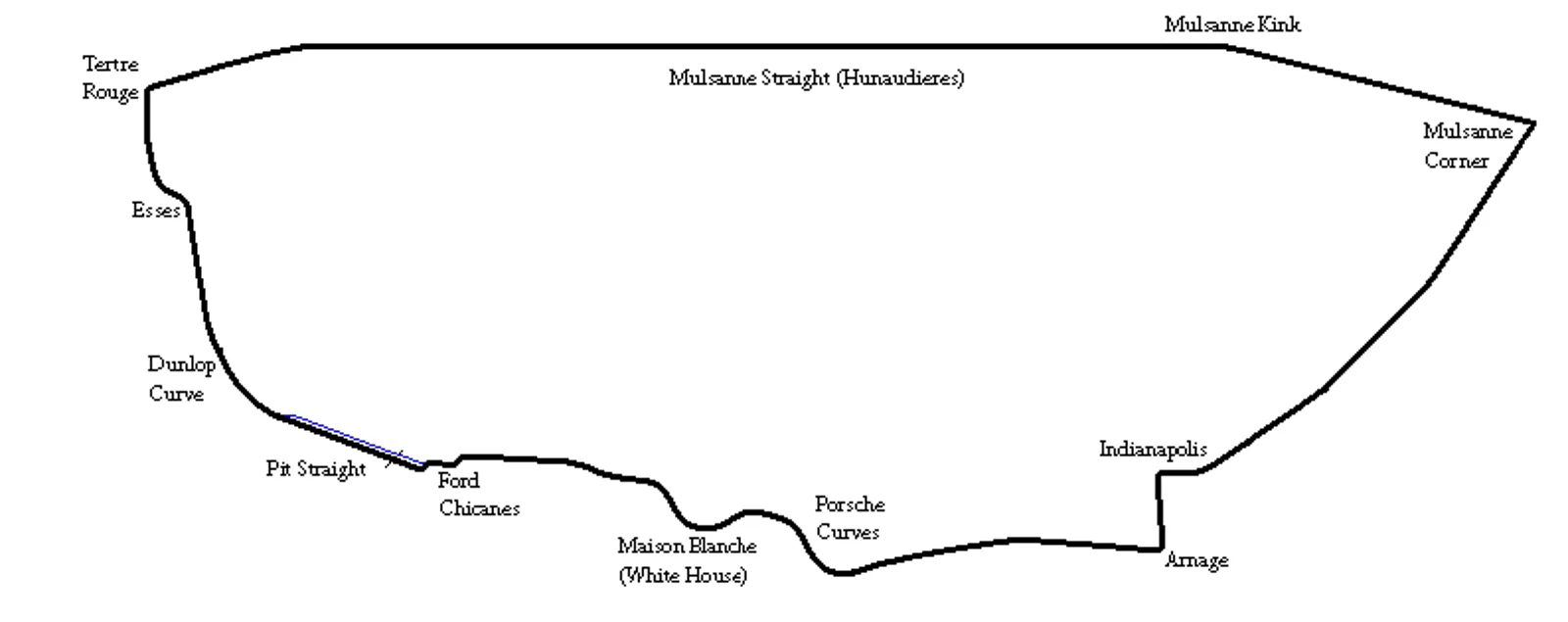
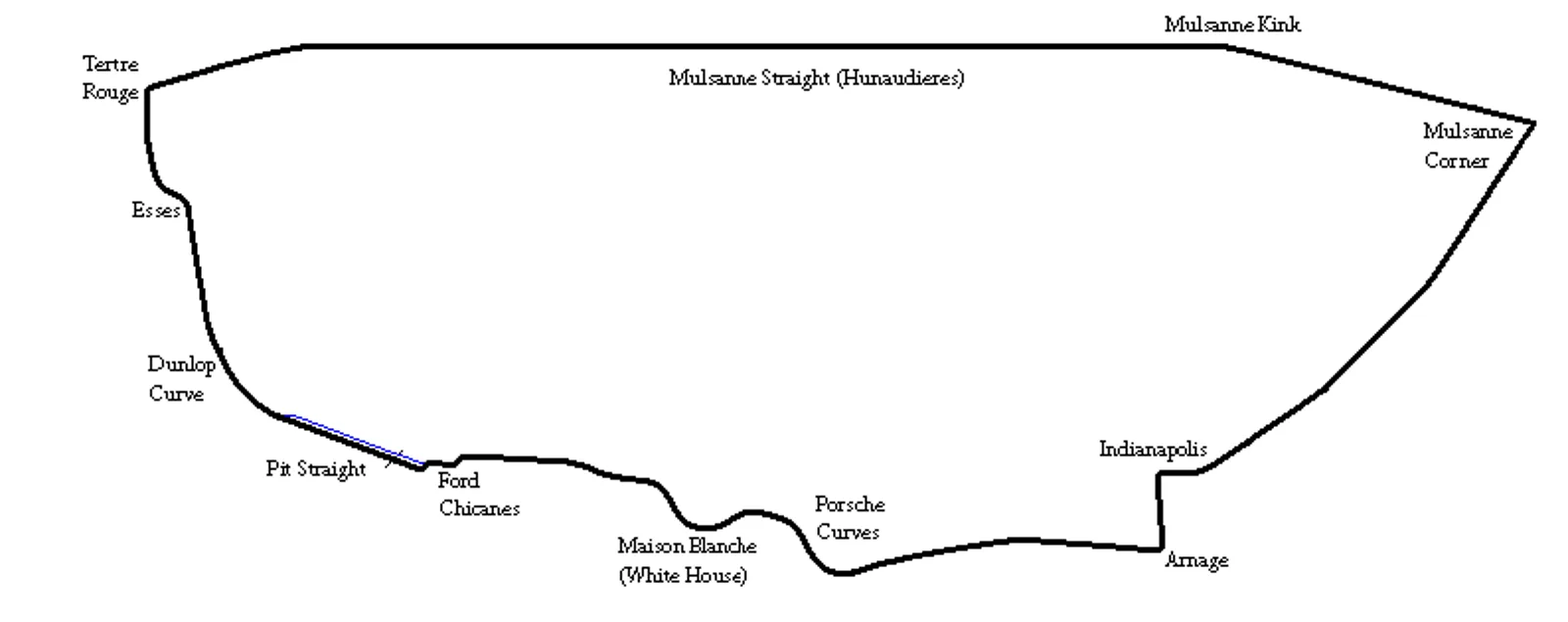
Ferrari was told its valve springs had been set wrongly, and each engine needed 48 changes. Greenwood's special-engine Corvette was disqualified after Don Yenko had an accident during an illegal road test on public roads. Kremer's Porsche went up in flames after oil dripped onto the hot exhaust, and Brun's Wicky BMW speared into the Armco at the chicane.
How did the race open?
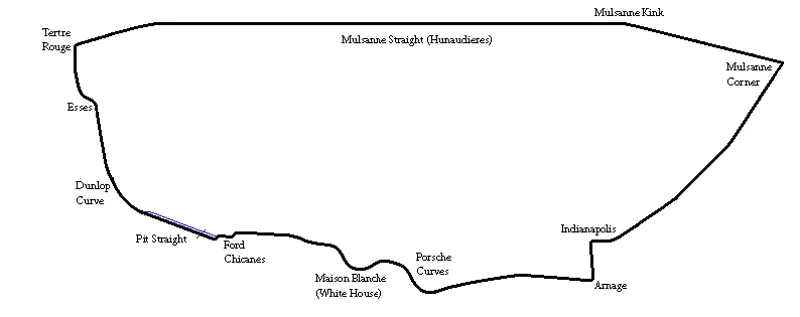
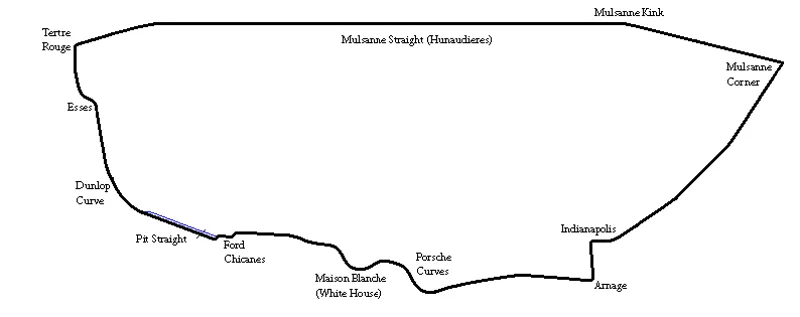
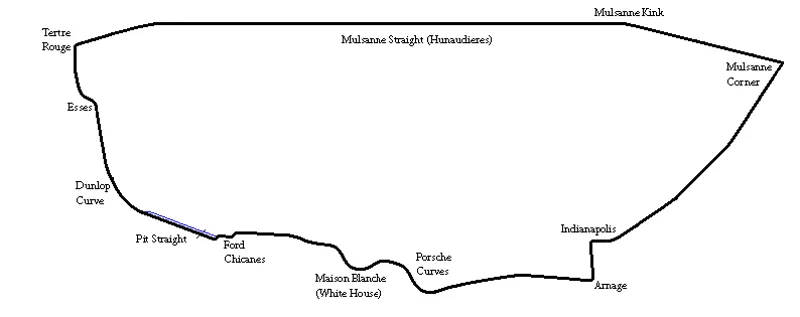
Merzario was sent out as the hare, bolting ahead from the first lap to lead the Matras into a race. Pescarolo took the lead from Cevert on the first lap, but other teams did not follow the pace. Several cars were in the pits early with problems.
Joest's Porsche had gearbox trouble, and the Grossman Ferrari picked up a puncture. Hailwood's Mirage was without a clutch, while Amon's BMW had only fifth gear. By the first pit stops Merzario had built a big lead but needed brake pads, and Matra was running 1-2-3 with Cevert leading Larrousse and Wollek, with Reutemann's Ferrari in pursuit.
What happened in the first half of the race?
Four hours in, Jaussaud suffered a front tyre failure on the Mulsanne straight, and ten laps were lost repairing the suspension. Beltoise suffered almost the same failure less than an hour later, and his Matra lost eight laps. Wollek and Depailler then led the Matras until their oil pump failed at 9.30pm.
The NART Ferrari of Posey lost five minutes in a poor pit stop, which let the Pozzi Ferrari of Elford and Ballot-Lena take the GT lead. Later, Pescarolo's car was delayed again by a faulty gear selector, and Ferrari moved into a 1-2 position on the road.
How did the night play out?
By 10pm Schenken and Reutemann led in the Ferrari, ahead of Pescarolo and Larrousse, with Ickx and Redman third. Wollek's Matra was seventh, with the Muller and van Lennep Porsche eighth. Soon after midnight Schuppan rolled his Mirage at Tertre Rouge, and Merzario's Ferrari spent 40 minutes replacing a slipping clutch.
Elford and Ballot-Lena spent 11 minutes changing brake pads, which let the NART Ferrari back to the front of the GT class. In Group 2 the three Fords were badly delayed as night fell, and the Glemser car climbed to tenth before a series of problems set it back.
At 2.30am the leader stopped out on the track with a broken connecting rod. Soon afterwards Beltoise's Matra, running fifth, had another tyre blow and struck the guardrails. At half-time Ickx led Pescarolo by two laps, with Facetti's Alfa Romeo eight laps back.
What broke in the morning?
Dawn came with mist and drizzle, and the day turned sunny again. The track dried steadily through the morning. Shortly after 9am Redman brought the GT-leading Ferrari in with a split exhaust header, and Pescarolo's Matra also came in with brake trouble. The Matra regained the lead, 15 seconds ahead of the Ferrari.
Mid-morning the Alfa's gearbox broke, and seventy minutes were spent repairing it. At 11am Minter brought the Ferrari in smoking from a cracked piston, and Ickx's Ferrari had to stop for 25 minutes and six laps to repair a split fuel cell. Later, a routine stop went wrong when the Matra's starter motor failed, costing twenty minutes.
Among the GT cars, the NART Ferrari was sixth overall and still ahead of the Kremer Porsche in the GT battle, which had lost ground early in the morning after a brake caliper jammed and an exhaust came loose. The Sonauto Porsche of Gregg and Chasseuil was eighth overall at 6am before a puncture on the Mulsanne straight damaged its suspension.
How did Matra take the flag?
With barely 90 minutes left, the Ickx and Redman Ferrari was out, another conrod broken. Pescarolo and Larrousse eased off and cruised home six laps ahead of the Merzario and Pace Ferrari. The win was a result of patience as much as speed. Ickx's retirement ended a long afternoon of hard driving for the Ferrari team.
The Jabouille and Jaussaud Matra recovered to finish third, eighteen laps further back. Elford and Ballot-Lena were sixth in a tight finish, and the Pozzi Ferrari of Serpaggi and Dolhem was ninth, with the Loos Porsche tenth. The Brescia Corse Alfa Romeo had gearbox, clutch and fuel-pump problems but finished 15th.
The leading finishers
| Position | Car and drivers | Note |
|---|---|---|
| 1 | Matra-Simca MS670B: Henri Pescarolo, Gerard Larrousse | Winner, six laps clear |
| 2 | Ferrari 312PB: Arturo Merzario, Carlos Pace | Six laps behind the winner |
| 3 | Matra: Jean-Pierre Jabouille, Jean-Pierre Jaussaud | Eighteen laps behind the winner |
| 6 | Ferrari: Elford and Ballot-Lena | Sixth, GT class contender |
Why did Matra end the 1973 season on top?
Matra went on to win the World Championship with five victories, to Ferrari's two. All five wins came with Pescarolo and Larrousse, and the final round in Argentina was cancelled for lack of support, which handed the title to the French team.
In Europe Claude Ballot-Lena and Clemens Schickentanz shared the GT championship on equal points in Porsche RSRs. Toine Hezemans also took the European Touring Car title for BMW. In the summer, Pescarolo and Larrousse were honoured with the Legion d'Honneur, the top French order of merit.
Why did the 1973 race matter?
Merzario's time was the quickest practice lap of the week, and Cevert's was the fastest in the race. The winning distance was 4,853.94 km (3,016.10 miles), at an average speed of 202.25 km/h (125.67 mph). The margin was decided in the pits.
It was also the final Le Mans appearance of Alfa Romeo's works cars. Ferrari's works team did not return to prototype racing at the event for half a century, until its return and win in 2023. The race is remembered as the one that showed how fragile the favourites were when the fuel and the tyres were pushed hard.