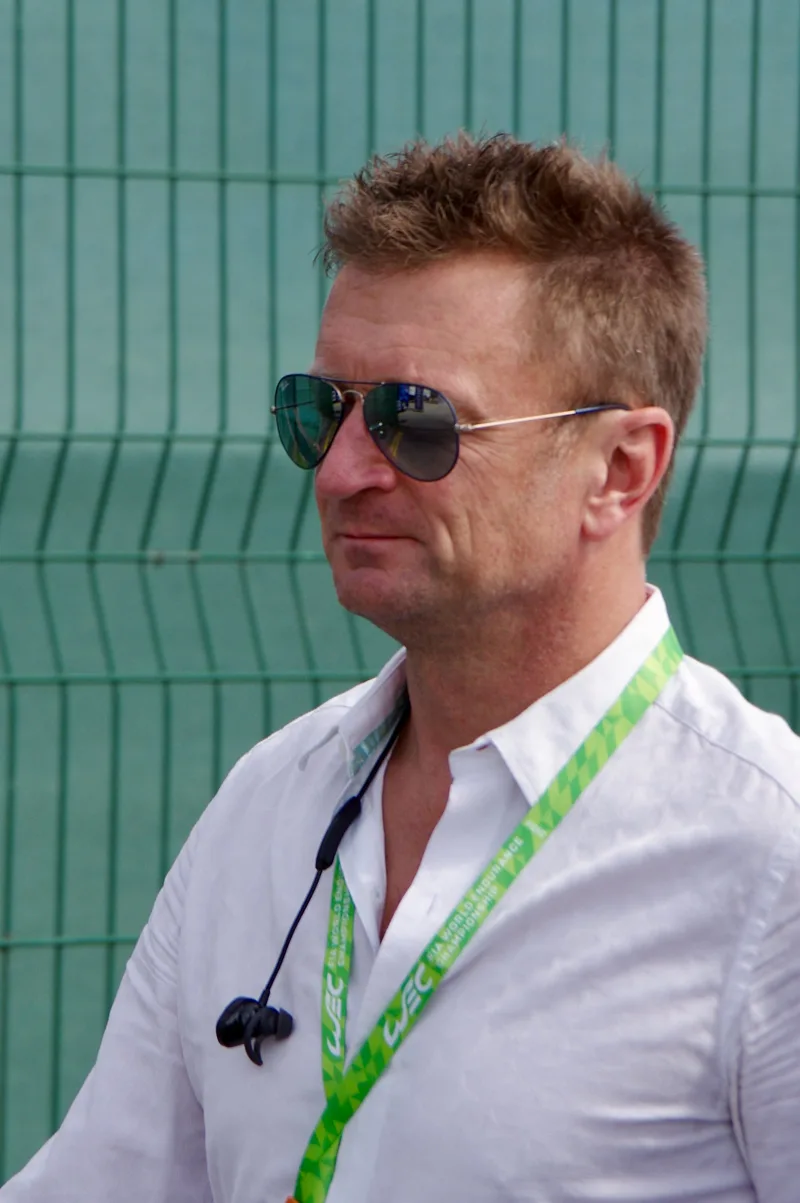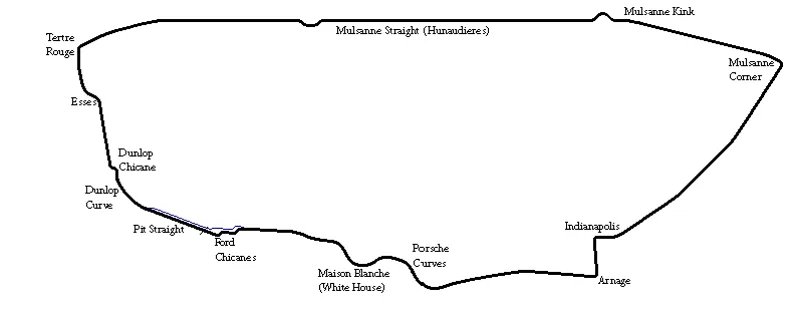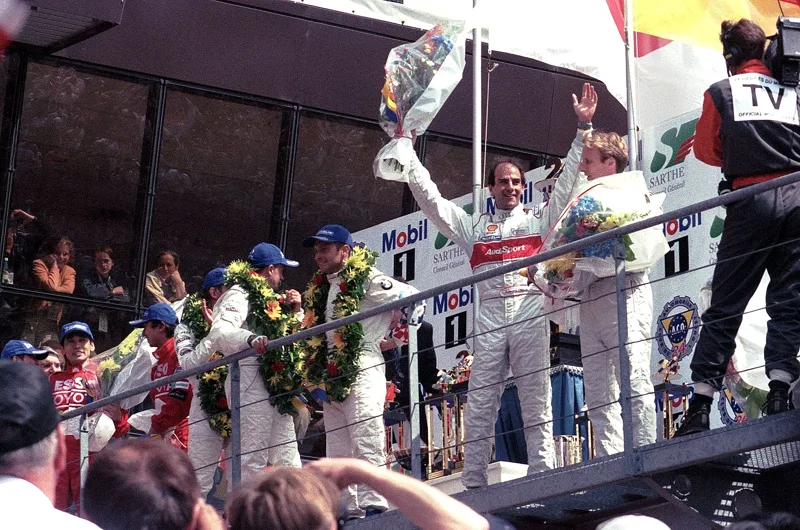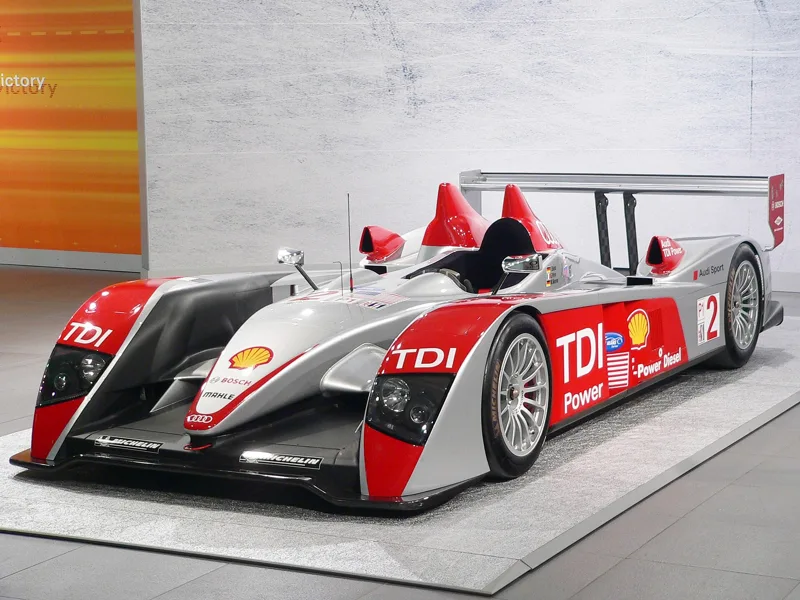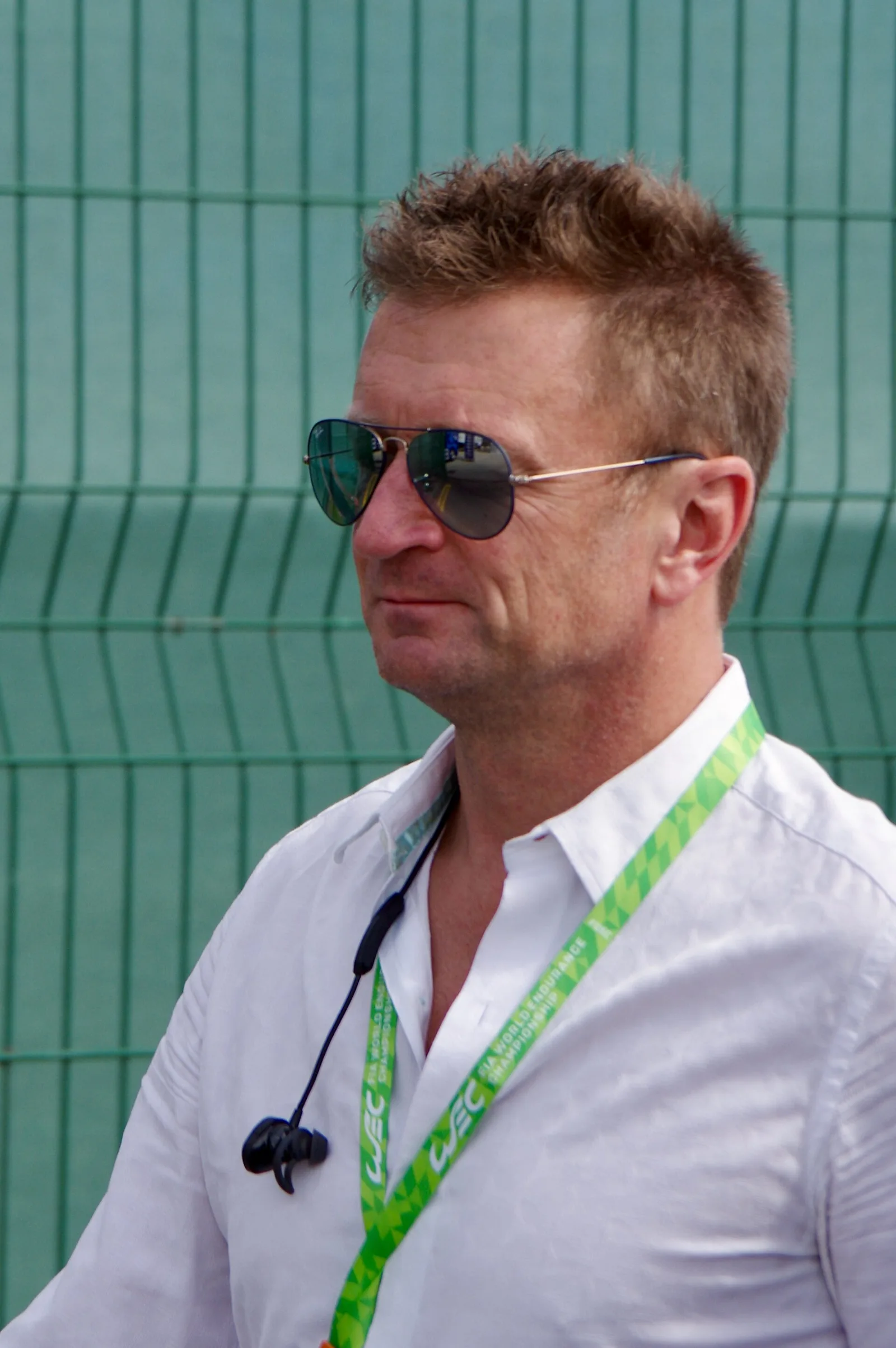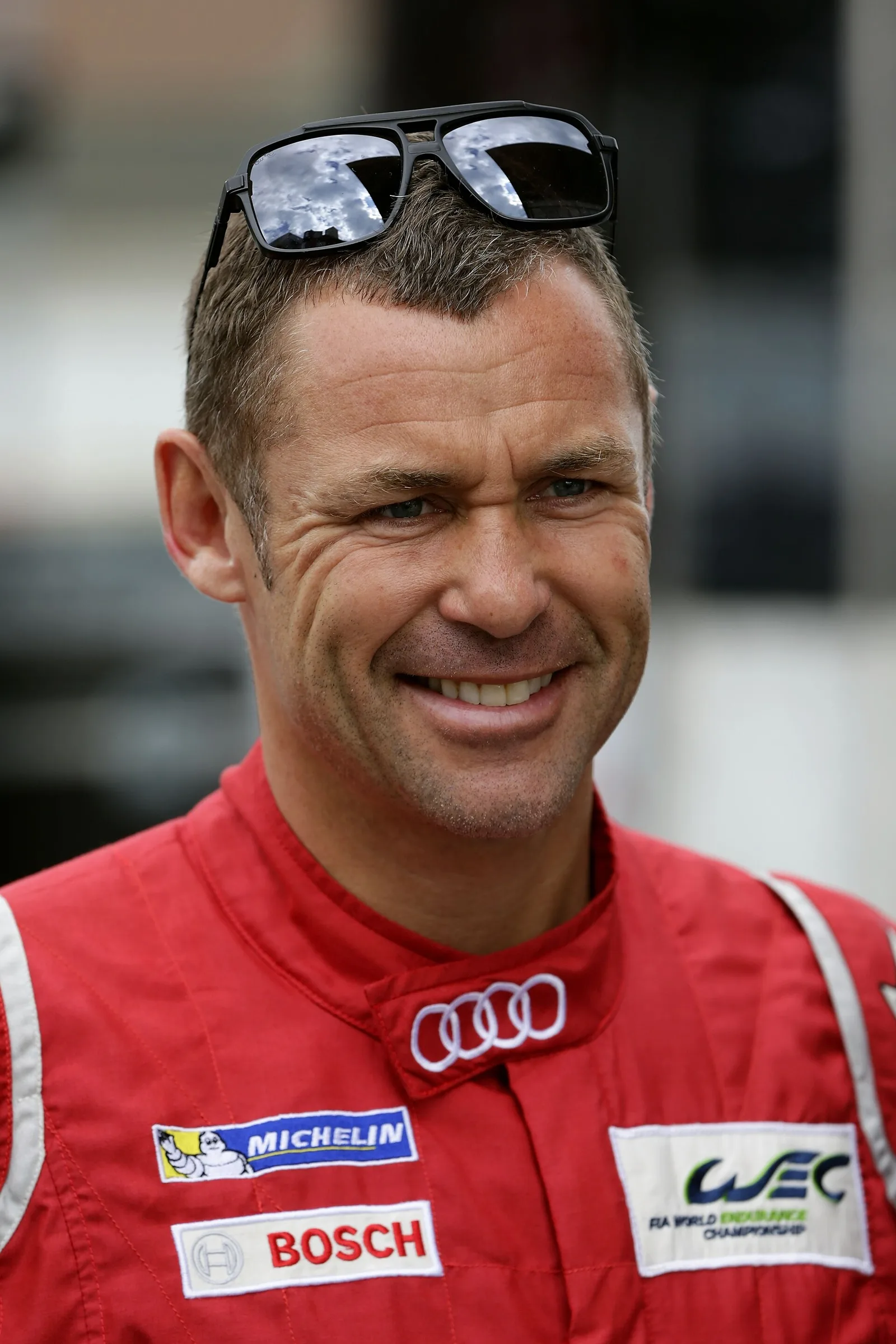
A karting champion who beat a young Mika Hakkinen in his youth, Kristensen went on to win Le Mans nine times, more than any other driver.
Denmark's Tom Kristensen holds the Le Mans record with nine wins, six of them consecutive from 2000 to 2005. He retired from motorsport at the end of 2014, after a career that included the 2013 World Endurance Championship title.
Tom Kristensen is a Danish former racing driver who holds the record for most wins at the 24 Hours of Le Mans, with nine. Six of those victories came in a row from 2000 to 2005. He is also the record winner at the 12 Hours of Sebring, with six wins, and many consider him the greatest driver ever to race at Le Mans.
How did Kristensen start his career?
Kristensen was born in Hobro in 1967, and his career began in 1984, when he started winning karting titles. In 1985 he won the Nordic Formula A series, beating a young Mika Hakkinen along the way. He then moved into Formula Ford in 1987 before his first German Formula Three outing.
He made his German Formula Three debut at Brno in 1989 with three events, then did not race again until 1991. Having completed his training as a bank clerk, he was given a full-time German Formula Three drive by Bertram Schafer, and he won the opening race at Zolder from pole. He added seven further podiums, including wins at the Nurburgring and Hockenheimring, and took the title in a controlled fashion.
The title was the platform for his next move: Japan, where he would race two series at once.
Nine Le Mans victories, six of them in a row, and a career that took a Danish karting champion to the very top of endurance racing.
What did Kristensen achieve in Japan?
Kristensen moved his racing career to Japan from 1992, competing in Japanese Formula Three and the Japanese Touring Car Championship at the same time. He made his Japanese Formula 3000 debut in 1992 and scored his first touring car win at Suzuka.
The following year he took a dominant title in Japanese Formula Three while driving for the TOM'S team. In 1994 he drove for Toyota Team Cerumo, winning at Sugo, twice at Suzuka and twice at Aida. He finished second in the touring car series, losing the title to Masanori Sekiya by a single point.
In 1995 he claimed his first Japanese Formula 3000 victory at the Mine Circuit and finished third overall in that series. He also won three races in the touring car championship and finished fifth, showing that his Japanese years had given him a strong foundation for the rest of his career.
How did Kristensen's European touring car and open-wheel years go?
He returned to Europe in 1996 to race in International Formula 3000 with Shannon Racing, then moved to Edenbridge Racing for the rest of the season. In 1997 he finished second at Silverstone, then inherited the win after a disqualification for Ricardo Zonta. He later finished third in the 1999 Super Tourenwagen Cup standings for JAS Team Honda Sport.
In 2000 he joined the Honda factory team in the British Touring Car Championship. He took his first win at Oulton Park and then won both races at the Silverstone season finale, which lifted him to seventh overall. He was also a Michelin test driver that year, working on the company's Formula One tyres.
How did Kristensen win Le Mans in 1997?
Kristensen was called up by the Joest Racing team two days before the 1997 race, as a late replacement for the injured Davy Jones. He partnered Michele Alboreto and Stefan Johansson in a Porsche WSC-95, and he set a run of fastest laps during the night.
An intended triple stint became a quadruple stint, and he also set the lap record later in the race. The team won after a late fire for the leading factory Porsche 911 GT1 handed them the advantage. It was a remarkable result given how little practice he had been able to do before the race.
BMW followed for two years, but he retired early in 1998, and in 1999 the BMW team held the lead in the closing hours, until a heavy crash for teammate JJ Lehto, caused by a stuck throttle, ended its race. Those disappointments made his return to Audi in 2000 all the more significant.
How dominant was Kristensen with Audi at Le Mans?
Very dominant. Kristensen won Le Mans in six successive years from 2000 to 2005, five of them with Audi and one with Bentley in 2003. He equalled Jacky Ickx's record of six wins in 2004 and broke it in 2005.
He dominated the 2000 race in the Audi R8 alongside Emanuele Pirro and Frank Biela, and the trio won again in 2001 in rain. In 2002 the same three became the first drivers to share victory in three consecutive years. In 2003 he joined the Bentley works team for its Speed 8 prototype, where he took pole and won with Rinaldo Capello and Guy Smith.
The 2005 win came with a two-lap advantage alongside Lehto and Marco Werner. It gave him his seventh Le Mans victory, and it was a record-breaking sixth successive win. In 2008 he won again with Capello and Allan McNish after gaining time on Peugeot during the rainy night stints.
His ninth and final Le Mans win came in 2013 with McNish and Loic Duval. He dedicated the victory to Allan Simonsen, who had died on the opening lap of the race, and the win was overshadowed by that loss.
How did Kristensen's DTM years go?
In 2004 he joined Abt Sportsline in the Deutsche Tourenwagen Masters and won at Oschersleben for his first DTM victory. He finished third in the 2005 championship after an Audi one-two at Brno, and he was third again in 2006, his most successful DTM season, after a strong run that included a win at Zandvoort.
In 2007 a heavy collision with Alexandre Premat at Hockenheim kept him out of three rounds, and he finished 14th that year. The accident had lasting effects, and he later said it took two years for all the after-effects to disappear.
His final DTM campaign came in 2009, when he finished eighth overall. That season ended his time in the series, and he moved his focus fully to endurance racing from 2010.
How did Kristensen finish his racing career?
Kristensen moved into endurance racing full-time from 2010. He won the 2013 World Endurance Championship title with McNish and Duval, then announced in November 2014 that he would retire at the end of the season. He ended his career with a podium at the Sao Paulo finale.
Earlier, in 2012, he won the first race of the new WEC series at Sebring, which made him the most winning driver in the event's history. In 2014 he was joined by Lucas di Grassi, and the team produced second places at Spa, Le Mans and Austin.
In August 2014 the Queen of Denmark made him a Knight of the Order of the Dannebrog, and in January 2018 he was inducted into the Danish Sports Hall of Fame. Those honours recognised a career that had made Denmark proud on the world stage.
How did Kristensen perform in American sports car racing?
Kristensen raced in the American Le Mans Series from 2001, finishing fourth in the drivers' standings in a dominant season for Audi. In 2001 he and Rinaldo Capello won four races and claimed two pole positions, but a crash at the season finale caused by a delaminated tyre cost him the title.
He returned in 2002 to drive for Audi Sport North America with Capello. The pair almost won at Mid-Ohio, but a fuel-saving strategy ran short near the finish, and their first win came at Road America. He clinched the 2002 title with a win at the season-ending Petit Le Mans.
How did Kristensen's 2006 Sebring win and DTM campaign run?
At the start of 2006 Kristensen repeated his Sebring victory with Capello and Allan McNish in the new Audi R10 TDI. It was a first for a diesel car in a top-level sports car race, a result that made history for diesel power at that level.
The momentum carried into his third DTM season. He finished runner-up at Hockenheim and the Lausitzring, then won from pole at Oschersleben to take the lead of the championship. A suspension failure at Brands Hatch ended a race he had been leading, and he later won at Zandvoort.
What did the 2012 World Endurance Championship season bring?
In 2012 Kristensen joined the new FIA World Endurance Championship, driving an Audi R18. He won the first race at Sebring with McNish and Capello, a result that put his name at the top of the event's list of winners.
He and his teammates scored podiums in each of the next five races, but they lost the championship to the sister car at the final round. A technical problem at Spa had earlier dropped the car to second.
How did Kristensen's 1999 and 2000 endurance results look?
In 1999 Kristensen won the 12 Hours of Sebring in a BMW V12 LMR, sharing the car with Jorg Muller and JJ Lehto. That result came in a year when he also entered several endurance events, alongside his touring car programme with the Super Tourenwagen Cup.
In 2000 the Audi R8 he shared with Emanuele Pirro and Frank Biela finished 1-2 for Audi at Sebring. At Petit Le Mans the trio finished second despite damaging the car's diffuser in a collision.
How did Kristensen's final WEC season unfold?
For the 2014 WEC season Kristensen partnered Duval and Lucas di Grassi, and the year produced fewer results than before. He then announced his retirement in November, and his career ended with a podium in Sao Paulo.
Why is Kristensen regarded as the top Le Mans performer?
Observers often rank him as the top Le Mans performer of all time, based on a record of nine wins and six successive victories. His 1997 win came as a late replacement, and his teammates' crashes in 1999 and 2007 cost their teams comfortable leads.
In both 1999 and 2007 a teammate crashed out of a comfortable lead in the closing hours. Each of those races showed how quickly a Le Mans result can change.
| Measure | Detail |
|---|---|
| Born | 7 July 1967, Hobro |
| Le Mans wins | nine |
| Consecutive Le Mans wins | six (2000 to 2005) |
| 12 Hours of Sebring wins | six |
| World Endurance Championship title | 2013 |
| Retired | end of 2014 |