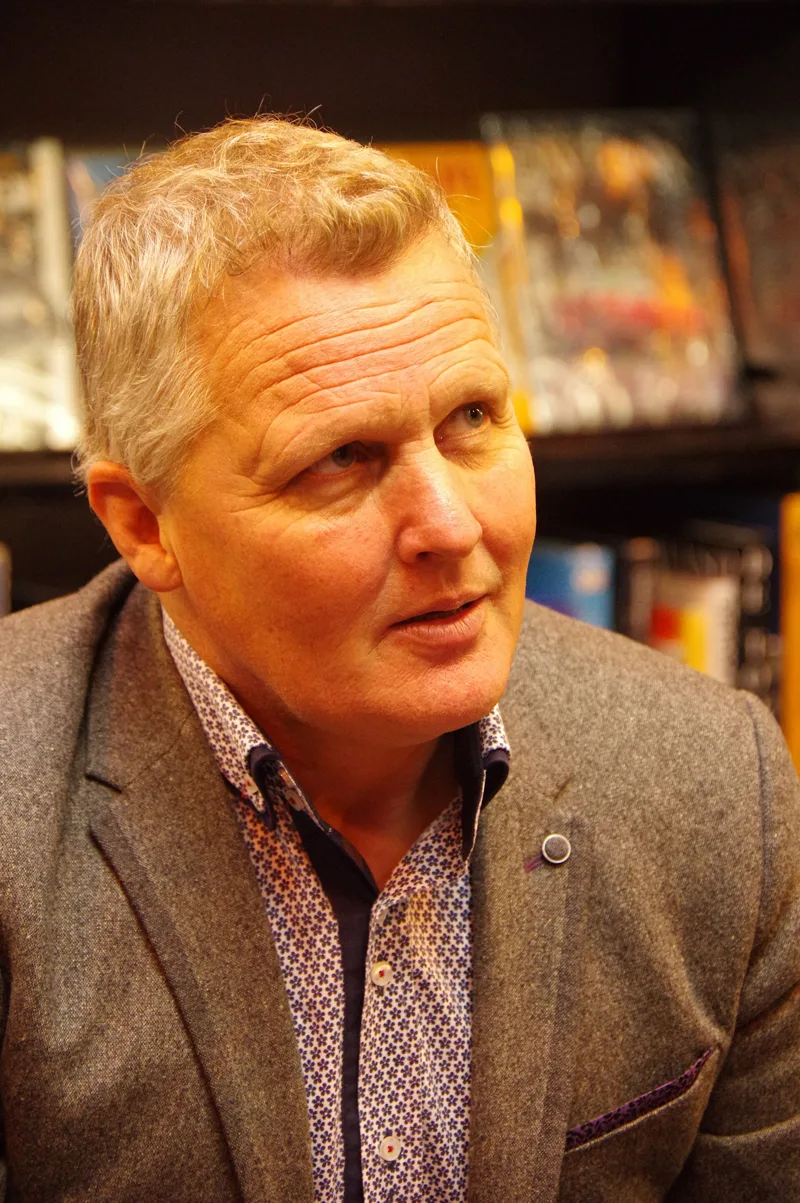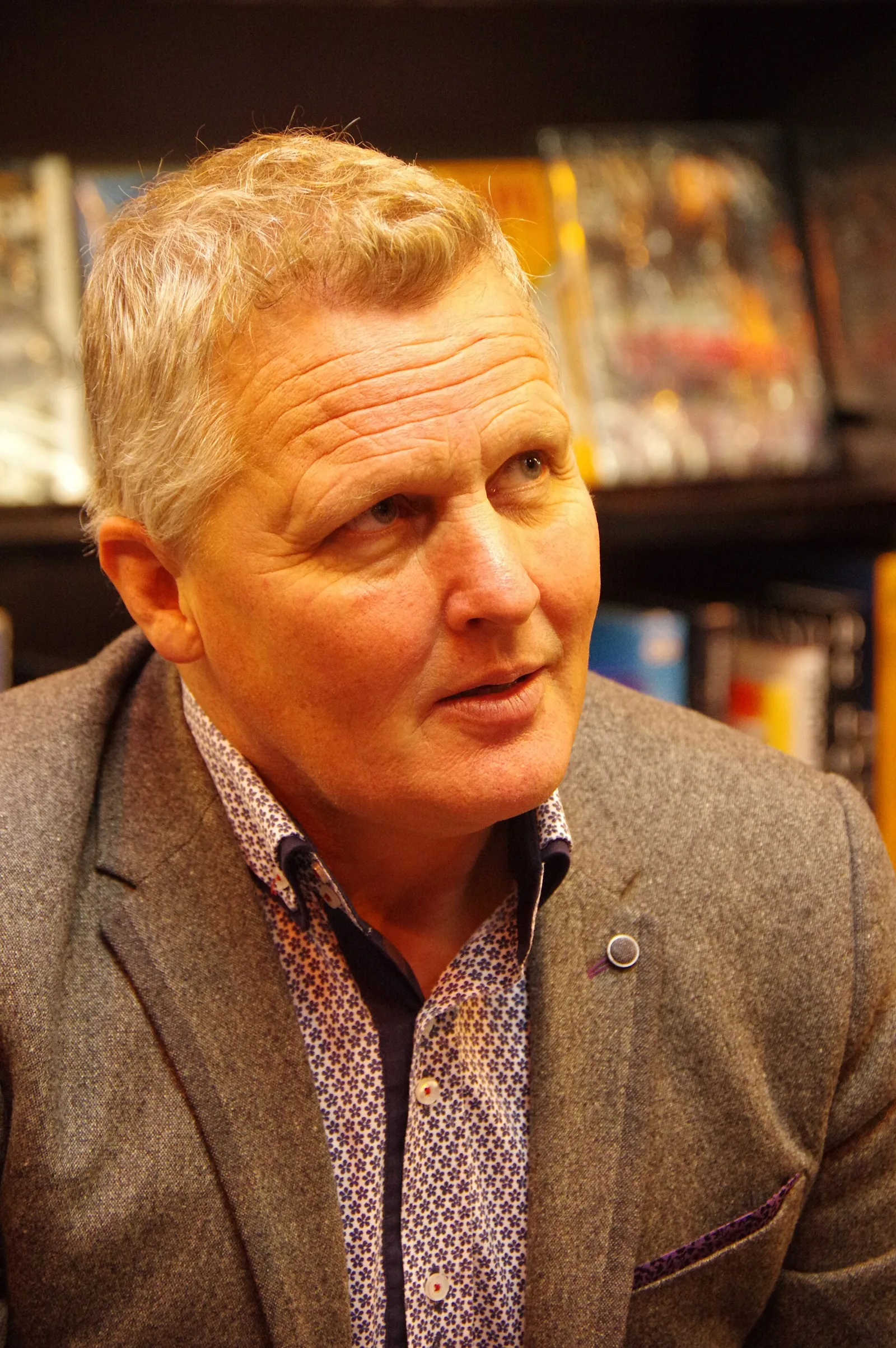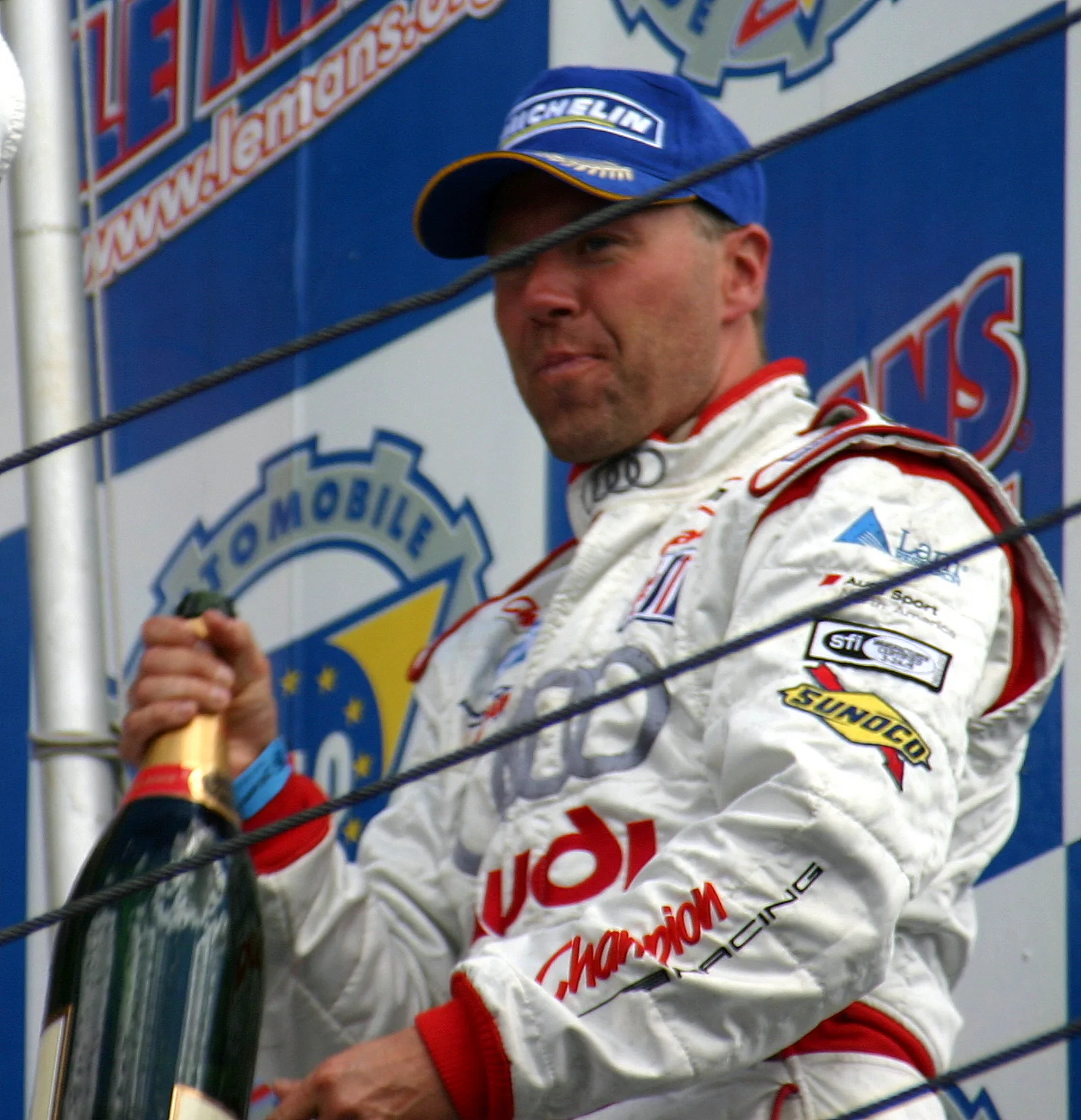
A Finnish driver who scored his first Formula One points in a rain-hit San Marino race, Lehto later won Le Mans twice and built a second career in television.
Lehto, from Finland, took part in 70 Formula One races between 1989 and 1994. He later won Le Mans twice, also took the Sebring 12-hour race in 1999 and 2005, and after racing worked as a commentator for MTV3.
Finland's JJ Lehto raced in 70 Formula One Grands Prix from 1989 to 1994, then became a sportscar winner, taking Le Mans in 1995 and 2005. Across his sportscar career he also won the 12 Hours of Sebring twice and the American Le Mans Series title in 2004, before moving into television commentary in his home country.
How did Lehto's career start?
Born in Espoo, Finland, on 31 January 1966, Jyrki Juhani Jarvilehto began karting at the age of eight and won numerous events before moving to Formula Ford at 15. A switch to single-seaters followed, and he dominated the Scandinavian Formula Ford championship before winning the British and European Formula 2000 titles in 1987.
His biggest early success came in 1988, when he won the British Formula Three title with Pacific Racing. The following year he stayed with Pacific for Formula 3000, but the team struggled and he failed to score a podium. He also missed the final round at Dijon-Prenois.
He had a notable mentor in Keke Rosberg, the 1982 world champion, who suggested that he shorten his name to the easier JJ Lehto. The name stuck through his racing career.
Few drivers had a more varied career, from a Formula One points finish in the wet to a Le Mans win on his third attempt.
What was Lehto's Formula One debut like?
Lehto had tested for Ferrari in 1989 when he made his Formula One bow with Onyx, standing in for Bertrand Gachot late in the year. He did not prequalify at Estoril, but his pace in the tough sessions earned him a start at the next meeting. At the season finale in Adelaide he climbed as high as fifth before water got into the electrics.
Onyx was then sold to Peter Monteverdi, and the team paired Lehto with Gregor Foitek. Financial problems hampered the season, and the team withdrew after the Hungarian Grand Prix. Lehto failed to qualify for five events that year, although poor preparation played a part, including a driveshaft that was fitted the wrong way round for several meetings, and favouritism toward Foitek, whose father was involved in the buyout.
| Season | Team | Highlight |
|---|---|---|
| 1989 | Onyx | Fifth at one point in Adelaide; failed to qualify for five events |
| 1991 | Scuderia Italia | Third at the San Marino Grand Prix, his first Formula One points |
| 1992 | Scuderia Italia | Best finish seventh at Spa-Francorchamps |
| 1993 | Sauber | Fifth at Kyalami on debut, fourth at Imola |
| 1994 | Benetton, then Sauber | A point in Canada, then released by Benetton |
How did Lehto score his first Formula One points?
For 1991 Lehto joined Scuderia Italia, a team financed by Beppe Lucchini, which ran a Dallara chassis with Judd V10 engines. Emanuele Pirro was his teammate. Because of the previous year's results, the cars had to prequalify, but the team soon established itself as a midfield runner.
In the soaked San Marino race he survived the carnage to take third, which brought his first Formula One points. He ran well elsewhere but finished only four other times that season, as reliability and bad luck continued to hold him back.
Why was 1992 hard for Lehto?
He stayed with Scuderia Italia in 1992, now alongside Pierluigi Martini and with Ferrari V12 engines. The Dallara B192 was badly out of sorts in the handling department, and his best result was seventh at Spa. He also failed to qualify at the Hungaroring.
Why did Lehto move to Sauber and Benetton?
For 1993 Lehto was the second driver at the new Sauber team, alongside Karl Wendlinger, running Ilmor engines. He finished fifth on the team's debut at Kyalami, a late downpour helping him through, and then took fourth place at Imola despite a late engine failure. A collision with Wendlinger at Monaco soured his relationship with both his teammate and the team, and no more points followed that year.
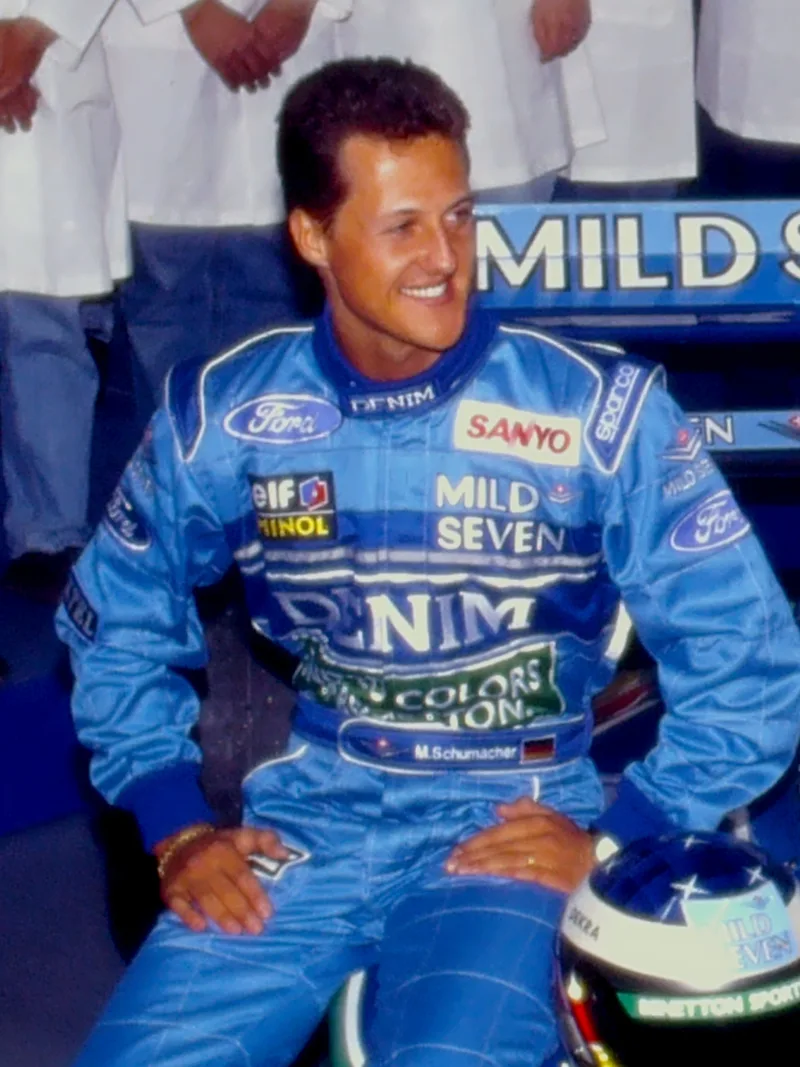
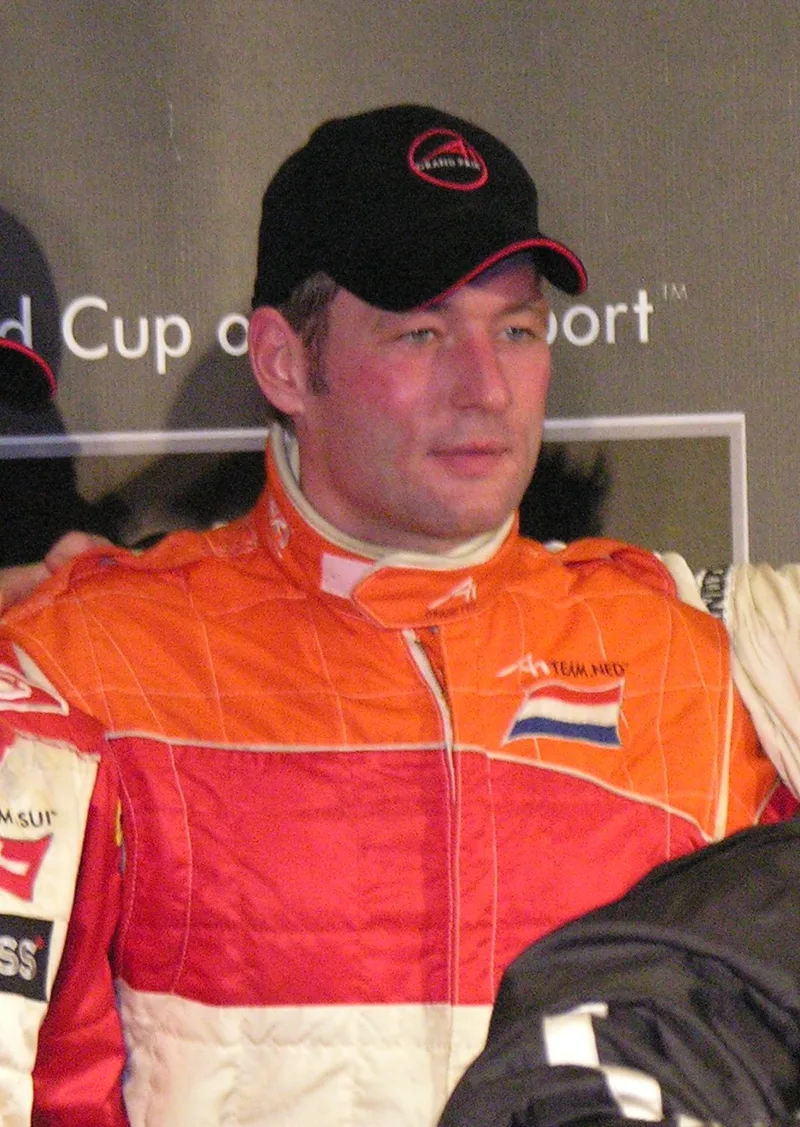
For 1994 he was picked for the second Benetton seat beside Michael Schumacher, after beating Michele Alboreto and Luca Badoer. Neck trouble from a pre-season test meant that Jos Verstappen took his place for the first two rounds. Lehto returned for the San Marino Grand Prix, where, after qualifying fifth, he stalled on the grid and was struck from behind by Pedro Lamy's Lotus.
He then ran third in Spain until his engine failed, and a point in Canada came after Christian Fittipaldi was disqualified. His injuries had not fully healed, and he was replaced by Verstappen for the French Grand Prix. A few later appearances in place of the suspended Schumacher did not impress, and Benetton released him when it signed Johnny Herbert. He finished the 1994 season by driving the last two rounds for Sauber.
How did Lehto's sportscar career unfold?
On Keke Rosberg's advice he turned to touring cars in 1995 and 1996, racing in DTM. He was rated highly, but he never won a race there. His real success came in endurance racing, where he was an integral part of a famous result at Le Mans.
In 1995 he was a late addition to the McLaren F1 GTR entry, teaming up with Yannick Dalmas and Masanori Sekiya. He drove strongly through a rainy night, sliding the car and lapping faster than the rest, and the team won outright at his third attempt at the race. He returned to the car for three more guest starts the following year, adding another win.
He then signed with BMW's works team for the first FIA GT season, alongside Steve Soper. A win at the Thunder in Helsinki gave him victory before a home crowd, but Mercedes-Benz caught up, and the title went to Bernd Schneider, a former DTM rival.
The 1998 CART season with Team Hogan did not go well, so he went back to BMW, which had entered its V12 LMR in the American Le Mans Series. He won four races there and still lost the title over a formality, because the points from his Sebring win were not awarded when he had no American racing licence at the time.
BMW then moved him into the GT class with the M3 GTR, but he lost the 2001 championship to his co-driver Jorg Muller, who had more fastest laps and laps led. In 2002 he joined Cadillac's LMP programme, which General Motors ended, and in 2003 he won four times for Champion Racing in an Audi, including the Petit Le Mans at Road Atlanta.
His first championship since his 1988 British Formula Three title came in 2004, when the factory Audi squad had left the series and he took six victories. In 2005 he added another Sebring and another Le Mans victory, and that result closed his full-time racing career.
What did Lehto do after retiring?
After retiring he became a commentator and pundit for MTV3, joining Finnish television as a race expert in 2001 and staying in the role until 2010, alongside Oskari Saari. He also returned briefly to commentary on URHO TV, covering a DTM race.
What happened in the 2010 boating incident?
A boat carrying Lehto and a friend crashed into a bridge pillar in a canal at Ekenas on 17 June 2010, injuring Lehto. The friend, whose identity was not released, was killed. Lehto had been drinking through the day, and police concluded that no one but him could have been at the helm.
In December 2011 a district court convicted him of negligent homicide and drunk boating, with a prison sentence of two years and four months. He appealed, and in November 2012 the appeal court in Turku dropped all charges, judging the evidence about who had been at the helm inconclusive.
What is Lehto's legacy?
Lehto is remembered as a quick, technically gifted driver whose Formula One career was disrupted by poor machinery and team troubles. His sportscar record, particularly his two Le Mans wins, is his most enduring achievement. His 2004 American Le Mans Series title and his 1988 British Formula Three title show the range of his career.
He is also remembered for the Ekenas incident, which led to a long legal process. He was convicted at first instance and later cleared on appeal, a result that closed the matter in law but did not end public discussion of it.