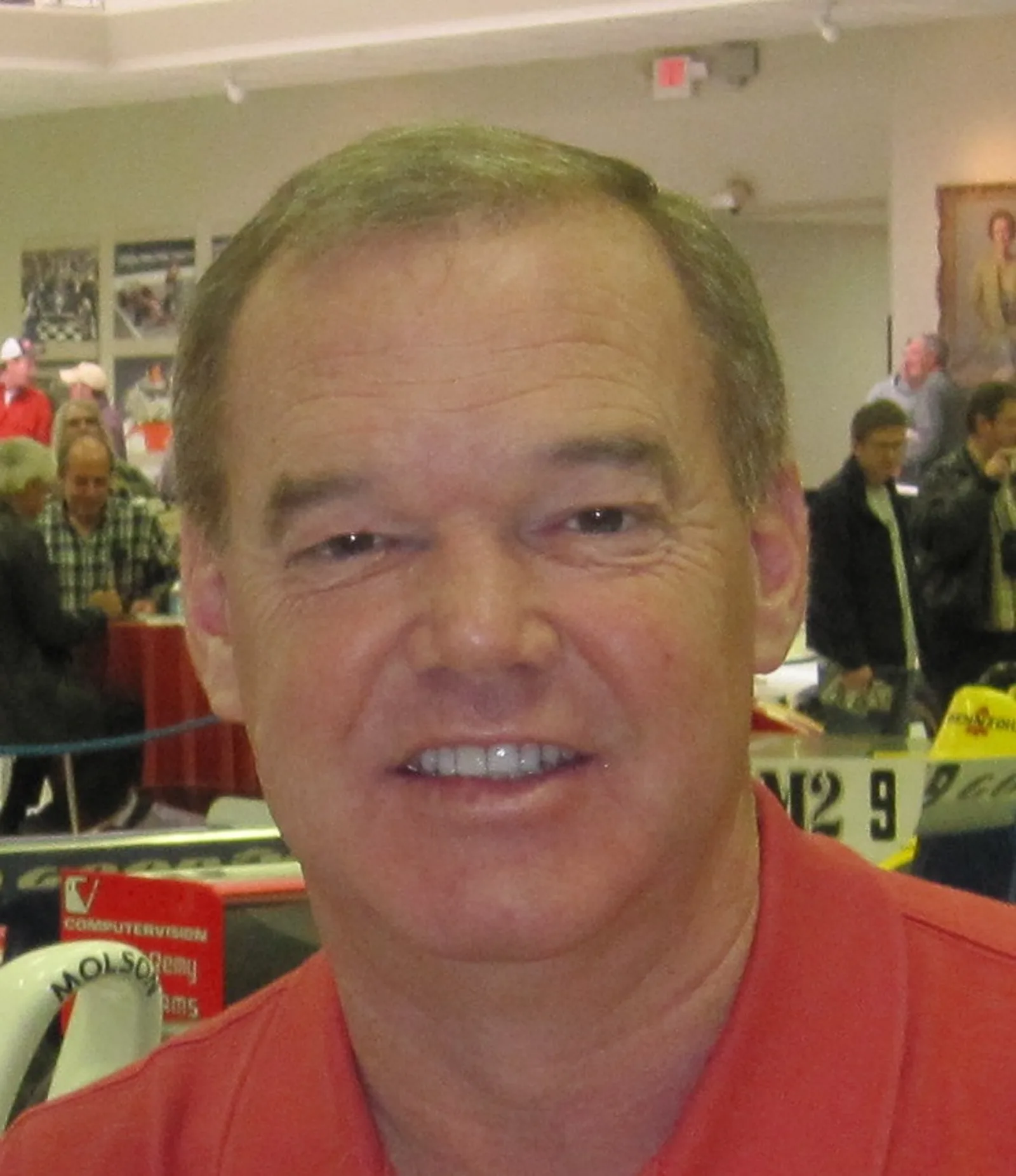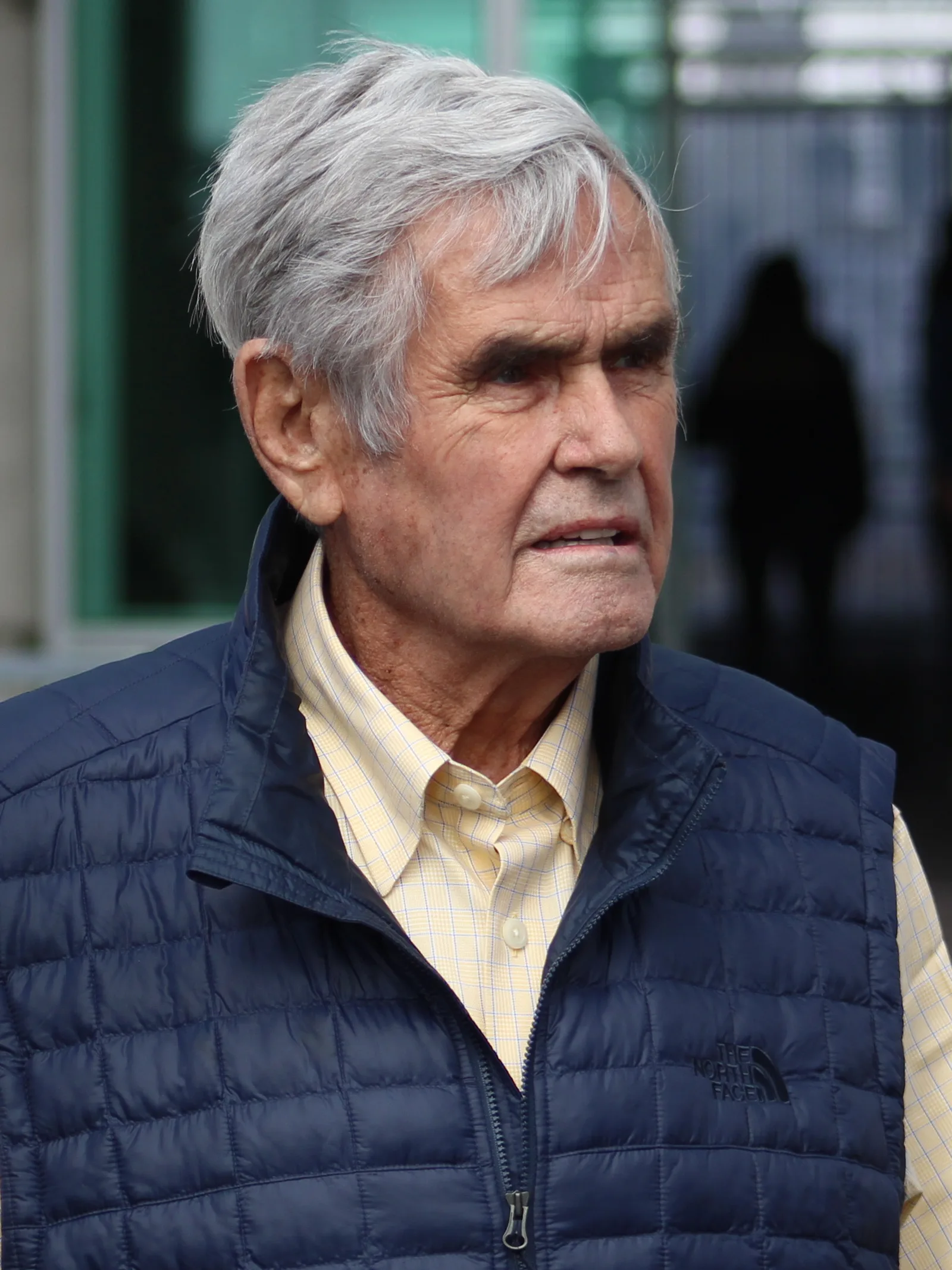
From Vel's Parnelli Jones Racing to Team Penske, the Albuquerque driver won four Indianapolis 500s and three national championships.
Al Unser was an American racing driver who won the Indianapolis 500 four times, in 1970, 1971, 1978 and 1987. He also won three national championships and raced in USAC, IndyCar, NASCAR and IROC. He retired in 1994 and died in 2021, aged 82.
Al Unser, known as Big Al, won the Indianapolis 500 four times and took three national championships in a career that ran from 1957 to 1994. He was the youngest of four Unser brothers and the father of Al Unser Jr., a family name that became fixed to the history of American open-wheel racing. He died in December 2021 at the age of 82.
How did Al Unser start his racing career?
Al Unser started competing in 1957, when he was eighteen, first in modified roadsters, sprint cars and midget cars. He came from a racing family, and his father and uncles had competed in the Pikes Peak Hill Climb in Colorado from 1926. He made his first Indianapolis 500 start in 1965 and finished ninth.
The family's racing history was marked by tragedy. Uncle Joe Unser died while test-driving a car in Denver in 1929, and the eldest brother, Jerry, was the first family member to start at the Indianapolis Motor Speedway, in 1958. He was killed by injuries from a fiery crash during a practice session the following year.
Unser's early success came in USAC. He competed in the USAC Stock Car division in 1967 and was named the series' Rookie of the Year. His middle brother Bobby, who had raced at Indianapolis earlier, became the first family member to win the race in 1968.
Four Indianapolis 500 wins, three national championships and a family name that runs through the history of American open-wheel racing.
Why did Al Unser win the 1970 and 1971 Indianapolis 500s?
Unser's 1970 season came with Vel's Parnelli Jones Racing, a team with a commanding advantage over the field that year. He led all but ten of the 200 laps, at an average of 250.654 km/h (155.749 mph), with quick pit stops helping him win. That season he also took a record ten wins across ovals, road courses and dirt tracks, and the USAC national championship.
The 1971 race was another Vel's Parnelli Jones win. Starting fifth, Unser averaged 253.850 km/h (157.735 mph), holding off Peter Revson's McLaren at the flag. His attempt at a third straight Indianapolis victory in 1972 ended when Mark Donohue beat him, leaving Unser second.
Unser stayed with the team until the end of 1977. The squad lost its edge for several years after a chassis change and a failed Formula One bid, before regaining competitive form. At the end of 1977 he left for Jim Hall Racing, closing one chapter of a partnership that had produced his two earliest Indianapolis wins.
What made the 1978 Indianapolis 500 one of Unser's best wins?
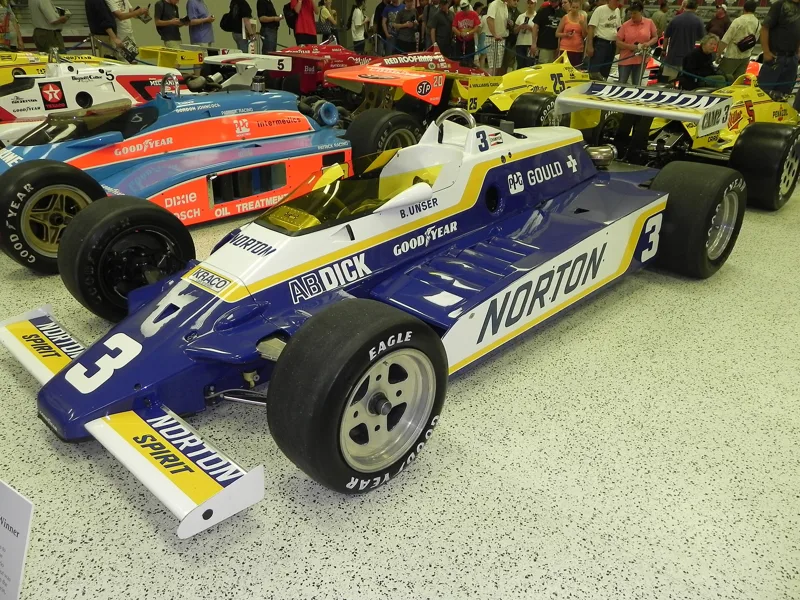
Al Unser won the 1978 Indianapolis 500 from fifth on the grid in a Chaparral Lola that had been considered a long shot. He took the lead on lap 75 and won by nine seconds after Danny Ongais's engine failed on lap 150. His average of 259.689 km/h (161.363 mph) was then the second-fastest race average ever recorded.
Going in, many saw the Chaparral Lola as a second-tier entry, if not a real outsider. Unser and Ongais traded the lead for a long spell, and once Ongais retired Unser built a lead of about 35 seconds. Right front-wing damage from a late pit stop shrank that margin over the final twenty laps, but he still won by nine seconds.
That average was not itself topped for second place for four more years. It was his third Indianapolis win.
Did Al Unser win the 1987 Indianapolis 500 after being dropped by Penske?
Yes. Penske dropped Unser for 1987, and he entered May without a ride. After Danny Ongais suffered a serious concussion in practice and the Penske PC-16 chassis proved uncompetitive, Roger Penske signed him for a third car. Unser took the lead late in the race and beat Roberto Guerrero by 4.5 seconds.
During the first week of practice Unser searched for a seat and declined offers from owners who could not promise a well-funded car. He had planned to head home if no ride came through by the close of the first week of time trials. His son Al Unser Jr. was struggling to qualify for Shierson Racing at the same time, and the father stayed to help him.
The Penske team parked its PC-16 cars and qualified back-up machines. The third car was a year-old March with a brand new Cosworth engine, removed from a team display in Reading, Pennsylvania, and rushed back into competition. Unser started 20th, worked forward as heavy attrition hit the front runners, and took the lead when Roberto Guerrero's car stalled on its final pit stop.
The winning average was 260.995 km/h (162.175 mph). The victory made Unser the oldest winner in the race's history, at 47, and only five days before his 48th birthday. It tied A. J. Foyt for the most Indianapolis 500 wins and broke the oldest-winner record set by his brother Bobby.
Which championships did Al Unser win?
Al Unser won the USAC national championship in 1970 and the IndyCar championship in 1983 and 1985. The 1970 title came with a record ten wins on ovals, road courses and dirt tracks. The IndyCar titles were built on consistency, with one win and several top-five finishes in each championship year.
His 1983 title came in his first season with Team Penske, which he joined for four years in a Penske-owned car. At the 1983 Indianapolis 500 he led 61 laps. After a battle in the late stages, Tom Sneva got past his son and then passed Unser with nine laps to go, winning by eleven seconds.
In 1986 Penske turned its attention to teammate Rick Mears, who was recovering from serious injuries. Unser cut his schedule to a few IndyCar races a year from that point.
What was Al Unser's record in NASCAR and IROC?
Al Unser was a semi-regular IROC competitor who won three races and the 1977-1978 championship. Five NASCAR starts came in total: three during the late 1960s, plus two in 1986. His final IROC start was eleventh at Michigan in 1993.
He also won the 1978 IROC title. His stock car results were modest, though he twice finished fourth, at Daytona in 1968 and at Riverside in 1969. Riverside brought him a twentieth place in 1986, and Watkins Glen a 29th.
Outside stock cars, he took a Can-Am round at Laguna Seca in 1980 and won the Daytona 24-hour sports car race in 1985. Those results came well beyond the Indianapolis oval.
How did Al Unser's full-time career end?
Unser's full-time career wound down after 1990. A crash at the Michigan 500 that year fractured his thigh bone, his collarbone and three ribs on the right side, and he sat out the 1991 Indianapolis 500 for the first time since 1969. He announced his retirement on 17 May 1994, after a final attempt with an underfunded team.
After Penske's 1990 reorganisation Unser lost his part-time ride. He joined the Patrick Racing Alfa Romeo team and ran at Indianapolis, then returned for the Michigan race, where a broken push-rod after only six practice laps caused a severe crash. He was 51 at the time and quit the team after the accident.
In 1992 Team Menard hired him after Nelson Piquet's injury. Unser finished third at Indianapolis, and his son Al Unser Jr. took the win. It was the team's best Indianapolis result, and the Buick engine completed the full 500 miles for the first time.
The next year, driving for King Racing, he led fifteen laps, which extended his career record for laps led, and finished twelfth, one lap down. His final attempt came in 1994 with Arizona Motorsports, which was short of money. After a poor qualifying lap he waved off, then quit the team that May.
What were Al Unser's main results at a glance?
| Year | Achievement | Detail |
|---|---|---|
| 1970 | Indianapolis 500 win and USAC title | Led all but ten of 200 laps; 250.654 km/h (155.749 mph) |
| 1971 | Indianapolis 500 win | Started fifth; 253.850 km/h (157.735 mph) |
| 1972 | Indianapolis 500 runner-up | Second behind Mark Donohue |
| 1978 | Indianapolis 500 win | Nine-second margin; 259.689 km/h (161.363 mph) |
| 1983 | IndyCar champion | Led 61 laps at Indianapolis |
| 1985 | IndyCar champion | Also won the 24 Hours of Daytona |
| 1987 | Indianapolis 500 win (fourth) | Margin 4.5 seconds; 260.995 km/h (162.175 mph) |
| 1992 | Indianapolis 500 third place | Team Menard; his son Al Unser Jr. won |
| 1993 | Indianapolis 500 finish | Led fifteen laps; twelfth, one lap down |
| 1994 | Retirement | Announced 17 May 1994 |
What is Al Unser's legacy in racing?
Al Unser is remembered for four Indianapolis 500 wins, the second most laps led in the race's history and the record for the oldest winner at 47. He was inducted into four halls of fame. His family has won the race nine times, and Albuquerque now honours him with a boulevard that carries his name.
Unser led 644 laps at Indianapolis, the second most in the race's history. By the end of his fourth victory he had tied Ralph DePalma's long-standing record of 612 laps led.
Beyond Indianapolis, he won eight 500-mile races overall, with Pocono and Ontario supplying four of them across 1976, 1977 and 1978. His halls of fame came in 1986 at Indianapolis, 1991 with the Motorsports Hall of Fame of America, 1998 with the International Motorsports Hall of Fame and 2020 at the Pikes Peak Hill Climb Museum.
The Unser family's name is tied to the Albuquerque racing scene. The Unser Racing Museum on Montano Boulevard was owned and operated by the family, and the city dedicated Unser Boulevard in his honour, taking ownership of the property in May 2025.
Family and final years
Unser's family record at Indianapolis is unmatched. Bobby Unser won the race three times, and Al Unser Jr. won it twice. Al is the only figure to have both a brother and a son among the race's winners, and the Unser family has won the Indianapolis 500 a record nine times.
Unser had hereditary haemochromatosis, which contributed to a diagnosis of liver cancer in 2004. Surgery in 2005 removed a tumour along with half of his liver. Cancer stayed with him for 17 more years, and he died on 9 December 2021 at his home in Chama, New Mexico, aged 82.