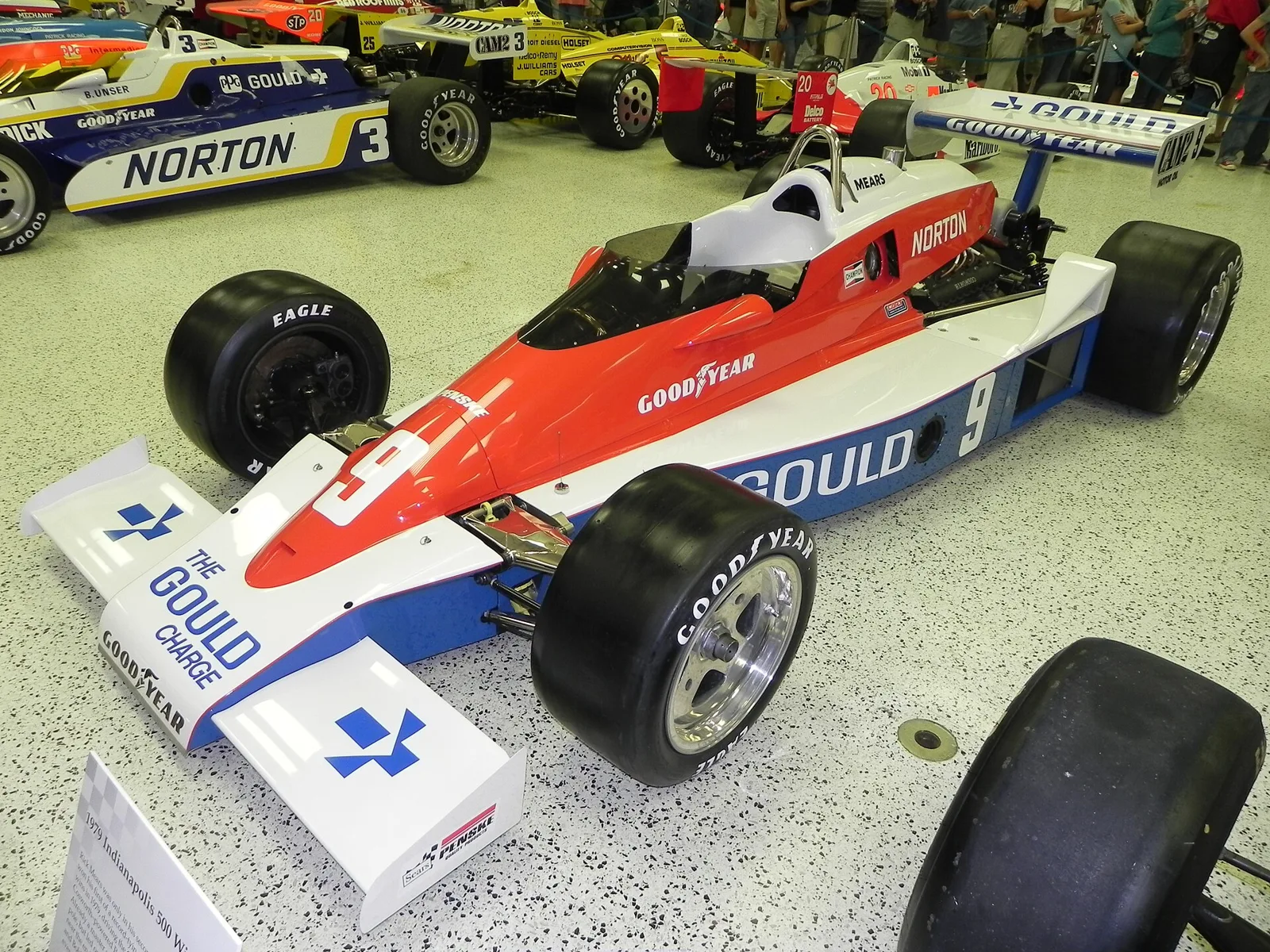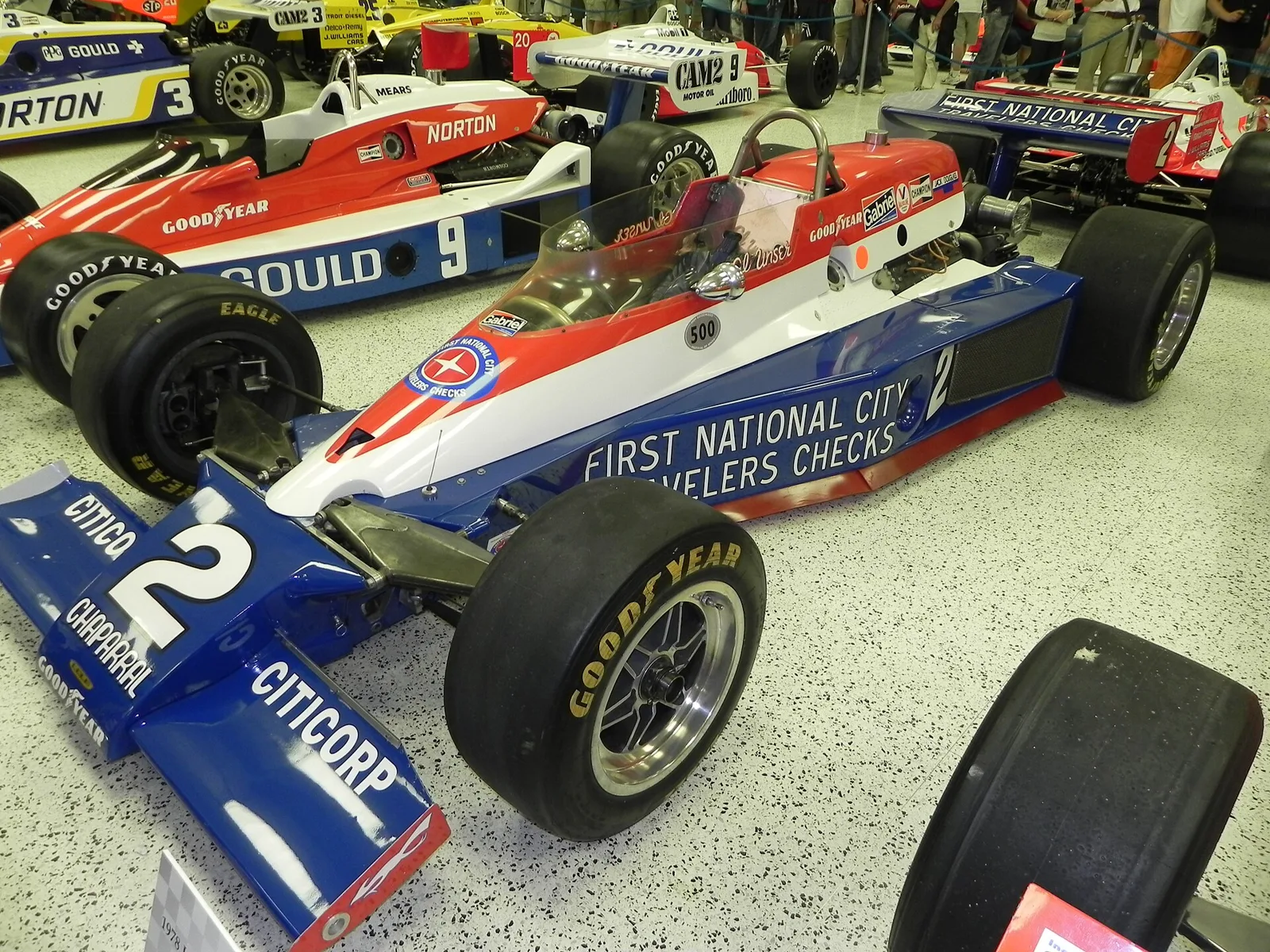
Al Unser Sr. won his third Indianapolis 500 after Danny Ongais's early lead ended with a blown engine, and a bent front wing nearly let Tom Sneva through.
The 1978 Indianapolis 500, the 62nd running on 28 May 1978, went to Al Unser Sr., who beat Tom Sneva by 8.09 seconds. Danny Ongais had set the early pace before his engine failed. The win also gave Cosworth its first Indianapolis victory with the DFX V8.
The 1978 Indianapolis 500 was the 62nd running of the race, held on Sunday 28 May 1978 at the Indianapolis Motor Speedway. Danny Ongais set the early pace until his engine failed, and Al Unser Sr. took charge in the second half before a damaged front wing threatened his lead. Unser crossed the line 8.09 seconds ahead of Tom Sneva.
Race day was hot and humid, with the temperature in the high 80s, and the heat would take a heavy toll on the field.
Who won the 1978 Indianapolis 500?
Al Unser Sr. took his third Indianapolis 500 victory, finishing 8.09 seconds ahead of Tom Sneva. Ongais had led much of the early race before his engine gave up on lap 145. The finish ranked as the second-closest the race had produced up to that time.
The victory was the fifth of the nine overall wins claimed by the Unser family. It was also his third Indianapolis triumph in the 1970s. Later that year he added the Pocono 500 to his tally, along with a second California 500 win.
Unser's Lola suffered a bent front wing on lap 180, when he overshot his pit box and clipped a spare tyre. The team refuelled the car without changing tyres, and the stop cost 17 seconds, the slowest of his day.
Danny Ongais led the early race, Al Unser Sr. won the late one and a Cosworth engine took its first Indianapolis victory.
What happened in qualifying and practice?
Rain washed out the first weekend, so pole day was moved to 20 May. Tom Sneva took pole with a four-lap average of 202.156 mph (325.339 km/h), a new track record, while Danny Ongais and Rick Mears completed the front row. Janet Guthrie qualified for her second start, averaging 190.325 mph (306.298 km/h).
On the Sunday, with no track activity possible, A. J. Foyt went to Talladega for the NASCAR Winston 500 and finished third there. Andretti, meanwhile, had left for the Belgian Grand Prix at Zolder, where he won in a Lotus 79.
Practice had already produced some fast laps. Mario Andretti set an unofficial track record, clocking 203.482 mph (327.473 km/h) on 12 May, and Danny Ongais had reached 201.974 mph (325.046 km/h) earlier in the week.
Ongais later destroyed his primary car in a crash on 16 May and had to switch to his back-up. Rick Mears joined the group of drivers who had lapped above 200 mph (320 km/h) in practice, which he did on 11 May.
Johnny Rutherford went first on pole day but could not clear the 200 mph barrier on any of his four laps, averaging 197.098 mph (317.198 km/h). Sneva had broken the 200 mph barrier the year before, and he then set one-lap and four-lap records, and his run was the first four-lap effort above 200 mph (320 km/h) in the history of the Speedway.
Mears's rookie average, 200.078 mph (321.994 km/h), set a speed record for a first-year driver, and it put him alongside Ongais, who averaged 200.122 mph (322.065 km/h).
Foyt waved off his run during the pole round. Mike Hiss stood in for Andretti in qualifying and posted 194.647 mph (313.254 km/h), good enough for eighth. Andretti returned after the Belgian Grand Prix and started 33rd at the back because of the driver switch.
On carburetion day Gary Bettenhausen skipped the session while his crew installed a new engine, and Joe Saldana also failed to turn a lap. The third-fastest lap of the day came from Andretti after his return from Belgium.
On bump day USAC set a minimum speed of 180 mph (290 km/h) to pass final inspection, and Jim Hurtubise was denied permission to qualify. He ran onto the track to disrupt Bob Harkey's attempt and was detained by police. Harkey was later bumped by Joe Saldana, and Late on, Cliff Hucul pushed Graham McRae out with two minutes of the day remaining.
| Grid | Driver | Qualifying | Note |
|---|---|---|---|
| Pole | Tom Sneva | Four-lap average 202.156 mph (325.339 km/h) | Second pole in a row |
| Front row | Danny Ongais | 200.122 mph (322.065 km/h) | Led the early race |
| Front row | Rick Mears | 200.078 mph (321.994 km/h) | Rookie speed record |
| Eighth | Mike Hiss | 194.647 mph (313.254 km/h) | Qualified Andretti's car while Andretti raced in Belgium |
| In the field | Janet Guthrie | 190.325 mph (306.298 km/h) | Second start, finished ninth |
| Thirty-third | Mario Andretti | Placed at the rear after the driver switch | Started behind the earlier qualifiers |
| Retired | Spike Gehlhausen | Crash exiting turn two on lap 26 | Outside wall on the backstretch |
| Retired | Rick Mears | Blown engine after 103 laps | Had started on the front row |
| Retired | Danny Ongais | Blown engine on lap 145 | Led 71 laps before retiring |
How did Ongais's race begin and unfold?
Mary F. Hulman gave the starting command, and Danny Ongais shot into the lead at the green flag, setting a first-lap record, clocking 185.185 mph (298.026 km/h). He controlled 68 of the first 75 laps, but his radio then failed and his crew had to communicate by signboards.
Early on, Sheldon Kinser stalled on the backstretch and a three-lap yellow followed. Mears made an unscheduled stop after realising that he had not fastened his helmet strap properly, and he had nearly lost the helmet at the start.
Krisiloff's penalty for breaching the PACER light rules briefly handed the lead to Sneva, but Ongais was past him again before long. Andretti climbed from the back to 13th in the early going, before a bad spark plug wire forced a pit stop that cost him eight laps.
Spike Gehlhausen went into the outside wall on the backstretch after a crash exiting turn two on lap 26, bringing out a caution just as the leader was in the pits.
Salt Walther retired with a clutch failure, and he vented his frustration about his chief mechanic in a heated television interview.
Unser moved into the lead on lap 76, the first time he had led, and remained in front at the halfway point. Mears's engine failed after 103 laps, and by lap 120 thirteen cars had retired in the heat.
Ongais had dominated the early stages before the engine failure ended his race. On lap 145 he limped into the pits with smoke pouring from his car. He had led 71 laps by then, almost half the race up to that point, and his engine had given up.
How did Unser hold on at the finish?
Unser's crew had been quick and efficient at the stops, which had helped him build his margin. His lead was more than twenty seconds at one point, but the bent front wing made the car harder to drive as the laps went on. Sneva closed to 14 seconds with three laps to go, then 10 seconds with one lap left.
Sneva pitted one lap after Unser, but his stop was slow and gained him little straight away. With 19 laps to run the gap was 30 seconds, and Sneva was steadily cutting it by about a second a lap.
On the final lap Johncock passed Unser to win back one of his own laps, and Unser kept the car on the track to the flag. Afterwards he explained that he had been coasting over the closing 20 laps, and that contact with the spare tyre had not hurt his handling.
The margin of 8.09 seconds made it the second-closest finish in the race's history up to that time. Dallenbach and Foyt both ran dry but still crossed the line strongly, in fifth and seventh.
Johncock and Krisiloff were each penalised a lap for separate infringements, and George Bignotti announced a protest over Johncock's penalty. The team later dropped it after footage showed that Unser had not run over his own air hose.
Why was Janet Guthrie's ninth place important?
Janet Guthrie finished ninth, and that result stood as the best finish by a woman in the race until 2005. She had fractured her wrist in a charity tennis match two days before the race and did not reveal it until after the finish.
Guthrie qualified for her second start with an average of 190.325 mph (306.298 km/h), enough to put her in the field. Her ninth-place finish came in a race where thirteen cars were out by lap 120, which shows how punishing the heat was. Her 1977 qualification had made her the first woman in the field, and in 1978 she returned to the same challenge.
Why did the Cosworth victory matter?
Al Unser's victory was the first Indianapolis win for the Cosworth DFX V8, an engine from a British builder. Cosworth went on to win the race for a decade afterwards, beginning with this result.
The British-based company's engines went on to dominate the event in the years that followed, and the DFX was central to that run of success at the Speedway.
Every car in the field ran Goodyear tyres that year, which meant the engines and chassis set the differences between the leading machines.
What else marked the 1978 month?
Tony Hulman, who had run the Speedway since 1945, had died the October before. His widow, Mary F. Hulman, became chairperson of the board and gave the starting command for the first time. The starting words were adjusted again to recognise Guthrie's presence in the field.
Sneva's one-lap and four-lap records from pole day would stand until 1982, when the rules changed.
The race came five weeks after eight USAC officials died in a plane crash. Discontent among competitors over organisation and poor revenue was growing, and the 1978 race was the last Indianapolis 500 held before CART was formed and the open-wheel split followed.
The second annual Miller Pit Stop Contest was held on 25 May. Johnny Rutherford was fastest in qualifying at 12.89 seconds, and McLaren won the final against the Dickson-Looper team. Mike Hiss, who had stood in for Andretti in time trials, served as the radio driver expert.
Unser's year was remarkable, and his earlier wins at Indianapolis had come in the same decade. His 1977 California 500 victory at Ontario had come the September before, and in 1978 he added the Pocono 500 and a second California 500 to complete a sweep of the three 500-mile races. As of 2015 he remained the only driver to have done so in a single season.