A Styrian mountain circuit that grew from the fast, dangerous Osterreichring into a Red Bull-owned venue for Formula One and MotoGP.
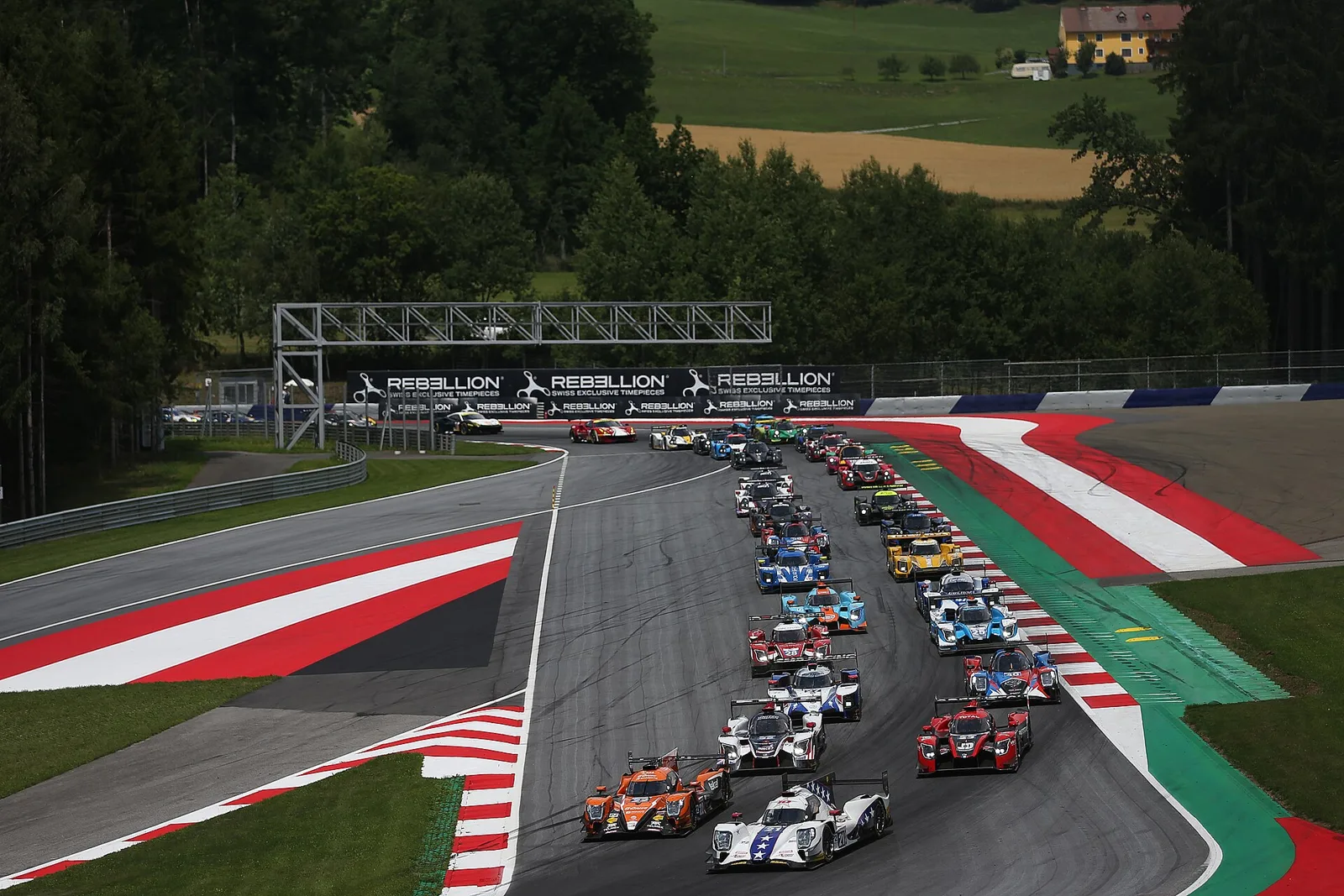
The Red Bull Ring is a 4.326 km (2.688 mi) Austrian track in Styria that began as the Osterreichring in 1969. It hosted the Austrian Grand Prix from 1970 to 1987 and reopened as the Red Bull Ring in 2011. Formula One returned there in 2014.
Spielberg's Red Bull Ring sits in Styria, Austria, and measures 4.326 km (2.688 mi) today. The venue started life as the Osterreichring, was rebuilt as the A1-Ring, and was revived in 2011 by Dietrich Mateschitz under the Red Bull name. Its history combines a fast, dangerous past with a shorter, safer present.
Between 1970 and 1987 the track staged the Austrian Grand Prix in 18 straight seasons, and it did so again from 1997 to 2003. It has since returned to Formula One and MotoGP.
Where did the Osterreichring come from?
The Osterreichring was built in 1969 to replace the bumpy Zeltweg Airfield circuit across the expressway. It sat in the Styrian mountains and was a visually spectacular, narrow and fast track, with a 65 m (213 ft) change in elevation from its lowest point to its highest.
Almost every corner was a fast sweeper, taken in no lower than third gear in a five-speed gearbox or fourth gear in a six-speed. The track was only 10 m (11 yd) wide in all places, which made it demanding for drivers.
The start-finish straight was about 10 m (33 ft) wide, while most others were 12 to 15 m (40 to 50 ft), and the cramped start made multi-car shunts common. The 1985 race was stopped after one lap following a start-line accident that took out three cars, and the 1987 race had to be restarted twice.
A narrow mountain sweep that once tested every driver, now rebuilt as a shorter circuit with a racing future.
Why was the Osterreichring so dangerous?
Speed and narrowness combined to make the circuit dangerous. The Bosch Kurve, a 180-degree banked downhill right-hander with almost no run-off, was the most feared corner, and it produced serious accidents over the years.
In 1986 Derek Warwick's BMW-engined Brabham BT55 was clocked at 344 km/h (214 mph) approaching the Bosch Kurve, at a time when turbos produced upwards of 1,400 bhp in qualifying.
Other corners were testing too. The Voest-Hugel was a flat-out 290 km/h (180 mph) right-hander that led into the 240 km/h (150 mph) Sebring-Auspuff Kurve, which had to be taken correctly to set up the long straight to the Bosch Kurve.
Lives were lost on the circuit. Hans-Peter Klampfer died after a collision at the Bosch Kurve, Hannes Wustinger was killed after a crash at the Tiroch Kurve during an Austrian touring car race, and Mark Donohue died after crashing at the Hella-Licht Kurve in 1975.
The Hella-Licht Kurve was tightened in 1976 and became a chicane in 1977, making it the slowest corner on the track. Alain Prost once argued that the circuit should stay as it was, with run-off areas added where needed.
How did the early races shape the reputation?
The races of that era showed how fragile the old layout had become. Race starts produced multi-car crashes, the 1985 race ended after a single lap, and the 1987 event had to be restarted twice after increasingly serious accidents.
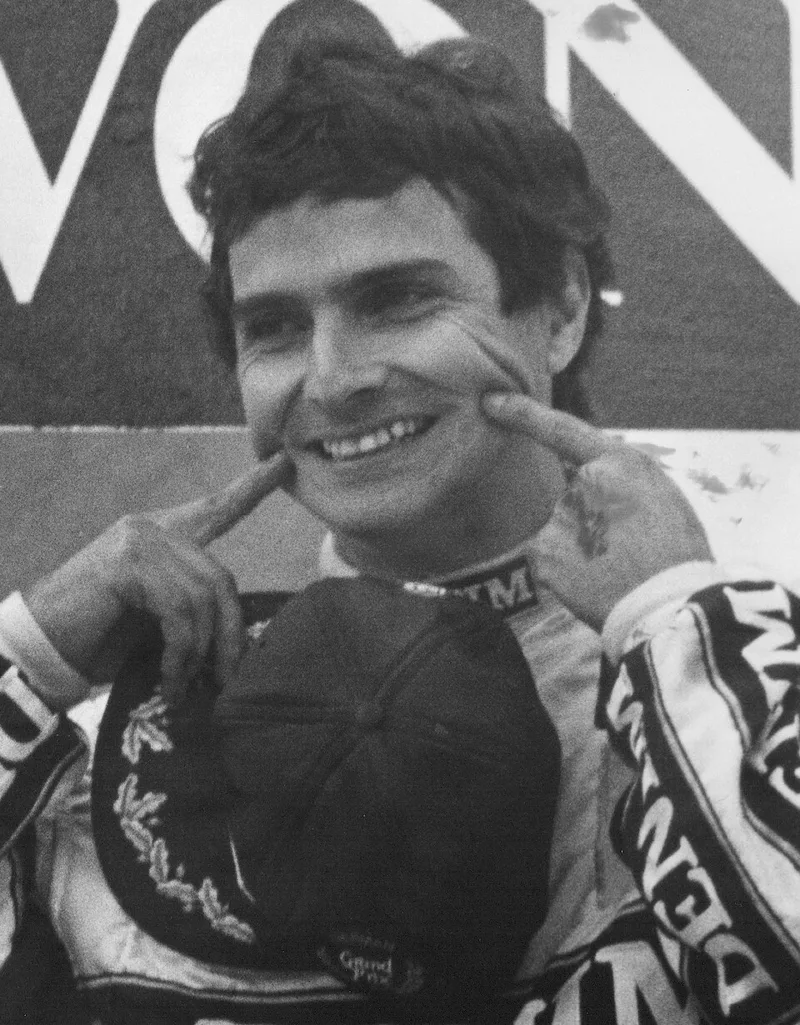
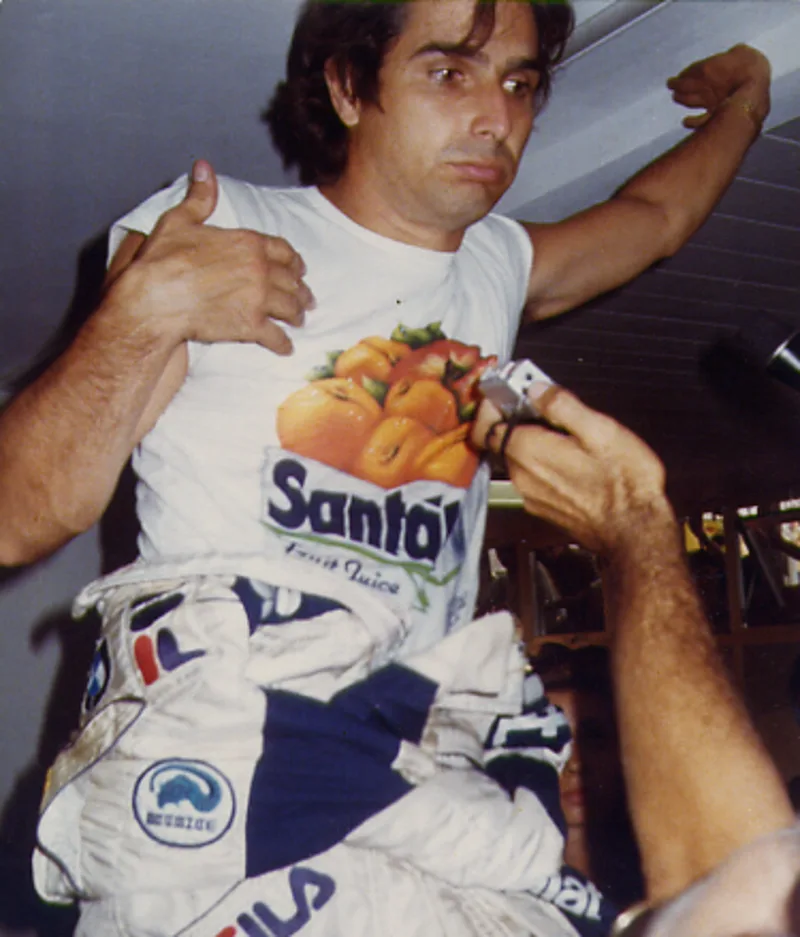
The 1987 weekend had already been disrupted in practice, when Stefan Johansson narrowly avoided serious injury after hitting a deer on a blind brow at over 240 km/h (150 mph) before the Jochen Rindt Kurve behind the pits. Nelson Piquet's pole lap that year set the circuit's average speed record on a layout that was soon to be rebuilt.
How did the A1-Ring rebuild change the track?
In 1995 and 1996 Hermann Tilke rebuilt the circuit on the same site, shortening it from 5.942 km (3.692 mi) to 4.326 km (2.688 mi) and replacing the fast sweepers with three tight right-handers. The mobile phone company A1 funded a large share of the work, so the track took its name from that sponsor.
The new design kept three long straights but added a twisty infield, a combination that forced teams into setup compromises. Between 1997 and 2003 it staged seven Austrian Grands Prix, alongside DTM events and motorcycle racing in 1996 and 1997.
The A1-Ring's Formula One era ended with the termination of the contract. The circuit was sold to Dietrich Mateschitz in 2004, and the grandstands and pit buildings were demolished that year, leaving the track unusable for motorsport.
How did Red Bull bring the circuit back?
Red Bull began a major reconstruction in late 2008, and the circuit reopened on 15 May 2011 at a special event. It was renamed the Red Bull Ring and hosted a DTM round and a Formula 2 round that same year.
The revival faced doubts. In January 2005 Mateschitz publicly ruled out spending on a circuit he considered inadequate, and in 2007 talks about a new Osterreichring with Volkswagen, KTM and Magna International failed after VW pulled out.
Throughout 2005 there was speculation that Red Bull Racing might use the site as a test venue. Alexander Wurz also claimed in 2006 that he would buy the circuit and renovate it, but that idea never came to fruition, and by 2007 the talks about a new Osterreichring with several partners had failed.
Formula One returned in 2014 after a slot opened up when the proposed New York race was postponed, and its return race took place on 22 June 2014. MotoGP also returned in 2016, for the first time since 1997.
The reopening weekend was a special event in its own right. It included displays of Red Bull-sponsored teams, including Red Bull Racing, and the FIA Historic Formula One Championship supplied the headline races, with a race each day for cars from the three-litre era.
Formula 2 had already announced in November 2010 that round 6 of the 2011 championship would be held at the venue, and the circuit also hosted a DTM round that year. Those early events gave the new circuit a place on the calendar before Formula One arrived.
What are the three eras of the circuit?
The track has had three distinct eras: the fast Osterreichring of 1969 to 1995, the shorter A1-Ring of 1996 to 2003, and the Red Bull Ring since its 2011 reopening. The table summarises the key figures for each.
| Era | Name | Length | Key points |
|---|---|---|---|
| 1969 to 1995 | Osterreichring | 5.942 km (3.692 mi) | Fast sweepers, Bosch Kurve, Austrian Grand Prix 1970 to 1987 |
| 1996 to 2003 | A1-Ring | 4.326 km (2.688 mi) | Tilke rebuild, three tight right-handers, Austrian Grand Prix 1997 to 2003 |
| 2011 onward | Red Bull Ring | 4.326 km (2.688 mi) | Reopened 15 May 2011, Formula One from 2014, MotoGP from 2016 |
The Red Bull Ring keeps the shorter layout for cars, while motorcycles use a chicane at turn 2 that was introduced in January 2022.
What did motorcycle racing bring to the circuit?
MotoGP returned to the circuit in 2016, and motorcycle races use a chicane at turn 2 introduced in January 2022. The chicane applies only to motorcycles, so cars keep the original corner sequence. Styrian motorcycle Grands Prix were held in 2020 and 2021, which gave the venue a second racing identity alongside its car layout.
In 2020 MotoGP raced there on 16 and 23 August, the second billed as a single Styrian motorcycle round. In 2021 the Styrian round was added for 6 to 8 August, one week before the Austrian Grand Prix. Jorge Martin won the first race, and the second was a surprise victory for KTM's Brad Binder on dry tyres in wet conditions.
Which series race at the Red Bull Ring now?
The Red Bull Ring hosts Formula One, MotoGP, DTM and the Formula 2 and Formula 3 championships, along with GT and touring car series. The Red Bull MotoGP Rookies Cup is held there each September, when the Austrian motorcycle Grand Prix also takes place.
The 2020 season opened here. Two Formula One races were held on 5 and 12 July, with the second styled as a one-off Styrian Grand Prix, and Austria hosted the opening round of the World Championship for the first time.
In 2021 the Canadian Grand Prix was cancelled and the Turkish Grand Prix was postponed, so the circuit hosted two races again. Max Verstappen won both from pole. MotoGP also held a Styrian motorcycle Grand Prix that year, and Jorge Martin took the first win of his premier-class career.
Why is the first corner named after Niki Lauda?
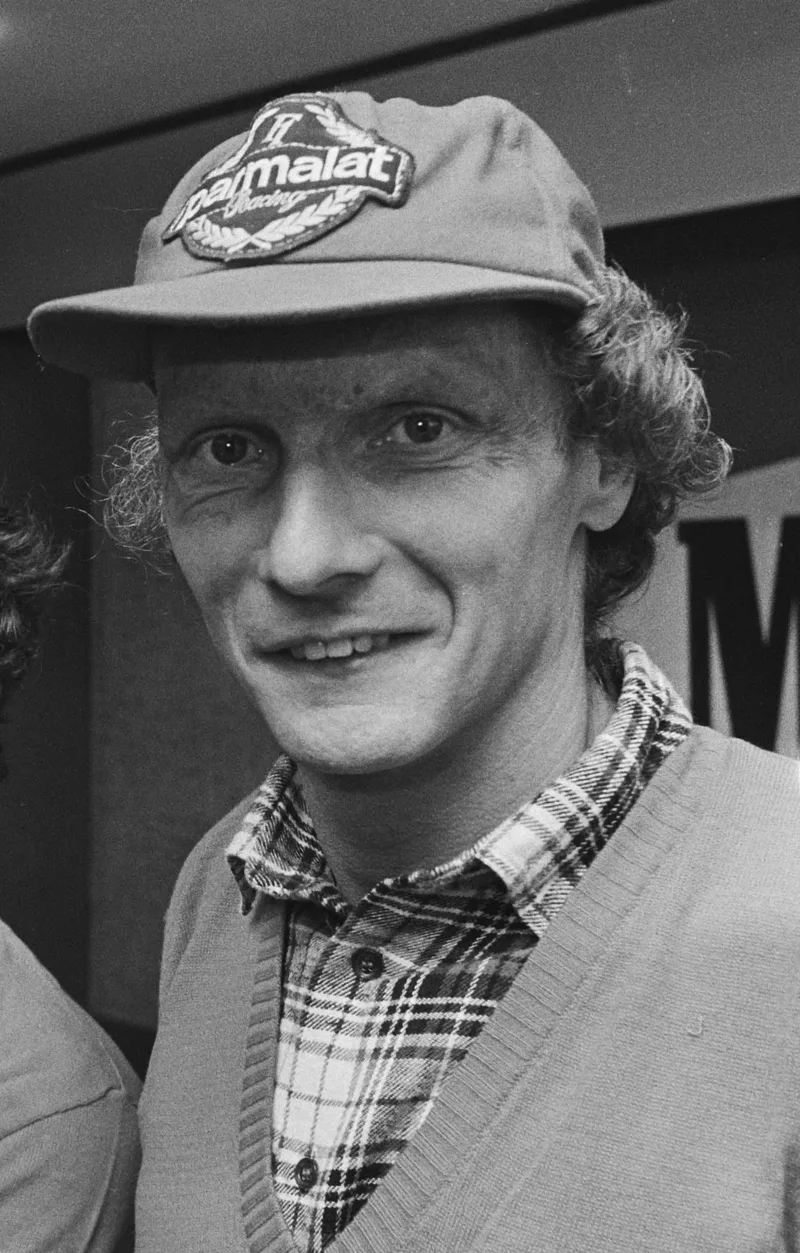
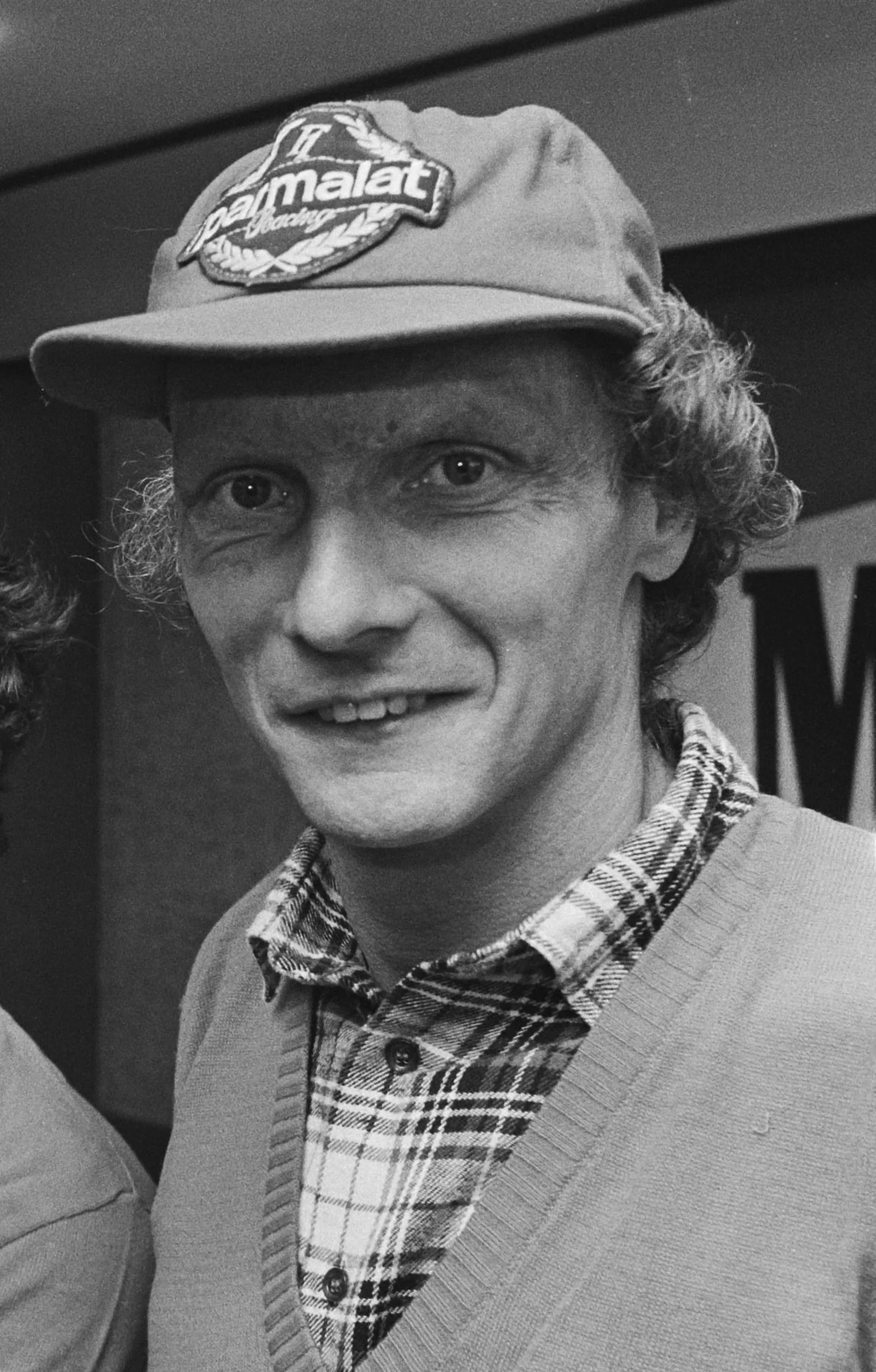
The first turn was renamed the Niki Lauda Turn on 30 June 2019, in honour of the three-time Formula One champion. Lauda remains the sole Austrian to have won his home race, which he did in 1984.
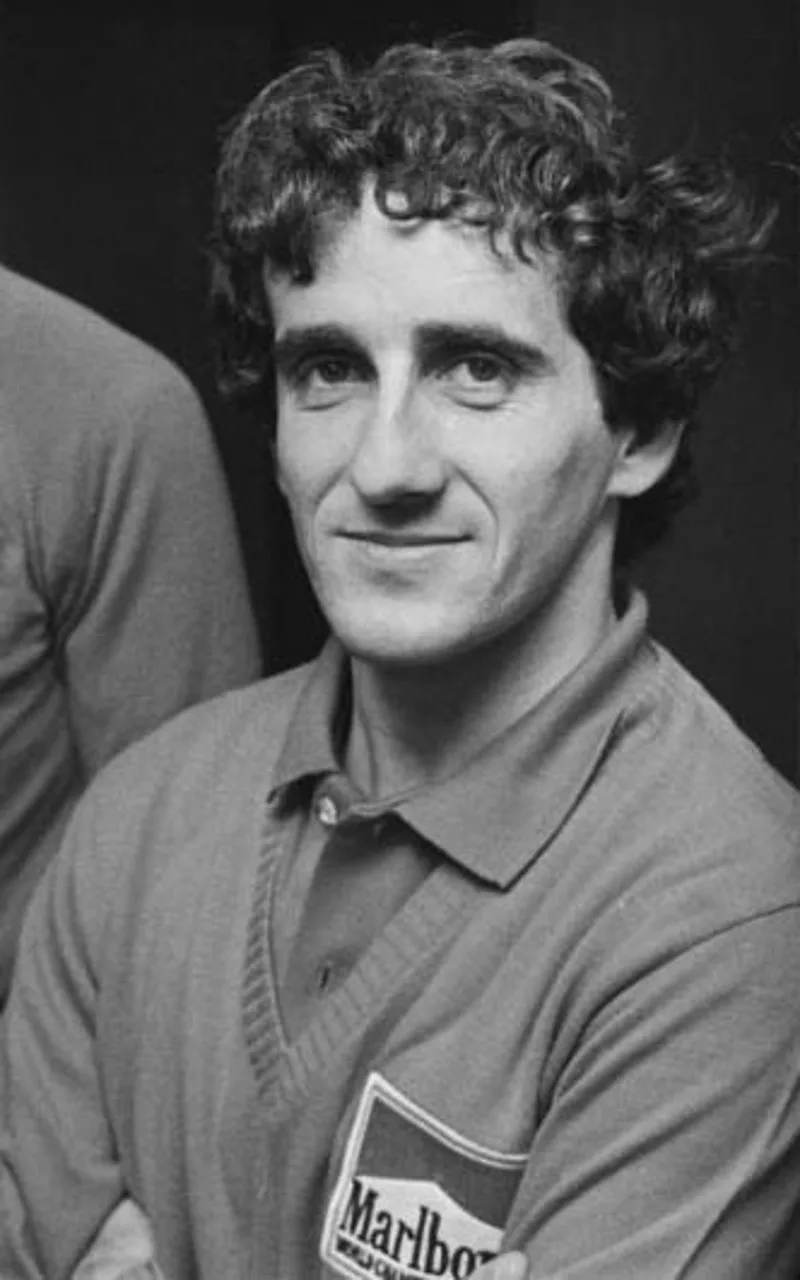
Lauda won the 1984 Austrian Grand Prix in a McLaren-TAG Porsche. He went on to win his third and final championship that year, beating his team-mate Alain Prost by half a point, the smallest margin in Formula One history.
Lauda announced his retirement from driving there before the 1985 race. The renaming in 2019 gave his name to the first turn, which is the most visible tribute at the track.
What are the speed records at the Red Bull Ring?
The fastest average pole speed recorded at the Osterreichring was set by Nelson Piquet in 1987, at 256.621 km/h (159.457 mph) over 5.942 km (3.692 mi), with a pole time of 1:23.357 in a turbocharged Williams-Honda.
Only Keke Rosberg's 1985 pole at Silverstone, averaging 258.9 km/h (160.9 mph), beat it. Official lap records for the modern circuit change from season to season, so the historic averages above remain the clearest benchmark.
The circuit's record speed belongs to a different era of engines and tyres, and comparing it with the modern lap is only meaningful for historians. That is why the 1987 figures remain the reference point for the Osterreichring.