Seiji Ara, Rinaldo Capello and Tom Kristensen held off a faster sister car at Le Mans in 2004, after a fire during a pit stop, and the event's rules had been rewritten the year before.
The 2004 24 Hours of Le Mans went to the Goh-run Audi of Seiji Ara, Rinaldo Capello and Tom Kristensen, who finished 41.354 seconds ahead of the Veloqx car of Johnny Herbert. The race was held on 12 and 13 June at the Circuit de la Sarthe, and Herbert had taken pole for Veloqx.
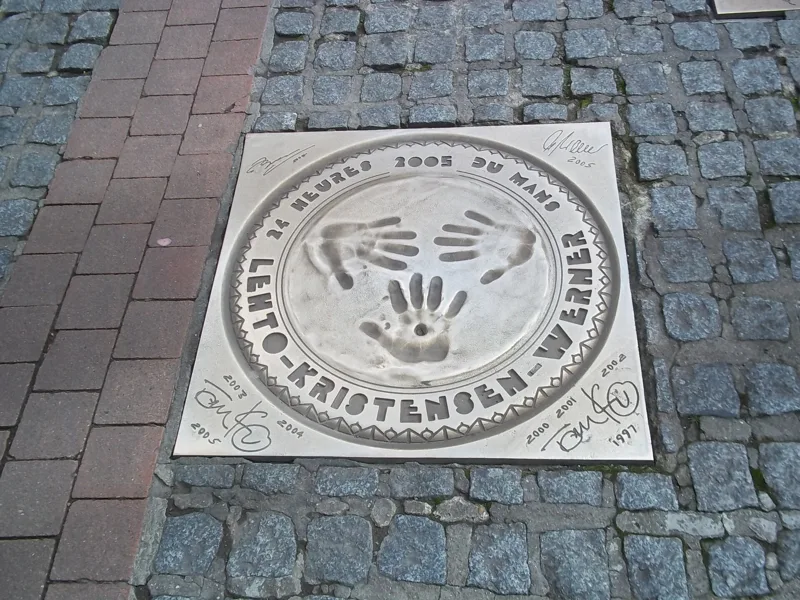
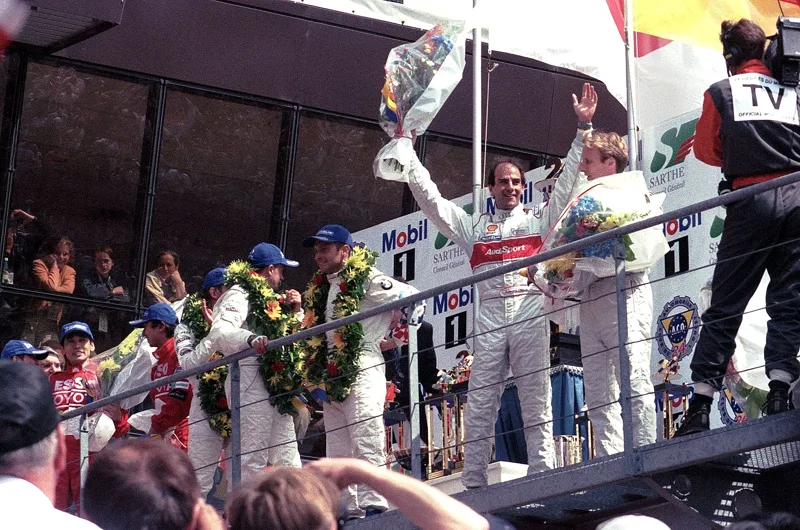
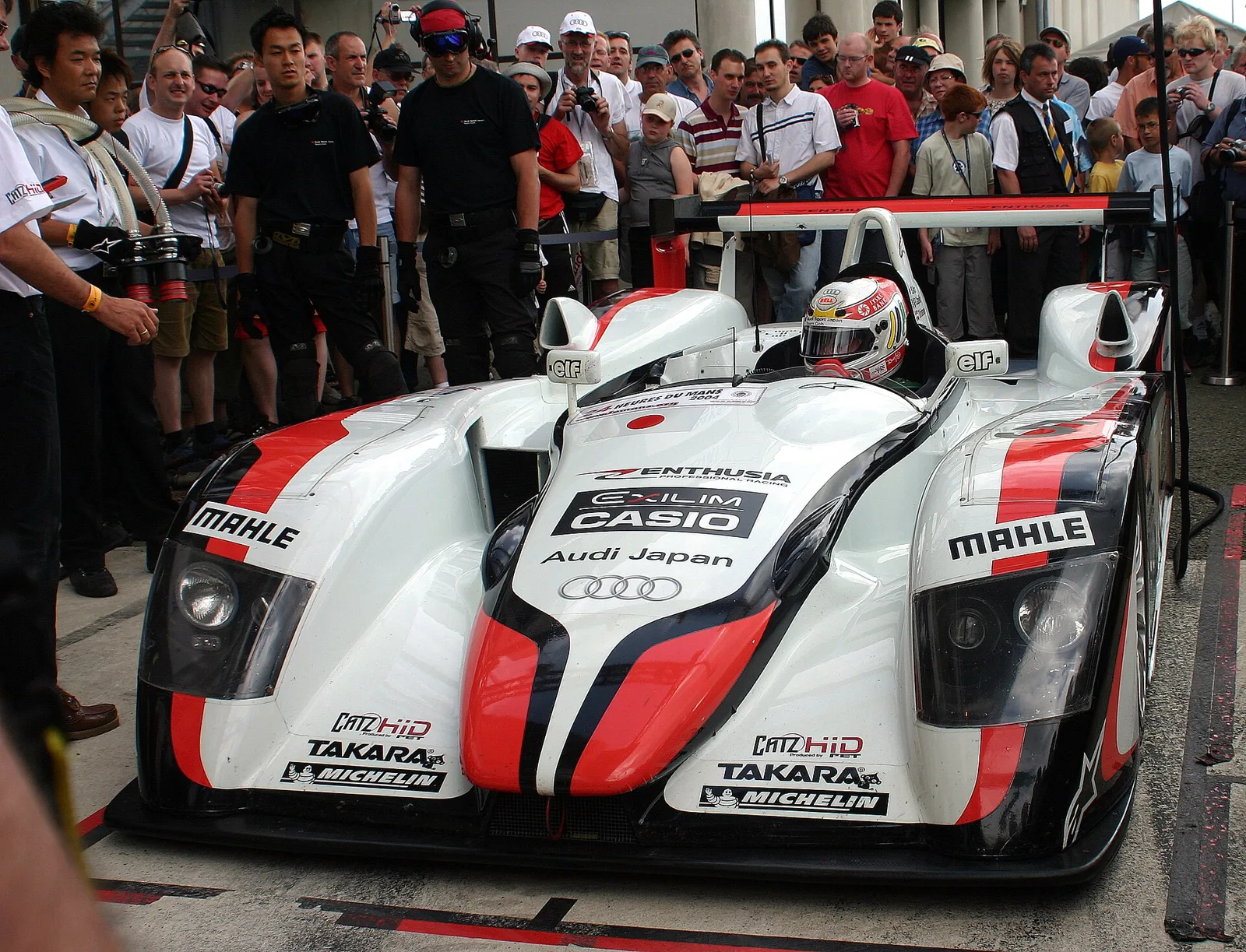
Seiji Ara, Rinaldo Capello and Tom Kristensen won the 2004 24 Hours of Le Mans for Audi Sport Japan Team Goh, holding off a faster sister car after their own Audi caught fire during a pit stop. The margin was 41.354 seconds. For Ara it was a debut win, for Capello a second, and for Kristensen a sixth, which equalled a long-standing record.
How did the 2004 race fit into the event's history?
The 72nd edition took place on 12 and 13 June on the Circuit de la Sarthe, a non-championship race for teams of three drivers. The Automobile Club de l'Ouest had organised the event since 1923, when a journalist, a club official and an industrialist (Charles Faroux, Georges Durand and Emile Coquille) agreed to hold a test of reliability and durability.
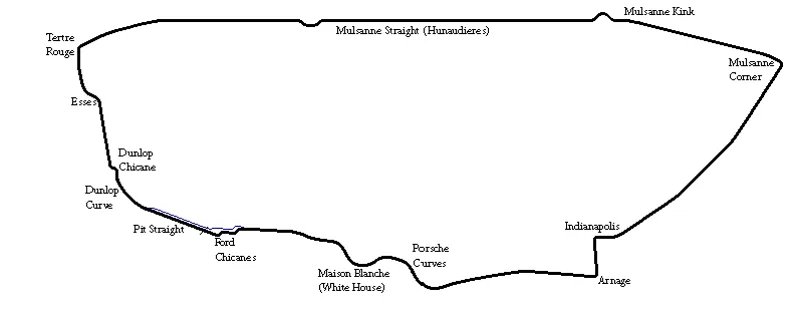
The race is regarded as one of the most prestigious motor races in the world, and it forms part of motorsport's Triple Crown. Around 200,000 people attended the 2004 event, and the circuit measures 8.482 miles (13.650 km).
Ara's Audi caught fire during a pit stop and still won by 41.354 seconds, the margin that decided the 2004 Le Mans 24 Hours.
What rule changes shaped the 2004 cars?
The Le Mans Prototype classes were reorganised for 2004. The former Grand Touring Prototype and LMP900 categories were merged into LMP1, which was open only to manufacturers. LMP675 was renamed LMP2 because it lacked a car able to challenge for outright victory.
LMP1 and LMP2 teams could choose open or closed cockpits. Maximum weights were 750 kg for LMP2 and 900 kg for LMP1, and engine capacity was limited to 3,400 cc for normally aspirated units, 2,000 cc for turbocharged units and 5,500 cc for diesels.
Cars that took off in the air, such as a 911 GT1 in 1998 and a CLR in 1999, prompted the ACO to rework the underbodies of the new cars. The rear overhang was reduced and the front increased, while the rear wing moved forward and was shortened from 2,000 mm to 1,800 mm. A 20 mm plank was added under the floor of the LMP1 cars and converted hybrids.
Skid blocks were thickened by 10 mm and air restrictors were cut by five per cent. Cars built to the older LMP900 and LMP675 rules could still enter until 31 December 2005.
How many teams applied for the 2004 race?
Seventy-seven teams applied before the entry deadline on 11 February, 40 for the prototype classes and 37 for the grand tourers. It issued 50 invitations, divided among LMP1, LMP2, LMGTS and LMGT.
Automatic invitations went to the class winners of 2003, to teams that had won Le Mans-linked events including the American Le Mans Series, and to a few second-place finishers. Entries were pre-selected to teams, so a team could not change its cars from one year to the next, although it could change category if the make stayed the same.
Several invited teams declined. Bentley, Infineon Team Joest, Pescarolo Sport, which had switched from Peugeot to Judd engines, RN Motorsport, Dyson and Alex Job Racing all turned theirs down. Champion Racing, the Goh Audi team and Lister Racing filled the spare places, reflecting their results in GT racing that year.
How did the entry list change before the race?
The ACO published its full entry list on 25 March 2004, with 50 cars and six reserves. Arena Motorsport withdrew its Dome, which promoted the Taurus Sports Racing Lola into the race, and BMS Scuderia Italia's Ferrari 550 was withdrawn after the team ran short of time to make it compliant.
Perrier's Porsche was cleared to race in its place. Car Racing withdrew its Ferrari 550 on 21 April because of a lack of sponsorship, and Chamberlain-Synergy entered a second TVR Tuscan 400R in the LMGT class.
Force One Racing withdrew its Pagani Zonda after a heavy crash at Vallelunga, which let Seikel Motorsport's Porsche in. Spinnaker Clan Des Team pulled out on 1 June, and Gerard Welter's car took its place. Courage Competition and Epsilon Sport each had to drop a C65 chassis after an engine supply deal ended, and both sourced replacement engines from JPX.
What did the pre-race test day show?
The mandatory test took place on 25 April in two daytime sessions of four hours each, with all 50 entries and two reserve cars present. McNish set the early pace in an Audi Sport UK R8 at 3:32.613, followed by Herbert and then Marco Werner of Champion Racing.
Brabham's Zytek and Katoh's Dome were the fastest non-Audi cars, fifth and sixth overall. In the Grand Touring classes, Max Papis led LMGTS in a Corvette at 3:49.982, while Jorg Bergmeister led LMGT for Porsche at 4:05.975.
Marc Lieb's Orbit Porsche lost two and a half hours because its steering rack broke after an impact with the guardrail at Tertre Rouge. A seal failure in the Taurus Lola leaked oil and diesel onto the Mulsanne Straight, and a crash by Noel del Bello's entry at Mulsanne Corner caused further delays.
How did qualifying settle the grid?
Qualifying ran on 9 and 10 June in four two-hour sessions. Each entrant had to post a time within 110 per cent of their category's fastest lap. Herbert's time of 3:32.838 in the final session gave Audi Sport UK Team Veloqx its pole, the first of Herbert's Le Mans career and the fourth of his racing career.
Audi led the early running. In the first session Herbert set 3:34.907 on the final lap, with Kristensen's Goh car more than two seconds back in second and McNish third. Jan Lammers' Racing for Holland Dome was the fastest non-Audi, in fourth place.
Pierre Kaffer damaged the No. 8 Audi when he went off at the first Mulsanne chicane. Jean-Marc Gounon's Courage C65 led LMP2 with 3:46.020, more than eleven seconds clear of its sister car, and Olivier Beretta's Corvette set the early pace in LMGTS, with Gavin lowering the time to 3:54.359.
In the second session teams made use of cooler temperatures to improve. McNish's No. 8 Audi beat Herbert's best with 3:34.683 and took provisional pole. After a collision with a Corvette at Arnage damaged the front splitter of Kristensen's Team Goh car, Werner moved the Champion Audi into fourth, completing an Audi sweep of the top four.
Sebastien Bourdais drove the No. 17 Pescarolo to fifth despite a fuel pressure problem and a minor crash by his co-driver Nicolas Minassian. The No. 15 Racing for Holland Dome improved to sixth, and the No. 6 Rollcentre Dallara was seventh.
Rain on 10 June had removed rubber from the track, but temperatures rose and drivers improved again. McNish went fastest in the session before Herbert's 3:33.024 came on a fresh gurney flap, with five minutes remaining. Brabham moved from seventh up to third, his first clear lap of the weekend.
Herbert's 3:32.838 arrived eight minutes into the last session. McNish improved his car's time after a failed fuel injector had cost him power and forced an engine change, and Brabham and Kristensen held third and fourth. Gounon's LMP2 pole lap of 3:41.126 put the Courage team on top in its class, and Enge's Prodrive Ferrari took the LMGTS lead with 3:49.438 with ten minutes left. Sascha Maassen's White Lightning Porsche secured LMGT pole with its third-session lap of 4:07.394.
What were the qualifying results by class?
| Class | Pole | Time |
|---|---|---|
| LMP1 | Johnny Herbert, Audi Sport UK Team Veloqx R8 | 3:32.838 |
| LMP2 | Jean-Marc Gounon, Courage C65 | 3:41.126 |
| LMGTS | Tomas Enge, Prodrive Ferrari | 3:49.438 |
| LMGT | Sascha Maassen, White Lightning Porsche 911 GT3-RSR | 4:07.394 |
What happened in the race itself?
Audi Sport UK Team Veloqx started from pole with Herbert, and the car led for most of the first 18 hours. A rear suspension problem caused handling difficulties until the car was fixed in the garage, and the lead went to the Goh-run Audi crewed by Ara, Capello and Kristensen.
During a pit stop the Goh car caught fire, but Ara kept the faster Herbert behind him through to the flag, winning by 41.354 seconds. Kristensen drew level with Ickx on six overall wins, and five successive victories was a first for any driver.
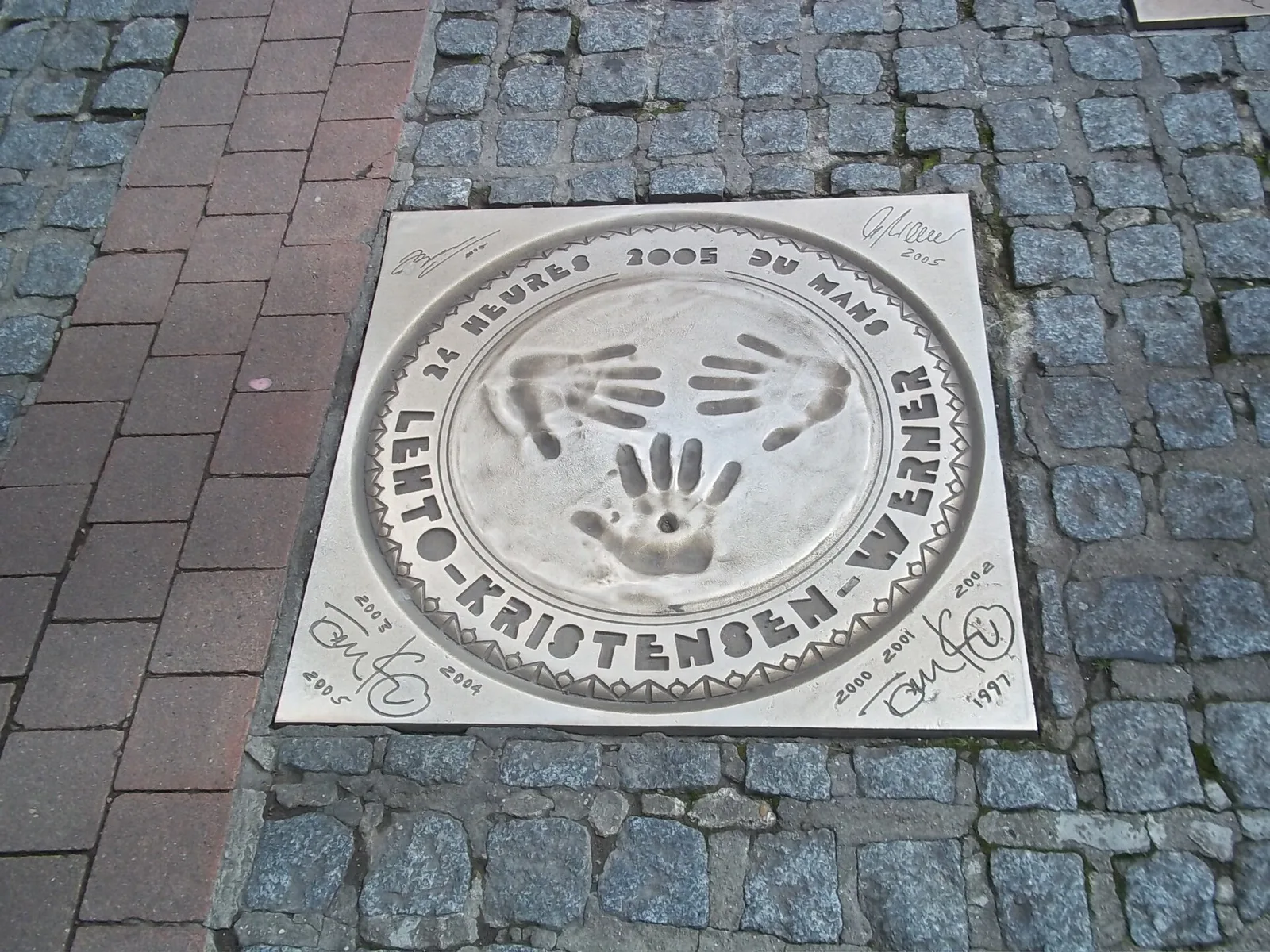
The Team Veloqx car finished second. Lehto, Pirro and Werner of Champion Racing recovered from a second-hour accident to finish third.
How did the other classes finish?
Binnie, Field and Sutherland won LMP2 for Intersport Racing in its Lola B2K/40, eight laps clear of the Welter WR LM2001 entry. In LMGTS a Corvette C5-R crewed by Beretta, Gavin and Magnussen won, and the sister entry of Fellows, Papis and O'Connell finished eleven laps adrift.
McRae, Rydell and Turner took third in a Prodrive Ferrari 550-GTS. Porsches took the first six places in LMGT, and the White Lightning 911 GT3-RSR of Jorg Bergmeister, Patrick Long and Sascha Maassen won for the second consecutive year.
Why did the 2004 result matter to Audi?
It was Audi's fourth overall win since it first triumphed in 2000. Kristensen's sixth win tied him with Jacky Ickx's six overall victories, and no driver had won five times in succession before him.
Porsche's White Lightning car secured the LMGT class again, and Porsches took the first six places in that category, which underlined how strong the GT field was that year.