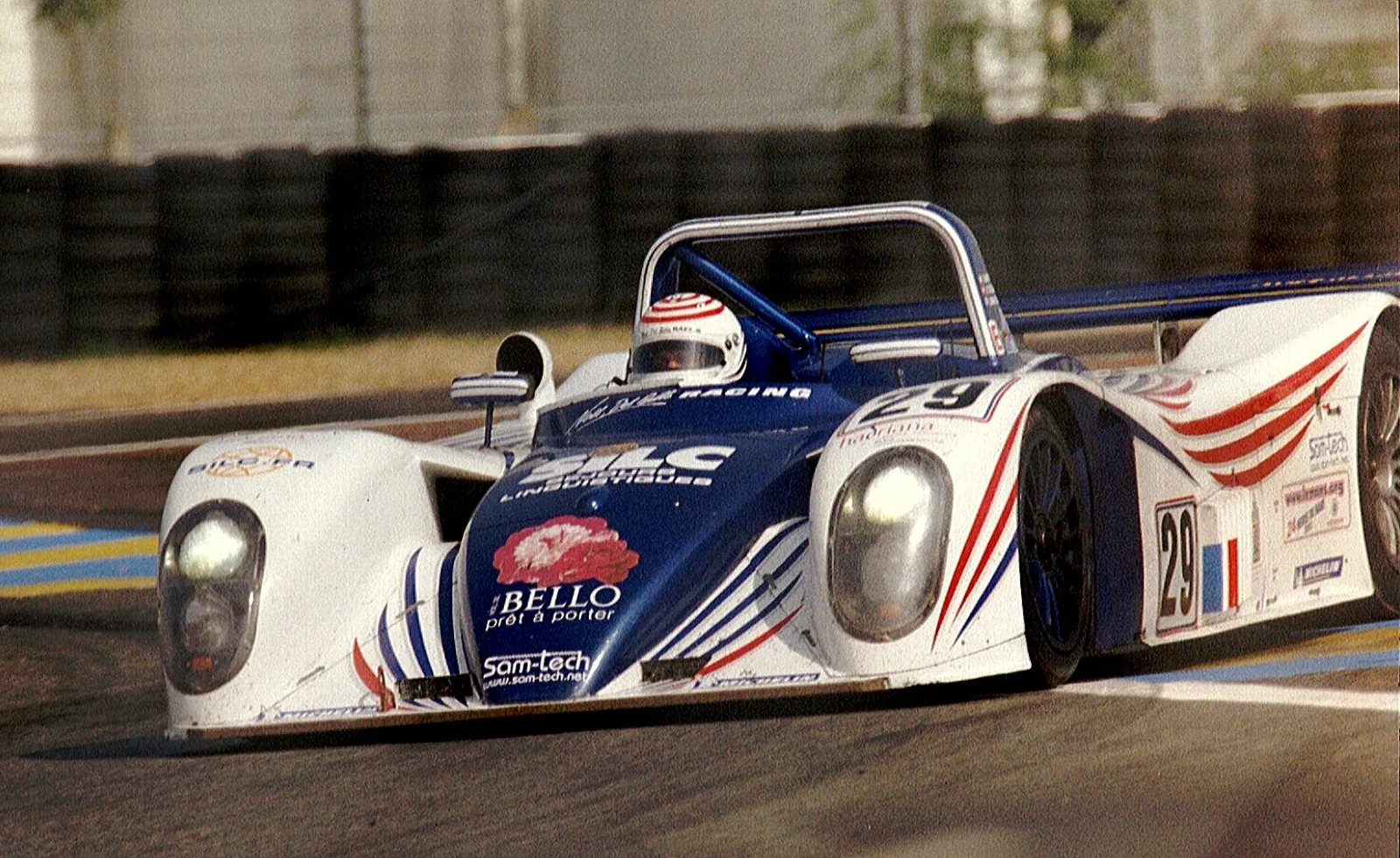
Kristensen, Capello and Smith took the Bentley Speed 8 to a two-lap win, while Ferrari and Porsche collected their class wins.
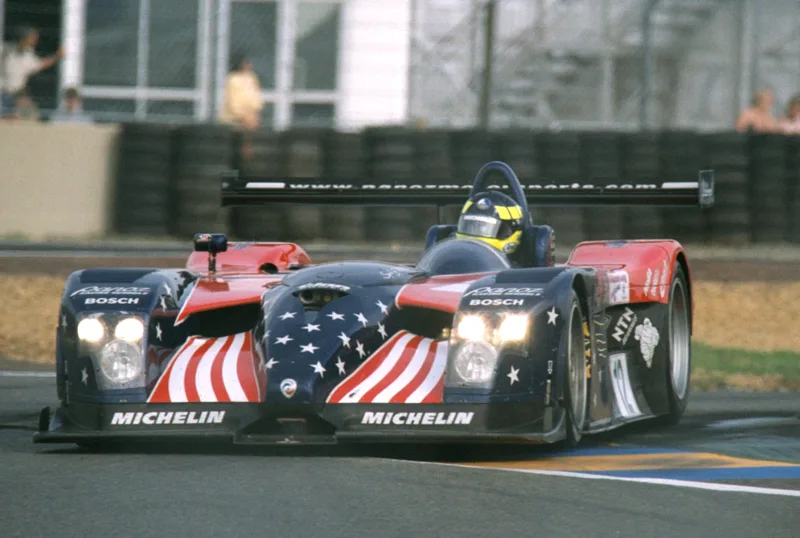
A Bentley Speed 8 crewed by Kristensen, Capello and Smith took the 71st running of the 24 Hours of Le Mans in June 2003. The car beat its sister Bentley by two laps, and the victory came at a time when Bentley had not won overall since 1930.
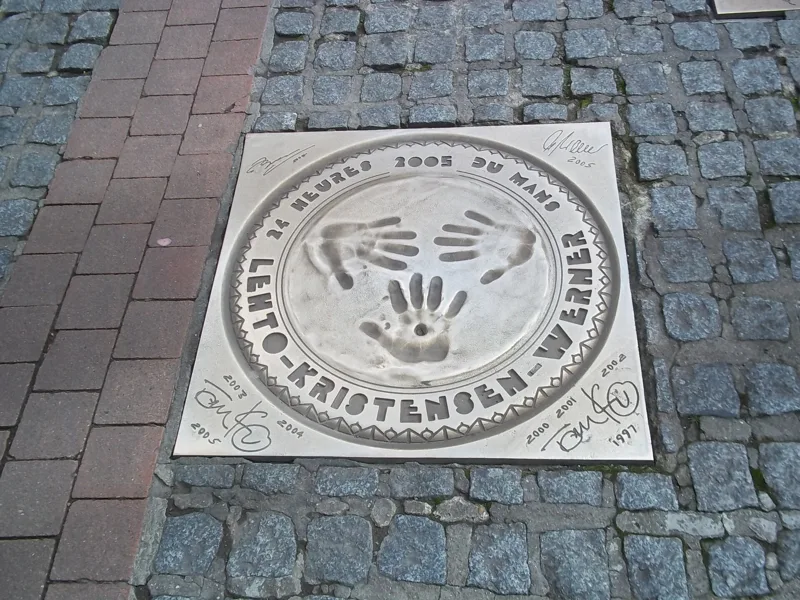
Bentley's Speed 8 won the 2003 24 Hours of Le Mans by two laps, the marque's first overall win since 1930. Tom Kristensen, Rinaldo Capello and Guy Smith shared the car, and the result gave Capello and Smith their first Le Mans win and Kristensen his fifth.
Who won the 2003 24 Hours of Le Mans?
Tom Kristensen, Rinaldo Capello and Guy Smith won the 71st 24 Hours of Le Mans in a Bentley Speed 8 on 14 and 15 June 2003. They finished two laps ahead of the sister Bentley shared by Mark Blundell, David Brabham and Johnny Herbert, and the win was Bentley's first overall since 1930.
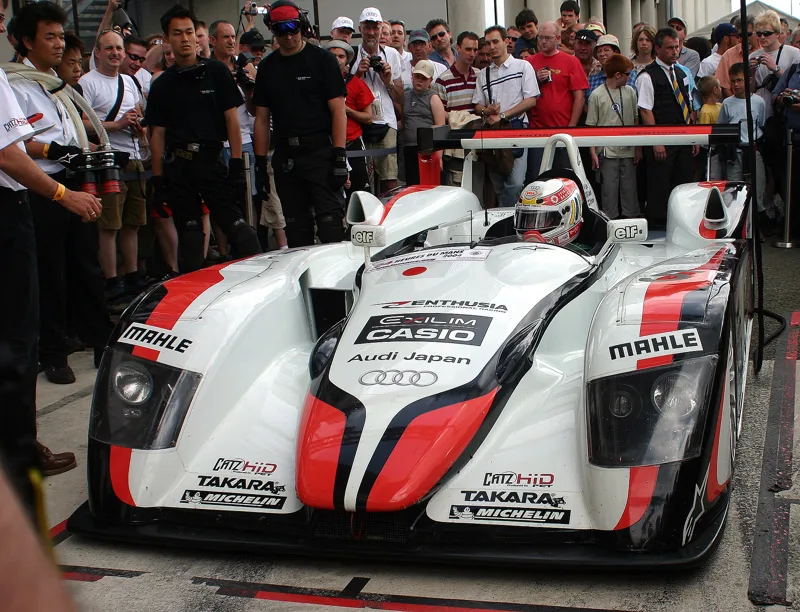
Bentley therefore filled the top two places overall. The Champion Racing Audi R8 of JJ Lehto, Emanuele Pirro and Stefan Johansson finished third overall and won the LMP900 category.
The Bentley started from pole after Kristensen set the fastest lap of the Wednesday night qualifying session, a time of 3:32.843. Bentley's sixth overall victory was a landmark for a marque that had not reached the top step since 1930, and the car pulled clear of the rest of the field once the race began.
Bentley's Speed 8 won by two laps, its first overall Le Mans victory since 1930.
How was the 2003 entry list built?
The ACO had 72 applications to weigh by the 20 February 2003 deadline: 31 for prototype classes and 41 for Grand Touring. Fifty race invitations went out, and on 25 March the full 50-car entry list was announced, with six reserves.
The field had equal numbers of prototypes and GT cars, drawn from 22 manufacturers: 14 in the GT classes and eight in the prototype categories. ACO president Michel Cosson said the entries chosen were of high quality, and that the organisers wanted a varied field. Entries were divided among five classes: LMP900, LMGTP, LMP675, LMGTS and LMGT.
A protest came from Larbre Competition owner Jack Leconte and the alpine skier Luc Alphand, who objected that their teams had each been given only one entry. Cosson said that protests were not the proper way to select entries, though he disliked anyone who sought to detract from the event's excitement.
Which teams earned automatic entries?
Six automatic invitations went to teams that won their class at the 2002 Le Mans or at the Petit Le Mans, which the ACO designated a qualifying race. Audi Sport Team Joest, Corvette Racing and The Racer's Group won their classes at Le Mans, while Audi Sport North America, Corvette and Alex Job Racing won at Petit Le Mans.
Audi declined its automatic invitations after it withdrew its factory operations and gave up its defence of the overall victory. Because entries were limited to teams, squads could not switch cars from one year to the next, although they could move category as long as the make stayed the same and the ACO approved the change.
Why did a bio-ethanol car run at Le Mans?
Team Nasamax, based in Sittingbourne, England, entered the first renewable-fuelled sports prototype at Le Mans, with the aim of raising awareness of renewable fuels. Its Reynard 01Q ran a 2.65 L Cosworth V8 turbocharged engine on bio-ethanol, a fuel produced from crops.
Bio-ethanol does not release new carbon dioxide into the atmosphere because it is made from crops, and that was the basis of the entry. The car's fuel and inlet air systems were modified for more efficient combustion, an alternative exhaust was built, and the turbocharger housing and vanes were reworked.
The car's preparation did not run smoothly. In the warm-up, Romain Dumas's Nasamax Reynard suffered an ignition fault caused by a heat leak beside the right-hand cylinder bank, which badly damaged the engine compartment and called for a major component change.
What rule changes shaped the 2003 cars?
The ACO cut the power of five categories by 10 per cent after the 2002 race, and it fitted air restrictors to every engine with boost pressures set to aim for performance parity. It also allowed carbon fibre chassis in the LMGTS class and original automatic or semi-automatic gearboxes in homologated road cars.
Drivers were warned at a public meeting that two wheels over the white line and onto the kerbing would bring a stop-and-go penalty. The penalty would grow in severity if the offence was repeated.
Testing on 4 May
The mandatory test day on 4 May split into two daytime sessions of four hours each, and it involved all 50 entries plus the six reserve cars. The weather was clear and dry. In the final minutes Tom Kristensen set the fastest lap of 3:34.820 in the No. 7 Bentley Speed 8.
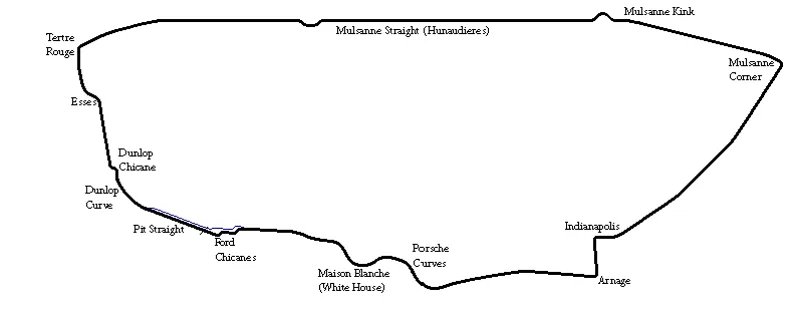
Frank Biela lost control on an oil patch left by a Pagani Zonda at the Porsche Curves. His car hit a barrier at 120 mph (190 km/h) and damaged the right-rear corner of the Audi Sport UK car. The fastest privateer Audi on the day was Jan Magnussen's Team Goh car.
In the prototype classes the No. 26 RN Motorsport DBA4 03S-Zytek led LMP675 at 3:47.708. In LMGTS, Tomas Enge's No. 88 Prodrive Ferrari 550-GTS Maranello set the fastest time at 3:57.180, and in LMGT the No. 81 TRG Porsche 911 GT3-RS led at 4:08.636.
How did qualifying set the grid?
Qualifying ran over eight hours in four two-hour sessions on 11 and 12 June, and every entry had to be within 110 per cent of the fastest lap in its category. Kristensen's Bentley set the overall pace with a lap of 3:32.843 on the Wednesday night, which put the No. 7 car on pole.
Early in the first session Mark Blundell's No. 8 Bentley led with a lap of 3:35.321, while Kristensen's No. 7 car was a quarter-second slower in second. Jan Magnussen was the fastest Audi privateer in third, behind the two Bentleys.
Wednesday night's session ran in lower asphalt temperatures. Teams used scheduled simulation runs to see how their cars would perform in darkness with heavy fuel loads and worn tyres in the final 75 minutes. Without slower traffic and with better grip, Kristensen improved the overall fastest lap to 3:32.843. In LMP675 John Nielsen improved the RN Motorsport Zytek by a second to 3:44.343.
The Team Bucknum Racing Pilbeam-JPX MP91 engine failed at the Indianapolis corner 75 minutes into that session and spilled oil on the track. Marshals took 20 minutes to dry it before qualifying resumed.
In the final session Kristensen gave Capello and Smith time in the No. 7 car, which led that session, but pole stayed with Kristensen's earlier lap. Herbert improved the No. 8 Bentley by a tenth of a second on his second attempt, yet it remained second overall because slower traffic delayed him.
The GT classes produced battles of their own. Oliver Gavin's No. 50 Corvette C5-R led LMGTS with a lap of 3:55.613 set with five minutes left, demoting Enge's Prodrive Ferrari to second. In LMGT, Maassen's AJR Porsche headed Timo Bernhard's TRG car by close to three seconds, with Marc Lieb's Orbit entry a further seven-tenths back.
How serious was the Lister Storm crash?
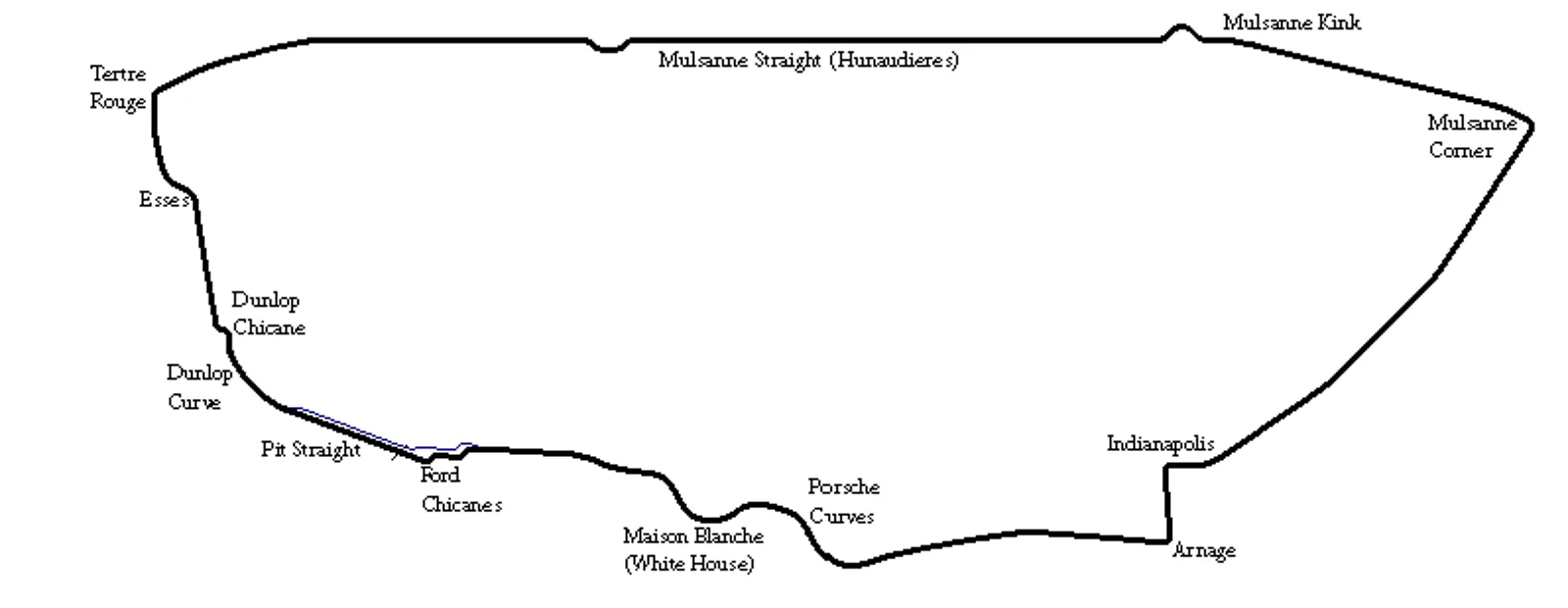
Jamie Campbell-Walter spun his Lister Storm after hitting a bump on the exit of the Dunlop Esses, then crashed backwards into a barrier at the Dunlop Curve at 146 mph (235 km/h). Marshals and safety teams spent ten minutes freeing him, removing a section of carbon fibre bodywork that was trapping his legs, before he was placed in an ambulance.
The Lister Storm was withdrawn because the team lacked spare parts. Other incidents followed in the same session. Ian Khan's Porsche engine failed and oiled the Dunlop Chicane, Robin Liddell spun into the gravel after running through the oil, and Roland Berville damaged the rear wing of the T2M Motorsport car, stopping the session briefly.
The final session brought more trouble. Thomas Erdos's Graham Nash Motorsport Saleen S7-R stopped on its out-lap in a gravel trap at the Dunlop Chicane and needed trackside help, and Gavin Pickering's WR-Peugeot stopped at the pit lane exit with loose bodywork.
Warm-up and the race start
The 45-minute warm-up began at 09:00 Central European Summer Time in overcast, cool weather. Blundell's No. 8 Bentley was fastest at 3:35.319, 2.615 seconds ahead of the No. 7 Bentley. The Audi Sport UK R8 was third, Champion Racing fourth and Racing for Holland fifth.
The race started at 16:00 CEST when Don Panoz, the founder of the American Le Mans Series, waved the French tricolour. Thunderstorms had been forecast and an earlier heavy shower had fallen, but the start was clear and the air temperature approached 28 C (82 F). Around 220,000 to 250,000 spectators attended.
Forty-nine cars were due to line up once the Lister Storm was withdrawn, although the No. 25 Gerard Welter WR LMP02 sat in the pit lane with a fault. Capello kept the lead from pole, while Lammers' Dome moved past Magnussen's Audi into third.
Oliver Gavin's Corvette pitted at the end of the opening lap with a throttle-linkage fault. The stop cost him 26 minutes and left the car last overall. When three privateer Audis passed Lammers, he fell from second to sixth as the Bentleys pulled away.
Herbert briefly led Capello before the No. 8 Bentley made its first pit stop on lap 10. The Intersport Lola-MG took the LMP675 lead after the RN Motorsport car developed trouble, and the AJR Porsche led the LMGT class. The first hour ended with the first crash of the race, which involved Richard Stanton's car.
Results by class
| Category | Crew | Car | Finish |
|---|---|---|---|
| Overall | Tom Kristensen, Rinaldo Capello, Guy Smith | Bentley Speed 8 | Winner, two laps ahead |
| LMP900 | JJ Lehto, Emanuele Pirro, Stefan Johansson | Audi R8, Champion Racing | Third overall, class winner |
| LMP675 | Jean-Luc Maury-Laribiere, Christophe Pillon, Didier Andre | Reynard 2KQ-LM, Noel del Bello Racing | Won, 32 laps ahead of the RN Motorsport car |
| LMGTS | Jamie Davies, Tomas Enge, Peter Kox | Ferrari 550-GTS Maranello, Veloqx Prodrive | Won, first Ferrari GT win since 1981 |
| LMGT | Sascha Maassen, Emmanuel Collard, Lucas Luhr | Porsche 911 GT3 RS, Alex Job Racing | Won on the team's debut |
Why does Le Mans still matter?
Among motor racing's most prestigious events, the 24 Hours of Le Mans also forms part of the Triple Crown of Motorsport. The 2003 edition was the 71st running, and the Bentley's sixth overall victory is now part of the event's record. The race began in 1923, when the ACO's leaders agreed to hold a test of vehicle reliability and durability.
The race was first conceived by the automotive journalist Charles Faroux, the ACO general secretary Georges Durand and the industrialist Emile Coquile. Their durability test grew into the race that the 2003 field contested.
The 2003 rules show the organisers balancing performance and variety. The power cut, the carbon fibre option in LMGTS and the bio-ethanol entry all sat within a field drawn from five categories and 22 manufacturers.