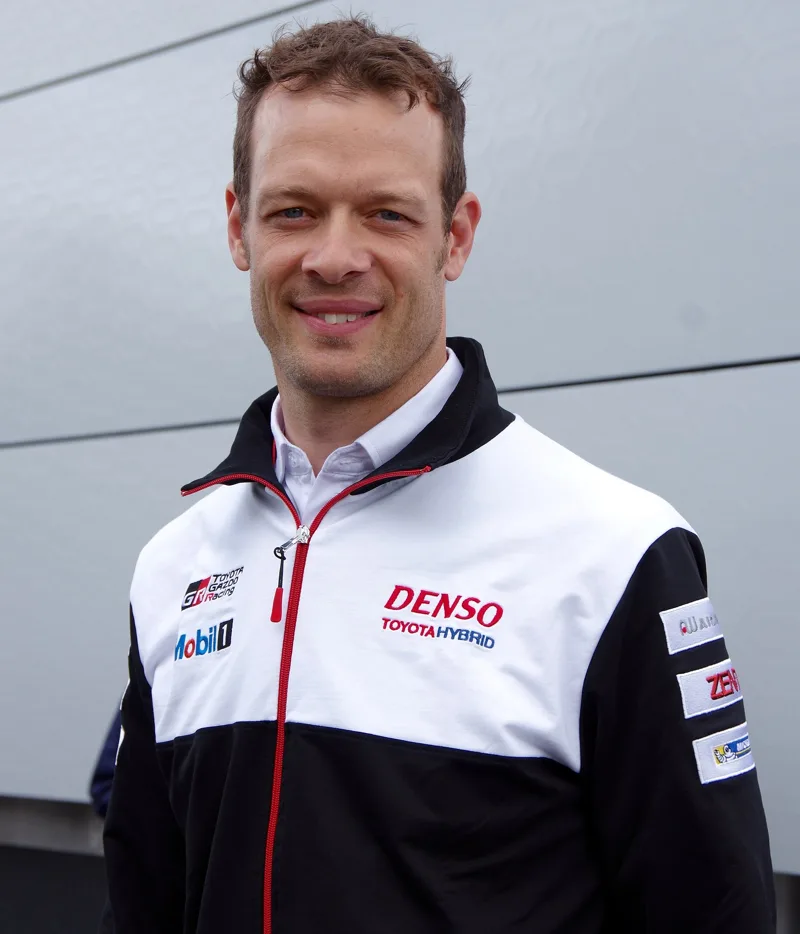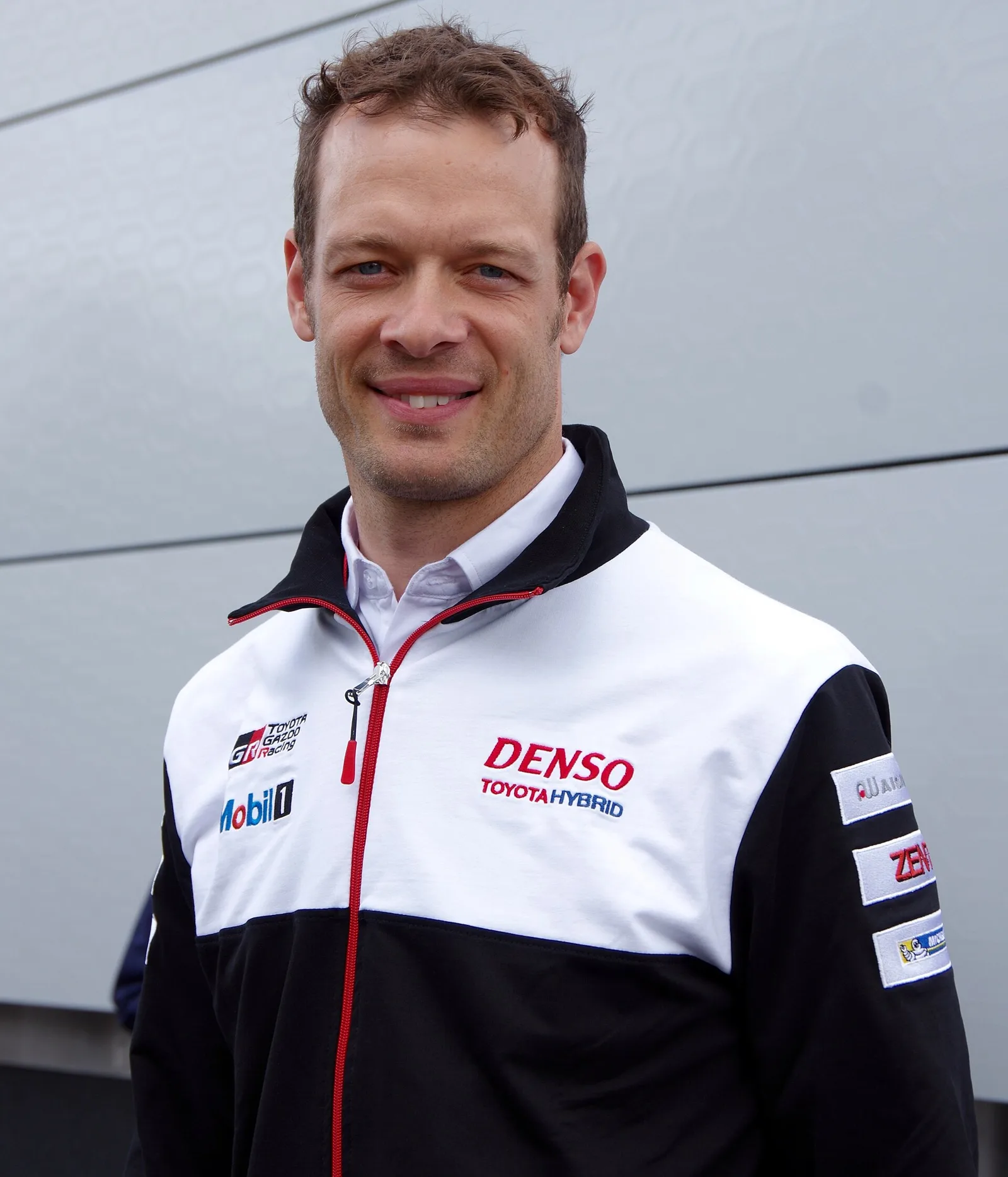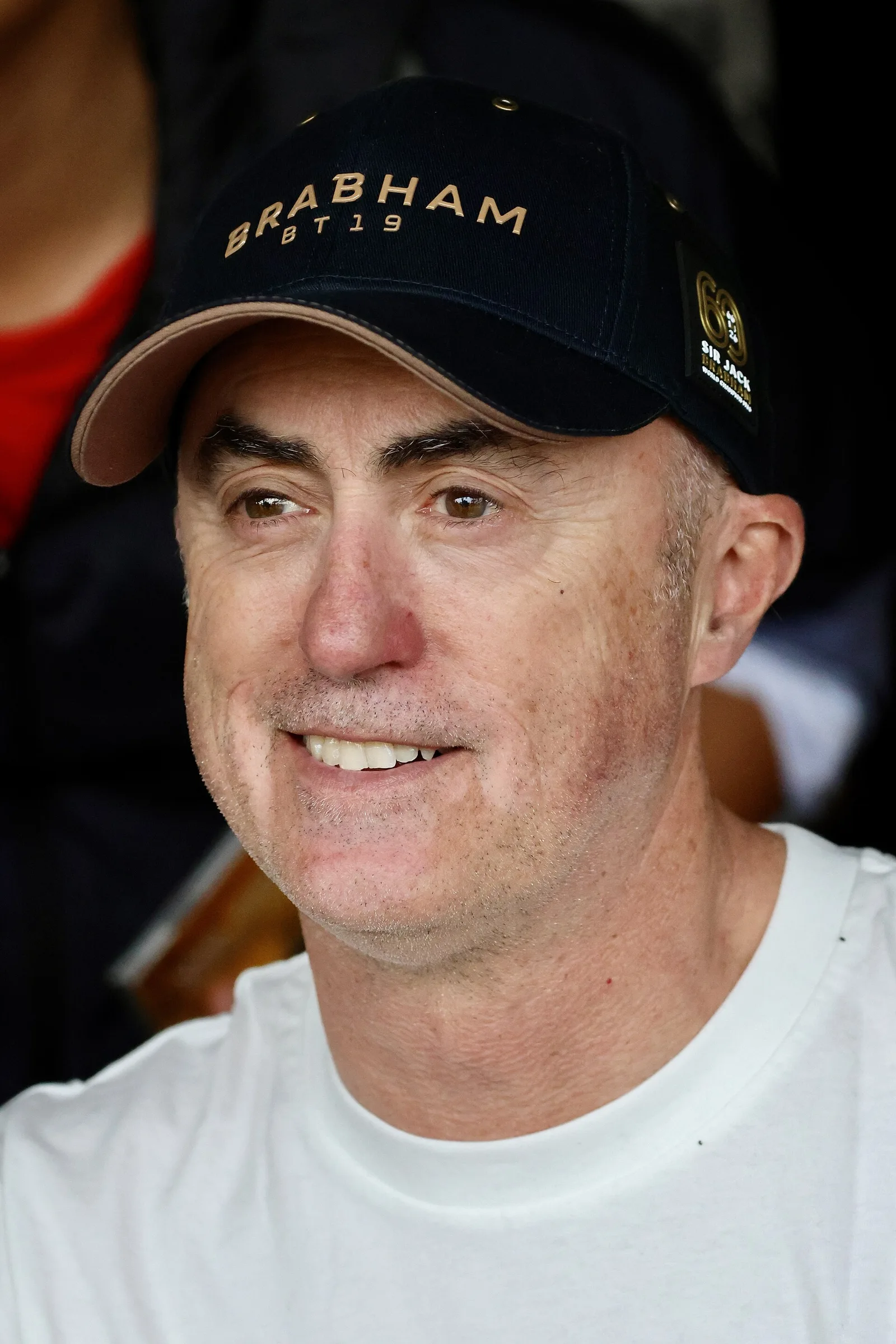
The youngest son of Sir Jack Brabham, David Brabham built his own career in sportscars, won Le Mans outright in 2009 and later launched a car brand bearing the family name.
Australia's David Brabham, a sportscar veteran, took Le Mans overall in 2009 and won two American Le Mans Series championships with Highcroft Racing. He also raced in Formula One for Brabham in 1990 and for Simtek in 1994, and his father was the three-time world champion Sir Jack Brabham.
David Brabham is an Australian sportscar specialist who won the 24 Hours of Le Mans outright in 2009 and took the American Le Mans Series titles in 2009 and 2010. He also raced in Formula One for the Brabham and Simtek teams. He is the youngest son of three-time world champion Sir Jack Brabham, and he is one of only four Australians to have won at Le Mans.
How did Brabham's early life shape his choice of racing?
Brabham was born in Wimbledon, London, on 5 September 1965, but he grew up in Australia. As a boy he played soccer until the age of twelve, then took up Australian rules football after the family moved to Sydney. His father did not push him toward a racing career, and he showed little interest in motor racing until he left school.
His interest changed after he discovered go-karts at 17. He bought a second-hand kart with a next-door neighbour and began racing, starting a professional path that would take him from Australian karts to the highest levels of motorsport.
Few drivers have won at Le Mans and in the American Le Mans Series championship while also racing against their father's legacy.
What was Brabham's route through the junior categories?
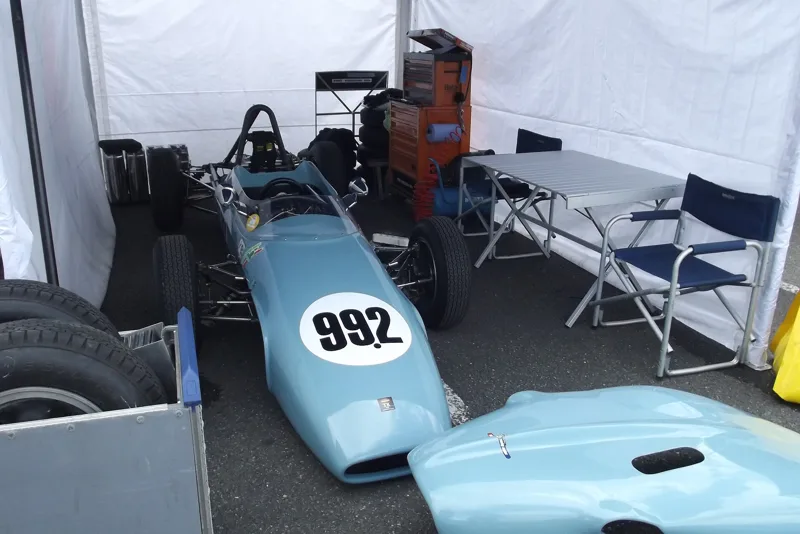
Karting ran from 1983 for two years. Next came the Ford Laser one-make series in 1985, then Formula Ford 1600 in 1986 and Australian Formula 2, where he took the 1987 Australian Drivers' Championship. That title was decided in a single race supporting the Australian Grand Prix in Adelaide.
In that race he started 38th after carburettor and electrical problems in qualifying. He worked his way through the field, passed the leader Rohan Onslow on lap 13 of 15, and won by 1.7 seconds. The same year he also raced in New Zealand, in American Formula Atlantic and in South American F3 competition.
In 1989 he moved to Europe with sponsorship from Camel, joined the Bowman team and won the British Formula Three Championship.
How did Brabham's Formula One career begin?
Brabham entered Formula One in 1990 with the team that bore his family name, although the team had changed hands several times and the money was thin. He had raised a substantial amount of sponsorship to join, but he asked to skip the first two races, and Gregor Foitek drove in his place. His brother Gary tried to qualify for those rounds in a Life before quitting, so the two brothers never shared an event that season.
He did not qualify at San Marino, and his first start came at Monaco, where his father had won in 1959. Over 14 races he managed to qualify the Judd-engined car only six times, including the final race in Australia. Without the reported $3m needed to retain his seat, he was replaced at the end of the season.
| Period | Team | Notable result |
|---|---|---|
| 1990 | Brabham | Qualified six times in 14 races |
| 1991 | Tom Walkinshaw Racing (Jaguar) | Touring car and sportscar programme; Spa 24 Hours win |
| 1994 | Simtek | Qualified for every round, despite an uncompetitive car |
| 2009 | Peugeot | Outright Le Mans winner |
| 2009-2010 | Highcroft Racing | ALMS LMP1 and LMP titles |
Why did Brabham return to Formula One in 1994?
In 1991 he took a Nissan Skyline R32 GT-R to victory in the Spa 24 Hours, sharing the car with Naoki Hattori and Anders Olofsson. Formula One came calling again in 1994, when the underfunded Simtek team needed paying drivers and his father had bought into the squad. The second seat was open to paying drivers, and Roland Ratzenberger drove the first five rounds, and Jean-Marc Gounon then took over the second seat.
The S941 was overweight, used a manual gearbox when most rivals had semi-automatic units, and ran wire-spring Cosworth HB customer engines. Even so, Brabham qualified for every round. Ratzenberger was killed in qualifying at San Marino, and his teammate chose to race on, retiring after a suspension part gave way. The team decided to finish the season in Ratzenberger's memory, with Brabham's leadership widely credited for holding it together.
What did Brabham achieve in touring cars and GT racing?
Brabham left Formula One at the end of 1994 for touring cars, since a BMW works offer paid more than he could turn down. His 1995 British Touring Car season with BMW was not a success. Better results followed, including the 1996 JGTC GT500 championship in a McLaren F1 GTR, a result no other non-Japanese team car had managed by then.
He also won the 1997 AMP Bathurst 1000 in a BMW 320i, sharing it with his brother Geoff. The pair were initially second, but they were promoted to the win after the team's other cars were disqualified. Those disqualifications followed a pit stop error that left a driver in the car past his permitted driving time. In 2011 he was with Sumo Power GT in the FIA GT1 World Championship, finishing tenth in the drivers' standings, partnering Jamie Campbell-Walter in a GT-R Nissan. In 2012 he moved to the Blancpain Endurance Series, in a McLaren MP4-12C run by United Autosports.
How did Brabham become a sportscar champion?
From 1999 onwards he raced regularly in the American Le Mans Series, for teams such as Panoz and Prodrive's Ferrari 550 Maranello outfit. He won the Sebring 12 Hours in 2005, and he has won 23 ALMS events across all four classes. He became a two-time series champion, taking the LMP1 title in 2009 and the LMP title in 2010.
At Le Mans his results built steadily. In 2003 he finished second for Bentley. From 2005 he made four consecutive starts in Aston Martin DBR9s, and he won the GT1 class in 2007 and again in 2008. In 2009 he drove a Peugeot 908 HDi FAP to outright victory with Alexander Wurz and Marc Gene. He became the fourth Australian winner, after Bernard Rubin (1928), Vern Schuppan (1983) and his brother Geoff (1993). Geoff had also won for Peugeot at Le Mans in 1993, so the brothers shared that honour. Their father Jack had also won the only French Grand Prix held at the Bugatti Circuit, in 1967.
What is Brabham's legacy?
Brabham is one of the most successful specialists in sportscar racing, with three international sportscar series wins. His Le Mans victory placed him among the small group of Australians to have won the race, and his ALMS titles confirmed his reputation as a consistent endurance driver.
He has also tried to build on the family name. Project Brabham, announced in autumn 2014, used crowdfunding through Indiegogo to bring fans into a planned team, and Brabham Automotive launched in May 2018 with the BT62, which won on its first outing. Project Brabham's crowdfunding paid for a first-stage website and an investor prospectus, and the team was still seeking backers to reach the World Endurance Championship. The family's involvement continues, as his son Sam and nephew Matthew now race in junior formulae.