A reshaped Bugatti circuit, 96 applications for 48 places and a driving trio that won the race three years running.
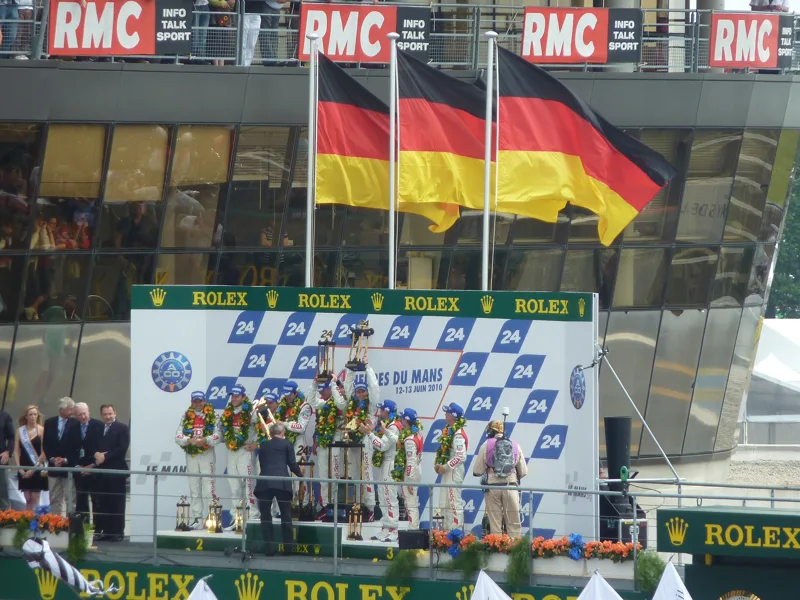
The 70th running was won by Kristensen, Biela and Pirro in the No. 1 Audi Sport Team Joest car. It was the third consecutive Audi victory, and it completed three straight wins for that driving combination.
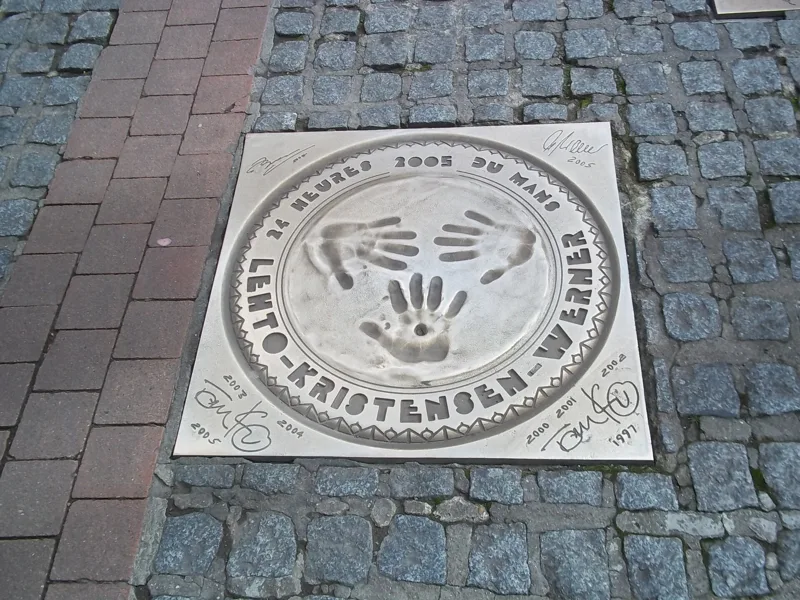
Audi Sport Team Joest won the 70th 24 Hours of Le Mans in 2002, and the No. 1 car took Tom Kristensen, Frank Biela and Emanuele Pirro to the win. It was Audi's third consecutive victory at the event, a run that stretched back to the 2000 race, and the same three drivers became the first trio to win Le Mans three years in a row.
Who won the 2002 24 Hours of Le Mans?
Tom Kristensen, Frank Biela and Emanuele Pirro won the race for Audi Sport Team Joest in the No. 1 car, which covered 5118.75 km at an average speed of 213.068 km/h. The win counted for the team, the manufacturer and the driving trio, and it was the third year running for the same three men.
The No. 2 car took the pole, and the No. 1 car took the win and the fastest lap, so the two Audi entries at the head of the order were the ones that mattered most.
Audi's No. 1 car made it a three-year run for one driving trio, the first time a set of three drivers had won Le Mans that often.
Why was the circuit changed before 2002?
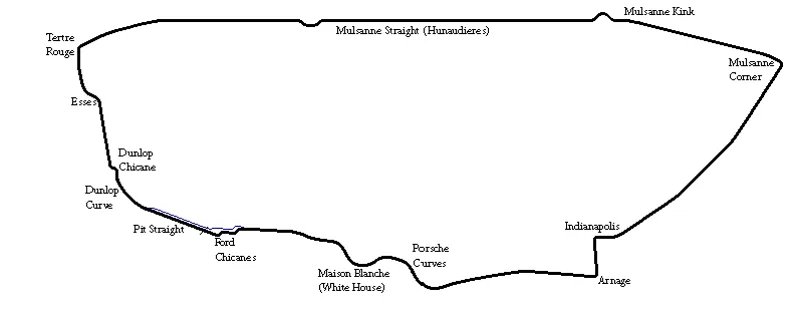
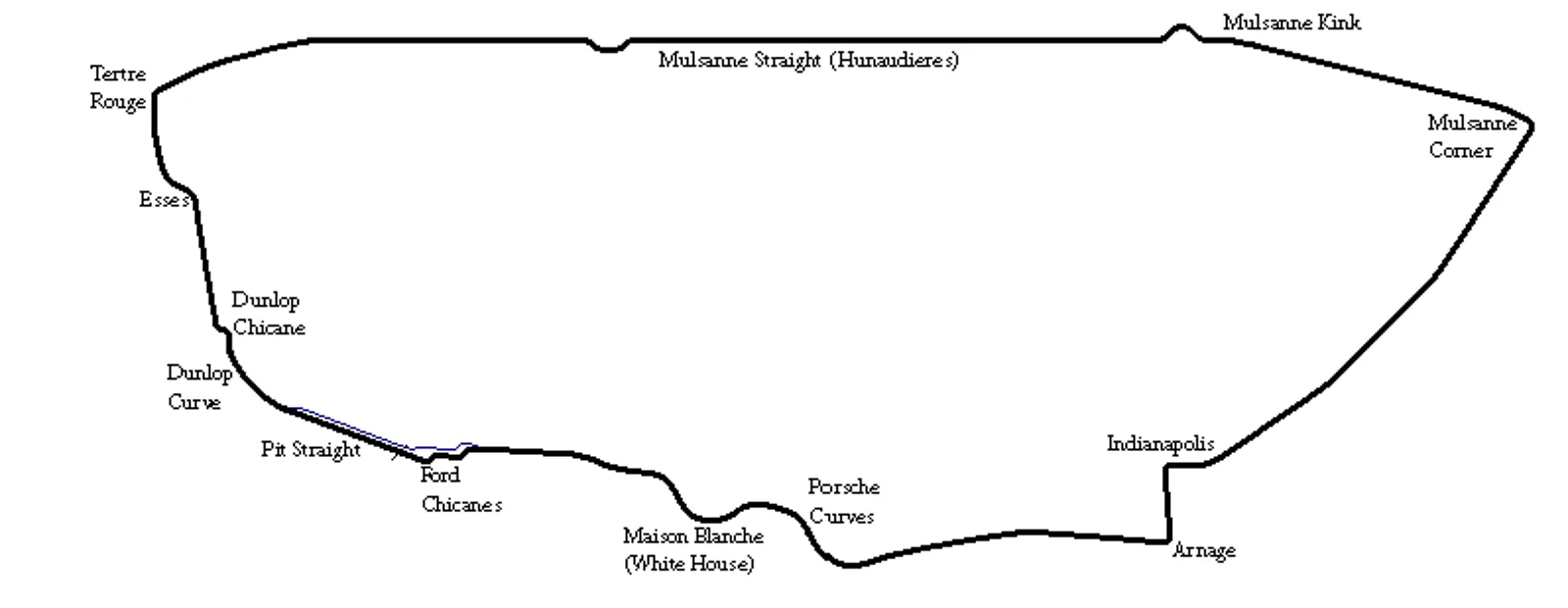
The Bugatti Circuit was reconstructed, and the organisers and the ACO announced improvements that the motorcycle governing body had requested between the Dunlop Bridge and the entry to the Esses complex. The work took place between November 2001 and February 2002, at a construction cost of 15 million francs.
The layout grew by 275 m (301 yd) and gained 64 m (210 ft) of width when a new left-hand corner was added to ease the link between the Circuit de la Sarthe and the Bugatti Circuit. Gravel traps were also added in the area, and the circuit measured 13.880 km (8.625 mi) overall.
How many cars applied for the 2002 race?
The ACO received 96 applications by the entry deadline of 22 February 2002, and it granted 48 invitations. The entries were divided between the LMP900, LMGTP, LMP675, LMGTS and LMGT categories, and each class had its own competitors and class leaders.
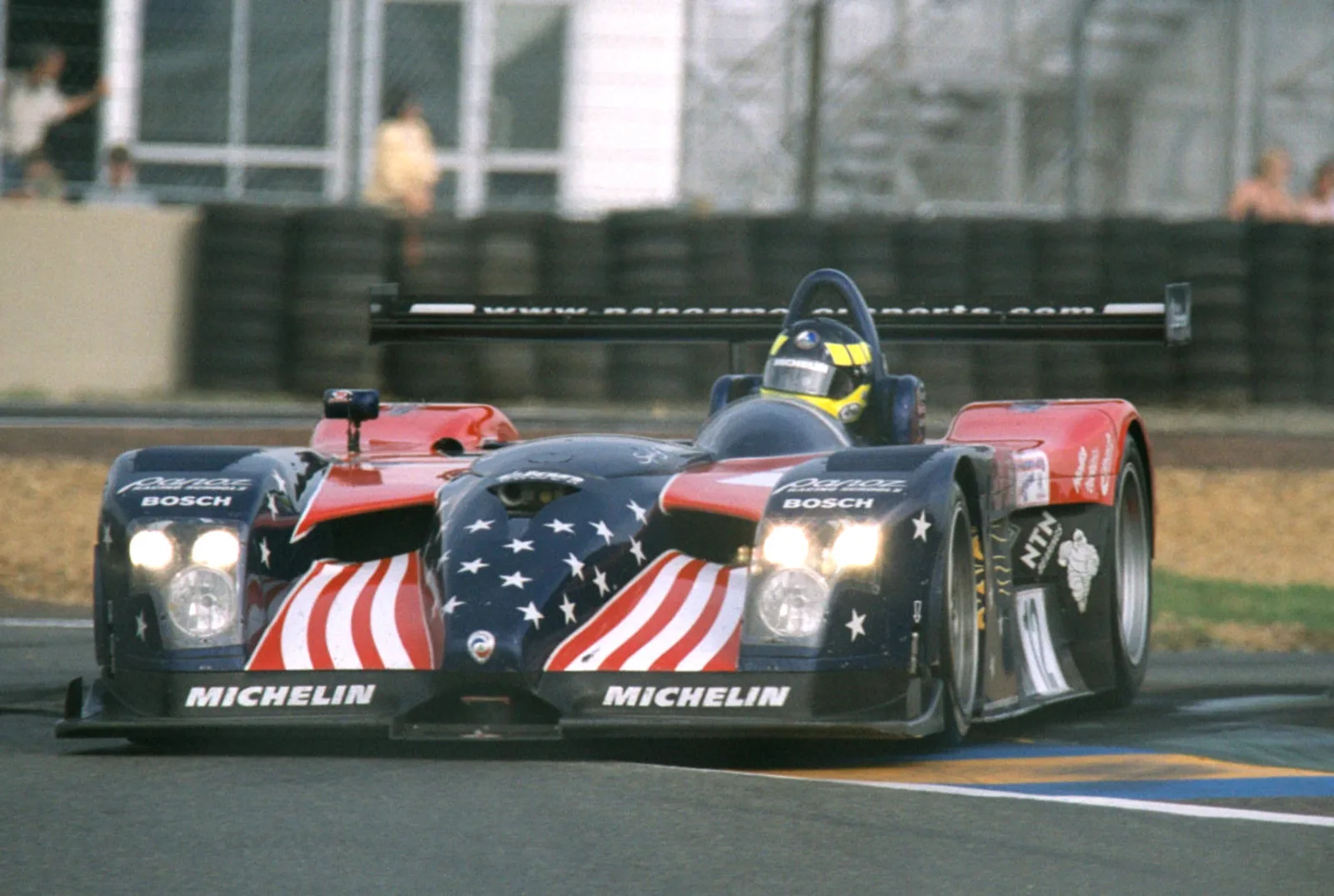
A special invitation category was created for the Panoz and Lola prototypes fielded by the DAMS team, so that the cars could be filmed for the 2003 film Michel Vaillant by Luc Besson.
Which teams earned automatic entries?
Eight automatic places went to class winners at the 2001 race or in two qualifying rounds of the wider Le Mans Series, which the ACO had set up as qualifiers. The two qualifiers were the Petit Le Mans, run within the American series, and the 1000 km of Estoril from the European championship.
Audi Sport Team Joest took the LMP900 berth, Corvette Racing took LMGTS and Seikel Motorsport took LMGT. Audi and Corvette also earned places through their Petit Le Mans wins, and Pescarolo Sport took the LMP900 place. Ray Mallock Limited and Freisinger Motorsport were granted LMGT invitations for winning at Estoril, while Prototype Technology Group declined its place after BMW withdrew from the American Le Mans Series.
How did the entry list take shape?
On 21 March 2002 the ACO selection committee announced the full entry list of 50 cars, plus six reserves. Seventeen of the starters were regular-season teams from the American series, and the remainder were one-off Le Mans entrants.
Team Rafanelli withdrew its Ferrari 550M on 26 March, which promoted the No. 27 Chamberlain Motorsport MG-Lola EX257 into the race and raised the LMP675 entries to seven. The reserves were all dropped from the list on 31 May.
What did the pre-race test on 5 May show?
The test was held five weeks before the race. The mandatory test day on 5 May ran in two four-hour sessions in cold and overcast weather, and all 48 entries plus the six reserve cars took part. Audi set the pace with a lap of 3 minutes 30.296 seconds from Rinaldo Capello's No. 2 Audi R8 in the last ten minutes of the second session.
Sarrazin's No. 14 Team Oreca Dallara was second, and slower traffic restricted Kristensen's No. 1 Audi to third. Krumm's No. 3 Audi was fourth, and Mark Blundell's No. 27 MG-Lola fifth. In the GT classes, Tomas Enge's No. 58 Prodrive Ferrari 550-GTS Maranello was the fastest LMGTS car, more than two seconds ahead of the Larbre Chrysler Viper GTS-R, and the No. 81 TRG Porsche 911 GT3-RS led LMGT.
How did qualifying decide pole position?
Qualifying ran on 12 and 13 June across eight hours in four two-hour sessions, and every entrant had to be within 110 per cent of the fastest lap in its category. On 12 June Jan Lammers's No. 16 Racing for Holland Dome S101 set the early pace with 3 minutes 31.355 seconds, and Kristensen was 0.414 seconds slower in second in the No. 1 Audi.
Capello then took provisional pole in the second session with 3 minutes 30.347 seconds. The No. 16 Dome had all of its lap times deleted after a fuel infringement, after its fuel tank was not cleaned thoroughly. Teams with more powerful qualifying engines switched to their race units, because an ACO rule barred engine changes before the final qualifying session and the race. In the first session on 13 June, Capello improved to 3 minutes 29.905 seconds, breaking the overall lap record set by Martin Brundle in a Toyota GT-One at the 1999 race. The session was stopped halfway through for ten minutes so that marshals could dry a large amount of spilled oil at the Ford Chicanes.
In the final session, cooler temperatures brought improvements from more than a third of the field, but Capello's pole time stood. Kristensen was quickest in the session at 3 minutes 30.219 seconds, while Krumm moved the No. 3 Audi to third. Franck Montagny and Sarrazin qualified the No. 14 Oreca fourth, Lammers was fifth in the Dome, and Beretta put the No. 15 Oreca seventh. Pole was therefore Audi's third consecutive at Le Mans, a run that also stretched back to 2000.
What incidents disrupted qualifying?
Several cars were lost to trouble during the sessions. In the first session, Rickard Rydell's Prodrive Ferrari had led LMGTS by more than four seconds from Andy Pilgrim's Corvette. A transmission fault stopped that Ferrari on its first lap, yet it went on to lead LMGTS. Jonny Kane's MG-Lola suffered an engine failure on the Mulsanne Straight, which brought out a red flag, and the JMB Racing Ferrari was beached in the Dunlop Curve gravel. Blundell's MG-Lola engine then failed at the first chicane on the Mulsanne Straight, and Dalmas's Audi lost its endplate and launched into a barrier.
The GT classes had their own problems. Enge set the LMGTS pole at 3 minutes 54.091 seconds, though his Ferrari's rear was damaged in a crash with a trackside wall. Lucas Luhr's TRG Porsche took the LMGT pole at 4 minutes 10.803 seconds, and Herta's Panoz LMP01 Evo caught fire at the Dunlop Chicane. Earlier, Menu had topped LMGTS in the second session at 3 minutes 56.730 seconds, while The Racer's Group Porsche kept the LMGT lead despite Luhr's error at the Dunlop Chicane.
What do the race statistics show?
| Measure | Figure |
|---|---|
| Winner | Audi Sport Team Joest No. 1 |
| Total distance | 5118.75 km |
| Average speed | 213.068 km/h |
| Fastest lap | 3:33.483, No. 1 Audi |
| Highest trap speed | 340 km/h, Audi R8 and Dome Judd |
Why does the race still matter?
The 24 Hours of Le Mans is considered the world's most prestigious sports car race and forms part of the Triple Crown of Motorsport. The race was first held in 1923, after Charles Faroux, Georges Durand and Emile Coquile agreed on a test of vehicle reliability and durability.
The 2002 edition became a landmark for Audi, which became the first team to win three years in a row with the same driving line-up. Biela, Kristensen and Pirro gave the marque the third straight win and the third consecutive pole in that period, as well as the strongest record in the event's modern history.