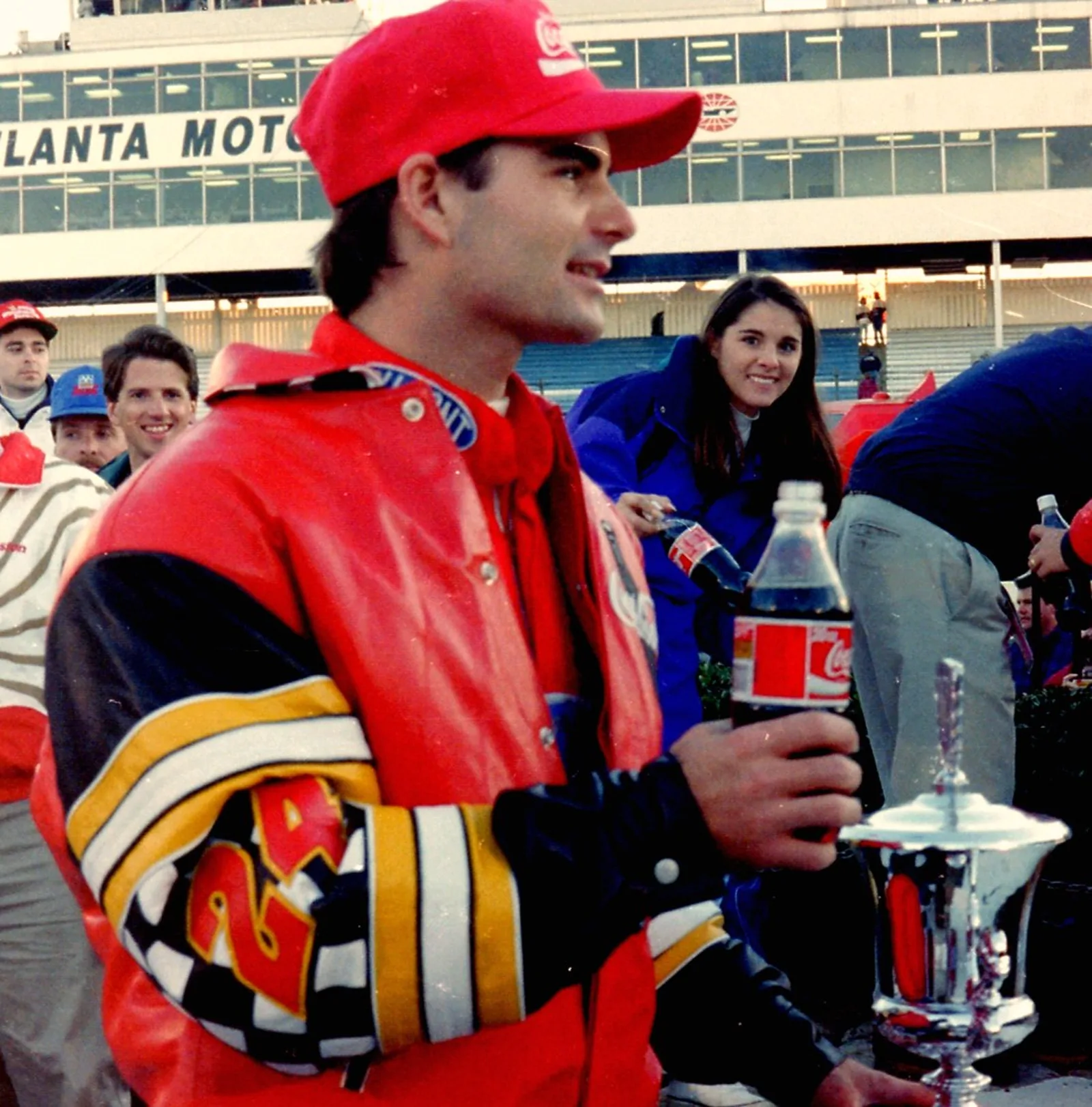
Jeff Gordon won the championship by 34 points at Atlanta, ending Dale Earnhardt's chase for a record eighth title, in a season shaped by Chevrolet's Monte Carlo.
The 1995 NASCAR Winston Cup Series was the 47th season of professional stock car racing in the United States. The championship was settled at Atlanta, where Gordon finished 32nd yet still won the title by 34 points over Dale Earnhardt, ending Earnhardt's chase for an eighth title.
The 1995 NASCAR Winston Cup Series was the season Jeff Gordon won his first championship, finishing 34 points ahead of Dale Earnhardt at Atlanta. Earnhardt had been chasing a record eighth title, and the year was also shaped by Chevrolet's new Monte Carlo, which dominated the schedule.
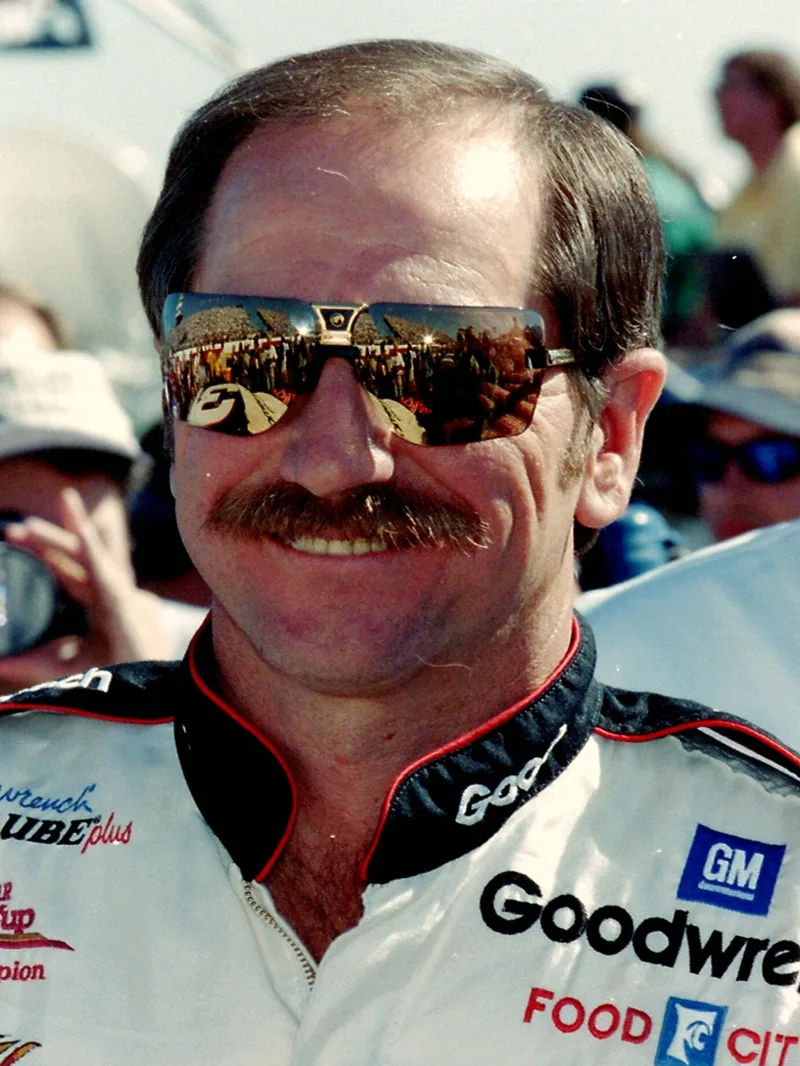
Earnhardt had tied Richard Petty's record of seven Cup championships in 1994, and he was considered the favourite for number eight. Mark Martin, who had finished second in the points, remained a strong contender, while Terry Labonte, Bill Elliott and Rusty Wallace were all in the mix.
When did the 1995 season run?
The 1995 season began on 12 February at Daytona and ended on 12 November at Atlanta Motor Speedway. The schedule included 31 races, and the year was the 24th modern-era Cup season. It was a year of new teams, new sponsors and a title fight that went down to the last race.
The Busch Clash opened the calendar at Daytona, and Earnhardt led 18 of the 20 laps to collect his sixth win in the exhibition. The Gatorade qualifiers followed on 16 February, with Sterling Marlin winning the first race and Dale Earnhardt the second.
A title won by 34 points, a record missed by one title, and a Monte Carlo that dominated the calendar.
Who won the 1995 championship?
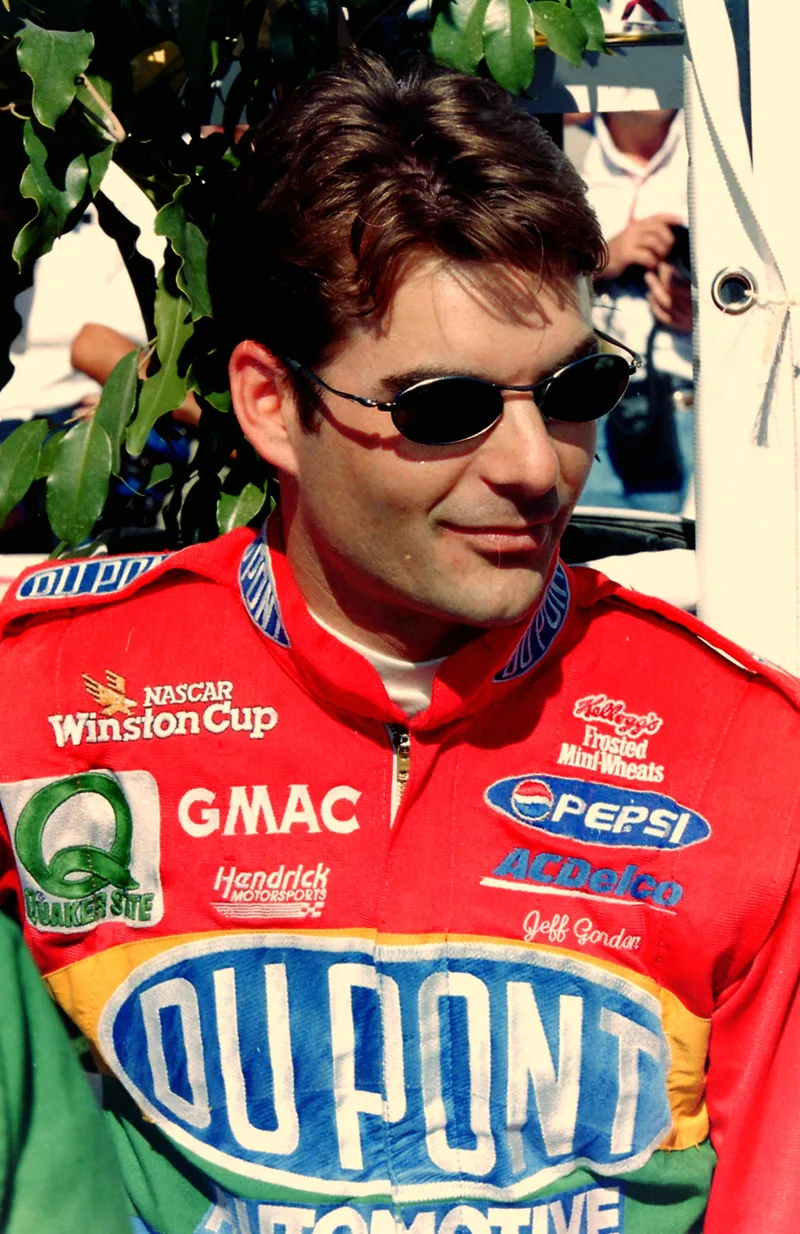
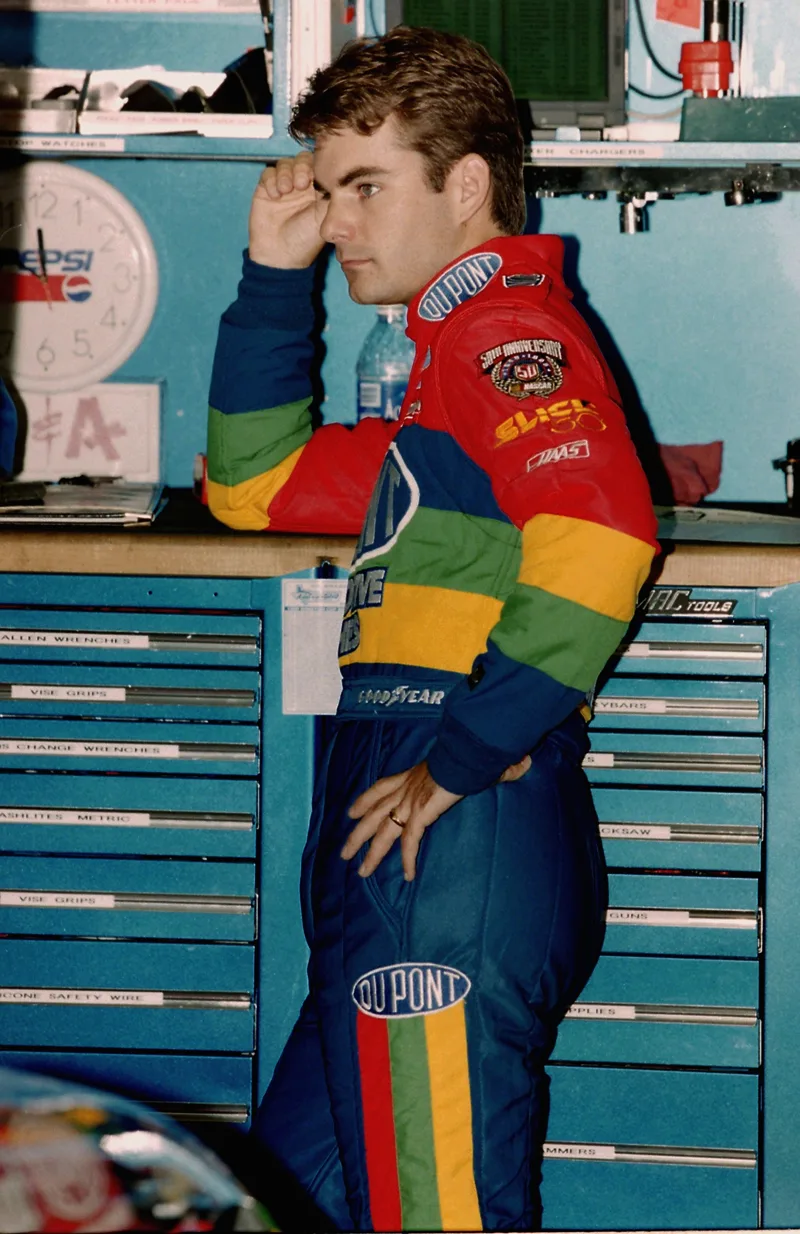
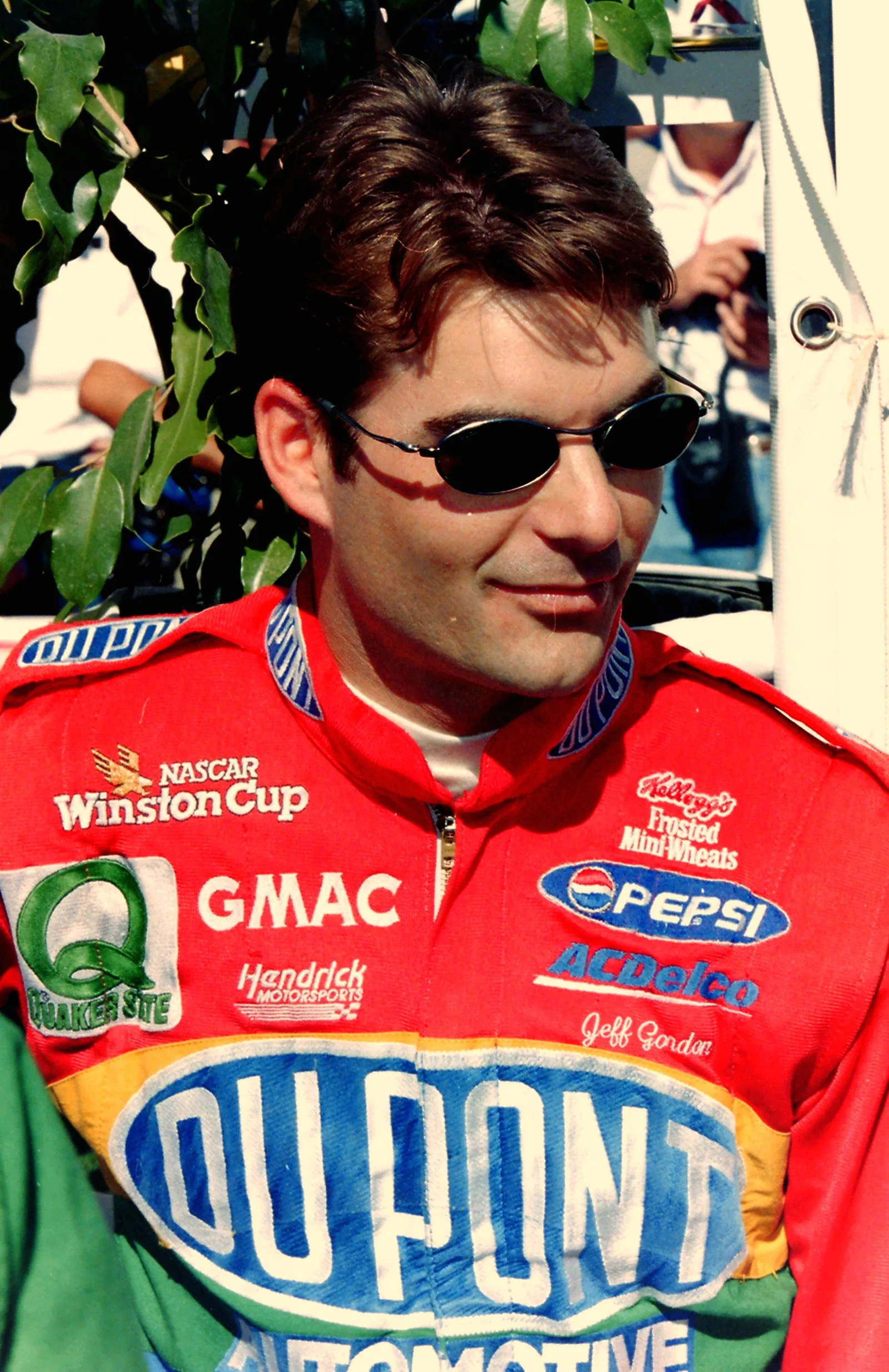
Jeff Gordon of Hendrick Motorsports won his first Winston Cup title, at 24 the youngest modern-era champion since the 1971 cutoff. He finished the season 34 points ahead of Earnhardt, who had been seeking a record eighth title.
Gordon's rise was built on consistency. He won in three of the first six races, and during one stretch he rattled off 14 straight top-ten finishes, winning four times in that run. Earnhardt pressed hard late in the year, but the margin held.
In the NAPA 500 finale at Atlanta, Gordon needed only a 41st-place finish to clinch, so he took it easy. He finished 32nd, 14 laps down, and still took the title. At the season-ending banquet he toasted Earnhardt with a glass of milk instead of champagne.
Why was the NAPA 500 so tense?
Earnhardt dominated the NAPA 500, leading 268 of the 328 laps and gaining 113 points on Gordon. He still fell 34 points short, which denied him a record-tying third straight championship and a record-breaking eighth overall.
Hendrick Motorsports had entered two extra cars for insurance, the No. 58 of Jimmy Horton and the No. 59 of Jack Sprague, so that one car could retire if Gordon's car had problems. Horton qualified 34th but was seriously hurt in an ARCA support race the day before, and Jeff Purvis drove the No. 58 to a 26th-place finish.
The race also marked the final event for King Racing, owned by drag racing legend Kenny Bernstein, and for Junior Johnson and Associates. Darrell Waltrip took his last career pole there, and Brett Bodine took over the No. 11 team.
How did the Monte Carlo change the season?
The Monte Carlo replaced the Lumina as Chevrolet's car in 1995, and it proved dominant, winning 21 of the season's 31 races. Pontiac, by contrast, won only twice and had no driver in the top ten in points, with Michael Waltrip the highest at 12th.
After the Monte Carlo won each of the first seven races, NASCAR gave advantages to Ford and Pontiac. The change did little to slow Chevrolet over the season as a whole.
Goodyear became the sole tyre supplier after winning the tyre war against Hoosier. Hoosier had won three races in 1994 with Geoff Bodine, but it left NASCAR after that season to concentrate on short-track racing.
What team changes shaped the year?
Many teams reshuffled drivers and sponsors. Dale Jarrett moved to Robert Yates Racing's No. 28 after a buyout from Joe Gibbs Racing, Gibbs signed Bobby Labonte for the No. 18 Chevrolet, and Bill Elliott formed Elliott-Hardy Racing with McDonald's as his sponsor.
Ernie Irvan, still recovering from his 1994 practice crash at Michigan, sat out the season, which opened the way for Jarrett. Junior Johnson had to find new drivers and sponsors for both of his cars, and Brett Bodine came in for the No. 11 with Lowe's as sponsor.
Steve Kinser, a sprint car legend with 14 World of Outlaws championships, joined King Racing, but the team split after he failed to qualify for the spring races at Bristol and North Wilkesboro. Ward Burton, let go from the Alan Dillard Jr. team earlier in the year, then joined Bill Davis Racing after Randy LaJoie was fired in July.
What happened in the spring races?
Gordon was the early force, winning at North Carolina Speedway and then at Bristol, while Sterling Marlin took the TranSouth 400 at Darlington after Gordon crashed while leading most laps. Dale Earnhardt won the First Union 400 at North Wilkesboro on 9 April, and Rusty Wallace won the Hanes 500 at Martinsville.
The Food City 500 at Bristol on 2 April went to Gordon, and it was the last top-three finish of Darrell Waltrip's career. At North Wilkesboro, the First Union 400 was also the final NASCAR start of sprint car legend Steve Kinser, who was dropped by King Racing after five finishes of 27th or worse.
The Hanes 500 at Martinsville on 23 April was shortened to 356 laps by a long red flag for rain and then darkness. Wallace's win there was also the 24th consecutive short-track top-ten finish of his streak, a modern-era record.
Which races defined the 1995 season?
Several races stood out, from Sterling Marlin's Daytona 500 win to Earnhardt's Brickyard 400 victory and the late-season wins of Mark Martin. The table lists nine key winners across the calendar.
| Race | Date | Track | Winner |
|---|---|---|---|
| Daytona 500 | 19 February | Daytona International Speedway | Sterling Marlin |
| Goodwrench 500 | 26 February | North Carolina Speedway | Jeff Gordon |
| Winston Select 500 | 30 April | Talladega Superspeedway | Mark Martin |
| Coca-Cola 600 | 28 May | Charlotte Motor Speedway | Bobby Labonte |
| Brickyard 400 | 5 August | Indianapolis Motor Speedway | Dale Earnhardt |
| Bud at The Glen | 13 August | Watkins Glen International | Mark Martin |
| Goody's 500 | 24 September | Martinsville Speedway | Dale Earnhardt |
| AC Delco 400 | 22 October | North Carolina Speedway | Ward Burton |
| NAPA 500 | 12 November | Atlanta Motor Speedway | Dale Earnhardt |
Sterling Marlin opened the year with a Daytona 500 win, and he became the third driver to win back-to-back Daytona 500s, after Richard Petty and Cale Yarborough. The Goodwrench 500 at North Carolina Speedway was the last 500-mile race held at Rockingham.
Earnhardt's Brickyard 400 victory on 5 August came at Indianapolis, the second running of the race. The 1994 race had been Gordon's, and Earnhardt's win gave the season one of its most prominent results away from the title chase.
Ward Burton's AC Delco 400 win at North Carolina Speedway on 22 October was the first Winston Cup victory for Burton and for Bill Davis Racing. It was also the team's last win until March 2000.
What happened at Dover and Pocono?
Kyle Petty won the Miller Genuine Draft 500 at Dover on 4 June, the first race there after the track changed from asphalt to concrete, and it was the eighth and final Cup win of his career. At Pocono on 16 July, Dale Jarrett won his first race with Robert Yates Racing.
Terry Labonte had won the UAW-GM Teamwork 500 at Pocono on 11 June, a race best remembered for Jimmy Horton climbing out of his car after being overcome by fumes. Jimmy Spencer took over the car and finished 34th, eight laps down.
The Pepsi 400 at Daytona on 1 July, which Gordon won, ended in an unusual one-lap shootout.
What happened on the superspeedways in 1995?
At Talladega on 30 April, Earnhardt was leading with two laps to go, but Mark Martin passed him in the tri-oval and Morgan Shepherd spun him exiting turn two on the last lap. Roof flaps kept the car from getting airborne, and Earnhardt drove it to a 21st-place finish.
The DieHard 500 at Talladega on 23 July was one of the hottest races in Cup history, with air temperatures reaching 103 degrees Fahrenheit. Only two cautions came out, one for debris and one for a 13-car accident on lap 139, in which Ken Schrader's car flipped end over end in the infield after contact from Jeff Gordon.
Gordon was visibly upset by the crash that began with his contact. The team brought Schrader over to speak on Gordon's radio after he left the infield care centre, so that Gordon could hear that he was all right.
Tempers also flared off track. At Michigan on 18 June, Lake Speed pinched Michael Waltrip into the wall, and after the race Waltrip threw punches through the driver's window of Speed's Ford. NASCAR fined Waltrip $10,000 for the incident.
What happened at Watkins Glen and Bristol?
The Bud at The Glen on 13 August was won by Mark Martin from pole, his third straight pole victory at Watkins Glen. The pre-race ceremonies included a parade lap in protest against a presidential order on tobacco advertising at sporting events.
During a rain delay at The Glen, Martin and Earnhardt were allowed to run 16 laps on rain tyres in a test. NASCAR did not use rain tyres in a race until the 2020 season, so the test was an early step toward wet-weather racing.
At Bristol on 26 August, the Goody's 500 finish was chaotic. Earnhardt ran down Terry Labonte in the closing laps, and the two cars made contact in turn four. Labonte crashed into the outside wall but slid across the finish line first. Rusty Wallace, who had crashed on lap 32 after contact from Earnhardt, finished 21st and ended his streak of 24 consecutive short-track top-ten finishes. A fight broke out after the race, and Wallace threw a water bottle at Earnhardt.
What did the 1995 season leave behind?
The season ended with a new champion and a long list of new faces. Ricky Craven drove the No. 41 Chevrolet for Larry Hedrick Motorsports to four top-ten finishes and Rookie of the Year honours, and he finished 24th in the points.
Gordon's first title showed how quickly a young driver could reach the top of the sport. The year also showed how a single manufacturer's car could dominate a season, and how a driver who had been close for years could still come up just short.