Seven Cup titles, 200 wins and seven Daytona 500s made Richard Petty the benchmark for NASCAR, a career that ran from 1958 to 1992 with one family team.
Richard Petty raced in NASCAR between 1958 and 1992 and is counted among the sport's greatest drivers. His career tally includes 200 victories, the most in the series' history, plus seven Cup titles and seven Daytona 500 wins.
Richard Petty was an American stock car driver whose NASCAR career ran from 1958 to 1992, and he remains one of the most successful competitors the series has seen. He won a record 200 races, seven Cup championships and seven Daytona 500s, most of them for the family team his father built.
Who is Richard Petty?
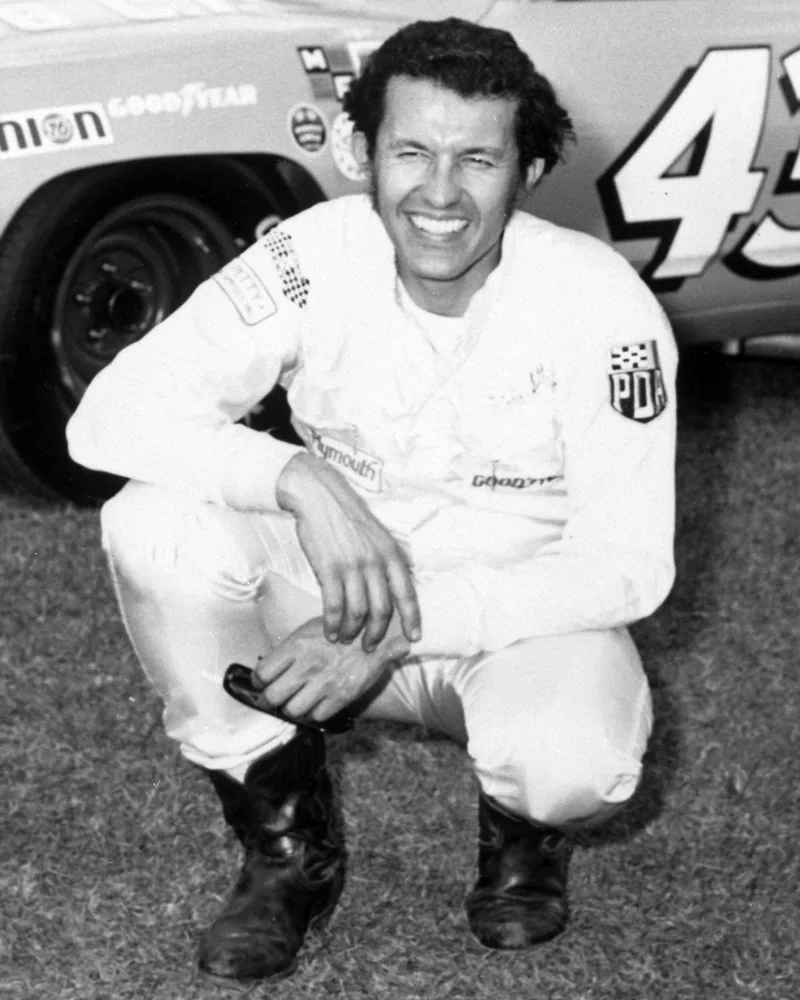
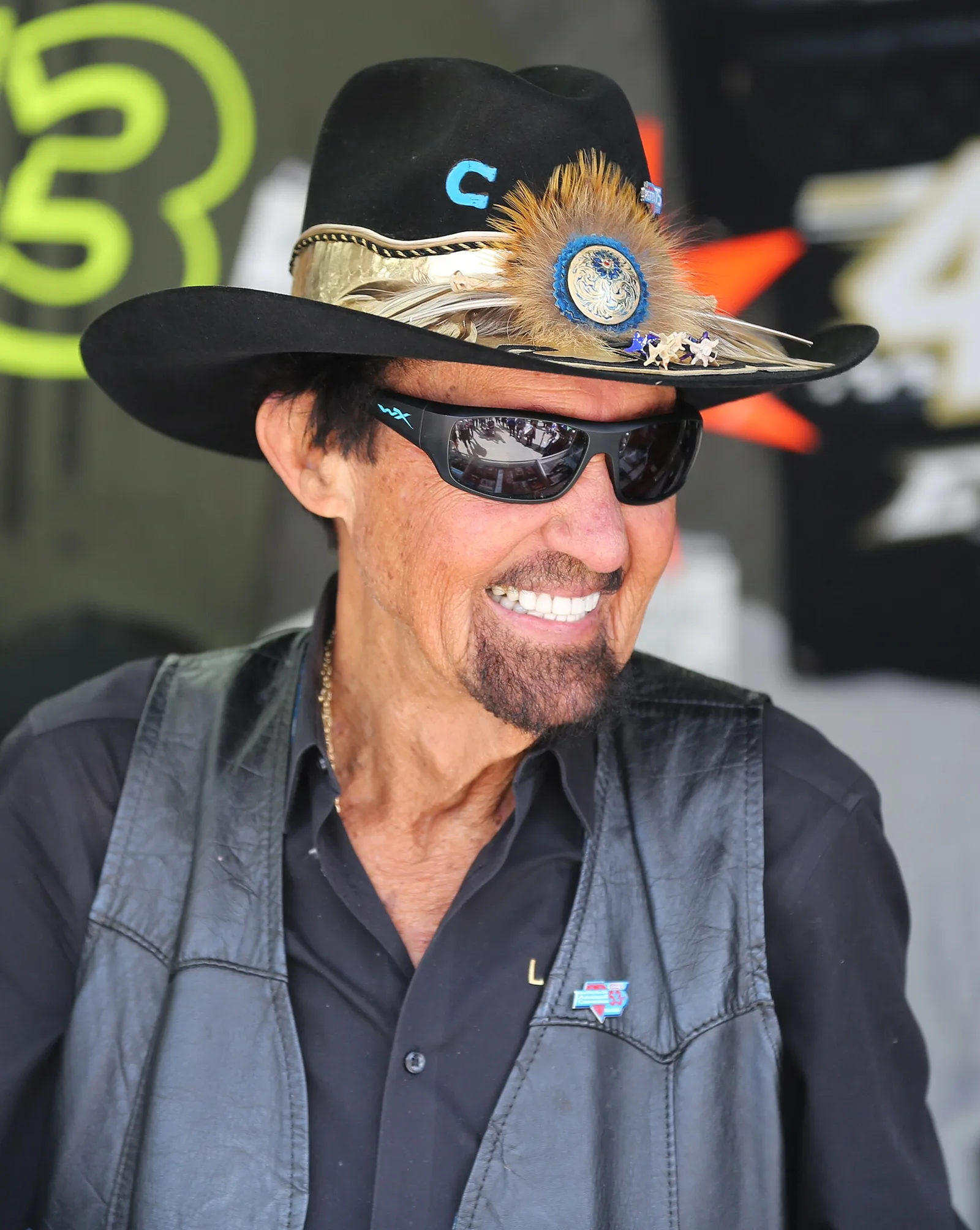
Richard Lee Petty was born on 2 July 1937 in Level Cross, North Carolina, and was nicknamed the King. He is a former stock car racer who competed in the Grand National and Winston Cup Series, now called the NASCAR Cup Series. He drove for Petty Enterprises for much of his career.
He was the son of Lee Petty, also a NASCAR driver, and his name is shared by one of the most recognisable racing families in the United States. Petty is widely regarded as one of the greatest drivers in NASCAR history.
Seven Cup titles, seven Daytona 500s and 200 wins from one family team, the record that still sets the standard in NASCAR.
How did Petty start racing?
Petty made his first NASCAR start on 18 July 1958, sixteen days after his 21st birthday, at CNE Stadium in Toronto. He had worked for Petty Enterprises after leaving school, and that family base shaped his first seasons.
In 1959 he was named NASCAR Rookie of the Year after nine top-ten finishes. That year he also ran the inaugural Daytona 500 at the new Daytona International Speedway, but engine trouble ended his day, and he joined his father's pit crew as Lee's team won the race. At Lakewood, Georgia he won his first race, but his father protested over a scoring error, and hours later Lee was awarded the win.
How did Petty's championship career develop in the early 1960s?
In 1960 he finished second in the Grand National points race and won his first race at Charlotte. The breakthrough came in 1964, when he drove a Plymouth with a new Hemi engine and led 184 of the 200 laps at Daytona to win his first 500.
That season he collected nine victories, and it brought his first Grand National championship. Those results established him as the leading driver of the period, and they set up the years that followed.
Why did Petty race as a drag racer in 1965?
In 1965 Petty joined the Chrysler boycott of NASCAR, which followed the organising body's ban on the Hemi engine. He spent much of the year competing as a drag racer, with Petty Enterprises fitting the Hemi into a compact Barracuda. The car was lettered OUTLAWED on the door.
On 28 February 1965 he crashed that car at Southeastern Dragway in Dallas, Georgia. The accident killed an eight-year-old boy and injured seven others. Lawsuits totalling more than $1 million followed, and the team reached settlements within a month. A second Hemi Barracuda was then built, which he drove until early 1966.
How did the 1966 and 1967 seasons shape his reputation?
Trailing by two laps, he still took his second Daytona 500 in 1966, after a thunderstorm halted the race on lap 198 of the 200 scheduled. He became the first driver to win the race twice.
1967 was the milestone year. Petty won 27 of the 48 races he entered, a record, and he also took a record ten consecutive wins between 12 August and 1 October. He won his second Grand National championship that season. One of those victories was the Southern 500 at Darlington, the only time he won that race, and his dominance earned him the nickname King Richard.
What did the switch to Ford and the 1970s bring?
In 1969 Ford stepped up its factory involvement in NASCAR with the Ford Torino Talladega. Petty moved to Ford because he believed the Plymouth was not competitive on super-speedways, and he won ten races that year and finished second in points. He returned to Plymouth for 1970, when he drove the sleek Superbird with its shark nose.
On 14 February 1971 he won his third Daytona 500, beating Buddy Baker by a car length. That year he became the first driver to earn more than $1 million in career earnings. A new sponsorship with STP began in 1972 and ran for 28 years, although it meant the end of his all Petty Blue livery.
In 1972 he collected 28 top-ten finishes, including eight victories, and took his fourth Cup championship. The Dodge Charger became his car in mid-season. He then won the 1973 Daytona 500 when Baker's engine failed with six laps to go. In 1974 he won the Daytona 450, a race cut short by the energy crisis, for his fifth win in the event.
1975 was another historic year. He won the World 600 for the first time, and his thirteen wins that season set a modern NASCAR record for a season, one later tied by Jeff Gordon in 1998.
What happened in the 1976 Daytona 500 and the 1979 title?
In 1976 Petty and David Pearson raced for the win on the last lap of the Daytona 500. Petty's bumper clipped Pearson's as he tried to pass, and both cars hit the wall. Petty's engine stalled near the line, and his crew could not push the car over. Pearson drove across the line to win, and Petty was credited with second.
1978 is the year without a win. The Dodge Magnum did not handle well, and Petty moved to a Chevrolet Monte Carlo at the fall race at Michigan. He finished sixth in the standings that year, and 1979 proved far better.
In 1979 he won the Daytona 500 in an Oldsmobile, a race remembered for its televised finish and for ending his 45-race winless run. He then took his seventh and last Winston Cup title, by eleven points, a margin that was the closest in NASCAR history until 1992.
How did the 1980s go for Petty?
The 1980 season began well, with two early wins at North Wilkesboro and Nashville. A violent crash at Pocono in July ended his title hopes, and he finished fourth in points.
For 1981 NASCAR required the downsized cars, and Petty wanted to return to Dodge. In January 1981 he tested a Dodge Mirada at Daytona, and about 15,000 fans came to watch. The car reached only 186 mph, slower than the GM and Ford cars, so he gave up on Dodge and drove a Buick Regal instead.
At the 1981 Daytona 500 he used a fuel-only pit stop with 25 laps to go, which helped him beat Bobby Allison and take his seventh and final Daytona 500. Dale Inman, his longtime crew chief, left the team after that victory.
1983 brought three wins, including the Carolina 500, where he narrowly beat Bill Elliott. The win on 4 July 1984 at the Firecracker 400 was the official 200th and last victory of his career. Cale Yarborough was close behind on the final lap, and President Ronald Reagan attended the race, the first sitting president to watch a NASCAR race.
In 1988 Petty went to Australia to promote a NASCAR exhibition race at the Calder Park Thunderdome. He set an unofficial lap record there at 28.2 seconds, a speed of 142.85 mph, which would have put him on pole for that race.
How did Petty's final season go?
On 1 October 1991 he announced he would retire after the 1992 season. He chose to run the whole year rather than pick out events, and a Fan Appreciation Tour took him around the country. Racing Champions issued a diecast car for every race of the farewell tour.
At the 1992 Pepsi 400 on 4 July he qualified on the front row for the first time since 1986, and he led the opening five laps. The heat forced him out after 84 laps. He still qualified for all 29 races that season.
His last race was the Hooters 500 at Atlanta Motor Speedway, a season finale with a championship battle between Alan Kulwicki and Davey Allison. Petty qualified 39th of 41 cars. His car caught fire on lap ninety-four, and the crew got it running again to take the final checkered flag in 35th place. Afterwards he circled the track in his STP Pontiac to salute the fans.
What has Petty done since retiring?
He made a few public appearances after 1992. On 18 August 1993 he drove laps at Indianapolis Motor Speedway during a tire test, then donated his car to the Speedway's museum. In 2003 he took a solo lap at Homestead-Miami honouring his seven championships.
He has also taken part in pace laps at major races. In 2009 he drove one of his 1980s Pontiacs at Daytona for the 25th anniversary of his 200th win. At the 2017 Southern 500 he led the field in his Plymouth Belvedere, and he was black-flagged for staying out a lap longer than expected.
He worked as a CBS colour commentator from 1995, covering three races including the Daytona 500, and he took part in one TBS race, the Coca-Cola 600. The Richard Petty Museum opened in Level Cross in 1998 to celebrate his career.
How did Petty's team change under his ownership?
Robbie Loomis led Petty Enterprises as crew chief in the 1990s, and the team won three races in that period. Bobby Hamilton drove for two of those wins, at Phoenix in 1996 and at North Carolina Speedway in 1997, and John Andretti won at Martinsville in 1999.
Petty remained the operating owner until his son Kyle took over day-to-day operations about a decade later. In 2008 Petty Enterprises was bought by Gillett-Evernham Motorsports and renamed Richard Petty Motorsports, and the racing assets were sold in November 2010.
How is Petty's legacy judged?
Petty is often counted among the best drivers the series has produced. He won seven Cup championships, a record he shares with Dale Earnhardt and Jimmie Johnson, and he holds the record for most starts with 1,185.
He ranks first all-time with 55 superspeedway wins and 139 short track wins, and he led 51,514 laps during his career, nearly 20,000 more than second-placed Cale Yarborough. He won at least one race in 18 straight seasons from 1960 to 1977.
His honours include the inaugural NASCAR Hall of Fame class of 2010, the International Motorsports Hall of Fame in 1997, and the Medal of Freedom from President George H. W. Bush in 1992, the first motorsports athlete to receive it. He was also ranked 90th in SportsCentury's list of the 50 greatest athletes of the 20th century.
What are Petty's main career records?
| Season | Result | Context |
|---|---|---|
| 1958 | First NASCAR start | Toronto, sixteen days after his 21st birthday |
| 1959 | Rookie of the Year | Nine top-ten finishes |
| 1964 | First Daytona 500 win, first title | Nine victories that season |
| 1966 | Second Daytona 500 win | First driver to win the race twice |
| 1967 | 27 wins from 48 races | Ten consecutive wins; second Grand National title |
| 1971 | Third Daytona 500 win | First driver past $1 million in career earnings |
| 1972 | Fourth Cup championship | 28 top-ten finishes, eight wins |
| 1973 | Fourth Daytona 500 win | Baker's engine failed late |
| 1975 | Sixth Cup championship | Thirteen wins in the season |
| 1979 | Sixth Daytona 500 win, seventh title | Title won by eleven points |
| 1981 | Seventh Daytona 500 win | Fuel-only pit stop |
| 1984 | 200th and last win | Firecracker 400, Reagan attended |
| 1992 | Final season and race | Hooters 500 at Atlanta, 35th place |