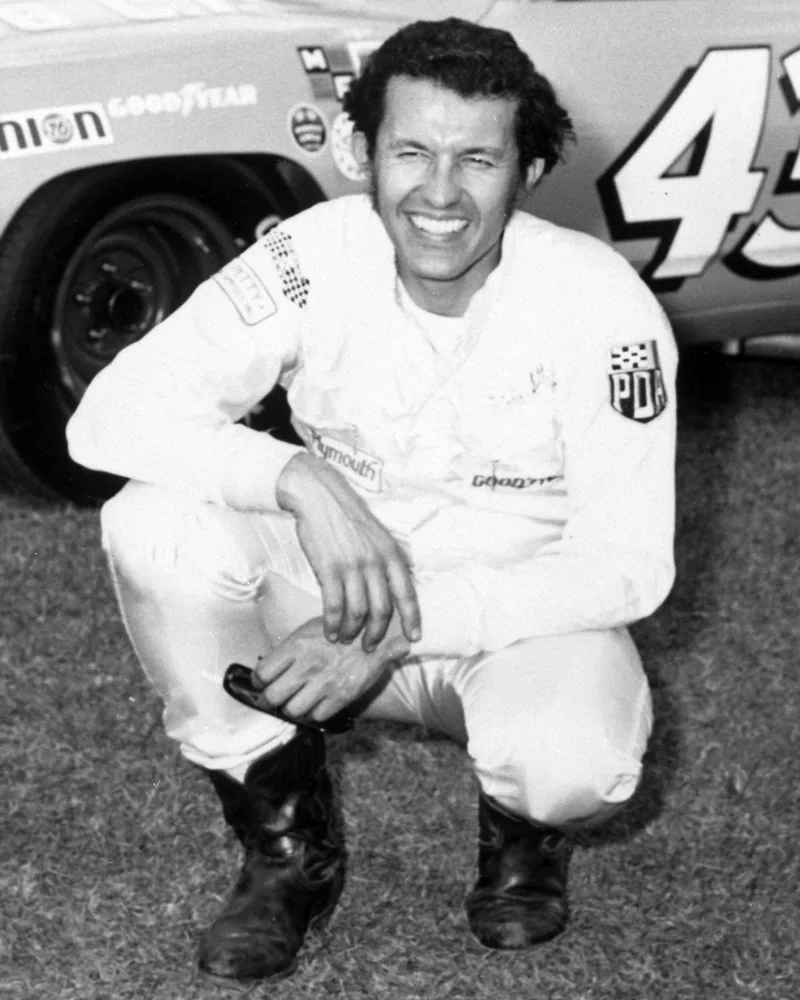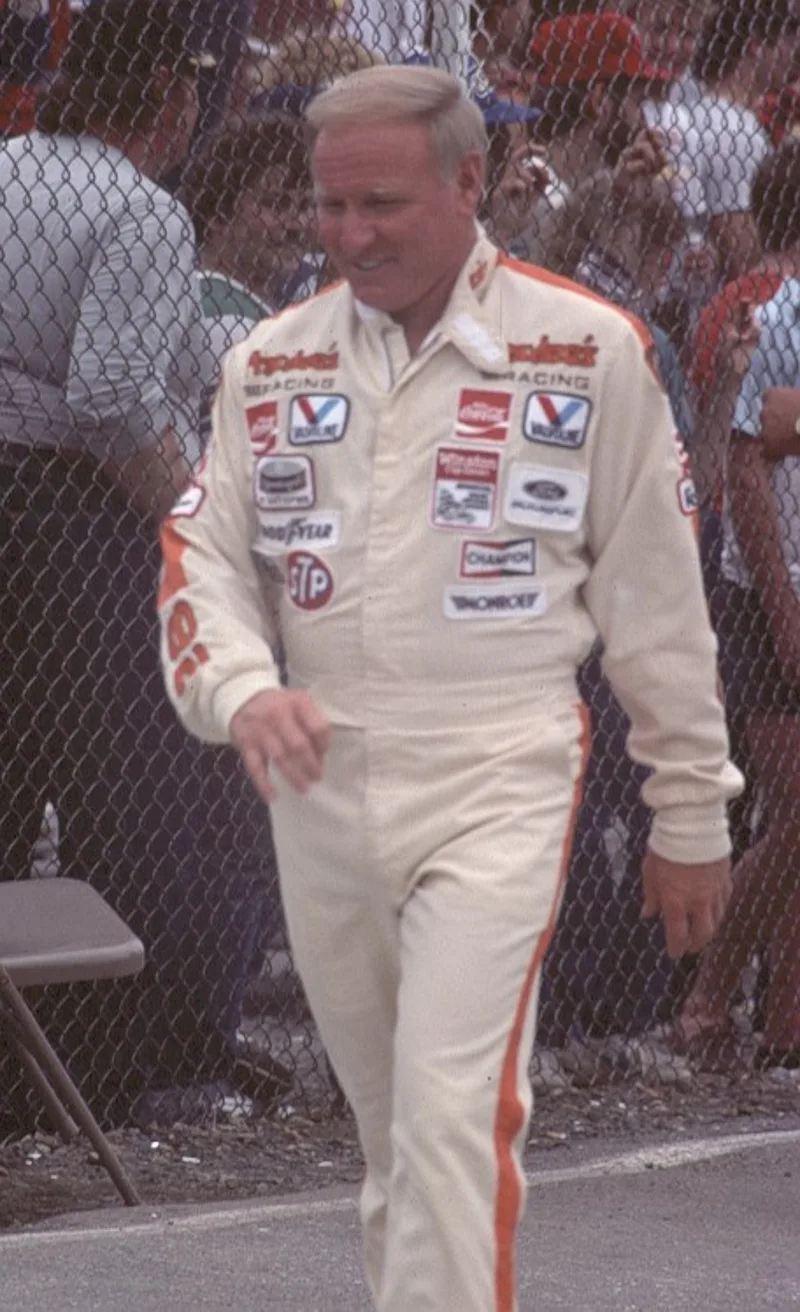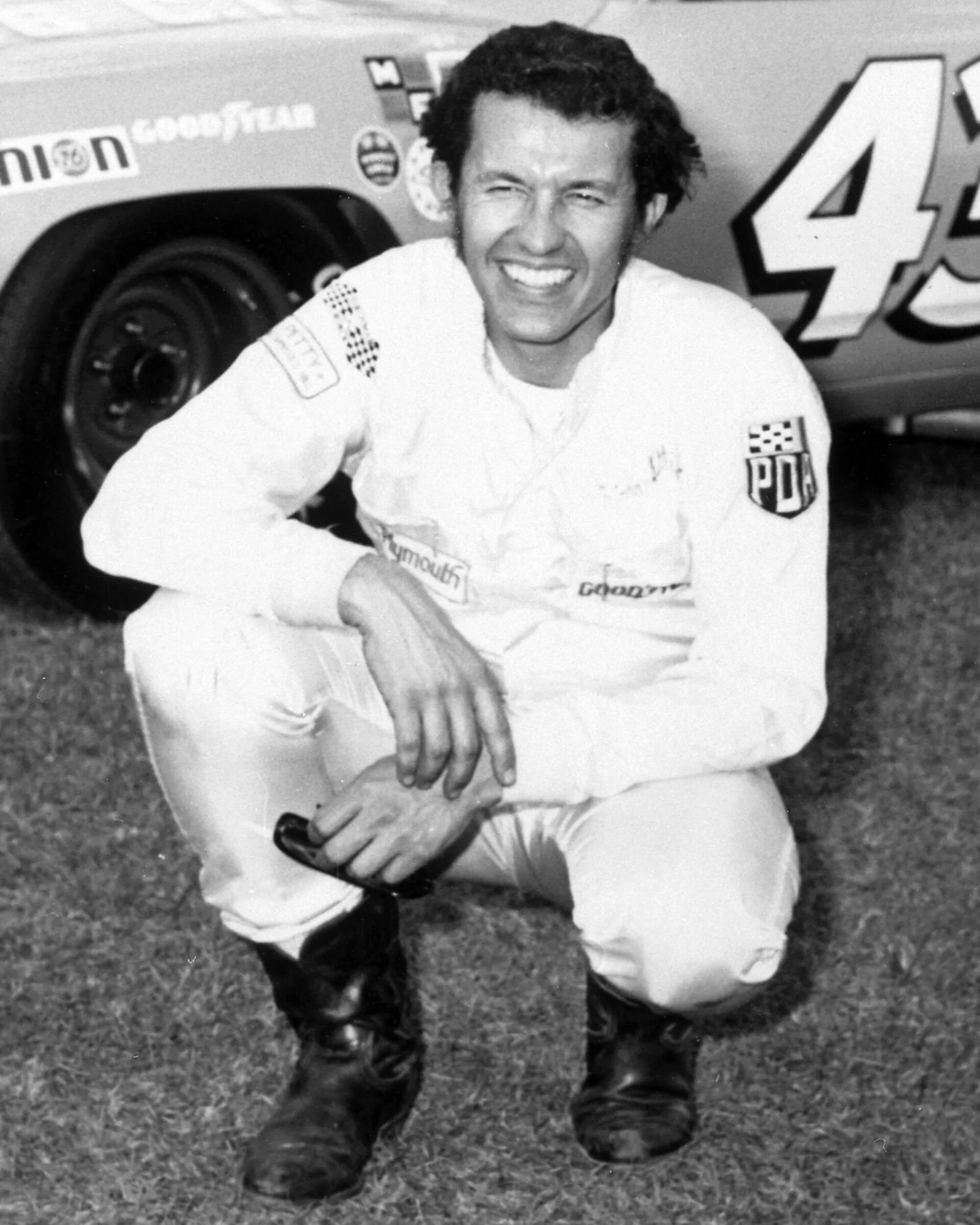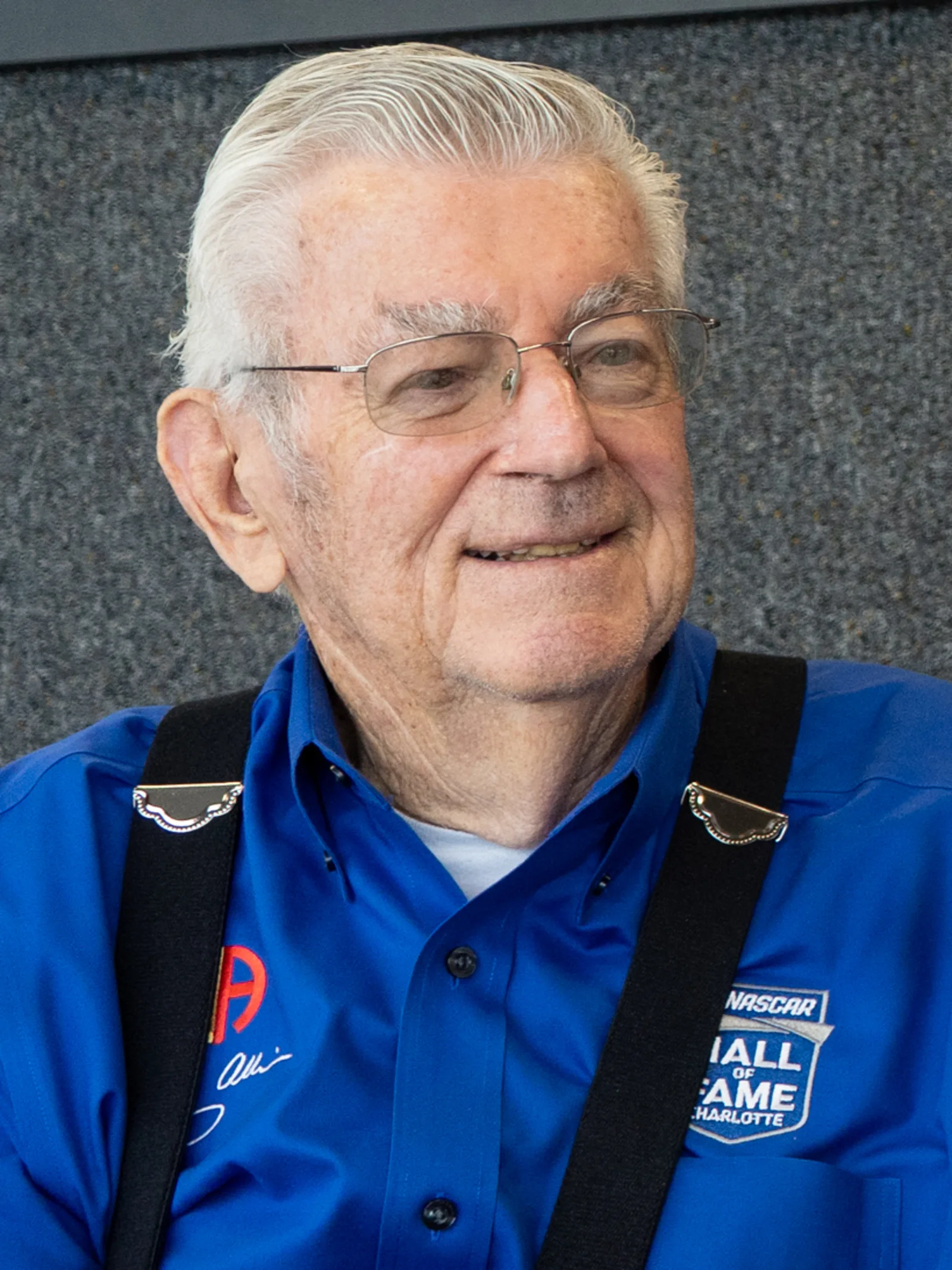
From short-track titles in Alabama to 85 Cup wins, three Daytona 500s and a 1983 championship, and a career reshaped by the 1988 Pocono crash.
Bobby Allison was an American stock car driver and owner whose Cup career spanned 1961 to 1988. He won 85 official Cup races and the 1983 Winston Cup championship, and he took three Daytona 500 wins, in 1978, 1982 and 1988. He died in November 2024, aged 86.
Bobby Allison was one of NASCAR's most durable drivers of the 1970s and 1980s, winning 85 official Cup races and the 1983 championship. He founded the Alabama Gang, a group of short-track racers, and he survived a near-fatal crash at Pocono in 1988. He died in November 2024, aged 86.
How did Bobby Allison get into racing?
Allison was born in Miami, Florida, in 1937 and made his first race appearance as a high school senior. Because he was still a minor, he needed his parents' consent, and his mother agreed. He assumed the permission was open-ended, but she had meant it as a single outing.
After high school in 1955, his mother hoped to steer him away from racing. She arranged a job in Wisconsin at Mercury Outboard Motors, where a relative was sales manager. Unknown to her, the company's owner, Carl Kiekhaefer, also ran race cars.
He began as a mechanic and engine tester, working in the boat division for ten months before moving to the racing side. In the two months he spent there, he attended nineteen races, nearly all of them Grand National events, and Kiekhaefer cars won every one.
Kiekhaefer was a hard taskmaster, and staff turnover was high. Allison returned to Miami after a little more than two months, and he raced again in 1956, though he could not live at home while doing so.
He invented the name Bob Sunderman for one result that made the Sunday paper. His father insisted that any racing be done under his real name.
In 1959 he and his brother Donnie, along with two others, went looking for better purses than South Florida offered. They found a race at Midfield, near Birmingham, where he took fifth place, and then a second place in the Montgomery feature, which won him $400.
The group began calling itself the Alabama Gang, and Allison became a well-known short-track driver. He earned Modified Special titles in 1962-63 and NASCAR National Modified championships in 1964-65.
Eighty-five Cup wins, three Daytona 500s and a career that survived a near-fatal crash at Pocono.
How did Allison's short-track success lead to NASCAR?
Allison moved to the Grand National circuit full-time in 1965 and won his first race at Oxford Plains Speedway on 12 July 1966. Short-track racing had been his foundation, and those titles built the reputation that took him to the top tier.
For much of his career he raced with a low-budget team of his own and still won,.
His brother Donnie was also a prominent driver.
What did Allison achieve in Cup racing?
Allison has 85 credited Cup victories, placing him fourth on the all-time list. Allison's Daytona 500 triumphs came in 1978, 1982 and 1988, and in 1983 he claimed the Winston Cup title while driving for DiGard Racing. He was also the 1972 national Driver of the Year.
In 1972 he won ten races and collected 11 poles, a stretch that included a record five in a row. That form earned him the national Driver of the Year title, and he received the same award again in 1983, the year of his championship.
His teams included DiGard, Junior Johnson and Associates, and Roger Penske. For Penske he scored four of the five NASCAR wins that the American Motors Matador took.
In 1972 he also made two Trans-Am starts in a Brock Racing Enterprises Datsun 510, finishing third on debut at Laguna Seca. At Indianapolis he started the 500 twice, and 25th in 1975 was his highest placing.
What happened in the 1982 Daytona 500 'Bumpergate' controversy?
Allison won the 1982 Daytona 500, but his car was found to have lost a rear bumper that appeared to fall off in a bump early in the race. Tests suggested the car was quicker and easier to handle without it, and critics claimed the bumper had been set up to come off. NASCAR never penalised him, and the win stood. That same year he also won the Firecracker 400, making him the fourth driver to win both Daytona points races in a single season. The record stood until Jimmie Johnson matched it in 2013.
The bumper episode became known as Bumpergate. Allison and his crew denied any wrongdoing. In his biography Miracle, he described how inspectors had told the crew to move the bumper on its mountings.
According to that account, the team tack-welded the bumper back into an acceptable position but did not secure it properly. The tests recorded a weight difference of over 70 pounds (32 kg) with the bumper removed.
How did the 1979 Daytona 500 fight with Cale Yarborough unfold?
In the 1979 Daytona 500, Allison's brother Donnie and Cale Yarborough crashed on the final lap, and Richard Petty won. Allison stopped to offer his brother a ride and was attacked by Yarborough, which led to a fistfight. Each of the three men was fined $6,000.
Donnie was in the lead for much of the second half, while Yarborough was working his way back through the caution periods. Allison, two laps down, finished the race and turned back to check on his brother.
Allison recalled that Yarborough accused him of causing the wreck and struck him with his helmet. Yarborough saw things differently, saying Donnie had forced him into the mud.
NASCAR later refunded the fines, reportedly as a reward for drawing attention to the sport. Allison said his share of the purse from the race was only $4,000, so his wife Judy contributed $2,000 towards the fine.
How did Allison run his own team?
Allison drove his own cars for parts of the early 1970s, including the whole of 1973, and he won six races as an owner-driver between 1970 and 1974. After splitting with Roger Penske, he ran his own team in 1977 and finished second at Nashville.
In 1985 he left DiGard Motorsports to return to owner-driving, taking his number 22 and his Miller sponsorship with him. His best result that year was fourth at Dover.
After 1990 his revived team employed drivers such as Jimmy Spencer, Mike Alexander, Hut Stricklin and Derrike Cope. The car carried No. 12, with Raybestos sponsorship from 1990 to 1992 and Meineke in 1993.
Mane 'n Tail backed Derrike Cope in 1995 and 1996, but financial problems forced the team to close after the 1996 season.
What tragedies affected his later years?
In June 1988 Allison crashed at Pocono on the first lap and was initially declared dead before doctors saved him. The crash came during the Miller High Life 500, and he spent time in a vegetative state, then rehab, and his planned comeback was abandoned. His sons Clifford and Davey died in a 1992 practice crash and a 1993 helicopter accident.
Once he was out of the vegetative state, he entered rehab and regained much of his memory. He then had to relearn everyday activities. Permanent injuries from that crash meant he had no memory of his final Daytona 500 win or of the celebration with his son.
The comeback he prepared for in the early 1990s was abandoned after a series of family losses. His younger son Clifford was fatally hurt in a practice session at Michigan in 1992, and Davey died in a helicopter crash at Talladega the following year.
Allison and Judy divorced three years after those tragedies, then reconciled and remarried in July 2000. She died in December 2015 after complications from surgery.
How many Cup wins does Allison have, and what is disputed?
Allison has 85 official Cup victories, which puts him fourth on the all-time list, one ahead of Darrell Waltrip. Unofficially he may be credited with 86, because two results are disputed: the 1971 Myers Brothers 250 and the 1973 National 500.
The 1971 race at Bowman Gray Stadium was run on 6 August. Allison raced a Grand American Ford Mustang, which NASCAR did not count in the Grand National series at the time. On 23 October 2024 NASCAR awarded him that win.
The 1973 National 500 was decided after Allison protested the engines of the top two finishers, Cale Yarborough and Richard Petty. NASCAR inspected the cars, kept the original results, and Allison reportedly accepted restitution.
Only ten drivers have won what is unofficially known as a career Grand Slam across the sport's four major events. Allison is one of them.
What were his later years and honours?
In 1992 the Motorsports Hall of Fame of America honoured him, and the International body followed in 1993. In May 2011 he entered the NASCAR Hall of Fame, joining Ned Jarrett, David Pearson, Bud Moore and Lee Petty in that class.
He was a voice for rail safety, appearing at Talladega and Daytona for the CSX Keep on Living campaign. He was named one of NASCAR's 50 greatest drivers, a recognition of a career that ran from 1961 to 1988. His mother, Kittie, died in March 2008 in Charlotte at the age of 101.
He died in Mooresville, North Carolina, on 9 November 2024, aged 86. His family announced the death the same day, ahead of the NASCAR Xfinity Series Championship Race.
What were Allison's key milestones?
Allison's main achievements run from his early Modified titles to his Daytona 500 wins and the 1983 championship. The table below sets out his milestones in date order, including the wins and honours that define his record.
| Year | Milestone |
|---|---|
| 1959 | Fifth at Midfield, then second in the Montgomery feature |
| 1962-63 | Back-to-back Modified Special titles |
| 1966 | First Grand National win, at Oxford Plains Speedway on 12 July |
| 1972 | National Driver of the Year, with ten wins and 11 poles |
| 1978 | Daytona 500 win |
| 1982 | Daytona 500 and Firecracker 400 wins |
| 1983 | Winston Cup champion |
| 1988 | Daytona 500 win, the first with restrictor plates |
| 2011 | NASCAR Hall of Fame induction on 23 May |
| 2024 | Died on 9 November, aged 86 |