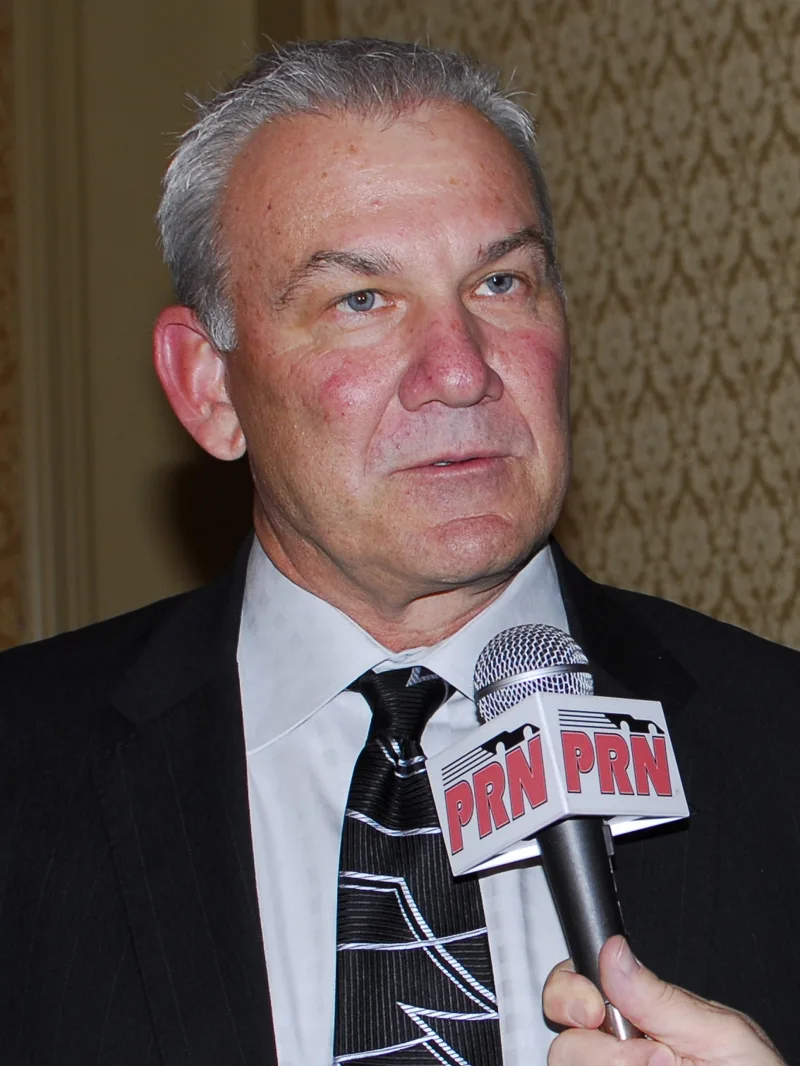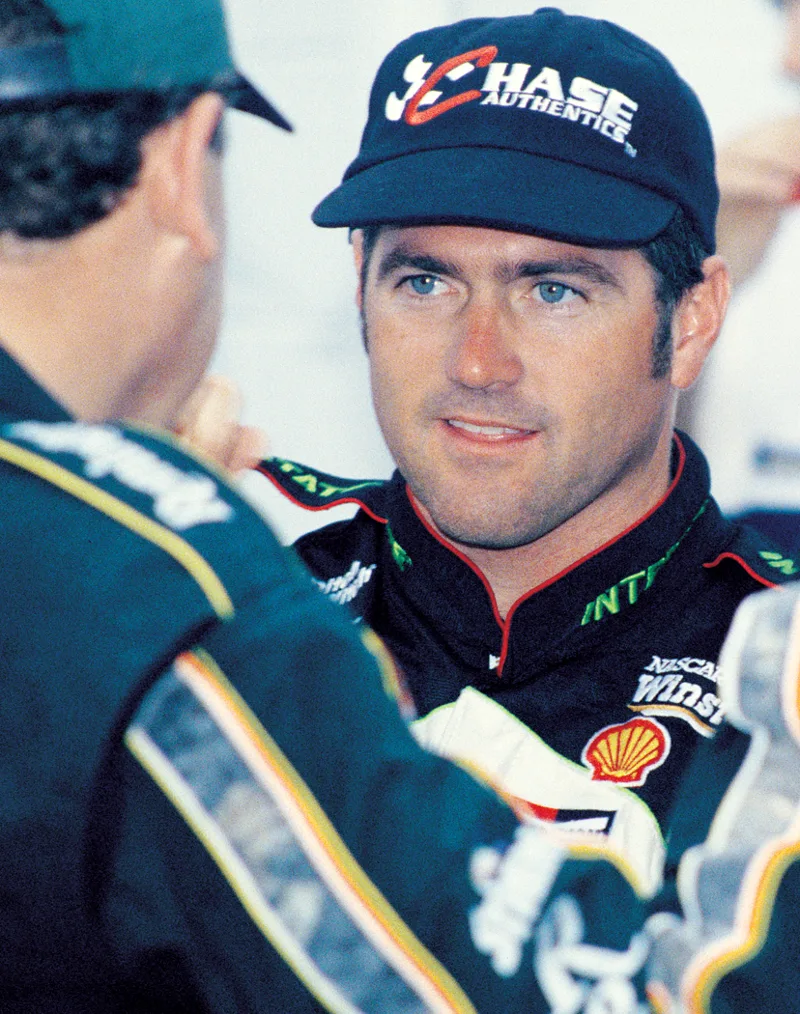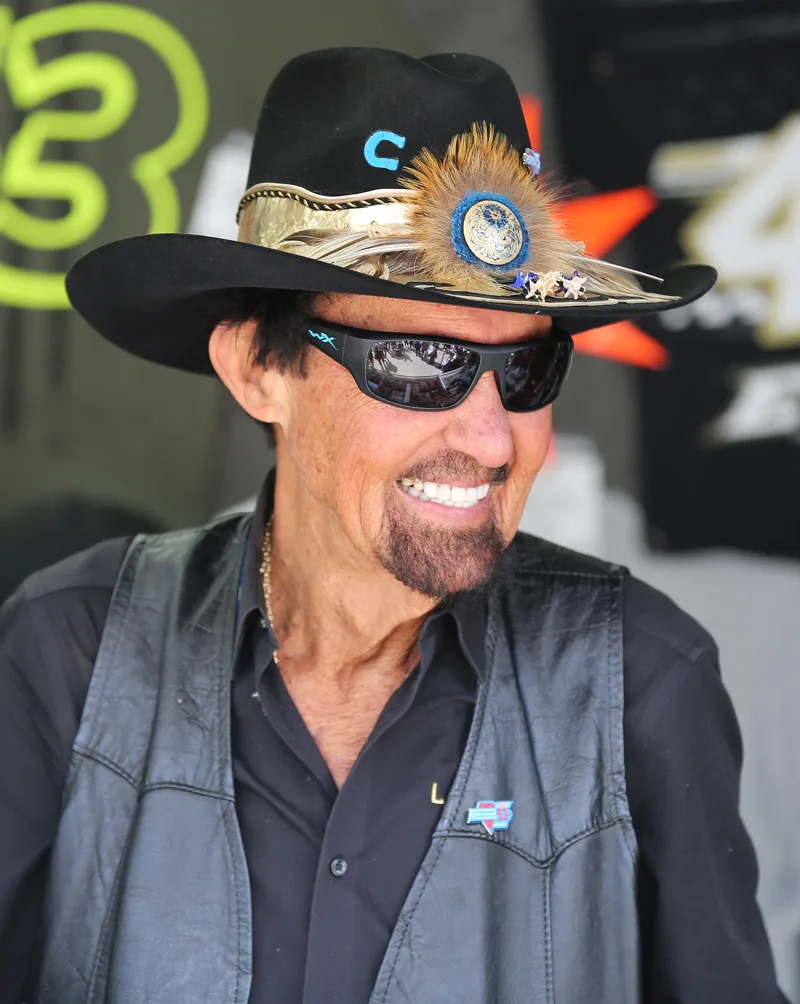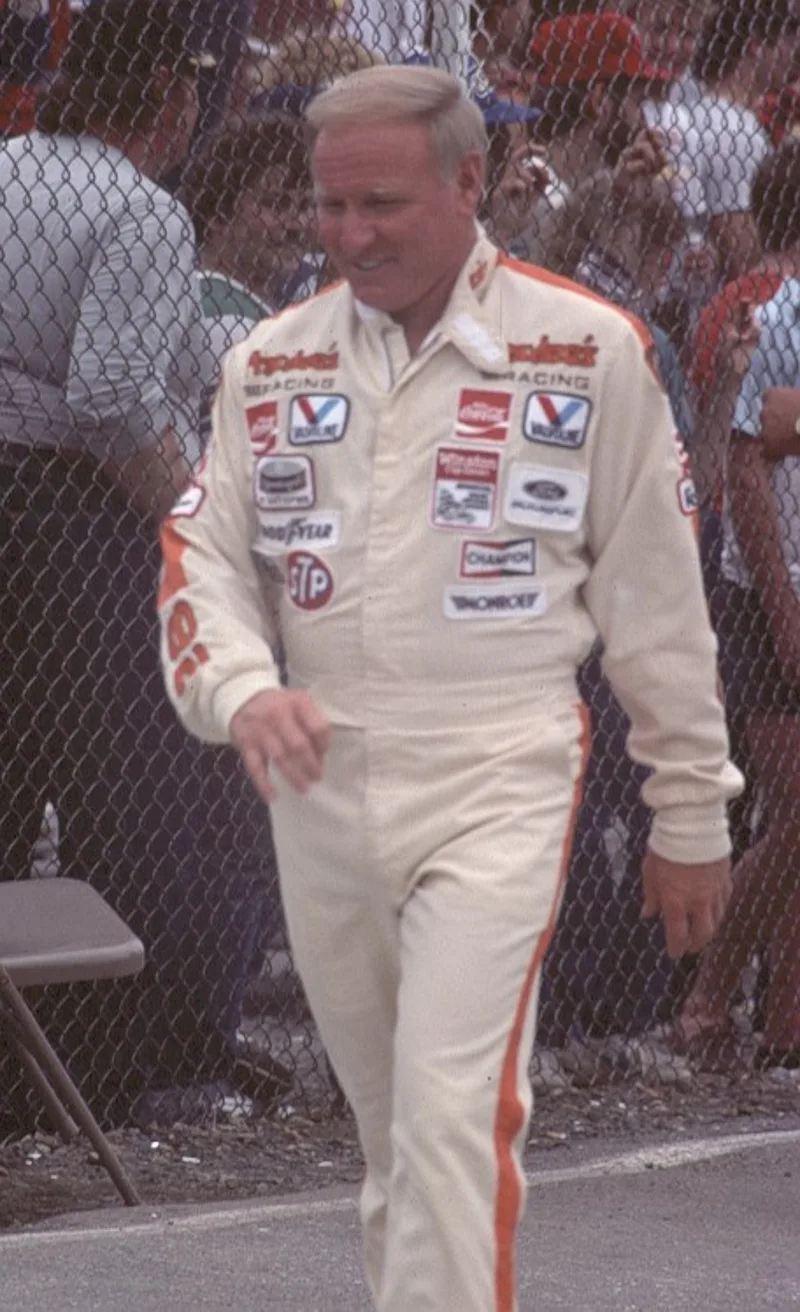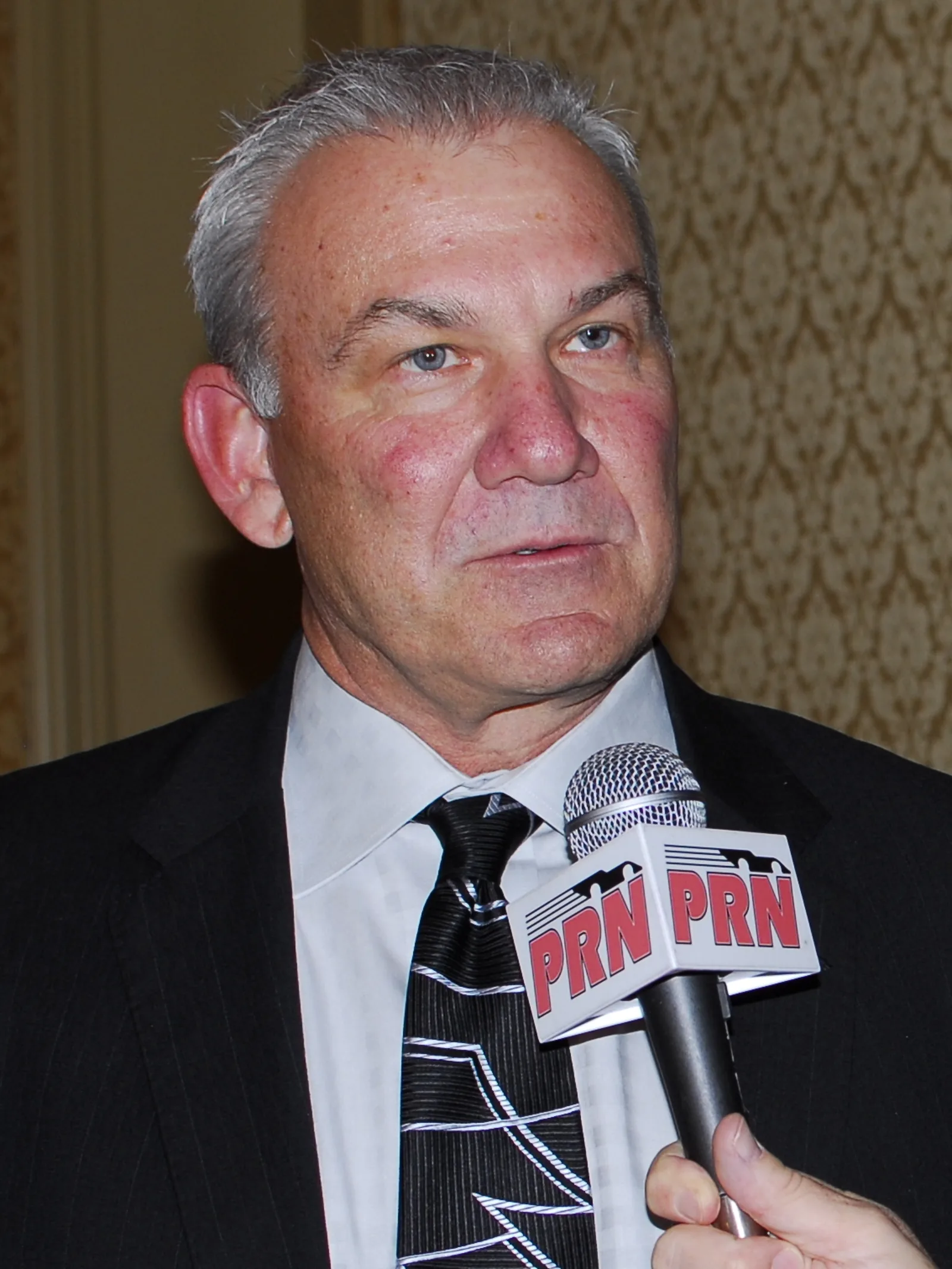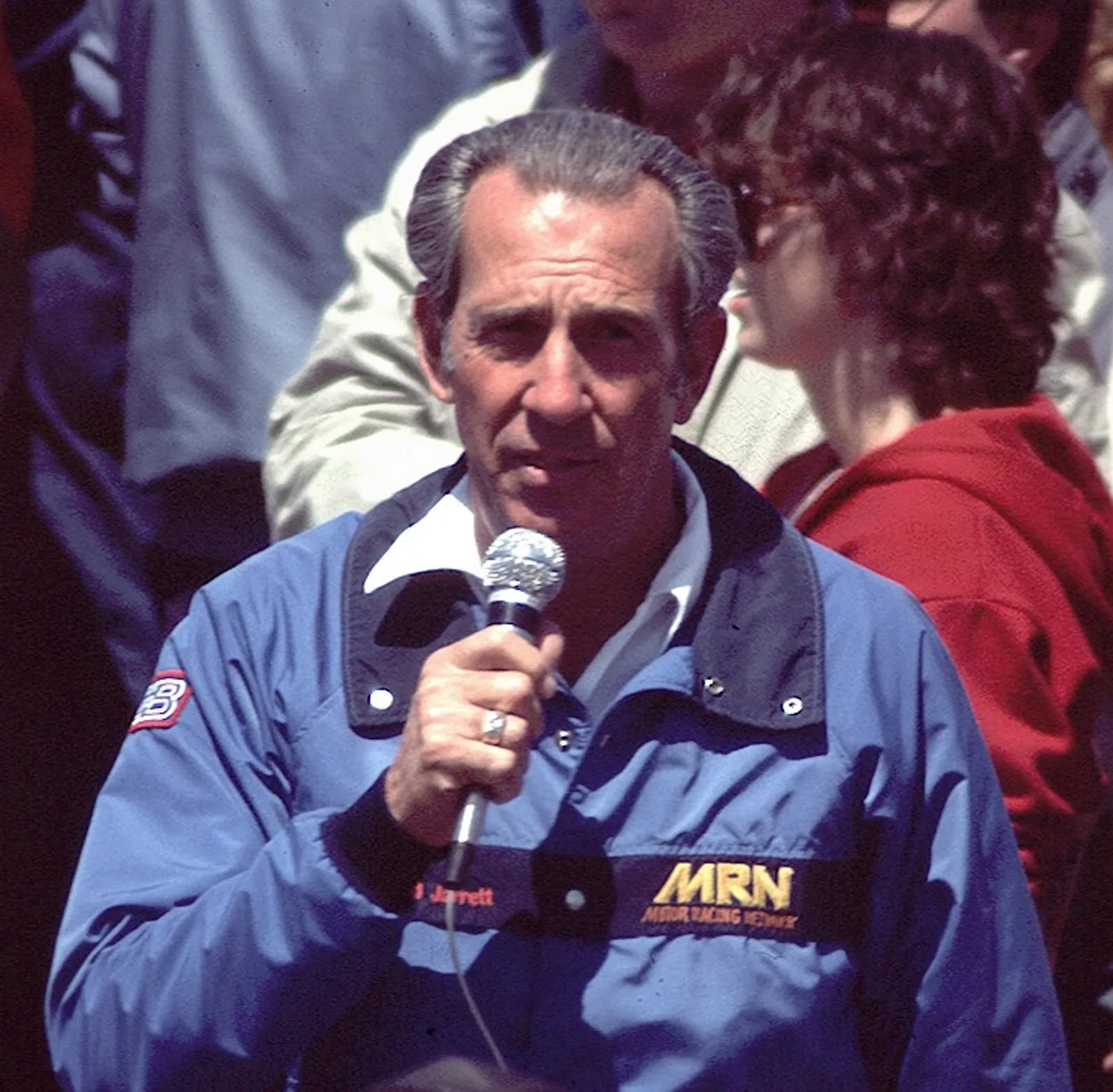
From a 1952 Sportsman Series start in North Carolina to the 1965 Southern 500 and four decades of racing commentary on radio and television.
Ned Jarrett was an American stock car driver and broadcaster who won NASCAR Grand National titles in 1961 and 1965. Born in 1932 in Conover, North Carolina, he later called races on radio and television and died in 2026 aged 93.
Ned Jarrett won two NASCAR Grand National championships, in 1961 and 1965, before retiring from driving at the age of 34. He then built a second career in radio and television, calling races for four decades. Known as Gentleman Ned, he died at his home in Newton, North Carolina, on 4 June 2026, aged 93.
Who was Ned Jarrett?
Ned Miller Jarrett was born on 12 October 1932 in Conover, North Carolina, to Homer Keith Jarrett and Eoline Marie Leatherman. Cars caught his interest early; at nine he was already at the wheel of the family car on Sunday trips to church.
By twelve he was working at his father's sawmill, though racing was what he really wanted. His calm, controlled manner earned him the nickname Gentleman Ned, which followed him from the track to the microphone.
He married twice and had three children, including the drivers Glenn and Dale Jarrett. His second wife, Martha Ruth Bowman, remained his wife until her death in 2023.
Gentleman Ned: two Grand National titles, a record-setting Southern 500 and four decades of calm, clear race commentary.
How did Jarrett get into racing?
His first race came in 1952 at Hickory Motor Speedway in North Carolina, in a Ford he shared ownership of with his brother-in-law, John Lence. He finished tenth, which his father did not welcome. He was told he could work on cars but was not to race them.
A substitute drive under his brother-in-law's name went well, and he entered more races that way. He was eventually caught by his father after a win, and he was told that if he was going to drive he should use his own name.
His first Grand National start came in 1953 at the Southern 500 at Darlington Speedway. He was out after ten laps when the engine leaked oil, but the step up to the top series had begun.
He was the track champion at Hickory Motor Speedway in 1955 and finished second in the Sportsman Series in 1956. He then won the NASCAR Late Model Sportsman National championship in both 1957 and 1958, a title that later became the O'Reilly Series.
How did Jarrett win his first Grand National title?
The 1961 Grand National title came from 46 races, with 22 top-five and 34 top-ten finishes and a single win.
In 1959 he bought a Junior Johnson Ford for $2,000. He was short of cash, so the cheque was timed around the bank's hours. He entered two races and won both, which paid for the car.
He won five races in 1960, and by 1961 he had built a reputation for finishing near the front. Bud Alman served as crew chief with John Carl Ervin as mechanic, and the operation was based in a shop on West A Street in Newton.
Schedules in those years were punishing, and some weekends included more than one race. One unusual venue of the period was Bowman Gray Stadium in Winston-Salem, where the track ran around the football field. Preparing for the 1963 Daytona 500 was an ordeal: when Ford introduced its fastback body, Alman and Ervin cut most of the body from a 1962 fatback dirt car and fitted a new fastback shell to the old chassis. The hybrid car took him to third in the fastback Ford sweep at Daytona.
The sale of his 1961 No. 11 Chevrolet is a notable part of that period. When Jarrett switched to Fords for 1962, he sold the car to Wendell Scott, the first African American driver in NASCAR, who collected it from the shop and took it away on an open trailer.
In 1964 he joined team owner Bondy Long, and with Ford's support he won 15 races, one of which came with Charles Robinson. He lost that year's title to Richard Petty, but he picked up his first superspeedway win at Atlanta Motor Speedway.
What happened in the 1965 Southern 500?
Jarrett won the 1965 Southern 500 at Darlington Raceway by 14 laps and 2 car lengths, the farthest margin of victory in NASCAR history when measured in miles. The race is also remembered for a fatal crash and a dramatic rollover.
Early on, rookie Buren Skeen was fatally injured when two cars struck the side of his car. Sam McQuagg was out front when Cale Yarborough tried to take the lead from him, and Yarborough went over the guardrail, rolled about six times and came to rest by a light post at the far end of the parking lot.
Later in the race, with 44 laps remaining, Fred Lorenzen and Darel Dieringer were fighting for the lead well ahead of Jarrett. Lorenzen's engine failed before he could reach the pits, and Dieringer's engine began to smoke soon afterwards, leaving Jarrett in the lead.
Dieringer continued at a slower pace and finished third.
He clinched that title at the season's final race, held at Dog Track Speedway, which was also his last NASCAR win. The 1965 season had brought 13 wins, and he had finished in the top five in 42 of the 54 races he entered.
Why did Jarrett retire at 34?
Jarrett retired from driving in 1966 at the age of 34, after Ford announced it was withdrawing from NASCAR. He is the only driver to retire as the NASCAR champion.
That season he raced in 21 of the 49 events and recorded eight top-ten finishes. Once Ford confirmed its exit, he decided that the time had come to stop.
John Carl Ervin, who had worked as a mechanic and crew chief on the team, stayed with the Jarrett family as a crew chief for years. He later became crew chief for Dale Jarrett in a Busch car owned by DAJ Racing.
How did Jarrett's broadcasting career begin?
Jarrett began his broadcasting career on a local show on WNNC in Newton, North Carolina, in the early 1960s. The station gave him studio time and a recording facility at a moderate rate, and he recorded more than one programme at a time to fit around his racing schedule.
He credits a Dale Carnegie course for much of his success as a broadcaster and in life.
In 1978 he became a radio broadcaster for MRN Radio. He later hosted a daily racing programme on the network, called Ned Jarrett's World of Racing, until 15 May 2009. Joe Moore succeeded him as host days later.
In 1984 he interviewed President Ronald Reagan live during the Firecracker 400 at Daytona International Speedway, the race famous as Richard Petty's 200th win.
On television he was a pit reporter for CBS from 1979 to 1984 and then a colour analyst from 1984 to 2000. He was also a colour analyst for ESPN from 1988 to 2000.
What were Jarrett's most memorable broadcasts?
Jarrett called several of NASCAR's most memorable television moments. He called his son Dale's first win, in his 129th race, at the 1991 Champion Spark Plug 400 at Michigan, where Dale edged Davey Allison at the line in what was then the closest finish in NASCAR history.
The best-known moment came at the 1993 Daytona 500. At the insistence of the CBS producer Bob Stenner, Jarrett broke impartiality and openly sided with his son over Dale Earnhardt on the final lap, coaching him toward victory. Afterwards he apologised to Earnhardt, who replied with a smile that he was a father too.
He also hosted Inside Winston Cup Racing on TNN and NASCAR Tech on FSN, and he returned to the CBS booth on 26 May 2007 for a Busch race alongside Andy Petree, Jerry Punch and Dale Jarrett.
In 2015 a throwback weekend at Darlington brought Jarrett, his son Dale and Ken Squier back together to call part of the 66th Southern 500. The team reunited for that broadcast again in 2016 and 2017.
How did the Jarrett racing family develop?
Dale Jarrett won the 1999 NASCAR Winston Cup championship, and with that title Ned and Dale became the second father-son pair to win Cup championships, after Lee and Richard Petty. Dale later became a race broadcaster for NBC Sports.
Glenn Jarrett, Ned's older son, was a sporadic Busch Series driver and made a few Cup starts in the 1980s. He now covers UHF television as a race broadcaster.
Ned's daughter Patti is married to Jimmy Makar. Makar spent three years working alongside Dale at Joe Gibbs Racing and later took the 2000 title as Bobby Labonte's crew chief. Dale's son, Jason Jarrett, also made a few Busch and Cup starts and won races in the ARCA Re/Max Series.
What honours did Jarrett receive?
Jarrett was inducted into the Motorsports Hall of Fame of America in 1997, and into the NASCAR Hall of Fame's 2011 class. He was named one of NASCAR's 50 Greatest Drivers in 1998 and one of its 75 Greatest in 2023.
By 2004 he had been inducted into twelve motorsports and sports halls of fame. He also won the Myers Brothers Memorial Award in 1964, 1965, 1982 and 1983.
Several of those honours came in the early 1990s, including the North Carolina Sports Hall of Fame in 1990 and the National Auto Racing Hall of Fame and the American Auto Race Writers and Broadcasters Association Hall of Fame, both in 1992. He was also named to the Hickory Metro Sports Hall of Fame in 2001.
The NASCAR Hall of Fame selection was announced in October 2010 as one of five inductees for the 2011 class. He was formally inducted on 23 May 2011.
Ned Jarrett career summary
| Year | Series or role | Team or network | Result |
|---|---|---|---|
| 1952 | Sportsman Series | Own Ford with John Lence | Tenth in first race at Hickory |
| 1953 | Grand National, Southern 500 | Own entry | Out after ten laps |
| 1955 | Hickory Motor Speedway | Local | Track champion |
| 1957 | NASCAR Late Model Sportsman National | Own entry | Champion |
| 1958 | NASCAR Late Model Sportsman National | Own entry | Champion |
| 1959 | Grand National | Junior Johnson Ford bought for $2,000 | Won both races entered early on |
| 1960 | Grand National | Own team | Five wins |
| 1961 | Grand National | Own team | Champion; 22 top-five and 34 top-ten finishes |
| 1964 | Grand National | Bondy Long | 15 wins; lost title to Richard Petty |
| 1965 | Grand National | Own team | Champion; 13 wins; Southern 500 by 14 laps |
| 1966 | Grand National | Own team | Eight top-ten finishes in 21 races; retired |
| 1978-2009 | MRN Radio | Network radio | Radio broadcaster; host until 15 May 2009 |
| 1979-2000 | CBS | Network television | Pit reporter, then colour analyst |
| 1988-2000 | ESPN | Network television | Colour analyst |
| 2011 | NASCAR Hall of Fame | - | Inducted on 23 May 2011 |