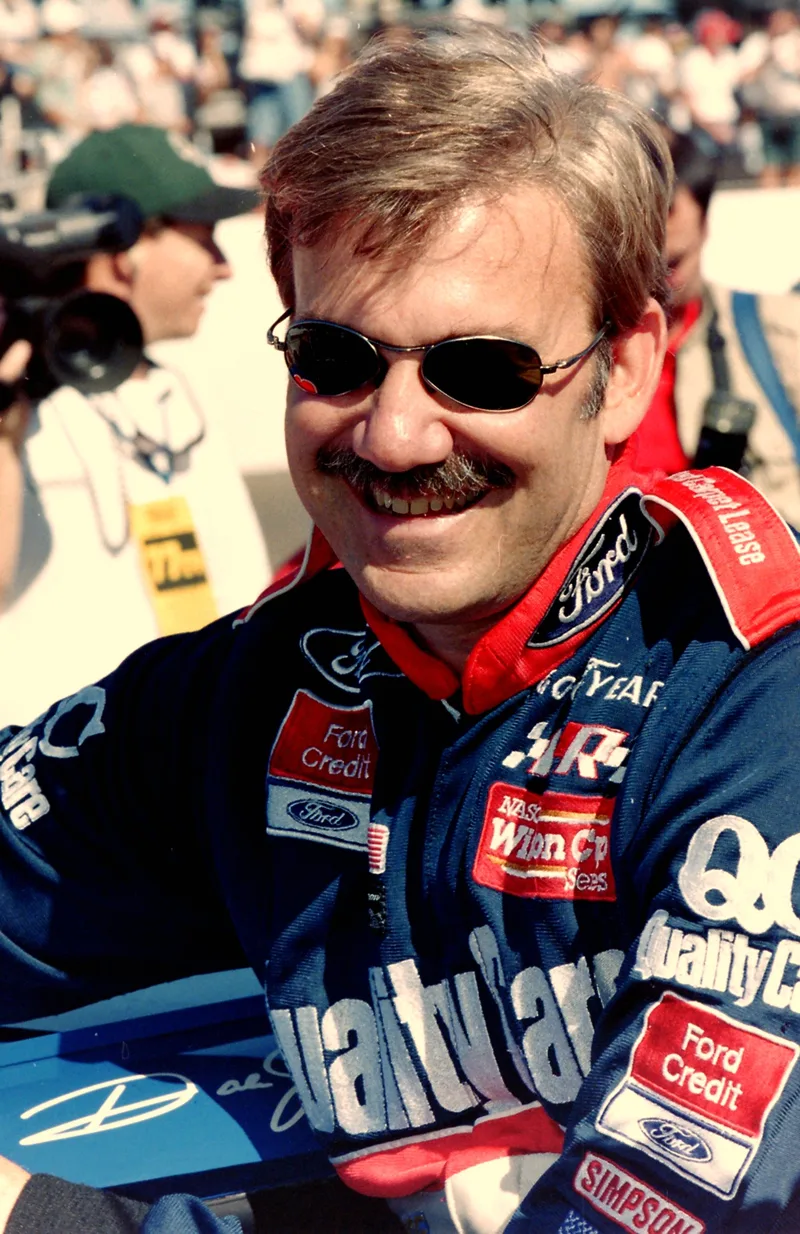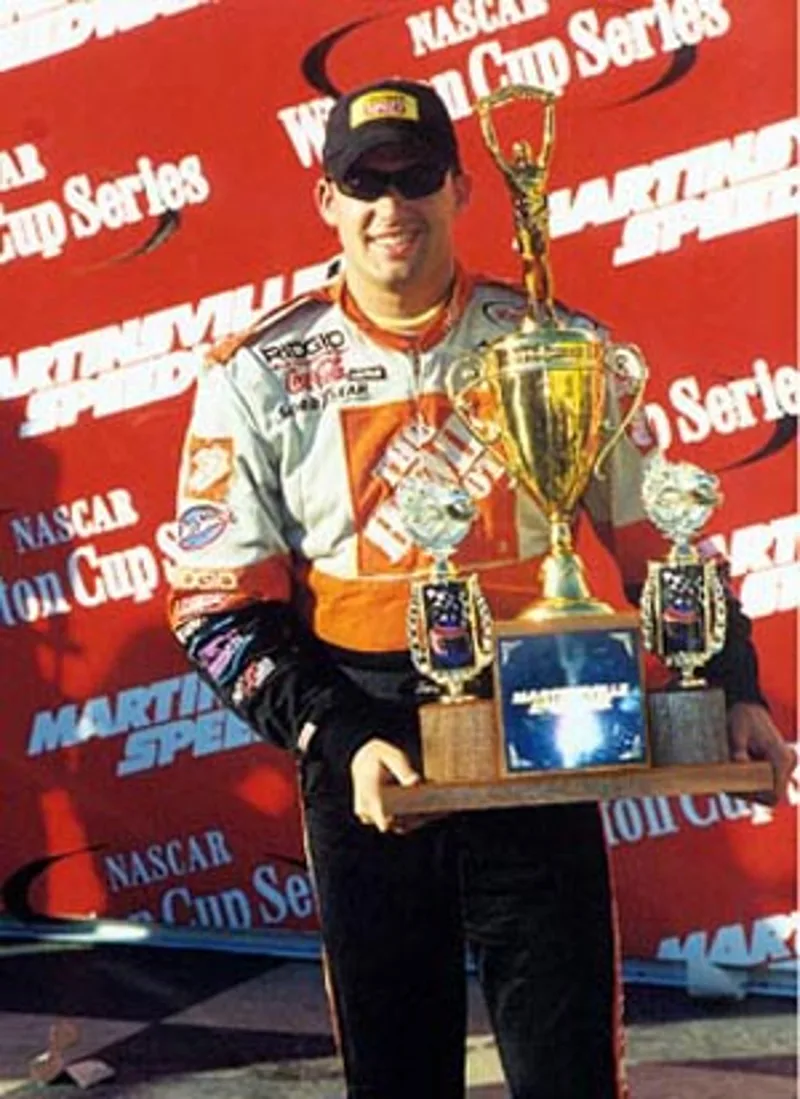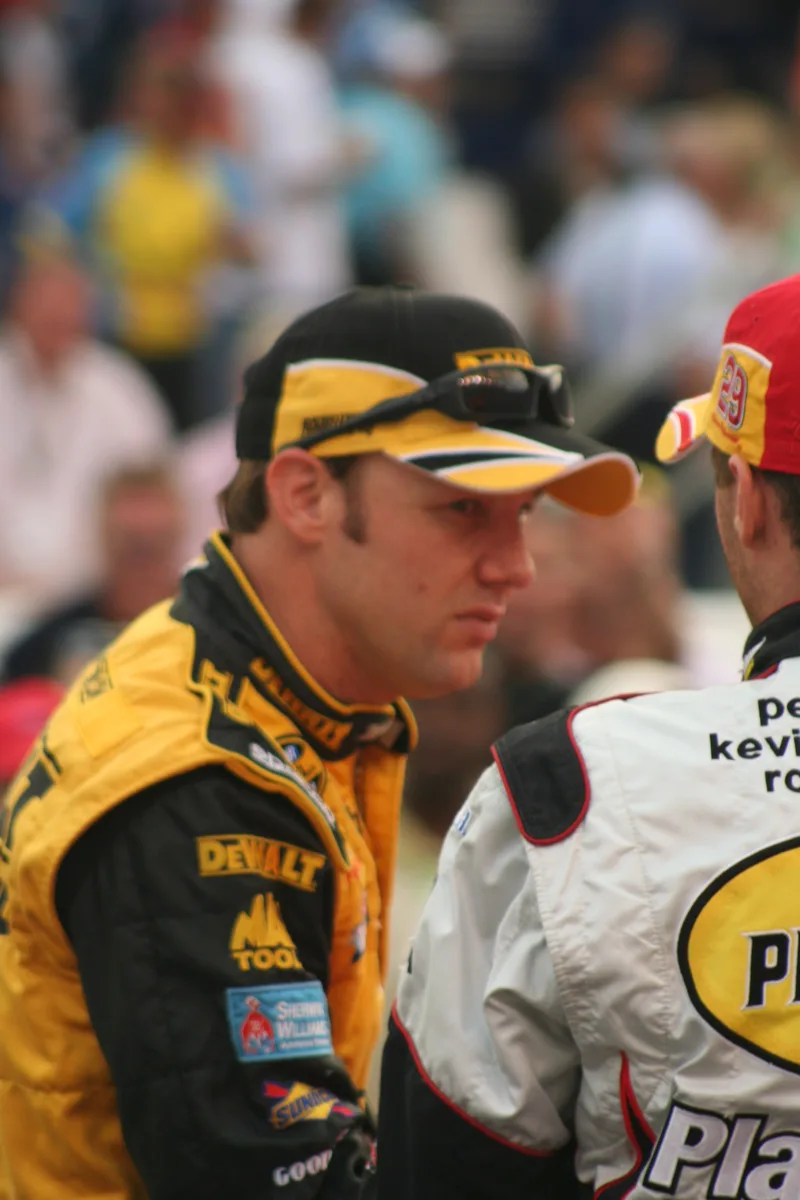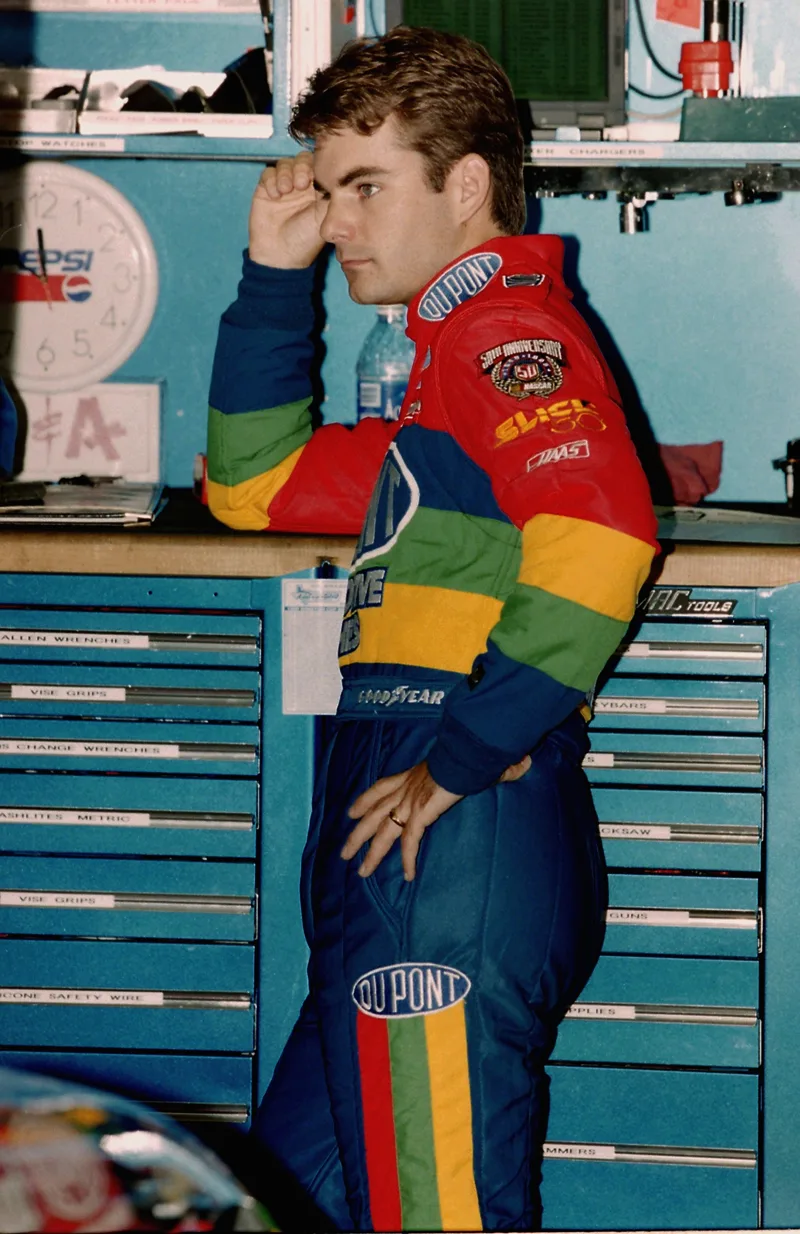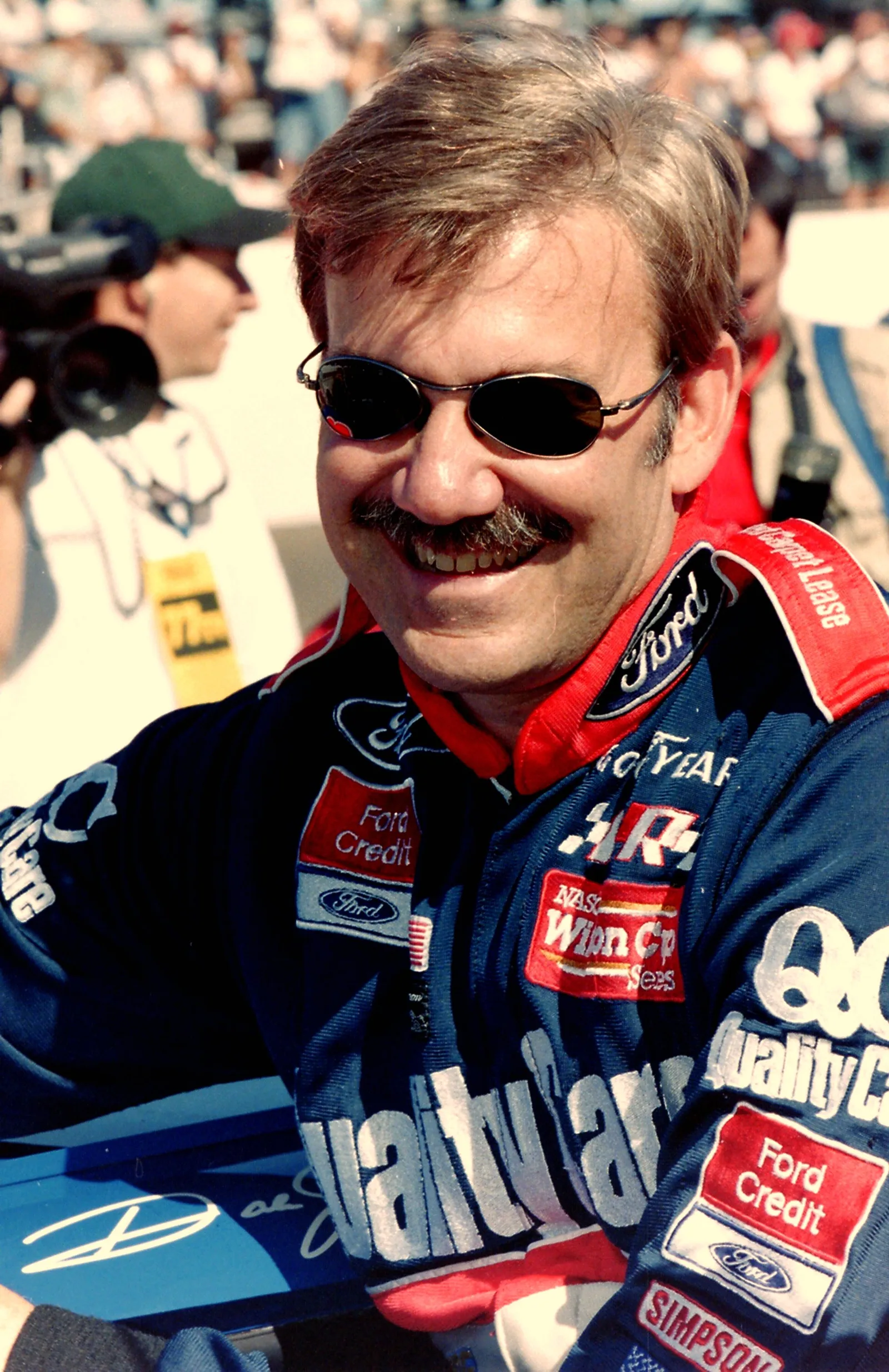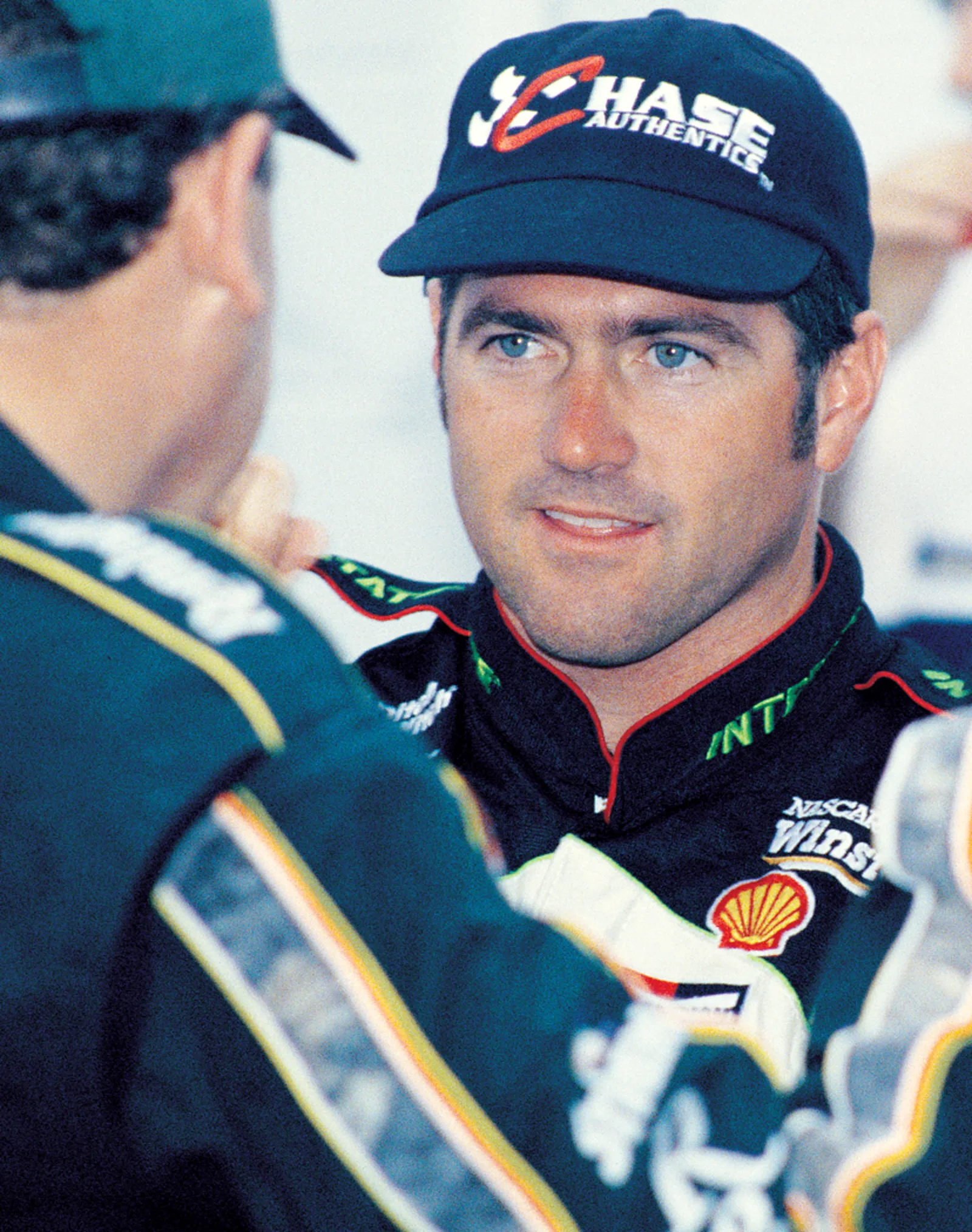
Bobby Labonte's clinched title, the last full-time season for Dale Earnhardt and two rookie race winners shaped a year overshadowed by losses at New Hampshire.
Bobby Labonte of Joe Gibbs Racing won the 2000 Winston Cup championship, clinching at Homestead with a fourth-place finish. Dale Earnhardt's last full-time season produced his final win at Talladega, and two rookies, Matt Kenseth and Dale Earnhardt Jr., won races in the same year.
The 2000 NASCAR Winston Cup Series ran from February 13 to November 20 and ended with Bobby Labonte of Joe Gibbs Racing as champion. Ford won the manufacturers' title with 14 wins, while the season was overshadowed by the deaths of Adam Petty and Kenny Irwin Jr. in separate accidents at New Hampshire. It was also the final full-time year for Darrell Waltrip and for Dale Earnhardt, who was killed in the 2001 Daytona 500.
The season opened with the Bud Shootout at Daytona on February 13, where Mark Martin drew the pole and Dale Jarrett won the exhibition race.
How did Bobby Labonte win the 2000 title?
Bobby Labonte won the championship by staying near the front through most of the year. He clinched at Homestead with a fourth-place finish and a race to spare, finishing 256 points ahead of Jeff Burton before the Atlanta finale. It also gave Joe Gibbs his first title as a team owner.
Labonte won four races in 2000. The last of them came at the UAW-GM Quality 500 at Lowe's in October, and it gave him a 252-point lead over Burton. That cushion was the foundation for the clinch at Homestead.
His first win came at North Carolina Speedway in February, and he followed it with the Brickyard 400 in August. He later won the Pepsi Southern 500 at Darlington from 37th on the grid, a result that showed how much ground he could make in a single afternoon.
The Homestead finish mattered more than the win total. Tony Stewart won the Pennzoil 400 there, and Labonte's fourth place was enough to make the title safe. It was the second straight year that the championship had been decided at Homestead.
The manufacturers' title went to Ford, which won 14 races and finished with 234 points. Pontiac had 11 wins and 213 points, and Chevrolet had 9 wins and 199 points.
Earnhardt passed Burton for second place in the final race, and he finished 265 points behind the champion. The gap at the top was therefore much larger than it had looked in the middle of the autumn.
A clinched title at Homestead, a final Earnhardt win at Talladega and two rookie winners framed a season of losses.
Why was Dale Earnhardt's 2000 season important?
Dale Earnhardt's 2000 season was his last as a full-time driver. He won the Cracker Barrel Old Country Store 500 at Atlanta in March and the Winston 500 at Talladega in October, and he finished the year second in the points. He was killed in the 2001 Daytona 500.
Earnhardt's year began quietly at Daytona, where he finished 11th in the second Duel, the first time since 1989 that he had failed to win one of the Duels. He finished 21st in the 500, and he later described the new aerodynamic package in strong terms.
The Atlanta win came by 0.010 seconds over Bobby Labonte in a photo finish. It was Earnhardt's 75th career Cup victory and his final win on a track that was not a restrictor-plate course, and he was only the third driver to have won on both of Atlanta's layouts.
The Talladega win on October 15 was a dramatic late charge. With five laps left Earnhardt was battling for 18th, and in three laps he was fighting for the lead, taking the lead from Mike Skinner and then from his son in the tri-oval before the white flag.
That Talladega victory was his 76th and last career Winston Cup win, and it was also his 100th overall win in Winston Cup racing. It was also the only occasion on which he collected the No Bull 5 bonus.
Which rookies made the biggest impact?
Matt Kenseth won Rookie of the Year after a consistent season that narrowly beat the favourite, Dale Earnhardt Jr. Kenseth won the Coca-Cola 600 in May, and Earnhardt Jr. won two races, which made 2000 the first season in which two rookies won in the same year.
Earnhardt Jr. won at Texas on April 2 in his 12th start, and he won again at Richmond on May 6. He then became the first driver to win The Winston all-star race in his rookie season, two weeks after his Richmond victory.
Kenseth's Coca-Cola 600 win was the first in that race by a rookie. The race was stopped by a red flag for rain at lap 254, and the restart came only after a 51-minute delay.
Other newcomers had mixed fortunes. Dave Blaney finished third in the rookie standings, while Scott Pruett and Stacy Compton faded as the season went on. Mike Bliss was released from A. J. Foyt Racing after four races, and Ed Berrier and Jeff Fuller left their rides during the year.
How did the new restrictor-plate package change racing?
Restrictor-plate racing at Daytona and Talladega changed during 2000, with a new aerodynamic package that made it harder for cars to pass. The Daytona 500 produced only nine lead changes, and it is often considered one of the worst Daytona 500 races in history.
The Daytona speedweeks as a whole had only 14 lead changes. Most of the 500 was run in single file with cars close together, and Earnhardt criticised the new package openly after the race.
The controversy over the first three plate races led NASCAR to bring the new package forward, so it debuted at Talladega in October rather than in 2001 as first planned.
Johnny Benson had been leading the Daytona 500 in a white Pontiac for Tyler Jet Motorsports, a car with last-minute Lycos sponsorship, with fewer than ten laps to go. He finished 12th after the late restarts changed the order. The race was held on February 20 at Daytona International Speedway.
NASCAR ran restrictor plates at New Hampshire in September after the two fatal accidents, which were both traced to stuck throttles. Jeff Burton led all 300 laps of the Dura Lube 300 under those conditions, and the plates were removed for the next race.
In their place NASCAR introduced an engine kill switch on the steering wheel, so a driver could stop the car if the throttle stuck. At Talladega in October a revised package for the restrictor-plate races produced 49 lead changes among 21 drivers in the Winston 500.
What did the 2000 television changes mean?
2000 was the last season for several networks that had carried NASCAR for years. CBS ended a 22-season partnership at the Pepsi 400 in Daytona, while TNN, TBS, ESPN and ABC all closed their long runs with the series during the year.
The new deal was struck on December 15, 1999, and moved the series to FOX, FX, NBC and TNT. TBS had initially won rights to the new arrangement but was replaced by TNT before the deal began.
The final race televised by CBS was the Pepsi 400 at Daytona, won by Jeff Burton on July 1. CBS had carried NASCAR since the 1979 Daytona 500, and its partnership ended after 22 seasons.
Each departing network marked its exit with a race. TNN's run ended at Phoenix in November, TBS's coverage finished at Lowe's Motor Speedway in October, ESPN closed at the NAPA 500 in Atlanta, and ABC's final race was the Brickyard 400 at Indianapolis.
Selected race results
| Date | Race | Track | Winner | Notable detail |
|---|---|---|---|---|
| February 20 | 42nd Daytona 500 | Daytona International Speedway | Dale Jarrett | Only nine lead changes |
| March 12 | Cracker Barrel Old Country Store 500 | Atlanta Motor Speedway | Dale Earnhardt | Won by 0.010 seconds |
| April 2 | DirecTV 500 | Texas Motor Speedway | Dale Earnhardt Jr. | First career win, 12th start |
| May 6 | Pontiac Excitement 400 | Richmond International Raceway | Dale Earnhardt Jr. | First repeat winner of 2000 |
| May 28 | Coca-Cola 600 | Lowe's Motor Speedway | Matt Kenseth | First rookie to win the 600 |
| June 4 | MBNA Platinum 400 | Dover Downs International Speedway | Tony Stewart | Led 242 of 400 laps |
| July 9 | thatlook.com 300 | New Hampshire International Speedway | Tony Stewart | Race held after Irwin's death |
| August 5 | Brickyard 400 | Indianapolis Motor Speedway | Bobby Labonte | Dedicated to Kenny Irwin Jr. |
| October 8 | UAW-GM Quality 500 | Lowe's Motor Speedway | Bobby Labonte | Final race aired on TBS |
| October 15 | Winston 500 | Talladega Superspeedway | Dale Earnhardt | 76th and final career win |
| November 12 | Pennzoil 400 | Homestead-Miami Speedway | Tony Stewart | Bobby Labonte clinched the title |
| November 20 | NAPA 500 | Atlanta Motor Speedway | Jerry Nadeau | First and only Cup win |
Losses and tributes
Adam Petty made his only Cup start at Texas in April, qualifying 33rd and finishing 40th after a blown engine. He was 19 years old and the fourth generation of his family to race. He was later killed in an accident at New Hampshire, which was one of two fatal accidents at that track during the year. After those deaths, NASCAR examined throttle systems, which led to restrictor plates at New Hampshire and a kill switch later in the year.
Lee Petty, the NASCAR pioneer and Adam's great-grandfather, passed away on April 5, aged 86, three days after Adam's debut. The Goody's Body Pain 500 at Martinsville on April 9 was dedicated to his memory.
Kenny Irwin Jr. died in a practice crash in Turn 3 at New Hampshire on July 7. Tony Stewart gave the trophy from his July win to Irwin's parents, and Sterling Marlin chose not to run qualifying that weekend, using a provisional instead.
Irwin's death came on the same day that Chip Ganassi bought a majority stake in the Felix Sabates team. Sabates changed the #42 team's number to #01 for the rest of the season, and Bobby Hamilton Jr., P. J. Jones and Ted Musgrave all drove the car later in the year.
The Brickyard 400 on August 5 was held on what would have been Irwin's 31st birthday, and the race was dedicated to his memory.