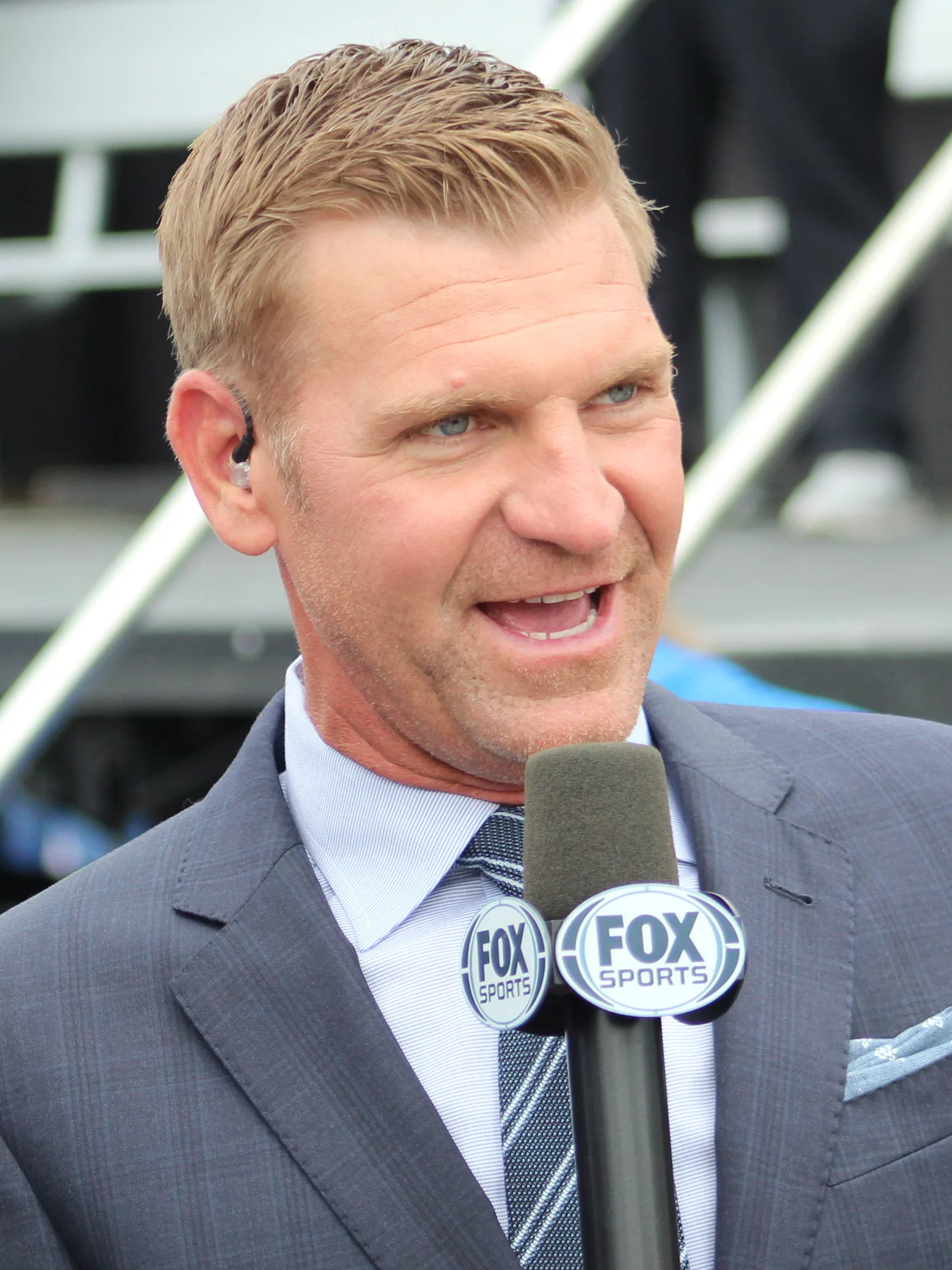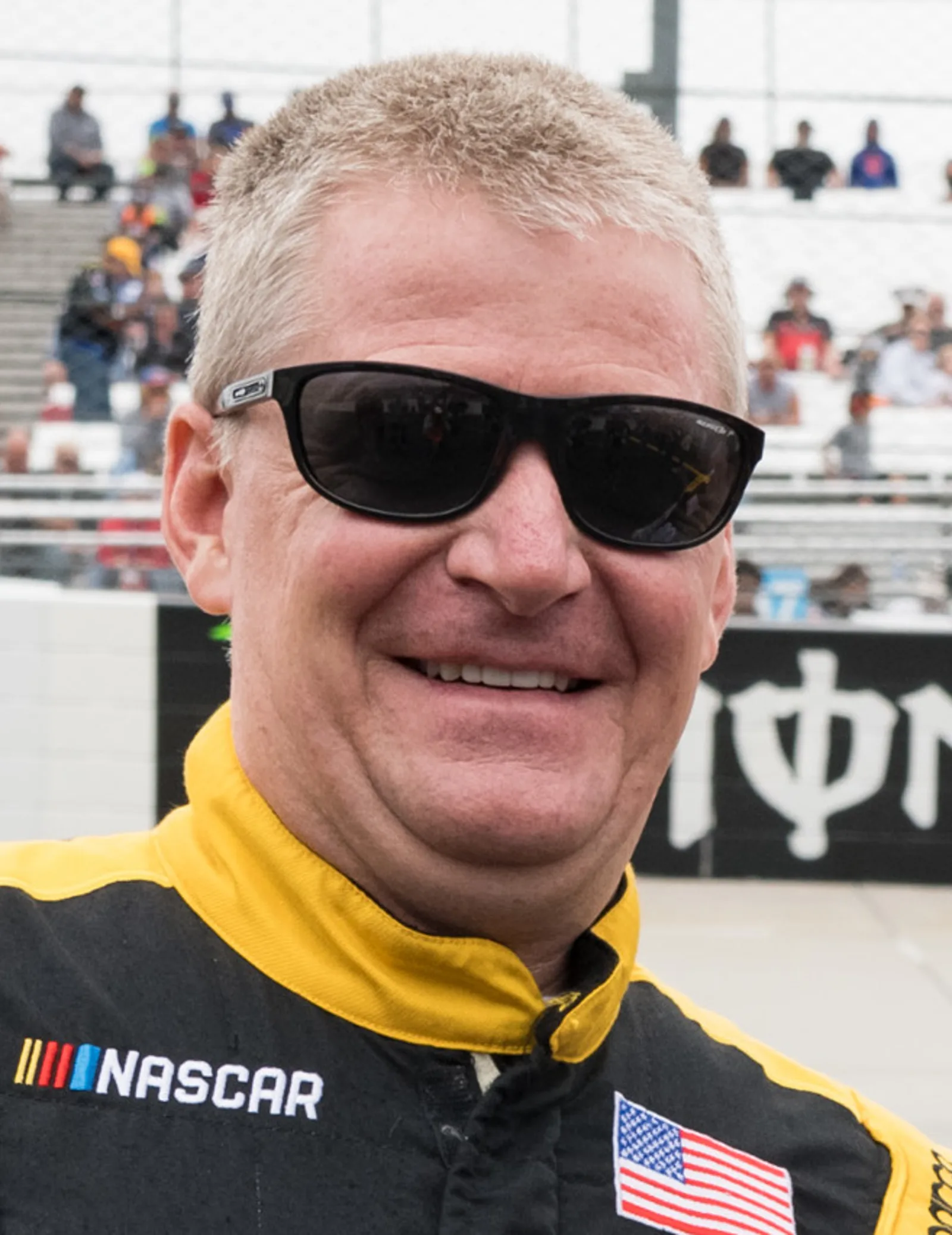
From Roush Racing's No. 99 to Richard Childress Racing's No. 31, and from the Cup garage to the commentary booth.
Jeff Burton is a former NASCAR Cup Series driver from the Burton racing family who won 21 Cup races. He drove for Roush Racing and Richard Childress Racing, and after stepping back from full-time racing he became a color commentator for NBC Sports.
Jeffrey Tyler Burton, known as the Mayor, is an American former stock car driver whose Cup Series career ran from 1993 to 2014. He won 21 races in NASCAR's top series, including two Coca-Cola 600s and the 1999 Southern 500, before becoming a color commentator for NBC Sports.
Who is Jeff Burton?
Jeff Burton belongs to the Burton racing family and was born on 29 June 1967. His brother Ward Burton also raced in the Cup Series, while his son Harrison and nephew Jeb both compete in the O'Reilly Auto Parts Series. He is married to Kim, and the couple has two children.
The family's roots run deep in Colonial Virginia. An ancestor, Richard Burton, arrived at the Jamestown Colony in the 1630s. He is also a Bruce Lee admirer, and at Twin Ring Motegi in Japan his No. 99 Ford carried a paint scheme inspired by Bruce Lee.
21 Cup wins, two Coca-Cola 600 victories and a second career in the NBC booth.
How did his early career start?
Burton began in go-karts after his father introduced him and his brothers to the sport. He then moved up to late model stock cars at South Boston Speedway. In 1988 he started several Busch Series races in a car owned by his father, John Burton, and he ran a full Busch season in 1989.
His first race win came in 1990, in a Buick run by Sam Ard and sponsored by Armour Lower Salt Bacon. The two later went to court over financial losses from that year. Burton then raced for J&J Racing's No. 99 in 1991, for FILMAR Racing in a TIC Financial Oldsmobile in 1992, and in a Baby Ruth Ford in 1993.
His first Winston Cup start came in 1993, in a car owned by Fil Martocci. He then made his rookie season in 1994 in a Raybestos-backed Ford fielded by Stavola Brothers Racing. Burton was disqualified after the Miller Genuine Draft 400 because of illegal holes drilled in the roll cage, but he still earned the 1994 NASCAR Rookie of the Year honour from a field of ten eligible rookies.
In 1995 he managed one top-five finish and ended the year 32nd in points. His brother Brian, meanwhile, never raced and instead took over the family construction business.
What were the Roush Racing years like?
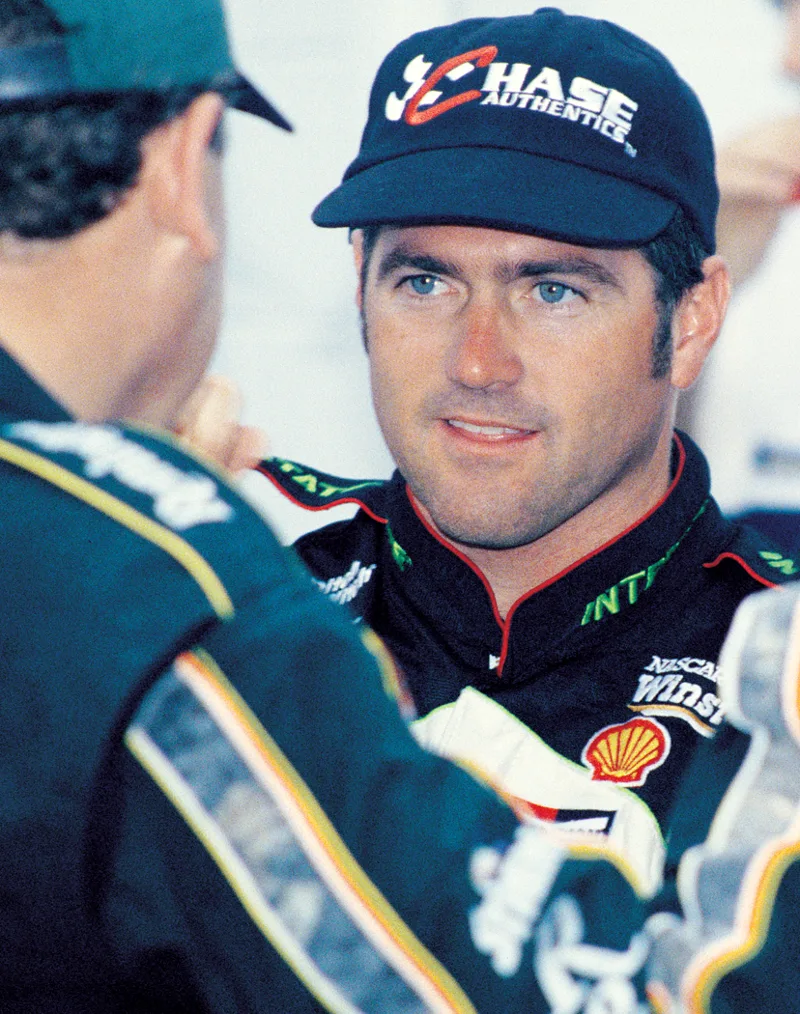
Burton joined Roush Racing in 1996, driving the No. 99 Exide Batteries Ford. He won his first Cup race in 1997 at Texas, and in 1999 he took six wins, among them Charlotte's Coca-Cola 600 and the fiftieth Southern 500, and he regularly finished near the top of the points table.
The 1997 Interstate Batteries 500 was the inaugural NASCAR race at Texas Motor Speedway. From 1997 to 2000 he finished in the top five of the points standings every season. The team moved to the new Ford Taurus in 1998.
Burton finished third in the 2000 points standings, 294 points behind champion Bobby Labonte. On 17 September 2000 he controlled the Dura Lube 300 at the New Hampshire track from start to finish. Restrictor plates were fitted for that event for safety reasons, a decision taken after Adam Petty and Kenny Irwin Jr. died at the track earlier that year. Burton won at New Hampshire in every season from 1997 to 2000.
The 2001 season brought two more wins, taking his career total to 17. He climbed from a season low of 38th to finish tenth in points. The 2002 and 2003 seasons each ended 12th in points without a win, and Citgo left the team after 2003. In 2004 he ran without a primary sponsor, with SKF as his personal backer.
Why did he move to Richard Childress Racing?
Burton left Roush after eight and a half years when he agreed a three-year deal with Richard Childress Racing in mid-2004. He had been running without a primary sponsor that season, and he became the fourth driver to pilot the No. 30 AOL Chevrolet that year.
Before the switch he averaged a finish of 20.8 and sat 23rd in points. In the 13 races that followed, his average improved to 16.6 and he climbed to 18th in the standings. For 2005 the team moved him to the No. 31 Cingular Wireless Chevrolet, and that became his first full season with RCR.
In 2005 he posted six top-tens and three top-fives, including a third at the Phoenix race known as the Subway Fresh 500 and a second at the Sharpie 500 at Bristol Motor Speedway.
The 2006 season brought four pole positions, lifting his career total to six, including the Daytona 500 and the Brickyard 400. He won the Dover 400 during the Chase, ending a 185-race winless streak that dated back to 28 October 2001. A flat tire at Talladega and an engine failure at Martinsville then ended his title hopes.
On 15 April 2007 Burton took the Samsung 500 at Texas, passing Matt Kenseth on the final lap. That made him the first driver with multiple wins at Texas Motor Speedway. He finished tied for seventh in the 2007 standings.
He qualified 36th for the 50th Daytona 500 and came close to winning. He led before the final caution, but after the restart he lost several positions and finished 13th. The Food City 500 at Bristol later went to Burton, with RCR sweeping the podium. A 2008 victory in the Bank of America race at Lowe's gave him a season with more than one win for the first time since 2001.
In 2009 Caterpillar became the primary sponsor for the No. 31 through 2011. Burton missed out on the Chase for the first time in four years and finished 17th in points, with second-place finishes at Phoenix and Homestead.
The 2010 season was better: he qualified for the Chase again and was runner-up in both Dover races. A flat tire with 15 laps remaining at Martinsville handed Denny Hamlin the win Burton had been chasing, and he ended the season 12th in points. After a late wreck involving Jeff Gordon, Burton walked up the track to confront him, and the two ended up in a shoving match.
In 2011 Burton won the second Gatorade Duel, but his engine failed while he led the Daytona 500 at halfway. He missed the Chase that year. At the fall Talladega race, Clint Bowyer passed him on the last lap to win by a hood, giving Richard Childress Racing its 100th win as a team owner.
After a poor 2012, Drew Blickensderfer was let go four races before the end of 2012, and Luke Lambert took over as crew chief for 2013. Burton still finished that season with six top-tens and a second-place finish at Daytona in July.
At Phoenix in 2012 he made his thousandth career NASCAR start, becoming the sixth driver in the sport's history to reach that mark. On 4 September 2013 RCR announced he would not return in 2014, and the team signed Ryan Newman instead. Burton later said he had wanted to stay at RCR for 2014 so he could move straight from racing into television.
What was the AT&T sponsorship dispute?
The dispute began in 2007, when AT&T moved to rebrand the No. 31 car that Cingular had sponsored. NASCAR said its contract with Sprint Nextel did not allow the change. AT&T sued NASCAR in March and won a preliminary injunction in May, but a federal appeals court sided with NASCAR in August.
NASCAR then sued AT&T for $100 million on 17 June 2007, and said it wanted the telecom firms out of the sport by 2008. On 7 September 2007 NASCAR announced that Sprint Nextel and RCR had agreed to let AT&T sponsor the car through the end of 2008. He had to find a sponsor for the car by 2009.
At the Sharpie 500 at Bristol on 24 August 2007, the car arrived with no AT&T branding, only the familiar orange and black scheme. Burton's pit crew wore grey RCR shirts, and Officials said it would have failed inspection had the AT&T logos been on it. Caterpillar's sponsorship for 2009 was announced on 18 June 2008.
Career milestones at a glance
| Period | Team or role | Milestones |
|---|---|---|
| 1994 | Stavola Brothers Racing | NASCAR Rookie of the Year; disqualified at the Miller Genuine Draft 400 |
| 1996 to 2004 | Roush Racing | First Cup win in 1997; six wins in 1999; 17 career wins by 2001 |
| 2004 to 2013 | Richard Childress Racing | Six career poles by 2006; thousandth start in 2012 |
| 2013 to 2014 | Michael Waltrip Racing, Stewart-Haas Racing | Limited research and development and stand-in roles |
| 2015 onwards | NBC Sports | Color commentator on NASCAR coverage |
What did he do after leaving full-time racing?
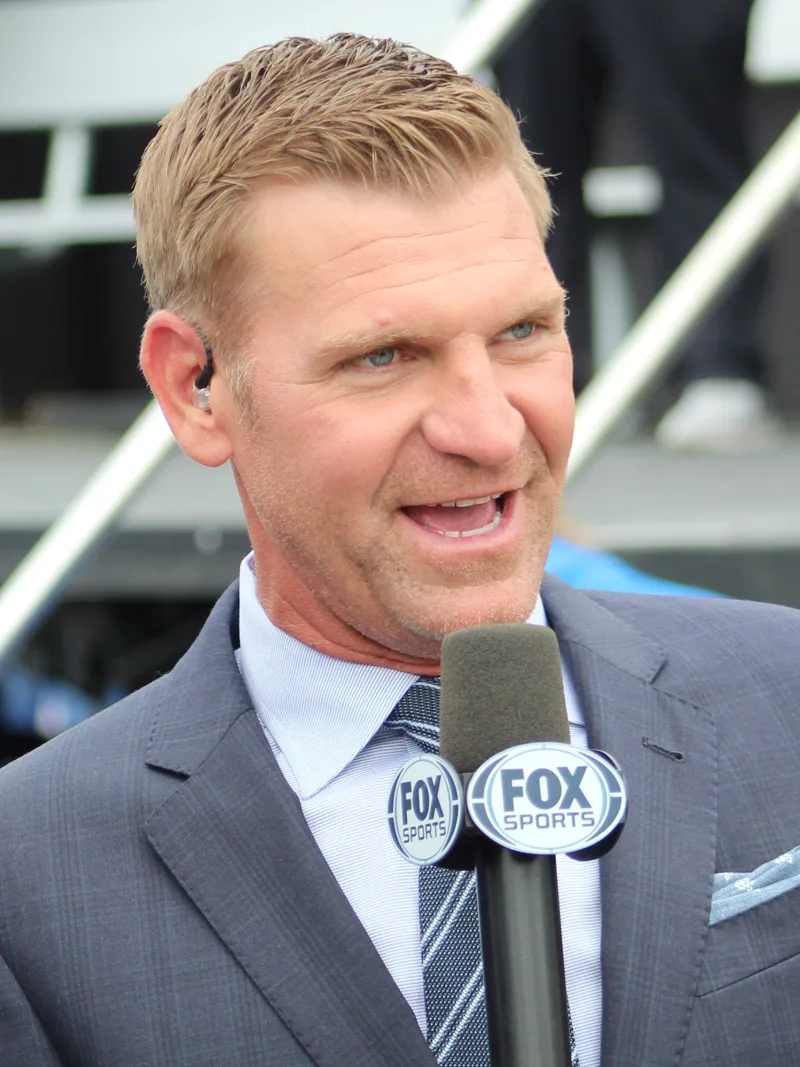
After stepping back from full-time racing, Burton became a color commentator for NBC Sports when the network's NASCAR coverage returned. He was first announced as an analyst for 2015, and in January 2023 his company, Jeff Burton Autosports, was part of a consortium that bought the CARS Tour.
His later driving was limited. In December 2013 Michael Waltrip Racing brought him in for a research and development role with its Identity Ventures Racing team, with his first appearance in the No. 66 at Las Vegas. Brett Moffitt replaced him before Michigan, and a final start at Loudon was expected to end his career.
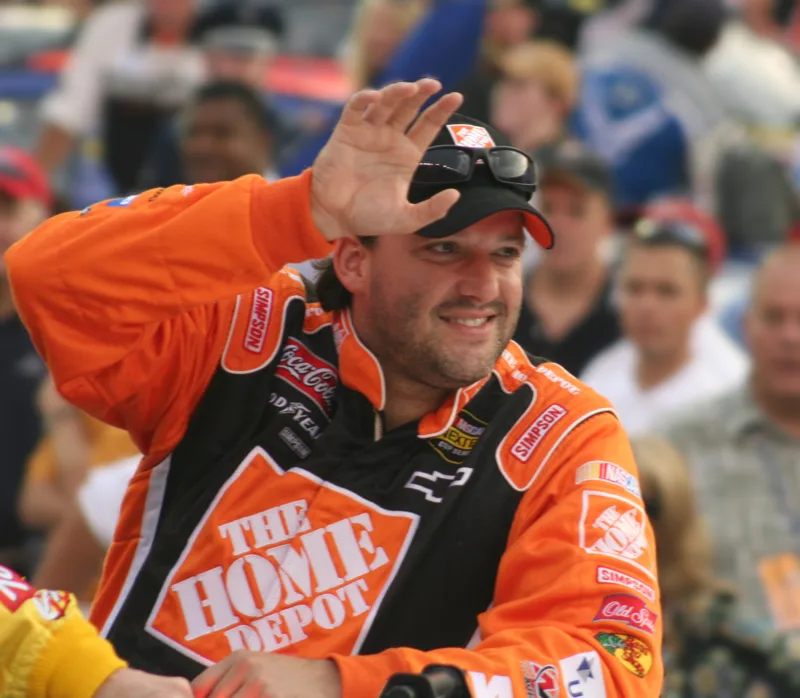
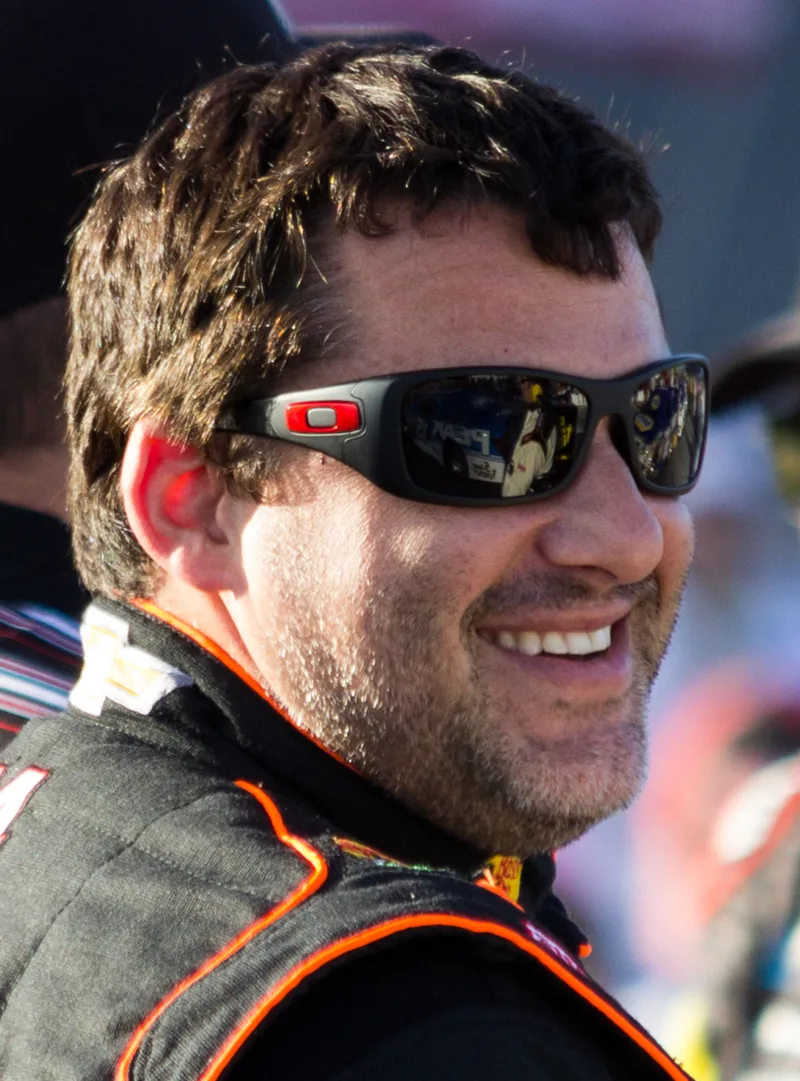
In August 2014 Stewart-Haas Racing signed him for the No. 14 car, which Tony Stewart had been driving, for the Michigan race and the Irwin Tools night race. The move came after sprint car driver Kevin Ward Jr. was killed. NBC Sports Network producer Sam Flood had already announced on 3 December 2013 that Burton would become an analyst for the network in 2015.
The CARS Tour purchase on 9 January 2023 linked Burton's business with Kevin Harvick Incorporated, DEJ Management and Trackhouse Racing Team. Today his role is color commentary on NBC's NASCAR coverage.
Legacy and family
Burton's legacy is measured in wins, longevity and family. He finished his Cup career with 21 victories, and he reached a thousand NASCAR starts along the way. His son Harrison won the 2024 Coke Zero Sugar 400, and his nephew Jeb also races in that series.
Two Coca-Cola 600 wins, in 1999 and 2001, remain among the clearest markers of his peak years at Roush. Those wins sit alongside the 1999 Southern 500 and the 1994 rookie honour, all within a Cup career that ran from 1993 to 2014.