A Bristol aircraft company's post-war car venture that built BMW-derived saloons, switched to Chrysler V8s and went through several owners before liquidation.
Bristol Cars was a British luxury car maker set up within an aircraft firm after the Second World War. It built BMW-based saloons, switched to Chrysler V8 power in 1961, and went into administration in 2011 before a revival plan was announced in 2026.
Bristol Cars was a British maker of hand-built luxury cars based in Bristol, England. It began as the car division of the Bristol Aeroplane Company after the Second World War, became independent as Bristol Cars Limited, and built its last production cars under the Blenheim and Fighter names before administration in 2011. The name has been revived more than once since then, most recently with a plan announced in September 2026.
Where did Bristol Cars come from?
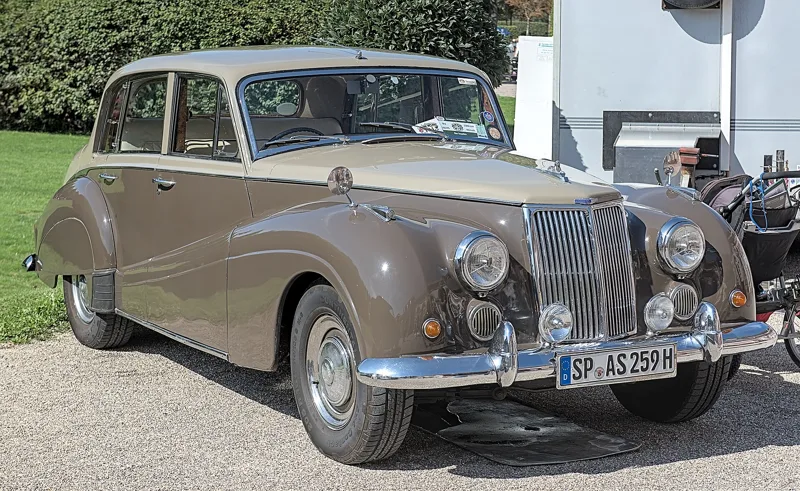
The idea grew out of hard times in the aircraft industry. After the Armistice of 1918, the British aircraft trade lost orders and money, so the Bristol Aeroplane Company found work for its staff in cars. It built a single-seat Bristol Monocar powered by a motorcycle engine, produced car bodies for Armstrong Siddeley and bus bodies for the sister firm Bristol Tramways.
The Second World War brought a new worry. Sir G. Stanley White, managing director from 1911 to 1954, saw that wartime demand for aircraft and engines would end suddenly. The company then employed 70,000 people, so he looked for a plan. Papers written by his son, Sir George S.M. White, in 1941 proposed a post-war car division, and takeover candidates included Alvis, Aston Martin, Lagonda, ERA and Lea-Francis.
An aircraft company's car division that started with BMW pre-war designs and ended with a Chrysler V8 and a long fight over its name.
Why did the aircraft company start building cars?
The company wanted a route into premium sports cars that would keep its skilled workforce busy once the aircraft orders dried up. Planning focused on an acquisition, and the group considered several established names before settling on a different route entirely.
The plan changed in May 1945, when a chance discussion between D. A. Aldington, a director of AFN Ltd, and Eric Storey, an assistant to George White, opened a door. By July 1945 the car division existed, with control of AFN in its hands. Production was based at Bristol Filton Airport, where the parent already held large premises.
Who were the Aldingtons and what did they bring?
Before the war, Aldington and his two brothers had sold the Frazer Nash BMW, and afterwards they wanted to build a refreshed version. That idea suited the aeroplane company, which wanted a high-quality sports car of its own. With support from the War Reparations Board, H. J. Aldington travelled to Munich and bought the rights to manufacture three BMW models and the 328 engine.
H. J. Aldington had been a director of AFN, BMW's pre-war concessionaire in Britain. He used his army connections to visit the bombed BMW factory several times after the war, and in 1945 he took plans for BMW cars back to Britain. BMW chief engineer Dr Fritz Fiedler was also brought over to work on the new cars.
George White and Reginald Verdon-Smith joined the new Frazer Nash board. In January 1947, shortly after the first cars were built, a dispute between the Aldingtons and Bristol ended with Frazer Nash being sold on. The Bristol car division then stood alone.
What were the first Bristol cars?
The Bristol 400 was the first car: it was prototyped in 1946 and shown at the 1947 Geneva Motor Show. Its chassis was based on the BMW 326, its engine on the 328 and its body on the 327, and even a variation on the famous double-kidney BMW grille was kept. Bristol's own engineers examined the handling carefully, and the car was said to be matched only by purpose-built competition cars.
Seven hundred Bristol 400s were built, and 17 of them received drophead bodywork from Pininfarina. The five-place 401 followed in 1949, bodied by Touring, with a sleeker shape, better acceleration and a higher top speed. A drophead 402 came too, but only 24 were built.
The 403 arrived in 1953 with improved brakes, a better gearbox, revised dampers, a heater and an engine that was in fact a detuned racing motor. The 404 followed on a shorter wheelbase with a more powerful engine and a concealed spare wheel and battery at the front. It was built to exacting standards, and the price, together with punitive taxation, meant only 40 were produced.
How did the Bristol 450 perform at Le Mans?
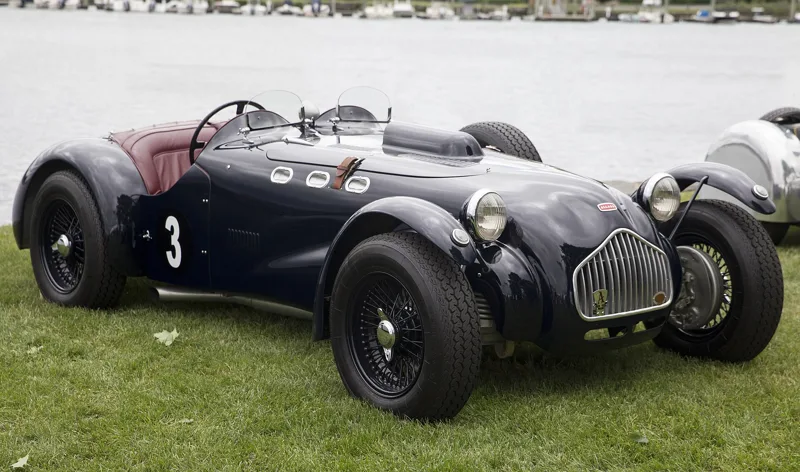
Bristol used the 403 engine in the 450, which was entered at the 1953 Le Mans 24 Hours. The car broke its experimental crankshaft, but it was still about five seconds a lap quicker than its rivals, despite a body that was not ideal for aerodynamics. Bristol withdrew from racing two years later.
The company's only four-door, the 405, entered production in 1954 and stayed in production until 1958. Around 297 saloons and 43 drophead coupes were made, and the 406 followed in 1958, remaining in production until 1961.
Why did Bristol switch to Chrysler V8 engines?
Until 1961 every Bristol used a Bristol-built derivative of the BMW M328 two-litre six-cylinder engine. The same unit went into sports and racing machines, including nearly every post-war Frazer Nash, plus some ACs, Lotus and Cooper racing cars.
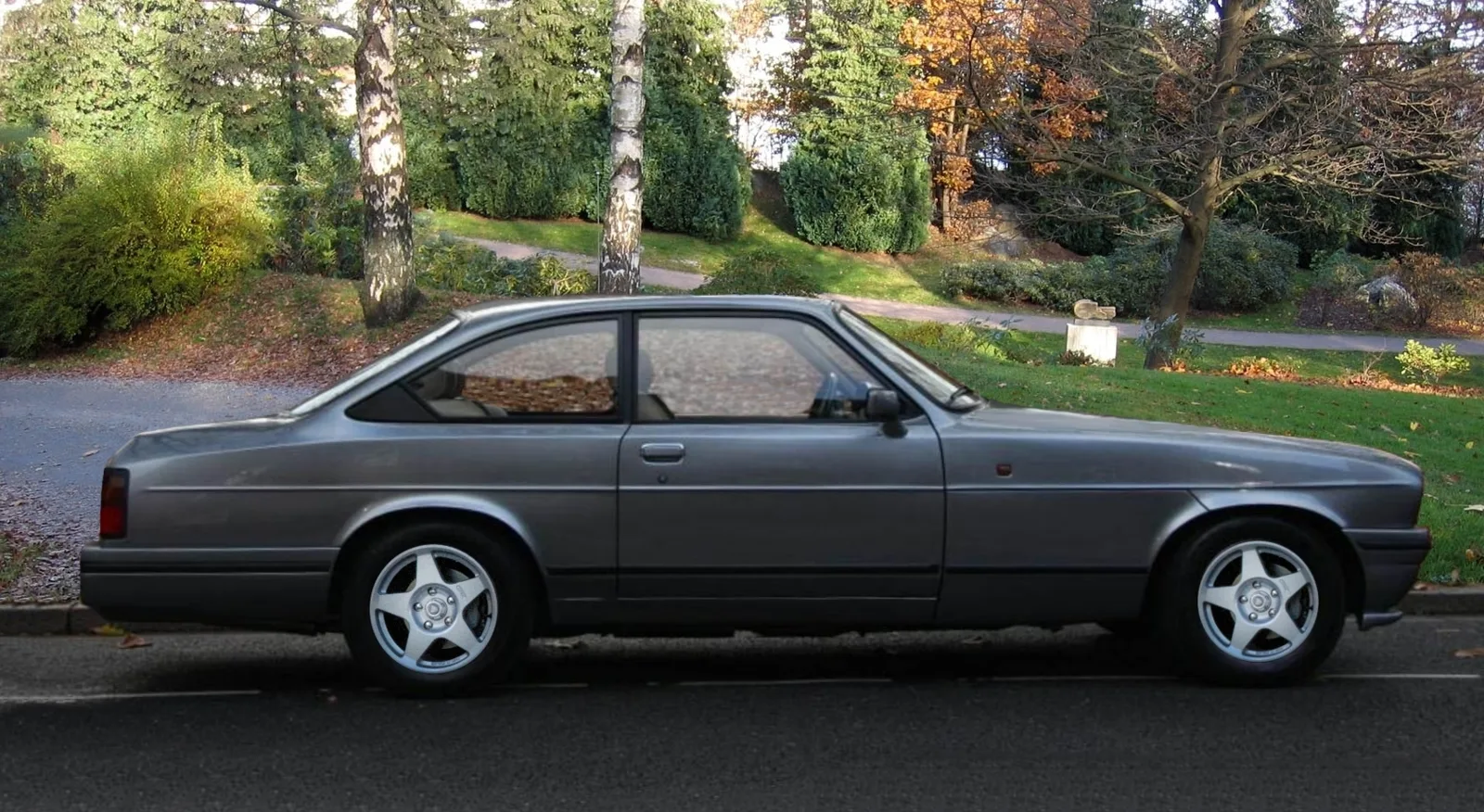
When the Bristol 407 launched in 1961, the company turned to larger Chrysler V8 engines, which were more powerful than its own BMW-derived 2.25-litre six. Those V8s could be bought off the shelf from Canadian Chrysler, avoiding the start-up costs of the company's own 3.65-litre all-alloy six, then still in development. Every Bristol from that point, including the later Blenheim and Fighter, used Chrysler power.
The 407 used a 5.2-litre V8 from Chrysler of Canada. The 408 came in 1963 with drastic restyling and improved suspension, and the 409 followed. Many buyers still preferred the crisp steering and gearbox of the earlier six-cylinder cars.
How did the company change hands after 1960?
In 1960 the parent company joined other British aircraft firms to form the British Aircraft Corporation, later part of British Aerospace. The car division had first been merged with Bristol Siddeley Engines and was marked for closure. George White bought it back in September 1960, but he sold a 40 per cent stake to Tony Crook, a leading Bristol agent, who became the sole distributor.
In September 1969 White was seriously injured in an accident in his Bristol 410, although the car itself was only superficially damaged. The 411 had been due to be unveiled at the Earl's Court Motor Show a month later. White could not return to full-time work, so in 1973 he sold his majority shareholding to Crook. British Aerospace asked the company to leave Filton, and it moved to new premises at Patchway.
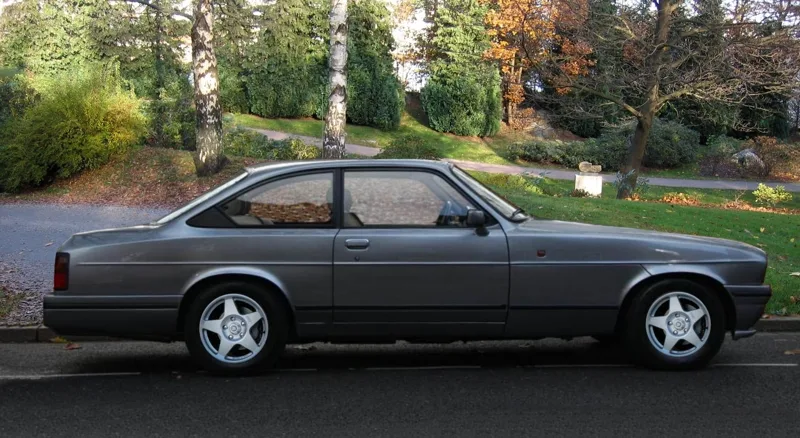
Under Crook the company built at least six types, with names taken from Bristol's aeronautical past: the Beaufighter, Blenheim, Britannia and Brigand. The Kensington High Street showroom became the head office.
What did the Silverton era produce?
In February 1997 Crook, then 77, let Toby Silverton take half the company, with a right to buy full control later. Silverton was the son-in-law of Joe Lewis of the Tavistock Group. His father, Arthur Silverton, was linked to Overfinch. By 2002 Bristol had passed fully to Silverton and the Tavistock Group, with Silverton as chairman and Crook as managing director.
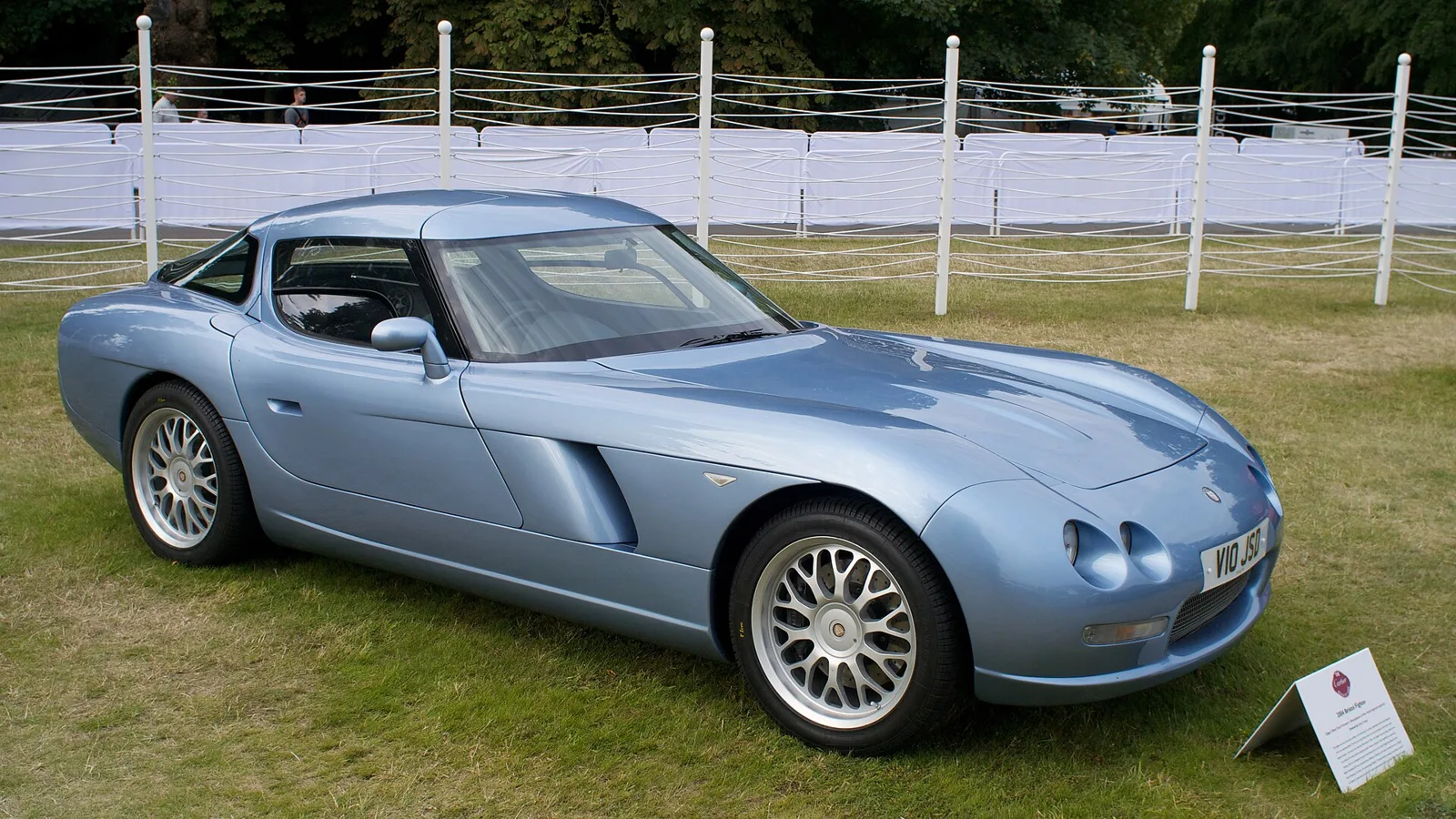
Crook and Silverton produced the Speedster, Bullet, Blenheim and 411 Series 6. They also developed a V10 two-seater named the Fighter after the First World War two-seater aircraft of the first Sir George White. Crook finally relinquished his connection with the company in August 2007.
Why did Bristol go into administration in 2011?
On 3 March 2011 Bristol Cars went into administration and the factory at Filton was shut, with the loss of 22 jobs. A new company was formed on 21 April 2011 to sell the assets of the former business, and it was bought by Kamkorp, which also owned Frazer-Nash Research, a maker of electric power systems.
During the Kamkorp years, the company restored and sold models across the range while a new car was developed. The project was announced in 2015 as Project Pinnacle. Early reports described a petrol-electric hybrid with a BMW petrol engine, but a press release in May 2015 pointed to non-hybrid V8 power instead.
What was the Bristol Bullet?
The two-seat roadster made a slightly camouflaged debut at the Goodwood Festival of Speed in June 2016. In July it was shown undisguised and named the Bristol Bullet. Details were announced, but the car's homologation then went quiet, and many members of the sales and marketing team left.
The Bullet was said to use a normally aspirated 4.8-litre BMW N62 V8 producing 370 bhp (280 kW; 380 PS), driving the rear wheels. It shared its drivetrain and chassis with the Morgan Aero 8, had a carbon fibre body and weighed 1130 kg. The planned price was 95,000 pounds, and production was to be limited to 70 cars for the company's 70th anniversary. Only one was built.
How did Bristol return after liquidation?
On 5 March 2020 the company was reported to have been wound up to pay its creditors, with court-ordered liquidation under way. Enthusiasts' groups, including the Bristol Owners Club, moved to protect the marque's heritage and the spares needed to keep old cars running.
In 2021 the intellectual property was registered by Bristol Fighter Limited, a subsidiary of Bristol Manufacturing Limited. That company was owned by Jason Wharton, an Essex investor and property developer, and it revoked 297 defunct trademarks. Wharton aimed to turn Bristol into a leading British electric vehicle company by 2026, the brand's 80th anniversary, starting with remastered historic cars built to order.
The insolvency practitioner, Frost Group, disputed that Wharton had bought any intellectual property, saying he had only acquired tooling and spares at the asset auction. Wharton announced in 2024 that Bristol would return as a contemporary coachbuilder by 2026. In September 2026 the revived company, headed by Paul King and Richard Hackett, was announced at the Salon Prive Concours d'Elegance.
The first product is planned as five new Fighters built on unfinished chassis from 2008. The original 13 Fighters were built between 2004 and 2011, and a 14th chassis was completed in 2015. The continuation cars will keep the Viper's 8.0-litre V10, offered with either 525 or 600 bhp (391 or 447 kW).
Bristol key models and figures
| Model | Years | Detail |
|---|---|---|
| Type 400 | 1946 to 1950 | BMW 326 chassis, 328 engine, seven hundred built |
| Type 401 | 1948 to 1953 | Five-place car bodied by Touring |
| Type 403 | 1953 to 1955 | Improved brakes, gearbox and dampers |
| Type 404 | 1953 to 1955 | Shorter wheelbase, only 40 built |
| Type 405 | 1954 to 1958 | Only four-door Bristol, 297 saloons |
| Type 407 | 1961 to 1963 | 5.2-litre Chrysler V8 from Canada |
| Type 411 | 1969 to 1976 | 6.2-litre Chrysler V8 |
| Blenheim | 1993 to 2011 | Chrysler-engined production model |
| Fighter | 2004 to 2011 | V10 two-seater, 13 built |
| Bullet | 2016 | 370 bhp BMW N62 V8, one built |