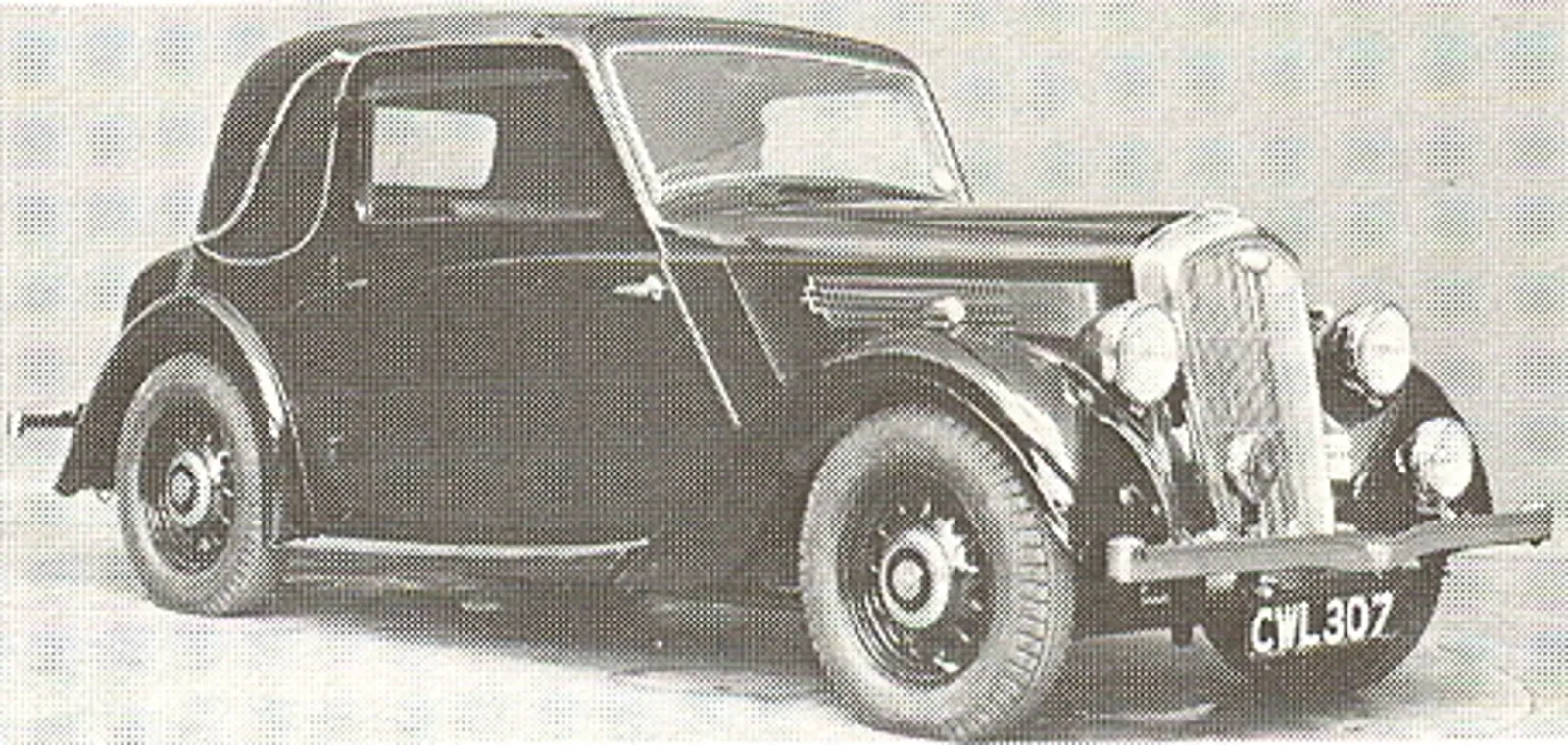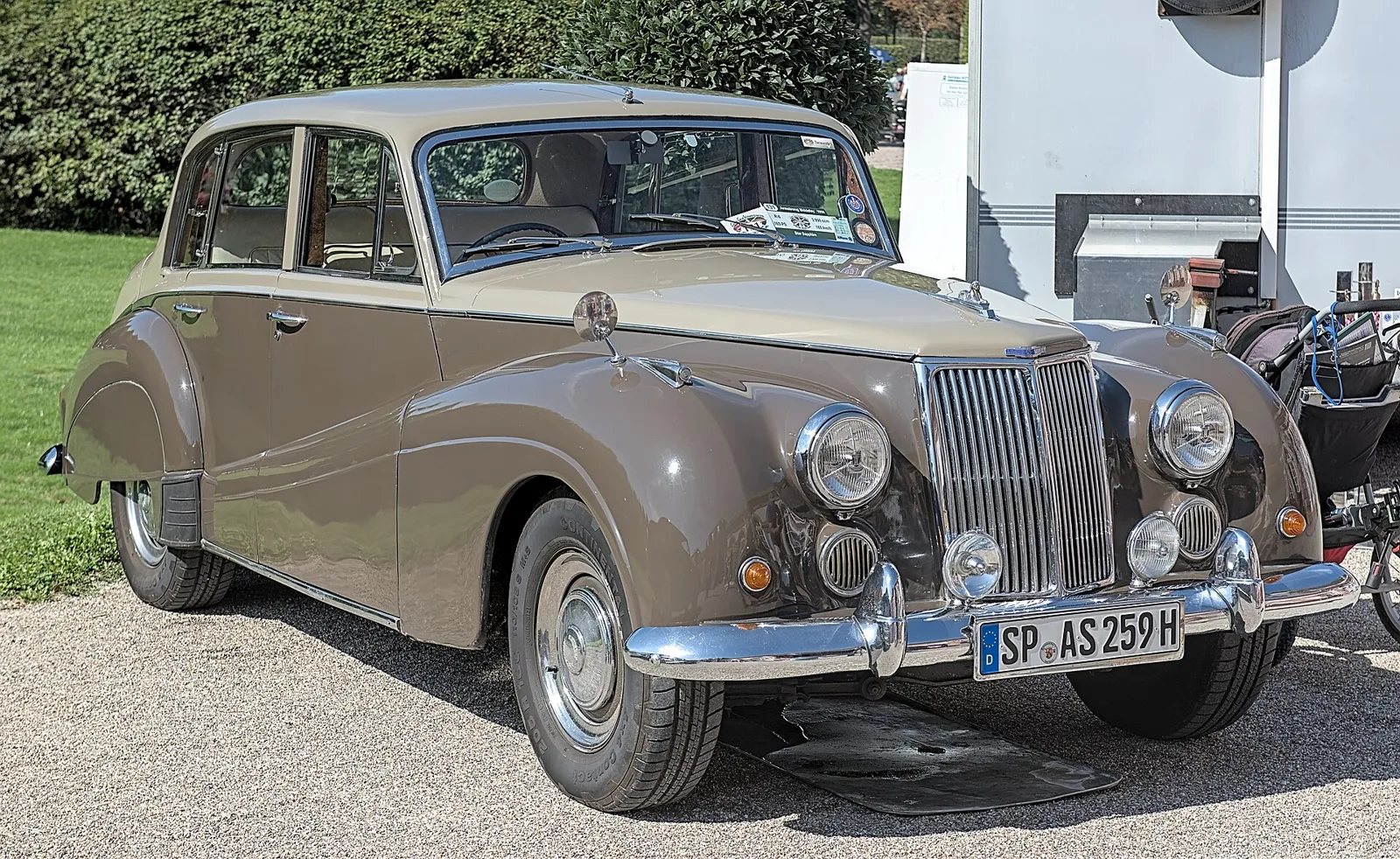
From John Siddeley's Peugeot-based Coventry cars and the 1919 Armstrong Siddeley name to the Sapphire, the Hawker Siddeley years and the last car in 1960.
Armstrong Siddeley was a British engineering group founded in 1919 from the Siddeley-Deasy car business. It was known for luxury cars and aircraft engines, and its last car left the Coventry factory in 1960.
Armstrong Siddeley was a British engineering group that operated through the first half of the 20th century, founded in 1919. It became best known for luxury vehicles and aircraft engines, and its car business ended in 1960. Its story runs from the Coventry works of John Davenport Siddeley to jet engines and rocket motors, and the Armstrong Siddeley name was kept alive afterwards by an owners' club.
How did the Siddeley car business begin?
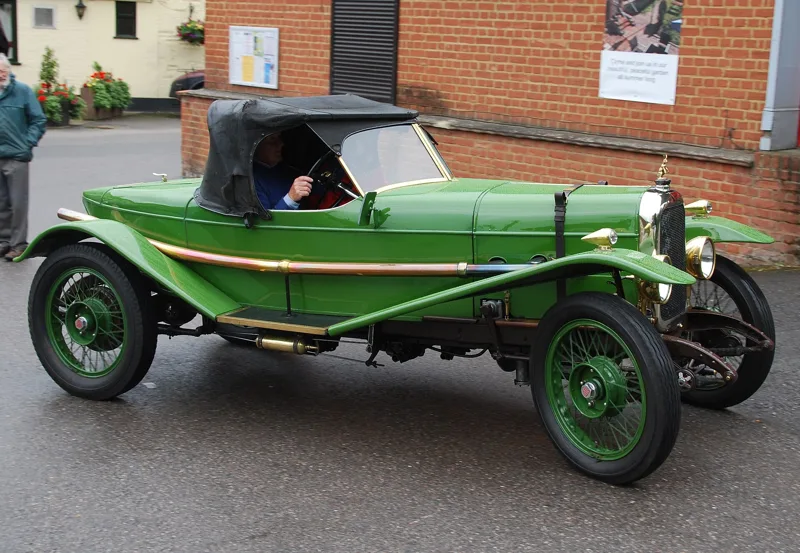
The Siddeley Autocar Company, based in Coventry, was founded by John Davenport Siddeley, who lived from 1866 to 1953, in 1902. Its cars were built for him by a Vickers subsidiary and were closely based on Peugeot designs, with many Peugeot parts and English-built bodies.
In early 1905 Siddeley became London sales manager of the Vickers subsidiary Wolseley, at the time Wolseley bought the goodwill and patent rights of his car business. A few months later Herbert Austin left to form his own company, and Siddeley was appointed general manager. Without Vickers's consent he added his own name to the Wolseley nameplate, and the addition was dropped when he left.
A Coventry luxury marque built on a Peugeot start, a Sphinx mascot and a last car in 1960.
How did Siddeley-Deasy come about?
In 1909 Siddeley resigned from Wolseley. In 1910 he took over the management of the Deasy Motor Car Manufacturing Company. Pleased with his results, the shareholders voted on 7 November 1912 to rename the business The Siddeley-Deasy Motor Car Company Limited.
Siddeley's name had been added to the radiator earlier in 1912. The cars took the slogan As silent as the Sphinx, and a Sphinx became their bonnet mascot, a symbol that would stay with the marque.
Why did the Armstrong Siddeley name appear in 1919?
In April 1919 Siddeley-Deasy was bought by the Armstrong Whitworth Development Company of Newcastle upon Tyne. By May 1919 the firm was renamed Armstrong Siddeley Motors Ltd, and it was a subsidiary run by J. D. Siddeley.
In 1927 Armstrong Whitworth merged its heavy engineering with Vickers to form Vickers-Armstrongs. At that point J. D. Siddeley took control of Armstrong Siddeley and Armstrong Whitworth Aircraft, and in 1928 Armstrong Siddeley Holdings bought Avro from Crossley Motors.
What gearbox did Armstrong Siddeley use?
In 1928 Siddeley joined with Walter Gordon Wilson, the inventor of the pre-selector gearbox, to form Improved Gears Ltd. That company later became Self-Changing Gears, and its gearbox is credited with making the tagline Cars for the daughters of gentlemen possible.
The Wilson preselector was first offered as an optional extra in 1929. It became standard on all cars from 1933, and many of the company's later cars offered an electrically controlled version.
How did Hawker Siddeley come about?
In 1935 Siddeley's interests were bought for 2 million pounds by the aviation pioneer Tommy Sopwith, owner of Hawker Aircraft. Sopwith combined them with the Gloster Aircraft Company and Air Training Services to form Hawker Siddeley, a name famous in British aircraft building.
Both Armstrong Whitworth Aircraft and Armstrong Siddeley Motors were placed under Hawker Siddeley as subsidiaries, and Sopwith himself became chairman of Armstrong Siddeley Motors. The Siddeley family also kept a long business association with the Middleton-Joy family, who made filtration oil and had enjoyed success in car rallies.
What were the first Armstrong Siddeley cars?
The first car from the union was a large 5-litre 30 hp machine. An 18 hp car appeared in 1922, followed by a 2-litre 14 hp in 1923. In 1928 the company introduced its first 15 hp six, and in 1929 a 12 hp model arrived.
In 1930 the company sold four models, of 12, 15, 20 and 30 hp, with the 30 hp costing 1450 pounds. The cars were named after their tax horsepower rating.
Why did the 1930s range look more sporting?
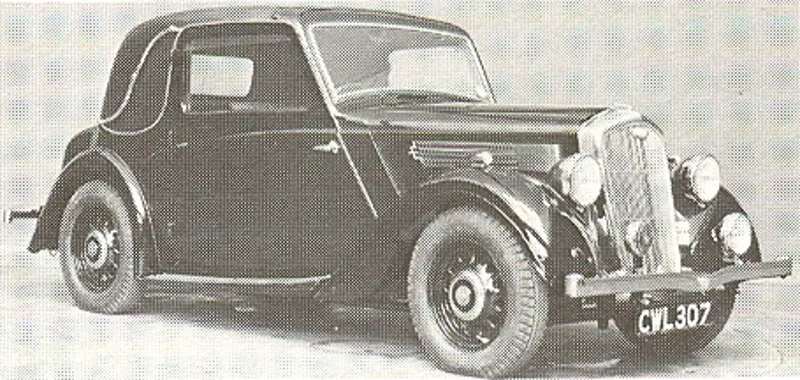
The company's staid image was challenged in the 1930s by a range of six-cylinder cars with overhead-valve engines, although a four-cylinder 12 hp stayed in production until 1936. Around 1932 a more sporting line, the Rally Tourer series, was started to shake off that pedestrian image.
Of the 16 rally tourers built, many were used by owners or senior directors and entered in rallies, with some good results and useful publicity. Only one survives: a 1933 Long-15 Rally Tourer, which shared its body with the 20 hp version but had a slightly longer bonnet.
In 1933 the 5-litre six-cylinder Siddeley Special was announced, with a Hiduminium aluminium alloy engine. It cost 950 pounds. Car production continued at a reduced rate through 1940, and a few cars were assembled in 1941.
What cars came after the Second World War?
The week the war ended in Europe, Armstrong Siddeley launched its first postwar models, the Lancaster four-door saloon and the Hurricane drophead coupe. Both names echoed aircraft built by Hawker Siddeley during the war. The cars used a 2-litre six-cylinder engine rated 16 hp, which grew to 2.3 litres and 18 hp in 1949.
From 1949 to 1952 two commercial variants of the 18 hp Whitley were built, mainly for export. The Utility Coupe was a conventional coupe utility, while the Station Coupe was effectively a dual-cab vehicle with two rows of seats for up to four adults and larger doors for access to the rear. From 1953 the company built the Sapphire, with a 3.4-litre six.
Why did the Sapphire range struggle?
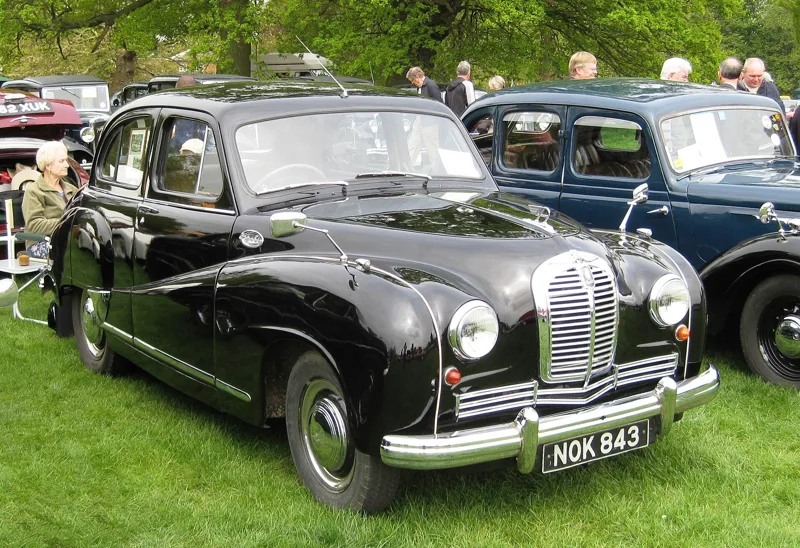
In 1956 the range gained the 234, with a 2.3-litre four-cylinder, and the 236, with the older 2.3-litre six. The Sapphire 346 carried a sphinx mascot with Sapphire jet engines attached. To loyal customers the 234 and 236 looked like a radical change, but they were too conservative for a period of fast-moving automotive design.
Jaguar had launched its unitary-construction 2.4 saloon in 1955, which was quicker, much cheaper and better-looking. The baby Sapphire was the beginning of the end, and the last new model was the 1958 Star Sapphire, with a 4-litre engine and automatic transmission.
When did Armstrong Siddeley car production end?
Armstrong Siddeley was a casualty of the 1960 merger with Bristol, and the last car left the Coventry factory that year. The company's car interests passed in later years into the hands of enthusiasts and their club.
In June 1972 Rolls-Royce (1972) Ltd sold the spares, patents, specifications, drawings and catalogues, along with the name, to the Armstrong Siddeley Owners Club Ltd. The Sphinx logo and the name are now trademarks and copyright held by that club.
The Siddeley name lived on in aviation through Hawker Siddeley Aviation and Hawker Siddeley Dynamics. In 1977 they joined others to form British Aerospace, which after further mergers is now BAE Systems.
How did the aircraft engine business develop?
Through the 1920s and 1930s Armstrong Siddeley made a range of low and mid-power radial engines, all named after big cats. It also built a tiny 2-cylinder Ounce for ultralight aircraft, named after the snow leopard.
The company began its first gas turbine in 1939, based on a design pioneered at the Royal Aircraft Establishment by Alan Arnold Griffith. The engine was called the ASX, for Armstrong Siddeley eXperimental, and it was later adapted to drive a propeller as the ASP. From then on the turbine engines carried snake names.
The Mamba and Double Mamba were turboprops. The Double Mamba used two side-by-side Mambas through a common gearbox and was fitted to the Fairey Gannet. The Python turboprop powered the Westland Wyvern, and the Mamba was later adapted into the Adder turbojet.
The Sapphire jet engine, which competed with the Rolls-Royce Avon, was taken over from Metrovick, which had started on the design. Armstrong Siddeley also developed the Viper for unmanned Jindivik target drones, and rocket motors such as the Snarler and Stentor.
The Viper was developed further by Bristol Siddeley and later by Rolls-Royce, and it was sold in great numbers over many years. The rocket programme complemented Bristol's own work, and Bristol Siddeley became the leading British maker of rocket engines for missiles.
What about the diesel engines?
In 1946 Armstrong Siddeley made its first diesel engines, medium-speed units for industrial and agricultural use. The first was a single-cylinder rated at 5 bhp (3.7 kW) at 900 rpm, and a twin-cylinder followed. Each cylinder had a capacity of 988 cm3 (60.2 cubic inches).
By the end of 1954 the single-cylinder was rated at 11 bhp (8.2 kW) at 1800 rpm and the twin at 22 bhp (16 kW). In 1955 a 3-cylinder rated at 33 bhp (25 kW) joined the range. Production moved from Leicester to Brockworth and then to Petters at Staines, where the engines were designated AS1, AS2 and AS3. Output ended in 1962.
Were Armstrong Siddeley cars used by royalty?
Yes. The Armstrong Siddeley Saloon was considered an elegant car suited to royal use, and it carried the Prince of Wales, later King Edward VIII, during his 1930 tour of Uganda. The car sat within a line that had been aimed at the top echelon of society since the Siddeley-Deasy days.
The Siddeley-Deasy business had been marketed to the wealthiest buyers, and the Armstrong Siddeley name carried that positioning into the 1920s and 1930s. Royal use gave the marque a public endorsement that few rival makers could match.
Which clubs still support the cars?
Armstrong Siddeley cars still have active owners' clubs in several countries, including Britain, Australia, New Zealand, the Netherlands and Germany, and the clubs have members worldwide. Many members of the Australian club live overseas, and the clubs help keep the cars in regular use.
Each club produces its own magazine. The UK owners' club issues a monthly members' title called Sphinx, while the Australian Car Club brings out Southern Sphinx six times a year. The Dutch club also publishes six times a year, and the New Zealand club's Sphinx-NZ appears monthly.
Key dates in the Armstrong Siddeley story
| Year | Event |
|---|---|
| 1902 | Siddeley Autocar Company founded in Coventry |
| 1912 | Renamed The Siddeley-Deasy Motor Car Company on 7 November |
| 1919 | Armstrong Whitworth buys Siddeley-Deasy; Armstrong Siddeley Motors formed in May |
| 1929 | Wilson preselector gearbox offered as an option |
| 1935 | Hawker Siddeley formed; Sopwith buys Siddeley's interests |
| 1939 | First gas turbine work begins |
| VE week | Postwar Lancaster and Hurricane models launched |
| 1955 | Jaguar 2.4 saloon launched |
| 1958 | Star Sapphire becomes the last new model |
| 1960 | Last car leaves the Coventry factory after the Bristol merger |
| 1966 | Bristol Siddeley and Rolls-Royce merge |
| 1972 | Name and spares sold to the Armstrong Siddeley Owners Club |