Based in Welcome, North Carolina, RCR won six Cup championships with Dale Earnhardt, three Daytona 500s and a long streak of qualifying for every Cup race.
Richard Childress Racing is a Welcome, North Carolina team that has won six Cup titles with Dale Earnhardt and three Daytona 500s. It has run trucks, ARCA cars and an engine business, and it has kept at least one car in every Cup race since 1972.
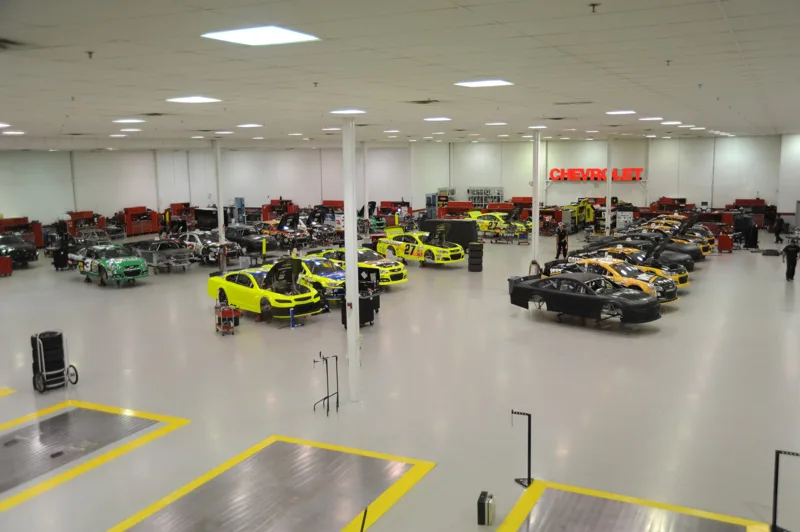
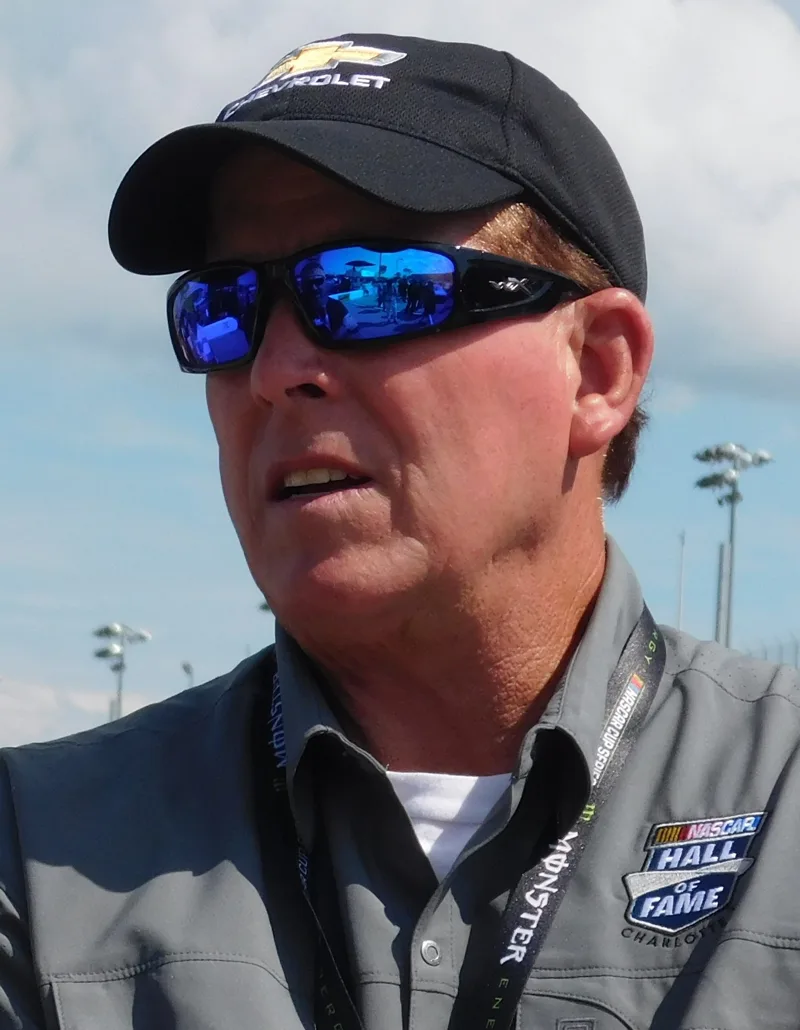
Richard Childress Racing, or RCR, is an American professional stock car team that competes in the NASCAR Cup Series and the O'Reilly Auto Parts Series. It is based in Welcome, North Carolina, and it has been owned and run by Richard Childress, with a 40% stake held by Chartwell Investments.
What is Richard Childress Racing?
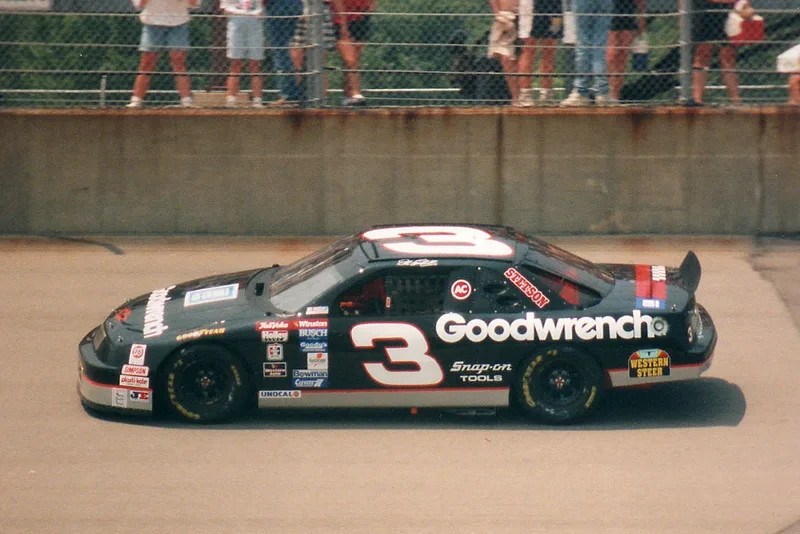
RCR has had at least one car qualify for every Cup race since 1972, which is the longest such active streak in the sport. It is also known for its long use of the number 3 on its primary race car, a number that carries much of the team's history.
The team's current Cup line-up uses Chevrolet Camaro ZL1s, with Austin Dillon in the No. 3 and Austin Hill in the No. 33. Its O'Reilly Auto Parts Series programme includes the No. 2 for Love and the No. 21 for Hill, along with part-time cars for Dillon and Cleetus McFarland.
Beyond its own entries, RCR works with partner teams. Rick Ware Racing is its Cup Series partner, while Big Machine Racing, Jordan Anderson Racing and Viking Motorsports work with it in the O'Reilly Series, and Big Machine keeps shops on the RCR campus in Welcome.
Six Cup titles with Dale Earnhardt, three Daytona 500s and a number 3 that became the team's signature.
How did RCR win six Cup titles?
RCR has won the NASCAR Cup Series championship six times, all of them with Dale Earnhardt. The team also won the Daytona 500 three times, with Earnhardt in 1998, Kevin Harvick in 2007 and Austin Dillon in 2018.
Earnhardt's titles defined the team's identity and remain the benchmark for every later Cup effort. Drivers who have raced for the team include Kyle Busch, Clint Bowyer, Ryan Newman, Neil Bonnett, Ricky Rudd, Mike Skinner and Jeff Burton. Harvick went on to win the 2014 Cup championship with the team, and the Daytona 500 wins show how the organisation kept pace across several decades.
The 2007 Daytona 500 was won by Harvick in the No. 29 car, a result that later became the centre of a sponsorship dispute. The Sunoco row shows how fuel and sponsorship rules shaped the sport's marketing. The team's long history in the sport has been built on a mix of star drivers and a strong engineering base.
How did the truck programme begin?
In 1995 RCR ran its own truck team in the SuperTruck Series, then known as the infant years of what is now the Craftsman Truck Series. The No. 3 Goodwrench Chevy was driven by 37-year-old Mike Skinner, who was signed for the season.
Skinner won the series' inaugural race at Phoenix International Raceway, passing the Winston Cup driver Terry Labonte on the final lap. He went on to win eight races and the first championship by a 126-point margin. He won eight more races and finished third in points in 1996, scoring sixteen wins and fifteen poles over two seasons.
Skinner then moved up to the Cup series, and Jay Sauter took over. Sauter won four times and finished in the top ten in points in all three of his years, and he was the last driver to win for RCR in the Truck Series until July 11, 2010.
What did the Dillon years bring to the trucks?
On that day Childress's grandson, Austin Dillon, won the Lucas Oil 200 at Iowa Speedway. He made his debut in the No. 3 at Iowa's inaugural race in 2009, rising from ninth on the grid to twelfth at the finish despite an early spin.
In 2010 Dillon ran the No. 3 truck full-time, with Bass Pro Shops as sponsor. He won five poles and two races, at Iowa and Las Vegas, and had fifteen top-tens on his way to fifth in the championship and the 2010 Rookie of the Year award.
In 2011 Dillon won two races at Nashville and Chicago and took the championship over Johnny Sauter. He then moved up to the Nationwide Series, and his brother Ty took the No. 3 truck for 2012. Ty won his first race at Atlanta and finished fourth in the standings.
In 2013 Dillon won the 100th victory in NASCAR for a No. 3 car, at the WinStar World Casino 350K. Ty returned to the truck for the dirt race at Eldora in 2014, and Austin won at Pocono after that.
How did the other truck entries perform?
RCR fielded a No. 8 truck part-time in 1999, with Mike Dillon finishing 30th at Watkins Glen and 32nd at Milwaukee, and Jim Sauter taking tenth at Michigan. The No. 33 truck ran part-time in 1997 for Mike Dillon, who started 29th and finished 26th at Phoenix.
The No. 22 truck debuted in 2009 with Tim George Jr. driving part-time. In 2011 Joey Coulter took over the car, won Rookie of the Year and claimed his first win at Pocono after 36 attempts.
In 2013 RCR bought the No. 39 owner's points from RSS Racing to field the truck for Austin Dillon in the first Mudsummer Classic at Eldora Speedway. Dillon led 63 laps, the most of anyone, and took the win on a green-white-checker finish. The truck, trophy and a piece of the dirt track are now on display at the NASCAR Hall of Fame, a notable moment for the family.
How did RCR develop drivers?
RCR has run a strong development programme since the 1990s, and it groomed several NASCAR regulars, most notably Kevin Harvick and Richard Childress's grandsons Austin and Ty Dillon. Ryan Gifford, Joey Coulter, John Wes Townley and Timothy Peters also came through the system, alongside Clint Bowyer, Johnny Sauter and Mike Skinner.
The ARCA and K&N programmes gave the young drivers their first real chances. In 2008 Austin Dillon ran the full Camping World East Series schedule in the No. 3 car, moving under the RCR umbrella after four races, and he scored a win on his series debut at Greenville-Pickens Speedway after Peyton Sellers's winning car was disqualified.
Ty Dillon ran eight of the ten K&N East races in 2010 and won at Gresham Motorsports Park. In 2011 he moved full-time into the ARCA Series, and he won the championship with seven wins and seven poles.
Other ARCA and East entries were smaller. In 2006 the No. 31 car ran three races with Burney Lamar and one with Timothy Peters, and in 2009 the No. 3 car ran five East races sponsored by Mom N' Pops, with Ryan Gifford's three top-ten finishes adding depth.
How did ECR Engines and the alliances develop?
ECR Engines, formerly Earnhardt-Childress Racing Technologies, is the engine department of RCR, based on the team's Welcome campus. The partnership began in May 2007 between Dale Earnhardt Inc. and RCR to develop common Chevrolet engines for their Cup and O'Reilly teams.
The partnership passed to Earnhardt Ganassi Racing in 2008 after the DEI and Chip Ganassi Racing merger, and in 2016 ECR became a wholly owned subsidiary of RCR. ECR built engines for Cadillac DPi-V.Rs in the IMSA WeatherTech SportsCar Championship from 2017 to 2022. Former clients included Furniture Row Racing, Wayne Taylor Racing, JTG Daugherty Racing and Richard Petty Motorsports, while current clients include Trackhouse Racing and Beard Motorsports.
ECR secured eight straight IMSA engine manufacturer championships from 2012 to 2018, and it won five overall Rolex 24 at Daytona titles in 2014 and from 2017 to 2020. In 2021 RCR and Hendrick Motorsports formed a joint venture for engine research and a common Chevrolet specification, called HCD.
RCR's first alliance model began in 1997 as RAD Racing engines, an aerodynamics programme shared with DEI and Andy Petree Racing. That alliance ended in mid-2004, when Petree shut his team down.
What were the sponsor fights?
Goodwrench GM Certified Service was a primary sponsor from 1988 until 2007. Cingular Wireless began a four-year sponsorship in 2001, and The Hershey Company also became a sponsor that year with brands such as Reese's and Hershey's Kissables. Those candy brands were a visible part of the team's sponsor mix.
After the 2007 Daytona 500, the paint scheme of Harvick's winning No. 29 car angered the fuel supplier Sunoco, which felt its exclusive fuel rights also gave it marketing rights. The team switched to smaller Shell decals and more emphasis on its co-sponsor Pennzoil the following week. Shell and Pennzoil remain in the sport with Team Penske's No. 22.
A larger dispute involved AT&T, which wanted to advertise its brand on the No. 31 car after its merger with Cingular Wireless. NASCAR refused, citing its Sprint Nextel contract. AT&T sued NASCAR on 16 March 2007, and on 18 May a federal judge ruled that AT&T could replace the Cingular logos. Jeff Burton drove in a logo-less firesuit in protest, and a settlement later allowed AT&T to sponsor the car until the end of 2008.
What are the key results?
| Series or race | Result | Year |
|---|---|---|
| NASCAR Cup Series | Six championships, all with Dale Earnhardt | Multiple years |
| Daytona 500 | Win, Dale Earnhardt | 1998 |
| Daytona 500 | Win, Kevin Harvick | 2007 |
| Daytona 500 | Win, Austin Dillon | 2018 |
| Truck series | Championship, Mike Skinner | 1995 |
| Truck series | Championship, Austin Dillon | 2011 |
| Truck series | Mudsummer Classic win at Eldora, Austin Dillon | 2013 |
| ARCA Racing Series | Championship, Ty Dillon | 2011 |
| IMSA engine manufacturers | Eight straight championships, ECR Engines | 2012 to 2018 |
What is the legacy of Richard Childress Racing?
RCR's legacy is a Cup record built on Dale Earnhardt's titles, the long streak of qualifying and a Dillon family thread that has run through its trucks and cars. The number 3 is the team's most recognisable symbol. Its development system continues to feed NASCAR, with Harvick and the Dillons as the clearest examples.
The organisation has also become a serious engine builder through ECR Engines, and its alliances show a model that shares resources across several teams. Its technical alliances mean it shares engineering with several organisations, from Rick Ware Racing to Viking Motorsports. Its sponsor battles also show how a team can shape the rules of the sport.