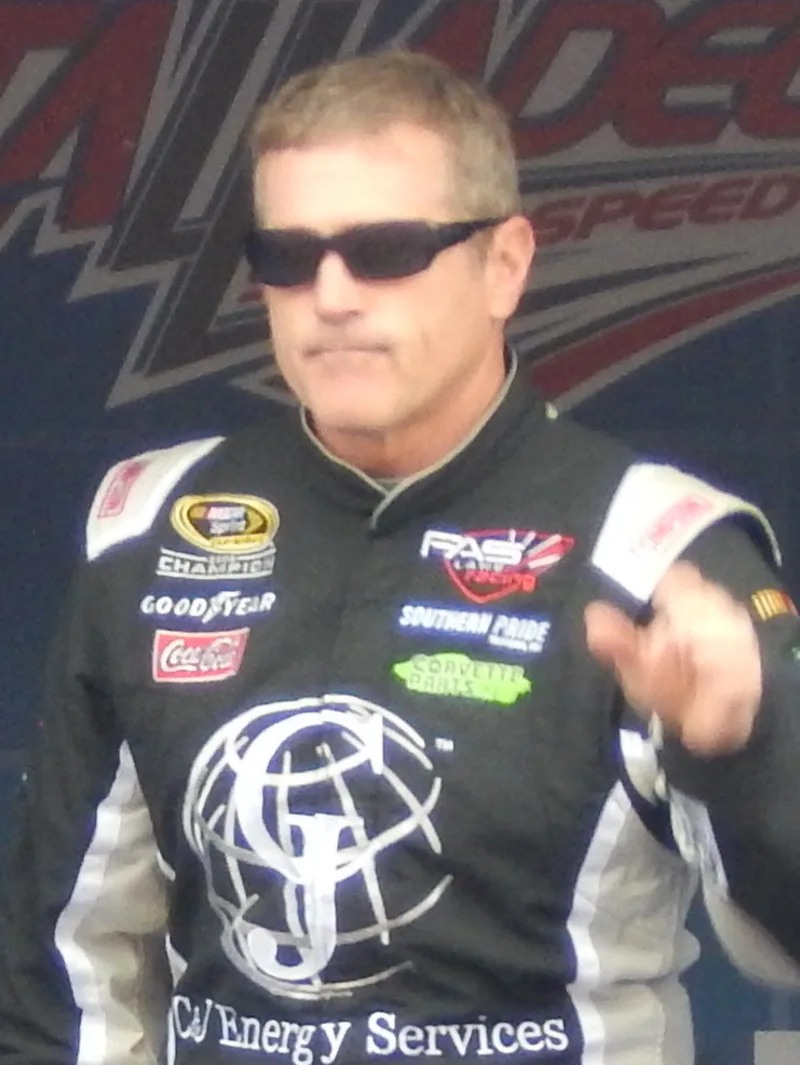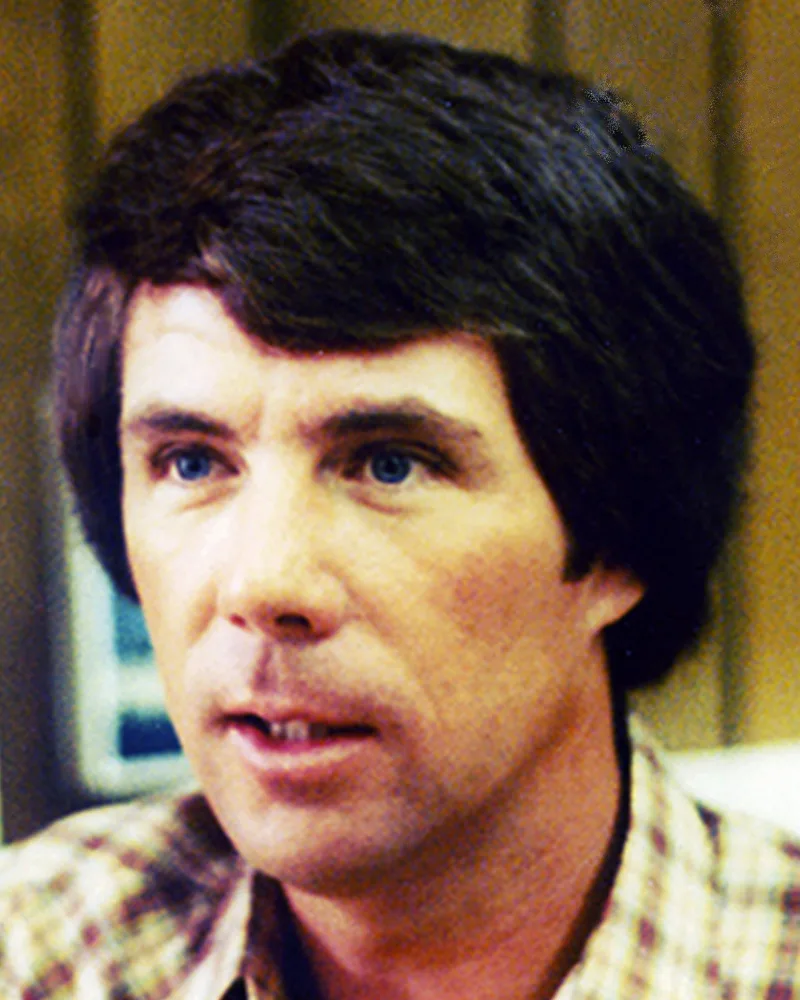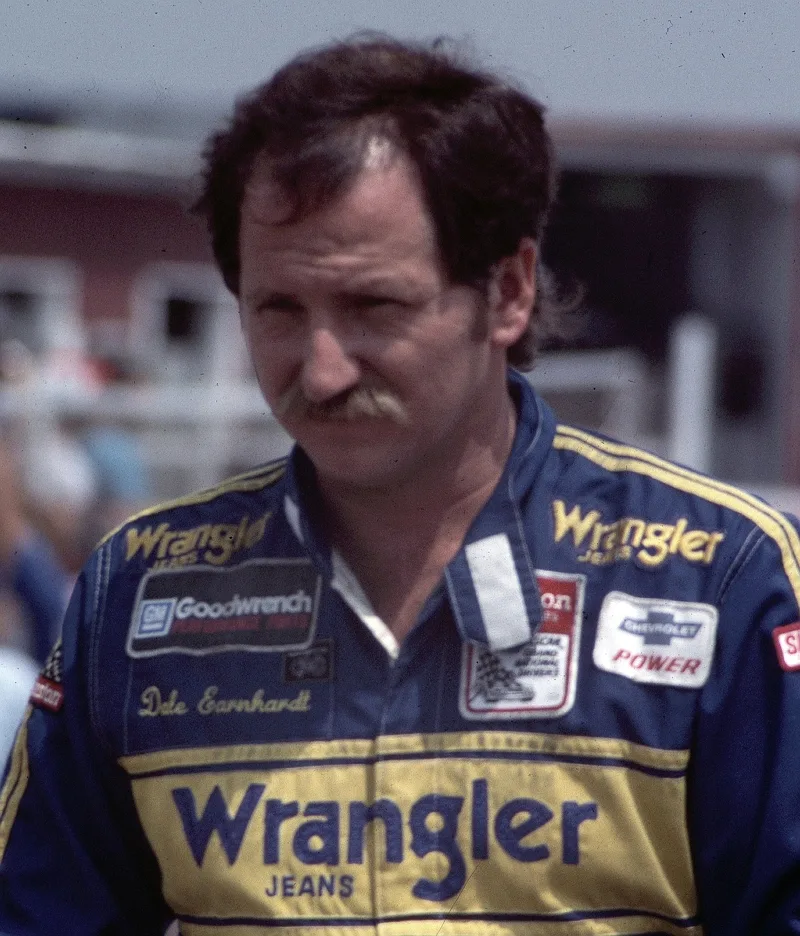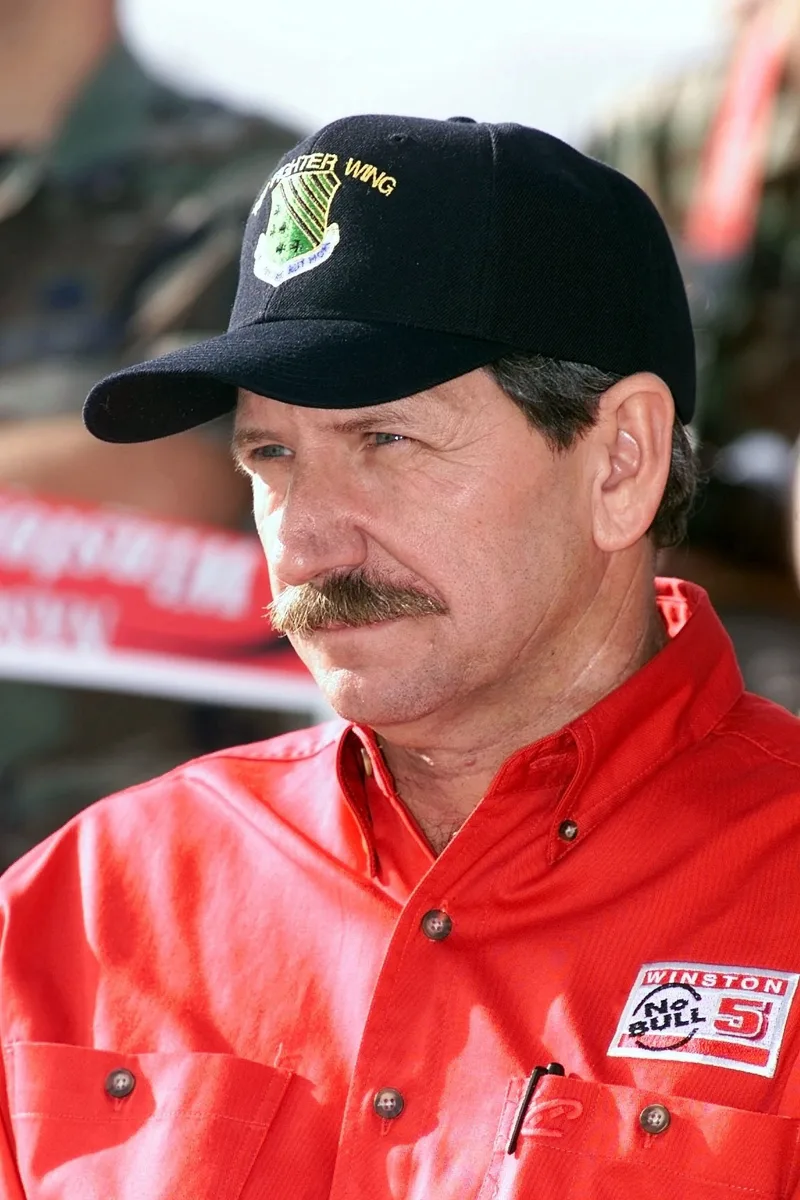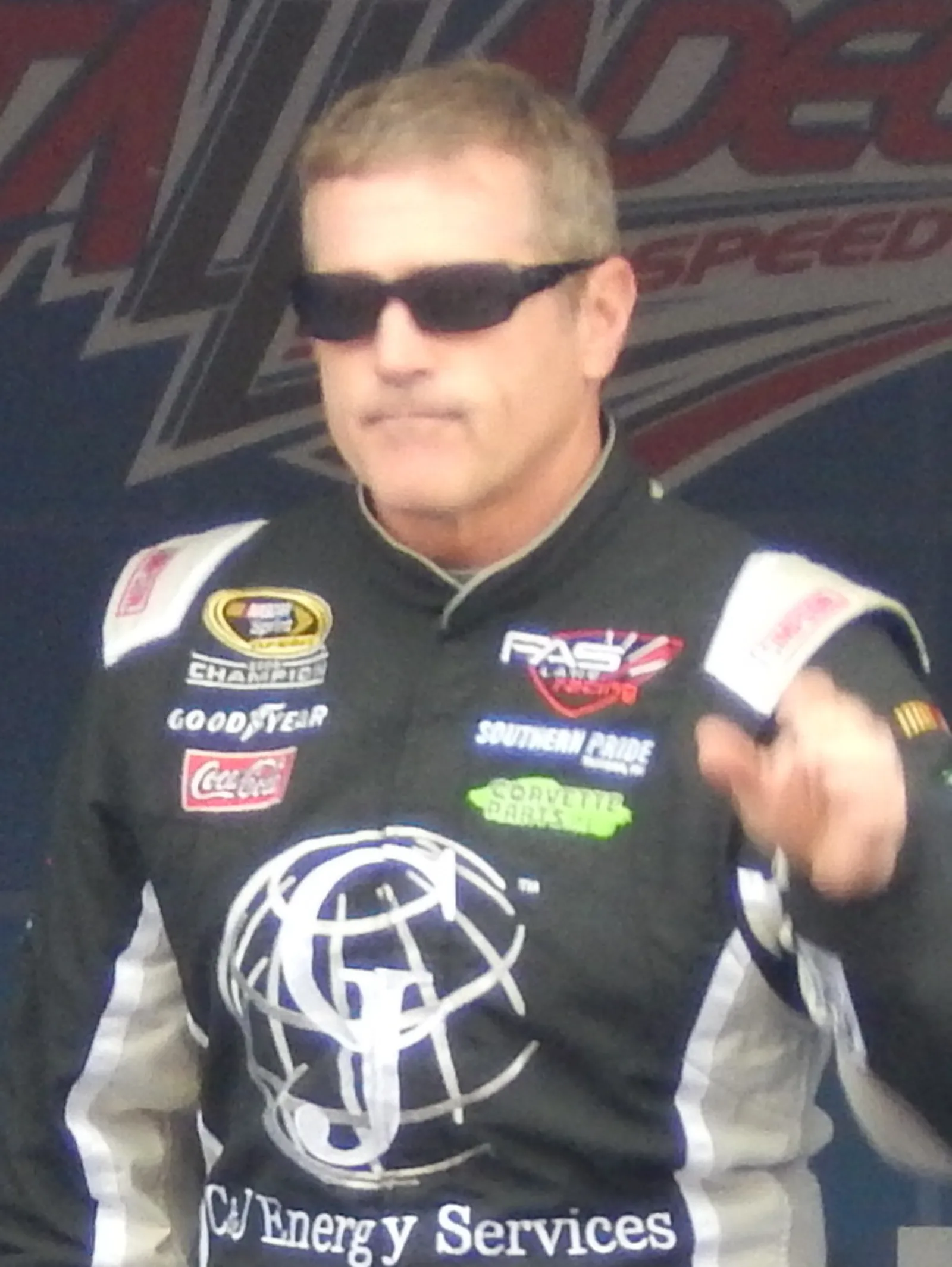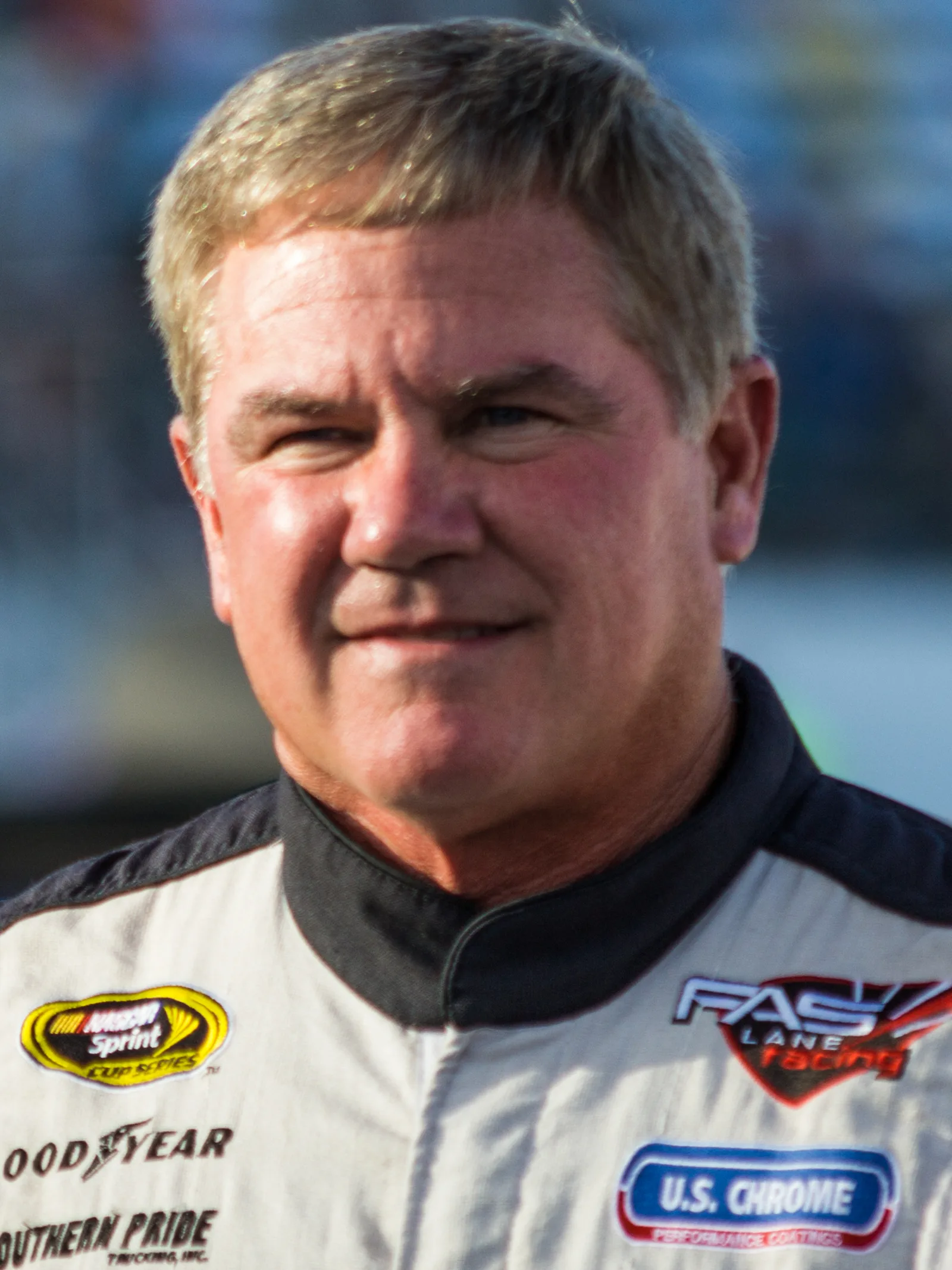
From a 1978 Darlington debut to a final start in 2014, the Texan with the Iceman nickname raced through four different decades of stock car racing.
Terry Labonte, born in Corpus Christi, Texas, in 1956, raced in NASCAR's top series from 1978 to 2014. He won the Winston Cup championship in 1984 and again in 1996, and he finished his career with 22 Cup wins and 890 starts.
Terry Labonte was one of the most durable drivers in NASCAR's top division, racing there from 1978 until 2014. The Texan won two Cup championships, one of them twelve years after the first, and his career ended at his 890th start. His steady, low-key approach earned him the nickname the Iceman.
Where did Terry Labonte grow up?
Labonte was born on November 16, 1956, in Corpus Christi, Texas. His father worked on race cars as a hobby for friends, and that exposure brought him into the sport early. He raced quarter midgets from the age of seven and won a national title at nine.
As a teenager he moved to local short tracks in a stock car, racing on both dirt and asphalt. He graduated from Mary Carroll High School in 1975, then won track championships in his hometown, in Houston and in San Antonio between 1975 and 1977. It was during this stretch that he met Louisiana businessman Billy Hagan, a meeting that would shape his first full-time team.
Two titles twelve years apart, a brother's shared victory lap and a career that closed at the 890th start in a split-colour car.
How did Labonte's NASCAR career begin?
Labonte's first NASCAR race came in 1978 at Darlington Raceway, where he qualified 19th in the No. 92 Duck Industries Chevrolet and finished fourth. He ran four more races that season and collected two more top-ten finishes, so the year gave a clear sign of what was to come.
In 1979 he was one of the contenders for rookie honours, a field that included Dale Earnhardt, Harry Gant and Joe Millikan, and he ran the No. 44 Stratagraph Chevrolet for Hagan. He did not win the award, but he was one of three rookies to finish in the top ten in points, and he ended the season with thirteen top-ten finishes.
His first career Winston Cup win arrived on Labor Day weekend in 1980 at Darlington. That season he took home $222,501 in prize money and finished eighth in the final standings. A second win followed in 1983 in the Budweiser Chevrolet.
When did Labonte win his first championship?
Labonte won his first Winston Cup championship in 1984, the year Piedmont Airlines came on as sponsor for his Hagan team. He won races at Riverside International Raceway and Bristol Motor Speedway, and the title confirmed him as a consistent contender rather than a one-race winner.
He also stepped outside the top series in 1985, making his Busch debut at Charlotte in the No. 17 Pontiac owned by Darrell Waltrip, and he won the 400 miles race. Waltrip had asked him to drive after deciding to focus solely on Winston Cup racing.
What did the Junior Johnson years bring?
In 1986 Labonte fell back to twelfth in the standings and then announced he would leave Hagan for Junior Johnson's team, driving the No. 11 Budweiser Chevrolet. His first season there brought four poles and a win in the Holly Farms 400, and he rose to third in the final standings.
He followed that with a fourth-place points finish in 1988 and a victory in The Winston. In 1989 the team switched to Ford Thunderbirds. Despite two wins that season, he slipped back to tenth in the championship. In 1990 he signed with Leo Jackson's Precision Products Racing team, driving the No. 1 Skoal Classic Oldsmobile, and finished 15th in points after four top-five finishes and nine top-tens.
Labonte returned to Hagan Racing in 1991 for the No. 94 Sunoco Oldsmobile. He ended 1992 eighth in points, but in 1993, driving the No. 14 Kellogg's Chevrolet, he failed to finish a race in the top five for the first time in his career and dropped to 18th.
How did the 1996 title happen?
Labonte's second championship came in 1996, twelve years after his first, a gap that matches the record for most seasons between championships. He had joined Hendrick Motorsports for 1994, driving the No. 5 Kellogg's Chevrolet Lumina. In 1995 the team moved to Chevrolet Monte Carlos, and he won three races, including the fall Goody's 500 at Bristol.
The 1996 season produced only two wins, but consistency carried him to the title. He drove through the final two races with a broken hand. In the last race at Atlanta Motor Speedway, he and his younger brother Bobby completed a dual victory lap: Bobby won the race while Terry took the championship. It remains the only time a driver and his sibling have won the race and the title in the same event.
In 1997 he posted twenty top-ten finishes and collected his only win of the year at the fall race at Talladega Superspeedway. His trademark mustache stayed through the 1998 season, when he won the Pontiac Excitement 400 and finished ninth in points.
Why is the 1999 Bristol race still discussed?
The 1999 Goody's Headache Powder 500 at Bristol is the race most often linked with Labonte's name. He was leading with ten laps to go when a lapped Darrell Waltrip spun him out while the leader was slowing the field under caution. He pitted for four tires, recovered and was leading with one lap remaining when Dale Earnhardt, running second, wrecked him half way to the flag and took the win.
Labonte finished eighth after the wreck. In victory lane Earnhardt insisted the contact was not deliberate, and Labonte was openly unconvinced, saying Earnhardt had never meant to take anyone out and that the contact simply happened. He shaved off his mustache that year, and the season also brought a Sprint All-Star Race XV win and a home-track victory at Texas Motor Speedway.
What happened in the years after 2000?
Labonte's streak of consecutive starts ended at 655 in 2000, after inner ear injuries in the Pepsi 400 forced him to miss the Brickyard 400 and the Global Crossing at The Glen. That season was also his first without a win since 1993, and his younger brother Bobby won the championship. Labonte finished 2001 in 23rd place and slipped to 24th in 2002.
The turning point came in 2002 with the arrival of veteran crew chief Jim Long. In 2003 Labonte won his first pole since 2000 at Richmond and then took the Mountain Dew Southern 500 at Darlington, a crown jewel event he had also won in 1980. That season earned him a tenth-place finish in points, and most NASCAR fans later labelled it the most popular win of 2003.
What were the semi-retirement years like?
Labonte announced in 2004 that he would run part-time for the next two years, a plan nicknamed Shifting Gears: Lone Star Style. In 2005 he began with Hendrick's No. 44 research and development car, sponsored by Kellogg's, Pizza Hut and GMAC, and his best result for the team was twelfth at Pocono Raceway.
His part-time seasons took him to several teams. He also drove five races for Joe Gibbs Racing, with a top finish of ninth at Richmond. That year he also started with Hall of Fame Racing, a team founded by former Dallas Cowboys quarterbacks Roger Staubach and Troy Aikman, and his best finish for them was third at Infineon.
In 2008 he replaced Kyle Petty for six races at Petty Enterprises, reuniting with brother Bobby, and he finished 16th at Daytona. He later ran for Prism Motorsports and Stavola Labonte Racing, and in 2011 he started the Daytona 500 from 43rd for FAS Lane Racing and finished 15th.
| Season | Team or event | Notable result |
|---|---|---|
| 1978 | Hagan Racing, first NASCAR race | Fourth at Darlington from 19th on the grid |
| 1980 | Hagan Racing | First Winston Cup win, Darlington |
| 1984 | Hagan Racing, Piedmont Airlines | First Winston Cup championship |
| First season at Junior Johnson's | Junior Johnson, No. 11 Budweiser Chevrolet | Holly Farms 400 win, third in points |
| 1990 | Precision Products Racing | 15th in points |
| 1994 | Hendrick Motorsports, No. 5 | Joined Hendrick |
| 1996 | Hendrick Motorsports | Second Winston Cup championship |
| 2003 | Hendrick Motorsports | Mountain Dew Southern 500 win |
| 2011 | FAS Lane Racing | 15th at the Daytona 500 |
| 2014 | Go Fas Racing | Final start, 33rd at the GEICO 500 |
Why was the final start memorable?
Labonte announced in October 2014 that the GEICO 500 would be his 890th and final start. To mark the occasion, Go Fas Racing designed a car split into three liveries: the Kellogg's scheme from his 1996 title on the driver side, the Piedmont Airlines look from 1984 on the passenger side, and the Duck Industries design from early in his career in the centre.
NASCAR refused the split scheme, because its rules require matching colours on both sides of the car for safety reasons. The team switched to the Kellogg's design and kept the centre panel. Labonte qualified ninth, but the unapproved paint sent him to the back of the field, and he finished 33rd, one lap down, in his last race.
His final Daytona race had come a few weeks earlier. In the 2014 Coke Zero 400 he dodged two large wrecks and finished 11th after rain ended the race after 112 laps. In the Daytona 500 that year he had run as high as sixth before a late crash dropped him to 20th, and he called it his final Daytona 500 start.
What other series did Labonte win in?
Labonte's record outside the Cup Series is substantial. He won eleven Nationwide Series races and one Craftsman Truck Series race, along with three all-star events: the Busch Clash in 1985 and The Winston in 1988 and 1999. He also won the IROC championship in 1989 with a single win, and he drove his car to sixth in the final 1993 IROC race, which helped the late Davey Allison take that title.
Labonte also won class honours at the two most prestigious endurance races in America. In 1984 he drove a GTO-class Chevrolet Camaro in the IMSA GT Championship and won at the 24 Hours of Daytona and the 12 Hours of Sebring. He started 32 Daytona 500s over his career, tying Richard Petty for second-most all-time behind Dave Marcis.
What honours did he receive?
Labonte was passed over as a first-ballot inductee for the NASCAR Hall of Fame Class of 2015 but was inducted into the Class of 2016 on May 20, 2015. He joined Bruton Smith, Curtis Turner, Bobby Isaac and Jerry Cook in that class. On January 26, 2017, he was named to the Motorsports Hall of Fame of America.
He had earlier been named one of NASCAR's 50 Greatest Drivers in 1998. In his hometown of Corpus Christi a park was renamed for the Labonte brothers in 2001, and both were chosen for the Texas Sports Hall of Fame in 2002. He was also inducted into the Texas Sports Hall of Fame in 2001.
What was Labonte's life away from the track?
Labonte has been married to his wife Kim since 1978. The couple have two children, Justin and Kristy, and four grandchildren. He splits his time between Texas and North Carolina, where he co-owns a Chevrolet dealership in Greensboro with Rick Hendrick.
A marketing company he later ran grew out of a sponsorship deal he gained in the 1990s, when Kellogg's used his No. 5 Chevrolet to promote its cereals. He is an avid outdoorsman and was a longtime hunting partner of Dale Earnhardt. He has also supported charities, including the Ronald McDonald House in Corpus Christi, the Victory Junction camp near Randleman and the Hendrick Marrow Program, and he hosts an annual shoot benefiting Speedway Children's Charities in Texas.
How does Labonte's career compare with his peers?
Labonte stands out because of the length of his career and the spread of his title years. His record of twelve seasons between titles is the longest such gap in the sport's history. He also finished in the top ten of the year-end standings seventeen times, including both championship seasons, which put him among the most consistent drivers of his era.
Labonte's top-five and top-ten totals approach 25 percent and 50 percent of his total races, a measure of how often he finished near the front across a long career. That steady finishing is the thread that runs through every stage of his career.