The son of a seven-time champion, Dale Earnhardt Jr. won 26 Cup races, two Daytona 500s and 15 straight Most Popular Driver awards before stepping back from full-time driving after 2017.
Dale Earnhardt Jr. is a retired full-time NASCAR driver who won 26 Cup Series races and the Daytona 500 in 2004 and 2014. He drove for his father's team and then for Hendrick Motorsports, and he now works in broadcasting and team ownership.
Dale Earnhardt Jr. is an American stock car driver who became one of NASCAR's most popular figures, with 26 Cup Series victories and two Daytona 500 wins. He began with his father's team, Dale Earnhardt Inc., then spent a decade at Hendrick Motorsports before stepping back from full-time competition. He now runs JR Motorsports and works as a broadcaster.
Who is Dale Earnhardt Jr.?
Ralph Dale Earnhardt Jr. was born on 10 October 1974 in Kannapolis, North Carolina, the son of seven-time NASCAR Cup champion Dale Earnhardt. He drove full-time in the Cup Series until the end of 2017, and since then he has raced selectively in Xfinity and late model events. Fans know him as Junior.
He is a third-generation driver. His paternal grandfather, Ralph Earnhardt, raced the No. 8 car, and the No. 88 was also used in his family's racing history. That heritage is part of why the Earnhardt name carries such weight in the sport.
Two Daytona 500s, 26 Cup wins and a driver who kept a fan base that ran for 15 straight seasons, all on his own terms.
How did Earnhardt Jr. start racing?
He began competing at 17 in the Street Stock division at Concord's Motorsport Park, in a 1979 Monte Carlo he co-owned with his half-brother Kerry. By 19 he had moved into the Late Model Stock Car Division, driving a No. 3 Buick on short tracks in the Carolinas and focusing mainly on Myrtle Beach Speedway and East Carolina Motor Speedway.
He won the pole for the Greenville Merchants 300 at East Carolina Motor Speedway on 28 October 1994. While he was developing his chassis knowledge there, he worked as a mechanic at his father's dealership and studied automotive technology at Mitchell Community College.
In 1996 and 1997 he made nine Busch Series starts, for Dale Earnhardt Inc. and for Ed Whitaker. That experience prepared him for a full-time Busch Series campaign with his father's team in 1998, and it also brought his first Cup start, an exhibition event at Twin Ring Motegi in Japan.
Did Earnhardt Jr. win Busch Series titles?
Yes. He claimed back-to-back Busch Series titles in 1998 and 1999, when the series carried that name, and in 1999 he edged Matt Kenseth for the title by a narrow margin. Those two championships established him as a driver to watch before he reached the Cup Series full-time.
In 1999 he also drove five Cup races for DEI in the No. 8 Budweiser Chevrolet, preparing for a full-time Cup ride in 2000. His best finish that season was tenth place in the fall race at Richmond.
What made the 2000 Cup season a breakout?
2000 was the year he broke out in the Winston Cup Series. He won the DirecTV 500 at Texas in his twelfth start, which broke his father's record for the fewest starts before a first win in NASCAR's modern era. The Winston, the all-star race, also went to him, making him the first rookie to claim it.
Across the year he took two victories, placed three times in the top five and five times in the top ten, and won two poles. Matt Kenseth, who beat him to the checkered flag in the season-opening Daytona 500, was his main rival for the Raybestos Rookie of the Year Award.
That year he also raced the Pepsi 400 at Michigan alongside his father and half-brother Kerry. It was only the second time a father had raced against two sons in a Cup event, following the earlier case of the Petty family.
How did 2001 change his career?
The 2001 season opened with the Daytona 500, where Earnhardt Jr. finished second to his teammate Michael Waltrip. Behind them, his father crashed into the outside wall at turn four after contact on the final lap and died of a basilar skull fracture. Waltrip and Earnhardt Jr. both asked fans to stop blaming anyone for the death.
Investigations by local police and NASCAR cleared Sterling Marlin of involvement, despite threats against him. The following weekend he ran at Rockingham and ended 43rd after a first-lap wreck that resembled his father's crash. He then returned to Daytona for the Pepsi 400 and took a dramatic win after a late run from sixth to first.
Later that year Dover's MBNA Cal Ripken Jr. 400 became his, and it was the first Winston Cup race held after the September 11 attacks. He then took the EA Sports 500 at Talladega, which came with a $1 million bonus. His car failed post-race inspection at Talladega, and NASCAR docked him 25 points. He finished the season eighth in the standings with three wins.
Why did Earnhardt Jr. leave Dale Earnhardt Inc.?
He announced in May 2007 that he would leave DEI, the company his father founded, to drive for another team in 2008. He said he could not see a route to a championship with DEI unless he gained majority control, which he did not expect. In June 2007 he agreed a five-year deal with Hendrick Motorsports, taking the seat vacated by Kyle Busch.
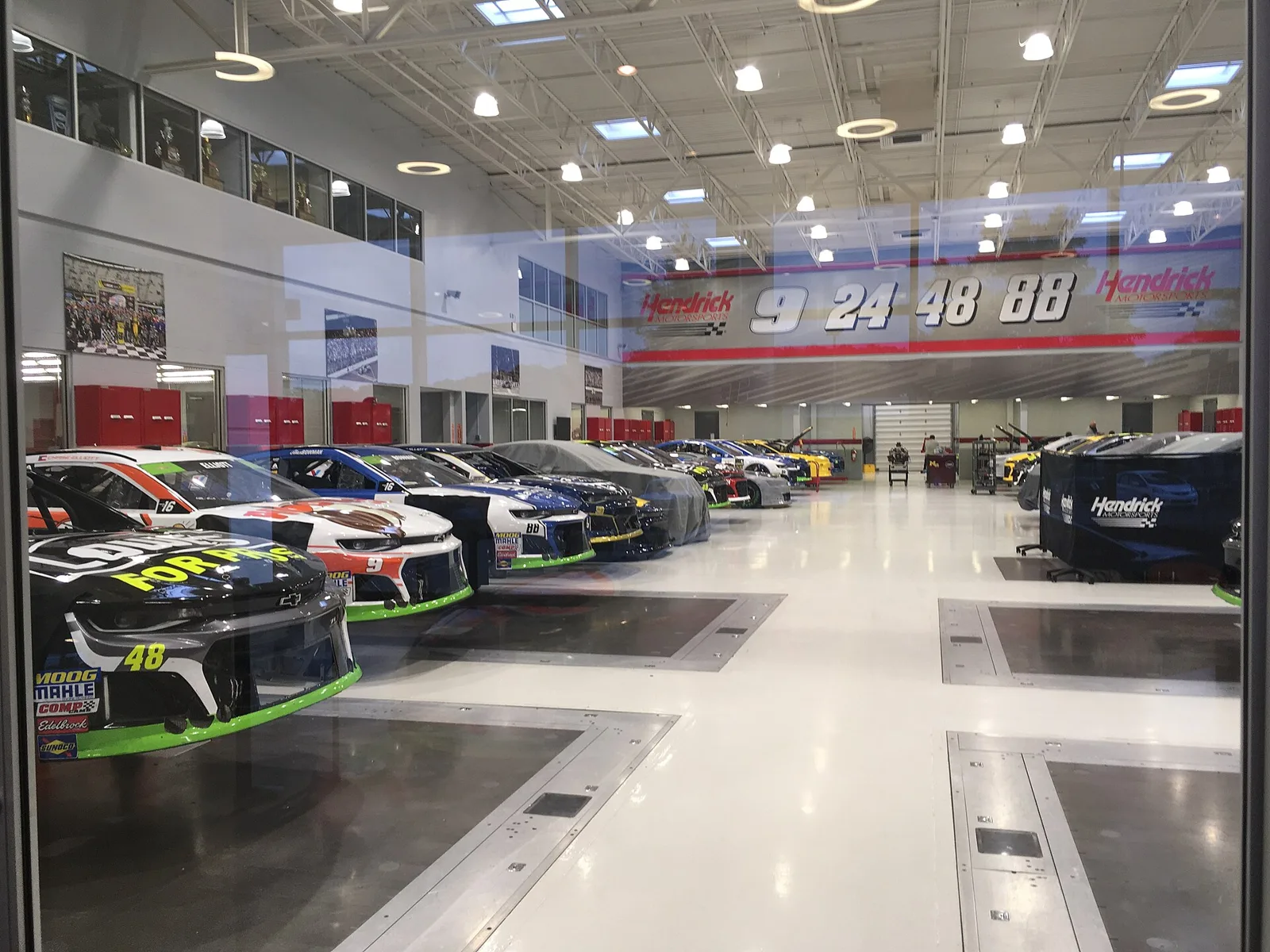
The move also meant leaving the No. 8 behind. Negotiations over the number broke down, and Earnhardt blamed his stepmother for the outcome. He drove the No. 88 for Hendrick instead, with Tony Eury Jr. coming along as his crew chief. Earnhardt later described the team as almost a second family, because of the friendship between Rick Hendrick and his father.
How did his Hendrick years go?
He began at Hendrick by winning the 2008 Budweiser Shootout, a non-points exhibition. Five days later he won the first Gatorade Duel, his third career Duel victory. His Hendrick career had strong moments but was never fully consistent, and he finished 2008 12th in points. In 2009 he went winless and ended the year 25th, his lowest finish in the standings.
Results were uneven, but his 2012 Michigan win ended a 143-race winless streak. The 2012 season also brought a concussion that ended a run of 461 consecutive starts. He returned later that year and finished the season 12th in points.
What was his best season?
His best year came in 2014, when he won four races and finished eighth in the standings. He took his second Daytona 500 that season, leading 54 of the final 70 laps and holding off Denny Hamlin and Brad Keselowski. He also won at Pocono and at Martinsville, his first win at that track.
That season produced twelve top-fives and twenty top-tens, with an average finish of 12.2. Crew chief Steve Letarte left at the end of 2014 to join NASCAR on NBC, and Greg Ives replaced him for 2015.
What does his season-by-season record show?
| Season | Team | Highlights |
|---|---|---|
| 2000 | Dale Earnhardt Inc. | Two wins; first rookie to win The Winston |
| 2003 | Dale Earnhardt Inc. | Third in points; 13 top-fives and 21 top-tens |
| 2004 | Dale Earnhardt Inc. | Daytona 500 win; six wins and fifth in the Chase |
| 2008 | Hendrick Motorsports | Budweiser Shootout win; 12th in points |
| 2012 | Hendrick Motorsports | Michigan win ending a 143-race winless streak |
| 2014 | Hendrick Motorsports | Four wins; eighth in points; average finish 12.2 |
| 2015 | Hendrick Motorsports | Talladega and Daytona wins; 8,051 career laps led |
| 2017 | Hendrick Motorsports | Final full-time season; 21st in points |
How did his full-time career end?
Concussion-like symptoms in July 2016 ended his season early, and Alex Bowman and Jeff Gordon took turns in the car. He was medically cleared to return for 2017, but he announced on 25 April 2017 that the year would be his last as a full-time driver. He failed to make the Playoffs and finished 21st in points.
The 2017 Daytona 500 started from second on the grid for him, but a mid-race wreck came while he was leading and he finished 37th. At Talladega, a restrictor-plate race, he started from the pole and kept clear of the major late-race incidents to finish seventh.
His final career race came in 25th place. Across his last full-time year he posted a single top-five, eight top-ten finishes, a pair of poles and seven retirements. Even so, he took his fifteenth consecutive Most Popular Driver award that year, a run that stands among the longest in the sport.
What has he done since leaving full-time racing?
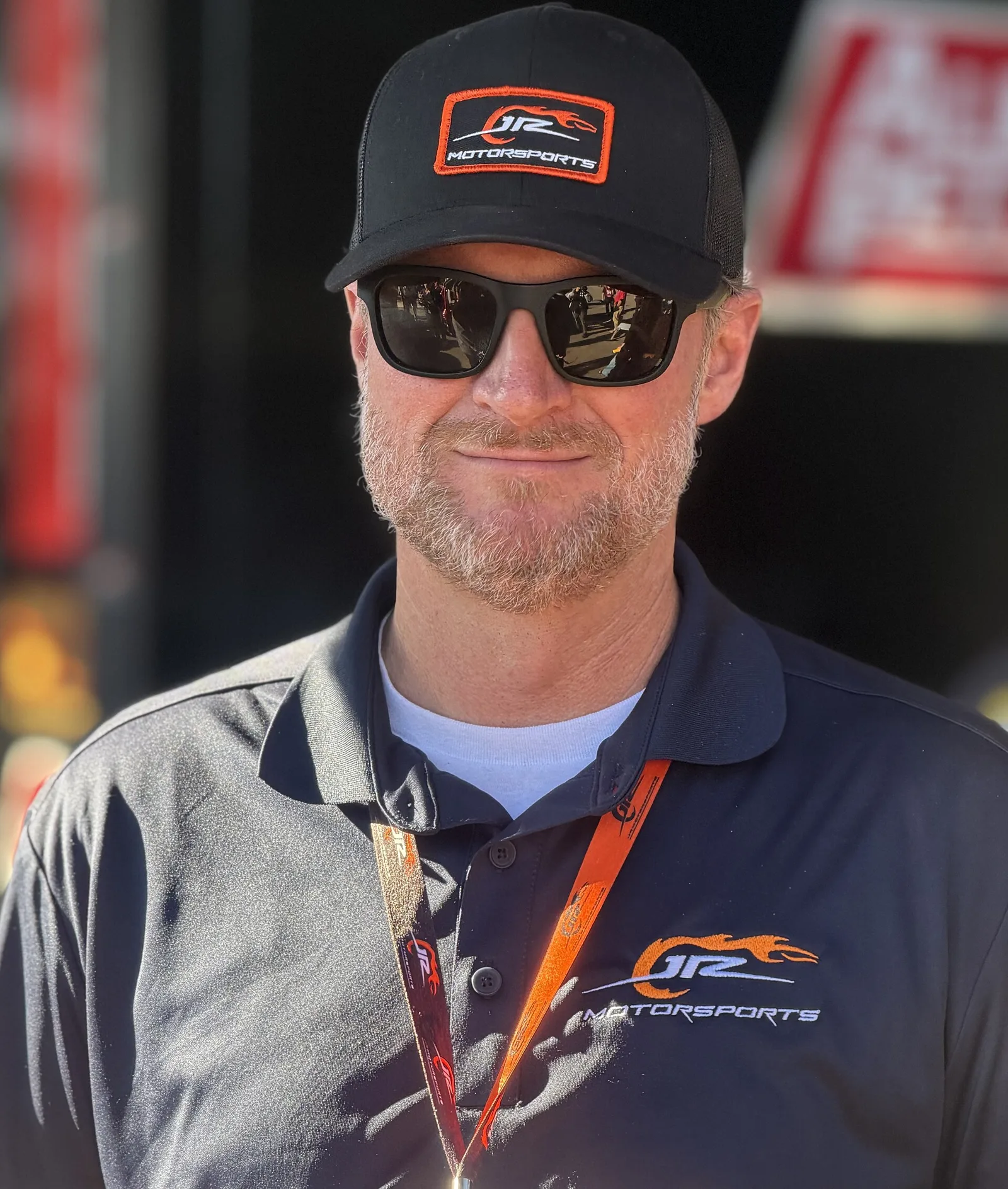
Earnhardt Jr. has raced sporadically in the Xfinity Series for JR Motorsports since 2018. He finished fifth in the 2019 Darlington race in a car painted after his father's 1975 Cup car, and he has taken part in Xfinity events at Richmond, Martinsville, Bristol and Homestead. He also drove a late model car in select races from 2024.
His 2018 outing at Richmond stood out. He qualified second, led 96 of the 250 laps and finished fourth after a late restart.
In June 2025 he was interim crew chief for Connor Zilisch at Pocono Raceway, after the regular crew chief was suspended for a race. Zilisch won that race, giving Earnhardt Jr. his first win as a crew chief.
How has he worked in broadcasting and business?
He joined the NASCAR on NBC team as a colour commentator in 2018, after appearing as a guest analyst in 2016. After his NBC deal ended following 2023, he joined Amazon Prime Video and TNT Sports for their NASCAR coverage from 2025.
Outside broadcasting he runs Hammerhead Entertainment, a production company that made the Back in the Day series. He also joined iRacing as an executive director in late 2020. Earlier, in January 2023, a consortium including his company bought the CARS Tour, a late model series.