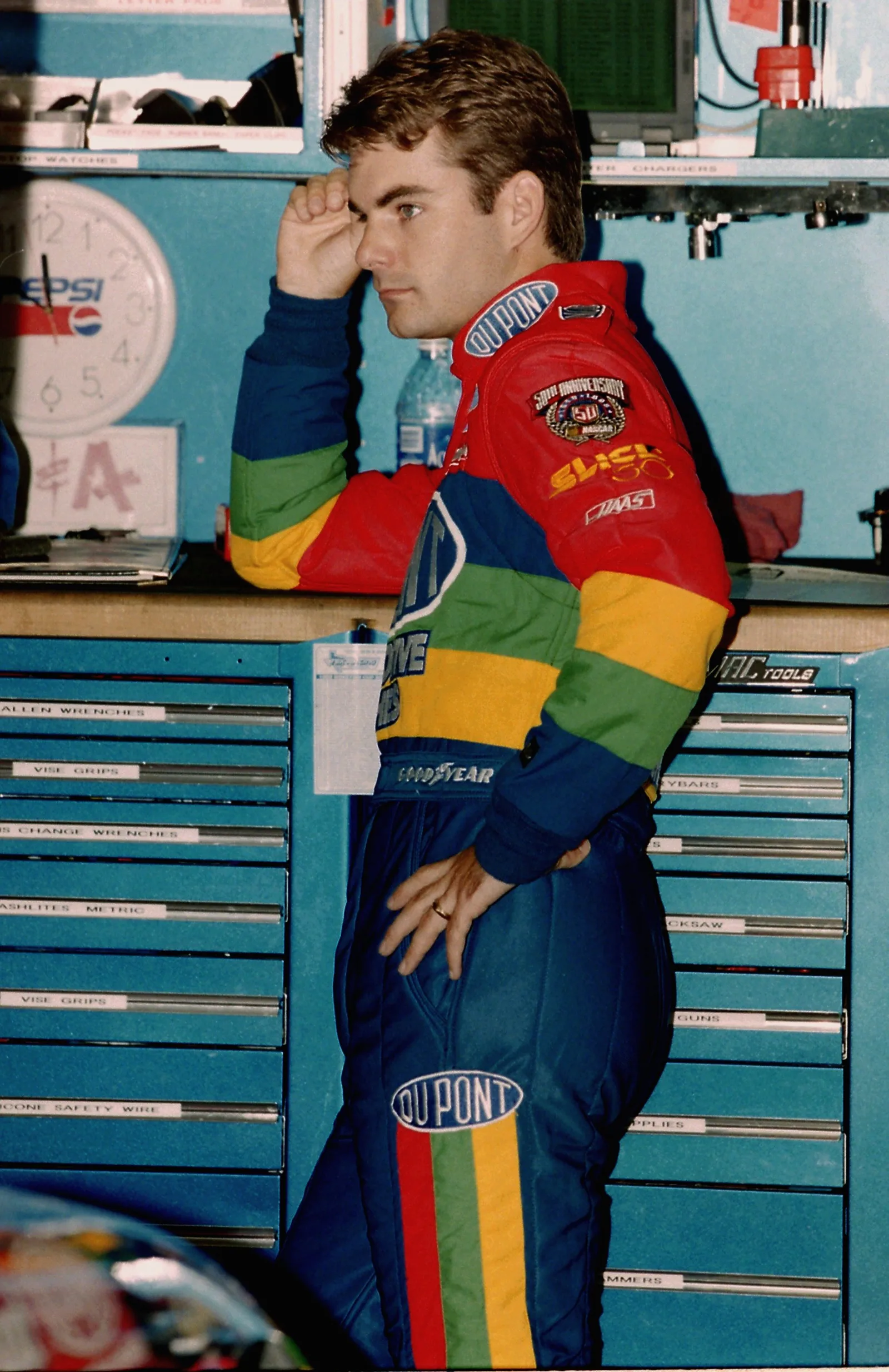
Jeff Gordon won his third title with 13 wins and a record 5,328 points, while Dale Earnhardt finally claimed the Daytona 500 in his 20th start.
The 1998 NASCAR Winston Cup Series ended with Jeff Gordon winning his third Driver's Championship. He had 13 wins and a record 5,328 points, and the season was run over 33 races plus three exhibitions.
Jeff Gordon won his third Winston Cup title in 1998, his second in a row, with 13 wins and a record 5,328 points. The season ran 33 races plus three exhibitions, and it was the 50th year of professional stock car racing in the United States.
Dale Earnhardt finally won the Daytona 500 in his 20th start, and the season also produced a Charlotte race halted by a broken sewer main and a Phoenix race cut short by rain.
When did the 1998 season run?
The 1998 season opened with the Daytona 500 on 15 February and closed with the NAPA 500 at Hampton, Georgia, on 8 November. It featured 33 points races and three exhibition events, and the finale was ended early by rain and darkness.
The calendar opened with the Bud Shootout on 8 February, won by Rusty Wallace after Mark Martin drew the pole. In the Gatorade Twin 125s on 12 February, Sterling Marlin won Race 1, and Ken Schrader broke his sternum in a crash with Johnny Benson before racing the 500 in a bull rider's vest.
Thirteen wins, 5,328 points and a Daytona 500 that Dale Earnhardt had chased for 20 starts.
Who won the 1998 championship?
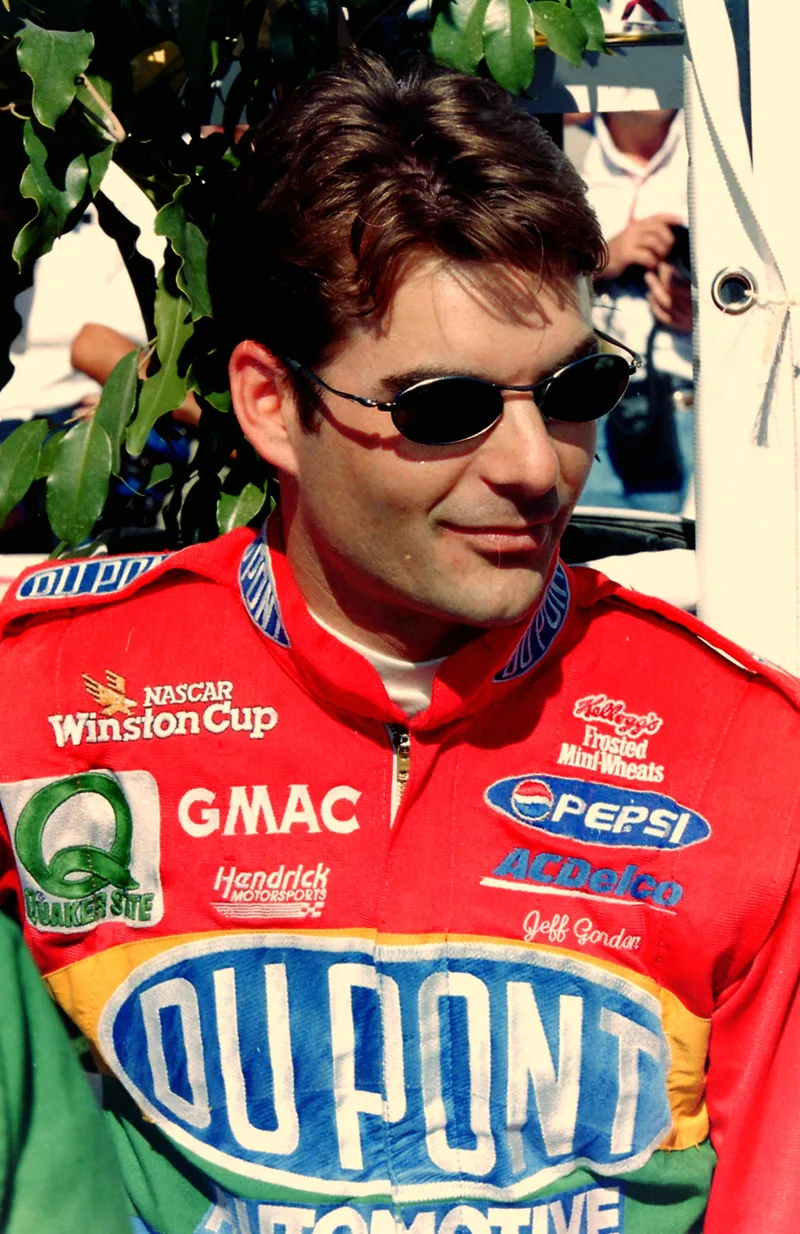
Jeff Gordon of Hendrick Motorsports won his third Driver's Championship, his third in four seasons, with 13 wins and 5,328 points. He clinched at Rockingham on 1 November, when two cars were listed as out of the race.
Gordon's 13 wins tied a modern-era record for a single season that Richard Petty set in 1975. Gordon also posted a record 20 consecutive top-ten finishes, and his 17 straight top-five finishes, which ended at Phoenix, stood as a NASCAR record.
The points total was the most ever scored in the history of the Bob Latford Winston Cup points system, and Gordon earned it across 33 races. Chevrolet's win at the NAPA 500 also secured the 1998 manufacturers' championship.
How did Dale Earnhardt finally win the Daytona 500?
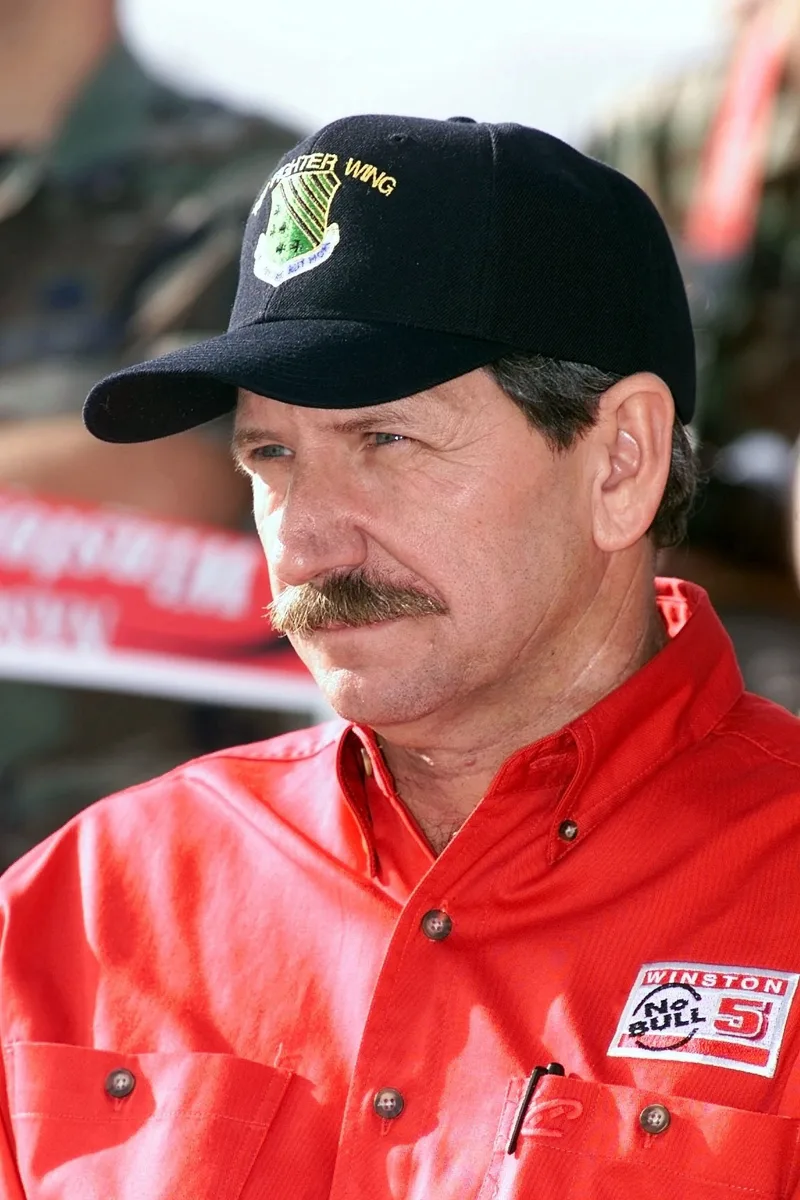
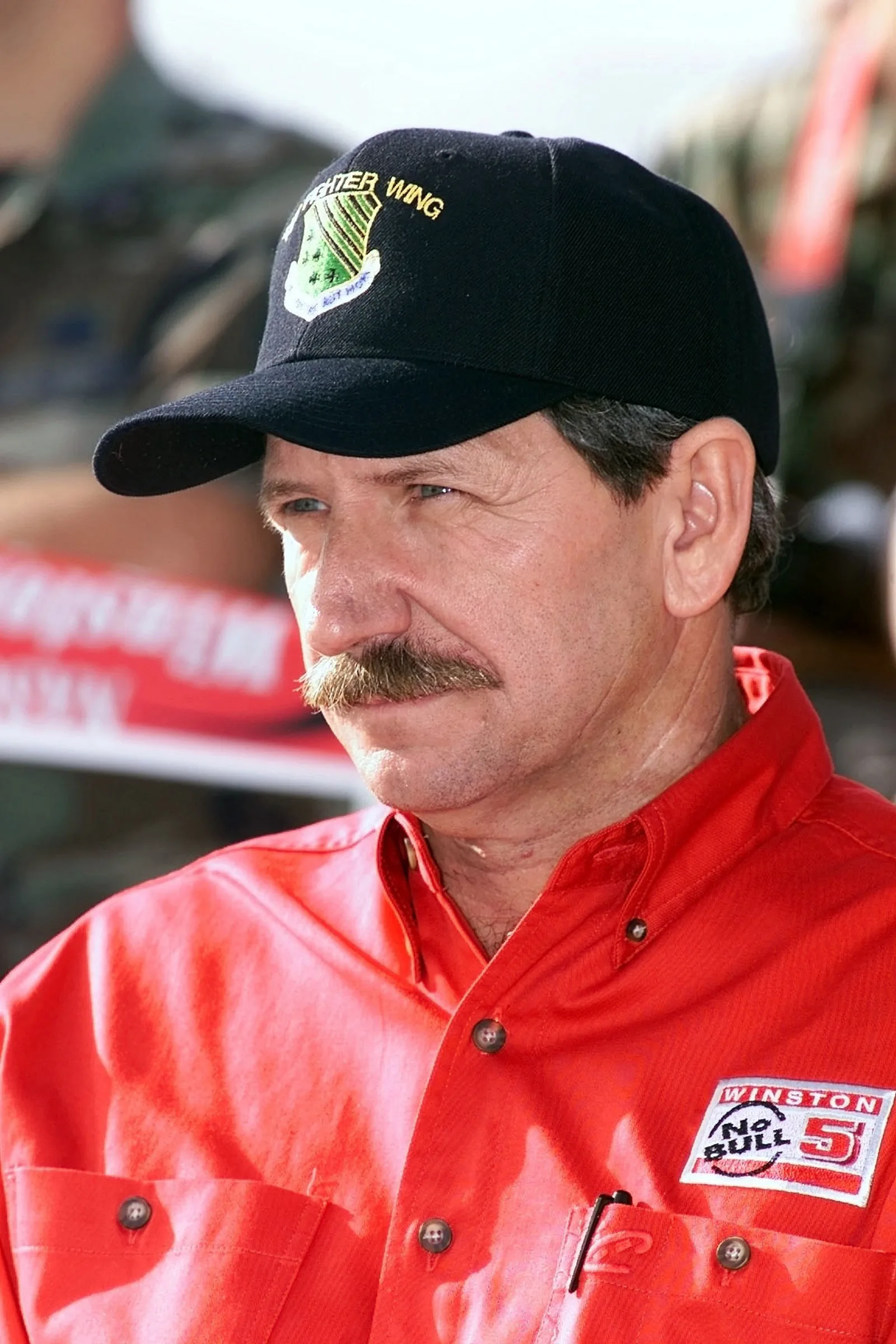
Earnhardt won the 40th Daytona 500 on 15 February in his 20th start, snapping a 59-race winless streak that dated to the spring of 1996. He dedicated the win to Neil Bonnett, who died in a practice crash before the 1994 race.
The finish came under the caution flag, and the broadcast marked the moment as a long-awaited victory. It was the first time since 1996 that Earnhardt left an event as the points leader, and the last time in his career.
The Labonte brothers had shared the front row for the race, with Bobby Labonte on the pole and Terry Labonte second on the grid.
What happened in the DieHard 500 at Talladega?
The DieHard 500 on 26 April at Talladega was marked by The Big One on lap 141, which collected Dale Earnhardt, Bill Elliott and 18 others. Earnhardt was unable to keep driving because of burns, and Kyle Petty drove his car for a few laps to gain track position before parking it.
Bobby Labonte won the race from the pole. Matt Kenseth's No. 60 Ford was a sixth Roush Racing entry, and it failed to qualify, the only Cup DNQ of his career.
Which races defined the 1998 season?
Several races defined the year, from Earnhardt's Daytona 500 and Gordon's Coca-Cola 600 early on to his Brickyard 400 and Southern 500 later. The table lists nine key winners across the calendar.
| Race | Date | Track | Winner |
|---|---|---|---|
| Daytona 500 | 15 February | Daytona International Speedway | Dale Earnhardt |
| Las Vegas 400 | 1 March | Las Vegas Motor Speedway | Mark Martin |
| TranSouth Financial 400 | 22 March | Darlington Raceway | Dale Jarrett |
| DieHard 500 | 26 April | Talladega Superspeedway | Bobby Labonte |
| Coca-Cola 600 | 24 May | Charlotte Motor Speedway | Jeff Gordon |
| Brickyard 400 | 1 August | Indianapolis Motor Speedway | Jeff Gordon |
| Pepsi Southern 500 | 6 September | Darlington Raceway | Jeff Gordon |
| Pepsi 400 | 17 October | Daytona International Speedway | Jeff Gordon |
| NAPA 500 | 8 November | Atlanta Motor Speedway | Jeff Gordon |
Gordon's Southern 500 win on 6 September was his fourth consecutive victory in that race, a feat no other driver had achieved in NASCAR history. His Brickyard 400 win on 1 August made him the first driver to win the Indianapolis race twice, and it also earned him a No Bull 5 bonus.
How did Gordon's autumn wins build his total?
Gordon won the Southern 500 as his 10th win of the year, the Daytona race under the lights as his 11th, the AC Delco 400 at Rockingham as his 12th, and the NAPA 500 at Atlanta as his 13th. Each win added to a record season.
The Southern 500 was also his seventh win in the last nine races. The Pepsi 400 at Daytona had been postponed from 4 July by wildfires, and it became the first NASCAR race at Daytona run under the lights.
The NAPA 500 was called at 221 of its 325 scheduled laps, after two rain red flags and a finish near midnight. Gordon's 13th win there confirmed a championship already clinched and secured the manufacturers' title for Chevrolet.
What was Tiregate?
Tiregate began at New Hampshire on 30 August, when Gordon won the Farm Aid on CMT 300 after two-tyre final pit stops. Team owner Jack Roush accused Gordon's team of cheating by applying chemical solvents to the tyres, and NASCAR investigated by sealing off the pit stall and confiscating several sets of tyres for testing.
Gordon and his team were later cleared of any wrongdoing before the Exide NASCAR Select Batteries 400 at Richmond, which was won by Jeff Burton in a side-by-side finish with Gordon.
What happened at Richmond in June?
Terry Labonte won the Pontiac Excitement 400 at Richmond on 6 June, while Jeff Gordon crashed out of the lead on lap 370 after contact with Rusty Wallace, finishing 37th. It was Gordon's second DNF of 1998, and his last finish outside the top ten that season.
The race was also the first in which NASCAR chose to red flag with fewer than 10 laps to go to ensure a green-flag finish. That allowed one final restart, but the race still ended under caution.
It was also Earnhardt's final race with crew chief Larry McReynolds, after 45 races together and one win. Richard Childress swapped McReynolds with Mike Skinner's crew chief, Kevin Hamlin, and both drivers ran better after the change.
How did Mark Martin's season go?
Mark Martin won several races in 1998, including the Las Vegas 400, the Miller Lite 400 at Michigan and the UAW-GM Quality 500 at Charlotte, but he finished second in points for the third time in his career. He tied James Hylton for the most runner-up points finishes by a driver who never won a championship.
At The Glen, Martin finished second, his fourth consecutive runner-up finish, with Gordon ahead of him in three of those races. That race was held the day after his father, stepmother and half-sister were killed in a plane crash in Nevada.
At Bristol on 22 August, Martin won and prevented Gordon from scoring a fifth straight victory, a feat that had never been done in NASCAR's modern era.
What happened at Las Vegas and Atlanta in the spring?
Mark Martin won the inaugural Las Vegas 400 on 1 March, the first Cup victory for the Ford Taurus. Nine of the top 10 finishers drove Fords, Jeff Burton finished second, and all five Roush Racing cars finished in the top ten.
The Primestar 500 at Atlanta, scheduled for 8 March, was run on 9 March after rain. John Andretti started from the pole, but Bobby Labonte won the race, with Dale Jarrett second.
Steve Park's broken leg meant Phil Parsons and then Darrell Waltrip temporarily replaced him in the No. 1. When Sterling Marlin unexpectedly failed to qualify, Coors Light decals were placed on the No. 91 of Kevin Lepage for the race.
What happened to Steve Park and Greg Sacks?
Steve Park broke his leg in a practice crash at Atlanta before the Primestar 500 and missed most of the season. He returned for the first time at the Brickyard 400 in August, after his crash in March had kept him out of the car.
Greg Sacks suffered near-fatal head injuries in a lap 137 crash at Texas on 5 April. He was forced to sit out the rest of the season, and Rich Bickle drove his No. 98 for the rest of the year.
Mike Skinner was also hurt in a hard crash into the wall at Texas, on lap 252, and he sat out the next three races. Morgan Shepherd drove his No. 31 at Martinsville and Talladega, and Mike Dillon drove the car at California.
Who was fired and who replaced him in midsummer?
Jerry Nadeau was fired from the No. 13 Ford after the Loudon race in July and immediately signed with Melling Racing to replace Lake Speed in the No. 9 Ford. Nadeau finished 26th at Pocono, two laps down.
Speed's rib and sternum injuries came from a practice crash at Sears Point, and they led to his retirement after his final career start at Loudon. At Pocono, Elliott-Marino Racing used Wally Dallenbach Jr. in the No. 13 on an interim basis, and Morgan Shepherd drove the No. 91 LJ Racing Chevrolet, qualifying a strong seventh before colliding with the wall on lap 71.
Who won Rookie of the Year in 1998?
Kenny Irwin Jr. won Rookie of the Year after qualifying for 32 of the 33 races, with four top-ten finishes and a pole in his Robert Yates Racing Ford. Kevin Lepage finished second despite missing six races with an underfunded team.
Irwin won his first career pole at the NAPA 500 at Hampton. Jerry Nadeau finished third in the rookie standings after switching teams, starting the year at Bill Elliott Racing and ending it at Melling Racing.
What did the 1998 season leave behind?
The season ended with Gordon's third title and Chevrolet's manufacturers' championship. Earnhardt's first Daytona 500, Martin's runner-up finish and Irwin's rookie title were other lasting stories.
Gordon's 13 wins and record points total were the defining numbers of the season.