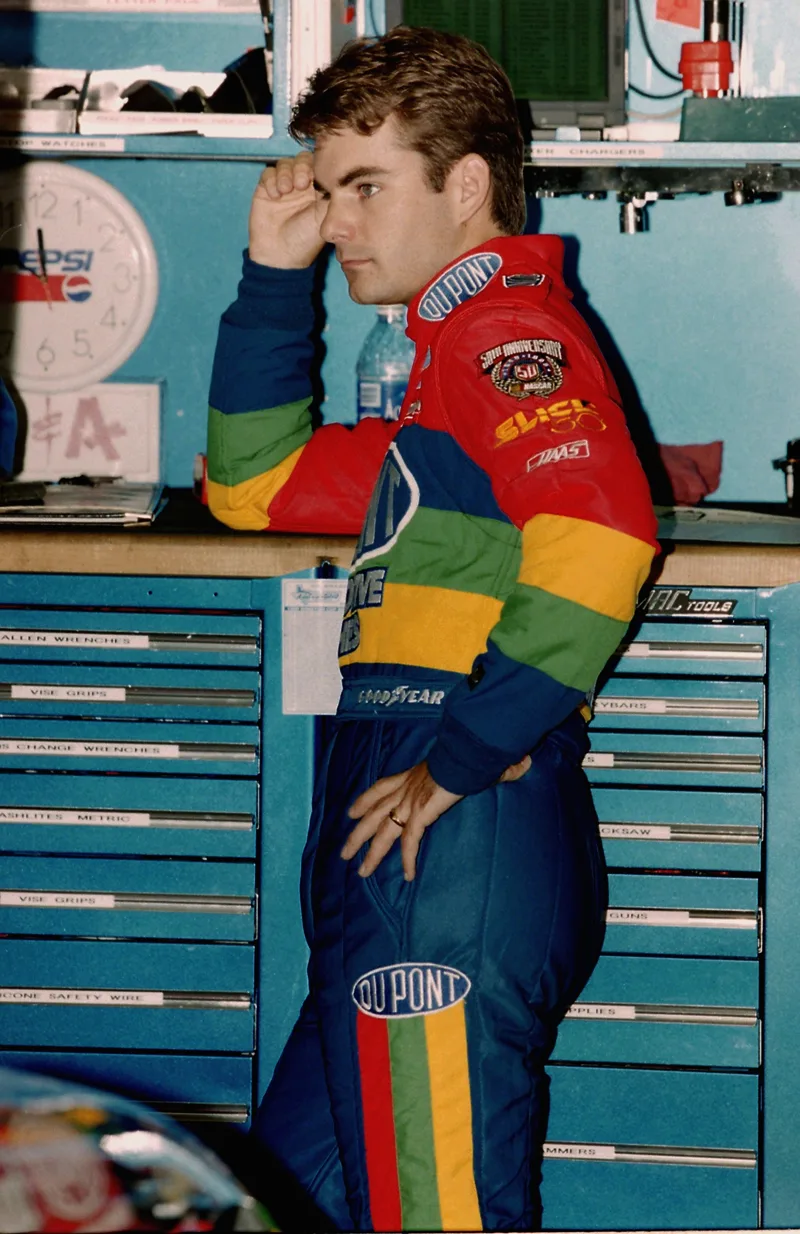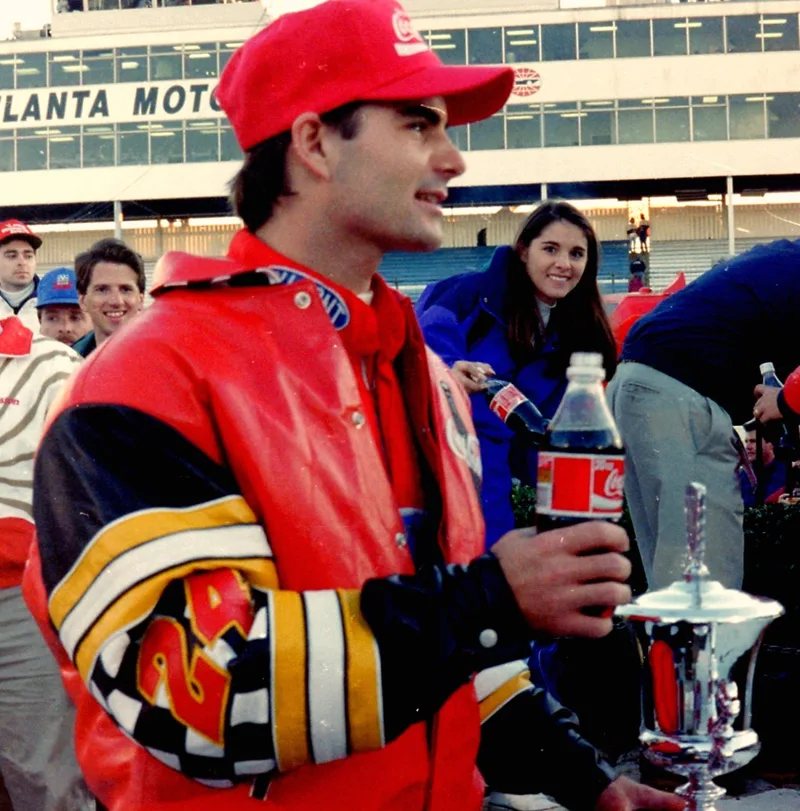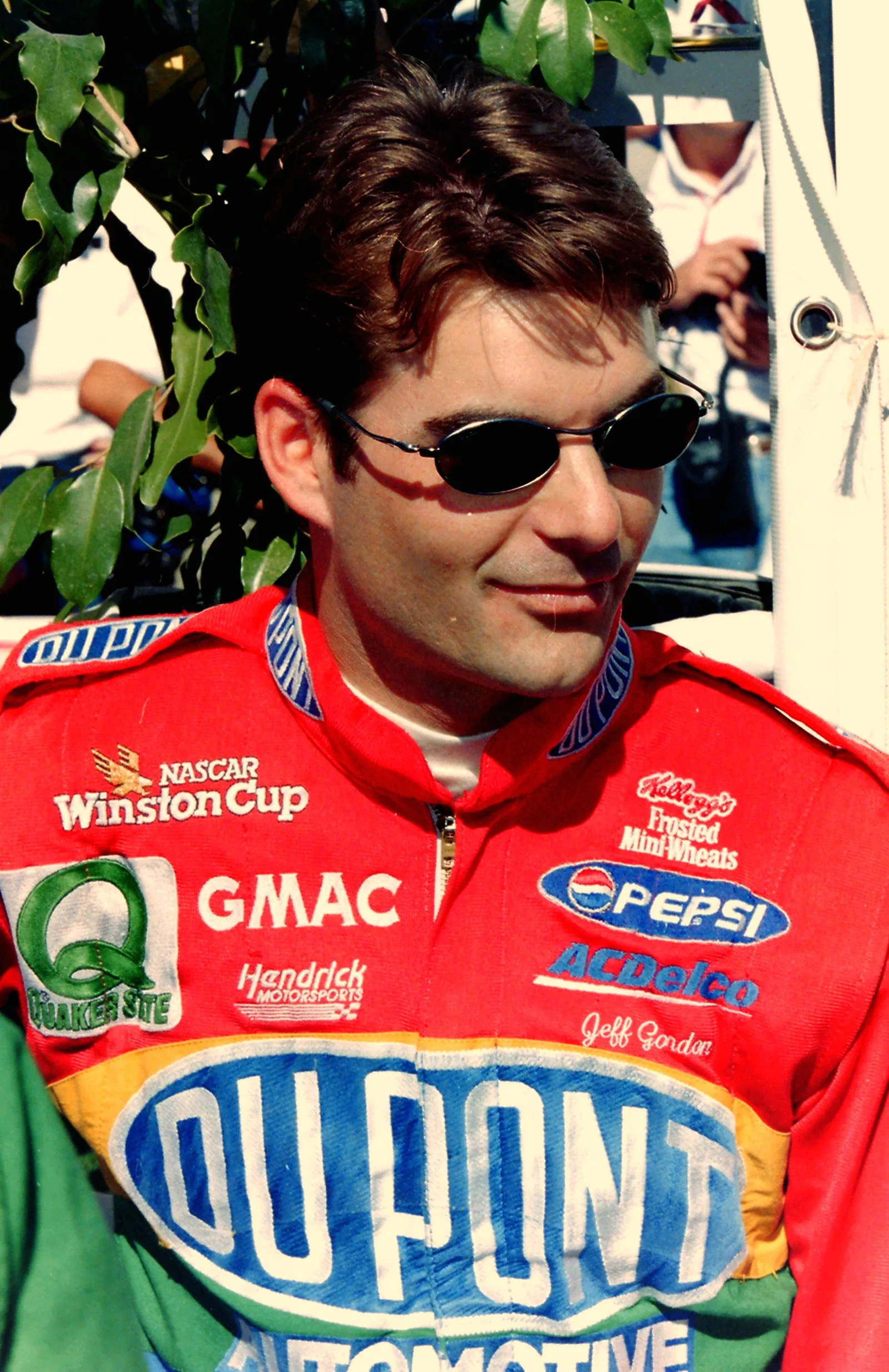
Jeff Gordon won his second championship in the closest three-way points finish under the 1975 system, after finishing 17th in the season finale.
The 1997 NASCAR Winston Cup Series ended with Jeff Gordon taking his second championship. He finished 14 points ahead of Dale Jarrett and 29 ahead of Mark Martin, after a 17th-place finish in the NAPA 500 at Atlanta.
Jeff Gordon won his second Winston Cup title in 1997, finishing 14 points ahead of Dale Jarrett in the closest three-way finish under the 1975 system. The year also brought him 10 wins and a Winston Million victory at Darlington, a bonus that only Bill Elliott had won before him.
The title was not settled until the final race at Atlanta, where Gordon needed a finish of 18th or better to clinch.
When did the 1997 season run?
The 1997 season ran from 9 February, with the Busch Clash at Daytona, to 16 November at Atlanta Motor Speedway, where the NAPA 500 closed the year. It was the 49th season of pro stock car racing in the United States and the 26th modern-era Cup season.
The schedule mixed established tracks with new venues. Texas Motor Speedway hosted its first NASCAR race in April, and the Atlanta track hosted its last race on the old configuration in March before a reconfiguration.
A 14-point title, a 17th-place finish and the closest three-way points race under the 1975 system.
Who won the 1997 championship?
Jeff Gordon of Hendrick Motorsports won his second Cup championship, finishing 14 points ahead of Dale Jarrett and 29 points ahead of Mark Martin. It was the closest three-way points finish under the Bob Latford 1975 points system.
Gordon entered the NAPA 500 77 points ahead of Jarrett and 88 points ahead of Martin, and he needed to finish 18th or better to clinch. A practice crash at Atlanta forced him into a backup car, which he qualified all the way back in 37th. He finished 17th, which was enough to hold on.
Gordon's season included 10 wins. He became the first driver since Darrell Waltrip in 1981 and 1982 to score at least 10 victories in back-to-back seasons.
At Darlington on 31 August, Gordon won the Mountain Dew Southern 500 and became the second driver, after Bill Elliott, to claim the Winston Million. Both winners did so in the program's first running in 1985 and its last in 1997.
Did the 1997 Daytona 500 end under caution?
Yes. Gordon won the 39th Daytona 500 on 16 February, but the race ended under caution after a big crash with five laps to go. Hendrick Motorsports finished 1-2-3, with Gordon winning, Terry Labonte second and Ricky Craven third.
At 25 years old, Gordon became the youngest Daytona 500 winner, a record that stood until Trevor Bayne won in 2011. Mike Skinner had won the pole for the race, and several cars were involved in the closing crash.
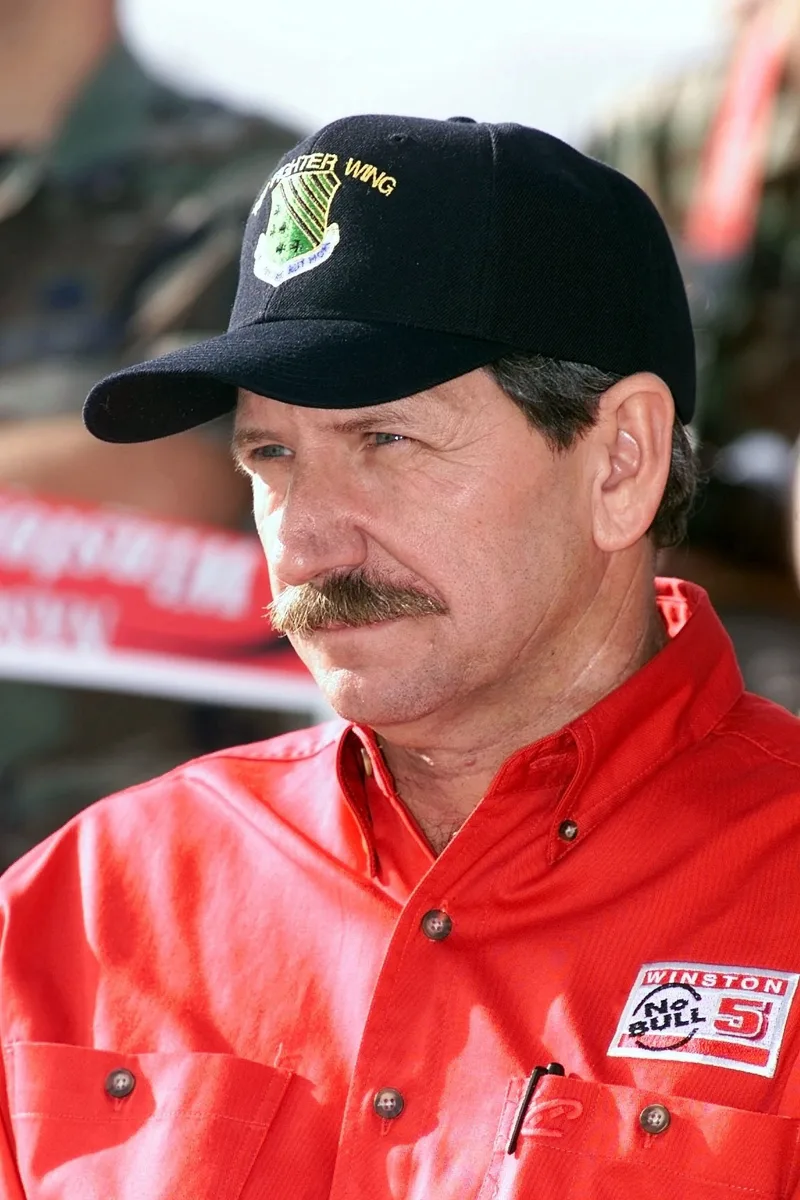
Earnhardt's day was dramatic. With 12 laps to go he rolled his No. 3 Chevrolet in a crash with Ernie Irvan, whose hood flew into the backstretch grandstand and injured some fans. Earnhardt drove the car back to pit road after the crew repaired it, and he finished 31st, five laps down.
What made the Talladega Winston 500 unusual?
The Winston 500 at Talladega was run caution-free, the first time that had happened at the track. It was also the fastest 500-mile race in NASCAR history, averaging 303.126 km/h (188.354 mph). The race had been postponed from 27 April by rain and was run on Mother's Day weekend, 10 May.
Mark Martin won the race, his second straight victory after the Save Mart Supermarkets 300 at Sears Point on 4 May. That Sears Point win had ended a 42-race winless streak, and the Talladega win was the final time in his career that Martin won back-to-back races.
Which races defined the 1997 season?
Several races stood out, from Gordon's Daytona 500 and Talladega's caution-free classic to Jeff Burton's first win at Texas and the late-season run of Mark Martin. The table lists nine key winners across the calendar.
| Race | Date | Track | Winner |
|---|---|---|---|
| Daytona 500 | 16 February | Daytona International Speedway | Jeff Gordon |
| Goodwrench Service 400 | 23 February | North Carolina Speedway | Jeff Gordon |
| Interstate Batteries 500 | 6 April | Texas Motor Speedway | Jeff Burton |
| Goody's Headache Powder 500 | 20 April | Martinsville Speedway | Jeff Gordon |
| Winston 500 | 10 May | Talladega Superspeedway | Mark Martin |
| Miller 400 | 15 June | Michigan International Speedway | Ernie Irvan |
| Bud at The Glen | 10 August | Watkins Glen International | Jeff Gordon |
| Hanes 500 | 29 September | Martinsville Speedway | Jeff Burton |
| NAPA 500 | 16 November | Atlanta Motor Speedway | Bobby Labonte |
Terry Labonte finished second at Daytona and Ricky Craven third, but the season's biggest headline was the sheer number of Gordon wins. Gordon also took the Pocono 500 and the California 500, and he won the CMT 300 at New Hampshire, the first September race held at that track.
What happened at Atlanta and Texas in the spring?
Atlanta's Primestar 500 on 9 March was the final race on the old 1.522-mile layout, and it was red-flagged after a crash that started a fire. Dale Jarrett won the race, and renovations were already under way to turn the track into a 1.54-mile quad-oval.
Steve Grissom spun to dodge another wreck, then struck the inside wall hard enough to break it and tear the fuel cell free. The spilled fuel later ignited, causing a significant fire, but Grissom was not seriously hurt.
The Interstate Batteries 500 on 6 April was the first NASCAR race in the state since 1981, and it marked the debut of the new track. Jeff Burton won it for his first career Winston Cup victory, after a race that featured 15 cars in an opening-lap crash in turns one and two.
A further crash later in the Texas race, an eight-car pile-up on lap 162, began when Mike Skinner, Brett Bodine and Sterling Marlin spun into the infield. Ernie Irvan then rear-ended Greg Sacks at more than 140 mph, and Ricky Craven, who had been injured in a practice crash, was forced to sit out the race.
How did Bristol and Martinsville go in 1997?
Gordon won at Bristol on 13 April when he bumped Rusty Wallace out of the way on the last lap in turn four. He also won at Martinsville on 20 April, leading 431 of the 500 laps, the most he had led in a single race in his career.
The Bristol race was a caution-fest, with 20 cautions for 132 laps, which tied the record for most cautions in a race at the track. Wallace barely held off Terry Labonte for second place at the finish.
At Martinsville, Gordon was spun out by Jimmy Spencer at one point but recovered to win. Ricky Craven returned to the No. 25 Chevrolet after missing two races, and he finished 22nd, two laps down.
Who won The Winston and the Coca-Cola 600?
Gordon won both The Winston All-Star race on 17 May and the Coca-Cola 600 on 25 May. The 600 was shortened to 333 laps by a long rain delay and finished after 1:00 am EDT.
The Winston was run in three segments: two 30-lap stages and a 10-lap shootout. Dale Jarrett won the first segment and Bobby Labonte the second, and Gordon started 19th after a problem on his qualifying run.
Geoff Bodine suffered a concussion in a practice crash on the Wednesday before the 600. His younger brother Todd drove the car in the race, and he had made a fast run through the field until the engine blew, leaving him 42nd. The 600 was also the last race worked by flagman Doyle Ford, after 38 years in the role.
How did Gordon's road-course run begin?
Gordon won his first road-course race on 10 August at Watkins Glen, starting a streak of six consecutive road-course wins that lasted until 2000. The Bud at The Glen also saw Steve Park make his Cup debut in the No. 14 Chevrolet for Dale Earnhardt Inc.
Park qualified 12th and finished two laps down in 33rd.
Did Mark Martin win late in the season?
Martin won the MBNA 400 at Dover on 21 September, the first 400-mile race held at the track. Martin led 194 laps and Kyle Petty led 191, and the pair dominated the day.
Martin had also won the DeVilbiss 400 at Michigan on 17 August, although a blown left rear tyre left him two laps down before he took the flag.
What happened to Ernie Irvan in 1997?
Irvan won the Miller 400 at Michigan on 15 June, his 15th and final Winston Cup victory. It came at the same track where he had nearly lost his life three years earlier, and he had tears in his eyes as he drove into victory lane. It was also his last year with Robert Yates Racing.
Irvan had won the pole at the Brickyard 400 on 3 August, and he finished 10th in that race.
Was there a disputed win in 1997?
Yes. Rusty Wallace's win at Richmond on 2 March was suspended after NASCAR found that his engine failed the required 14:1 compression ratio. A second test the following day showed a cooler engine met the requirement, and the victory was certified official.
Only three cars finished on the lead lap at Richmond, and it was the last Winston Cup race at the track scheduled for daytime until 2016. It was also the last Richmond race held in March.
How did the points lead change hands in midsummer?
Gordon lost the points lead at New Hampshire on 13 July, when he finished 23rd two laps down and Terry Labonte, who finished seventh, moved ahead. Gordon took it back a week later at Pocono, finishing second to Dale Jarrett, while Labonte dropped to 35th.
The lead changed hands once more in August. Gordon crashed out of the lead at Bristol on 23 August, and after he won the Mountain Dew Southern 500 at Darlington he retook the points lead for good.
What did the 1997 season leave behind?
The season ended with Gordon's second title. Mike Skinner won Rookie of the Year after running part-time for a decade, finishing with three top-ten finishes, and David Green was the runner-up.
The NAPA 500 finale also produced a record. Geoff Bodine won the pole at 317.810 km/h (197.478 mph), the fastest qualifying lap run outside Daytona and Talladega at the time. Bobby Labonte then won the race on the new 1.54-mile quad-oval, and he became the first driver to win on both configurations of the track.