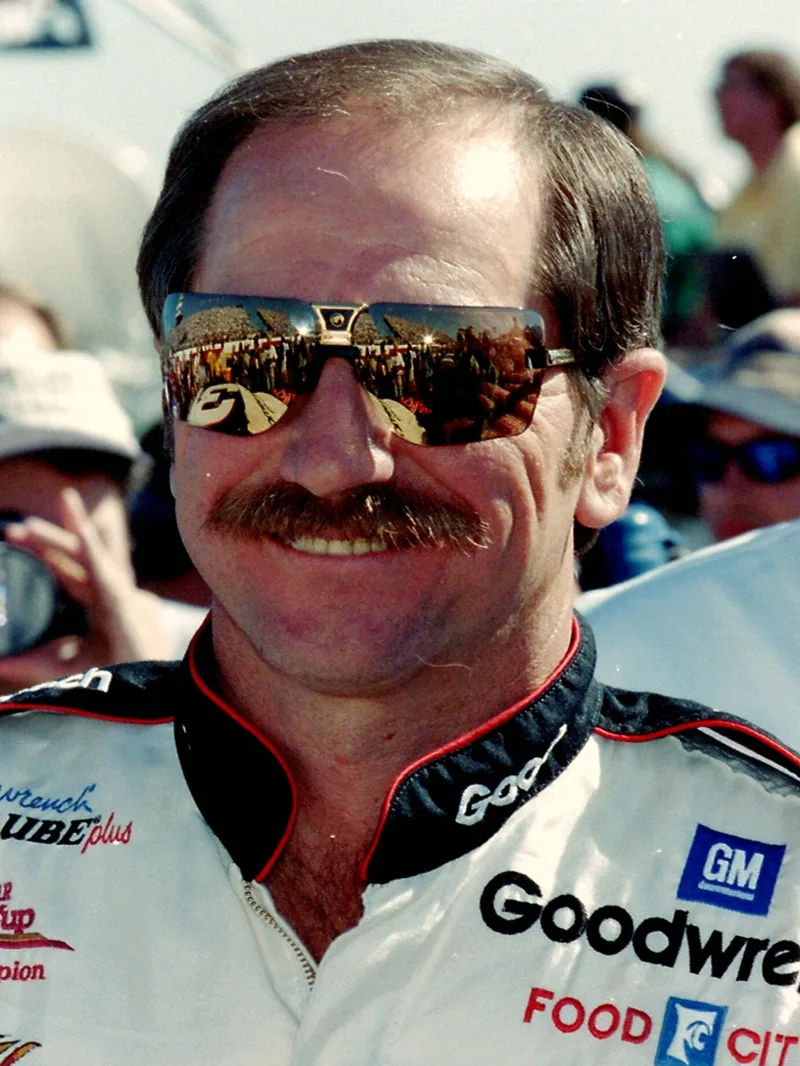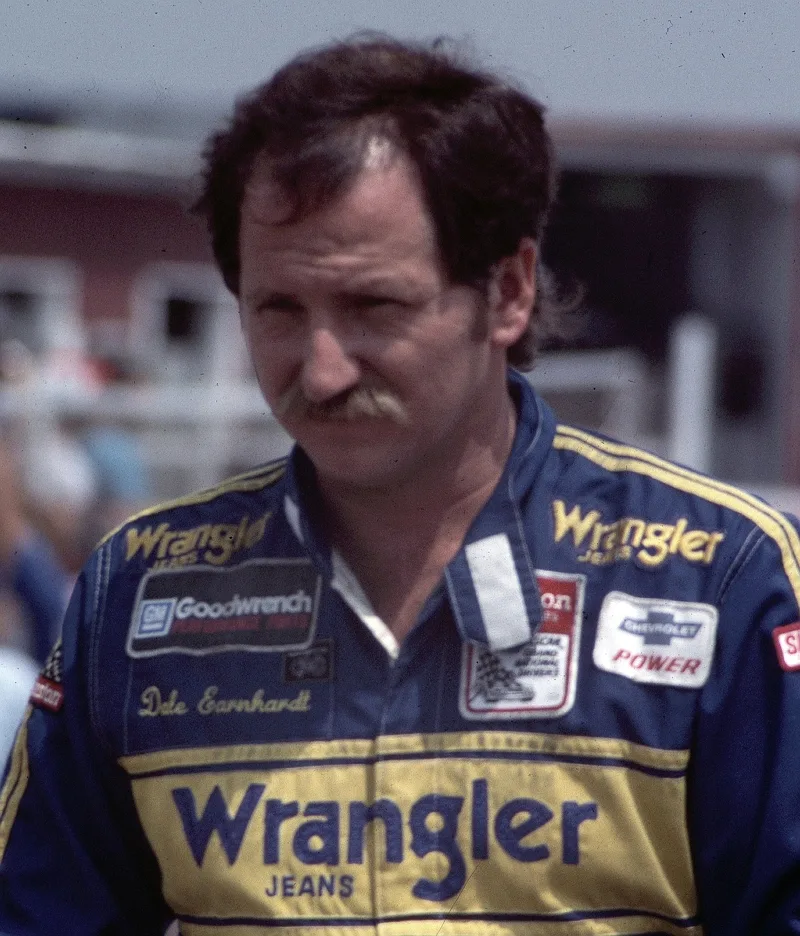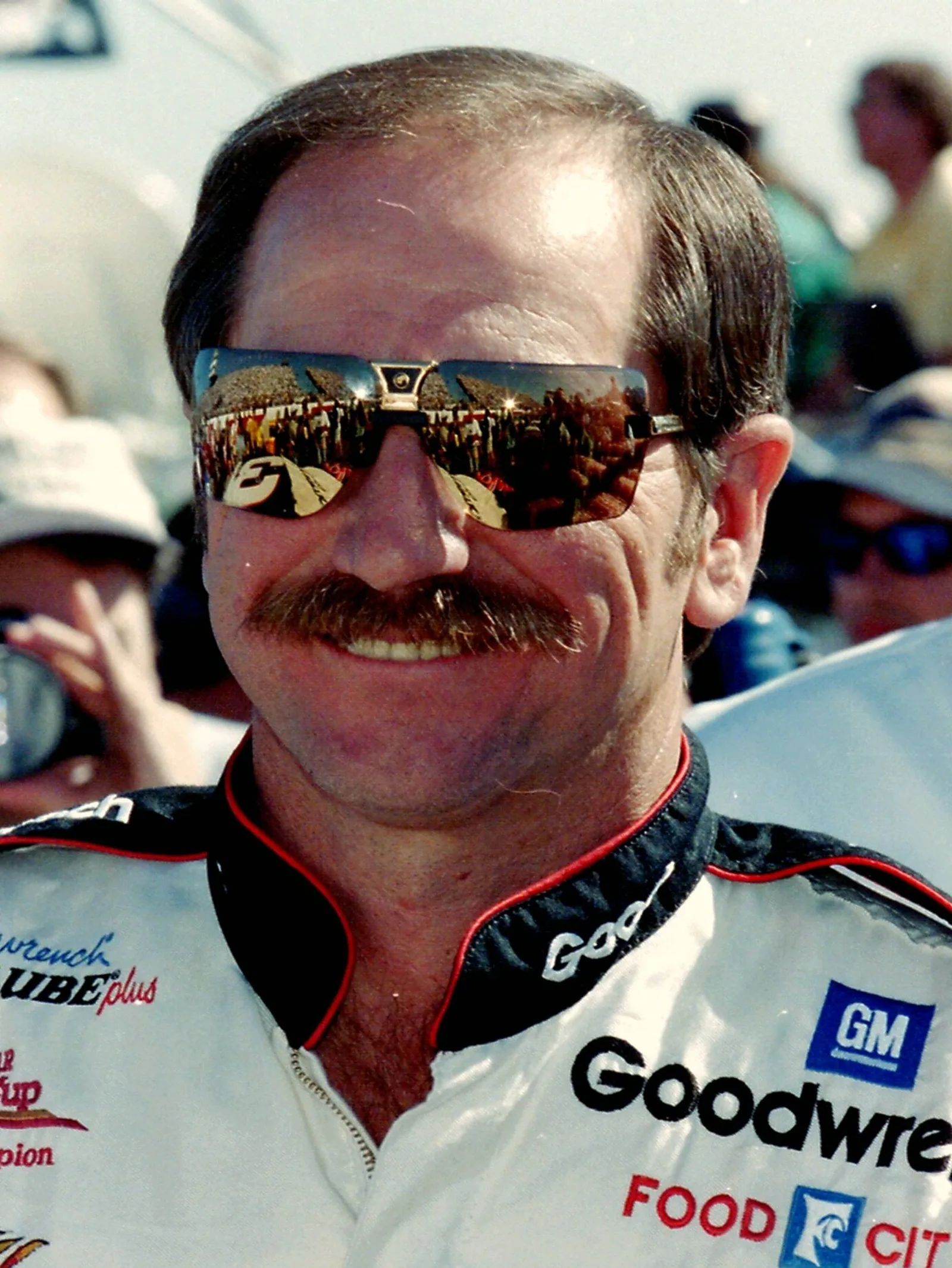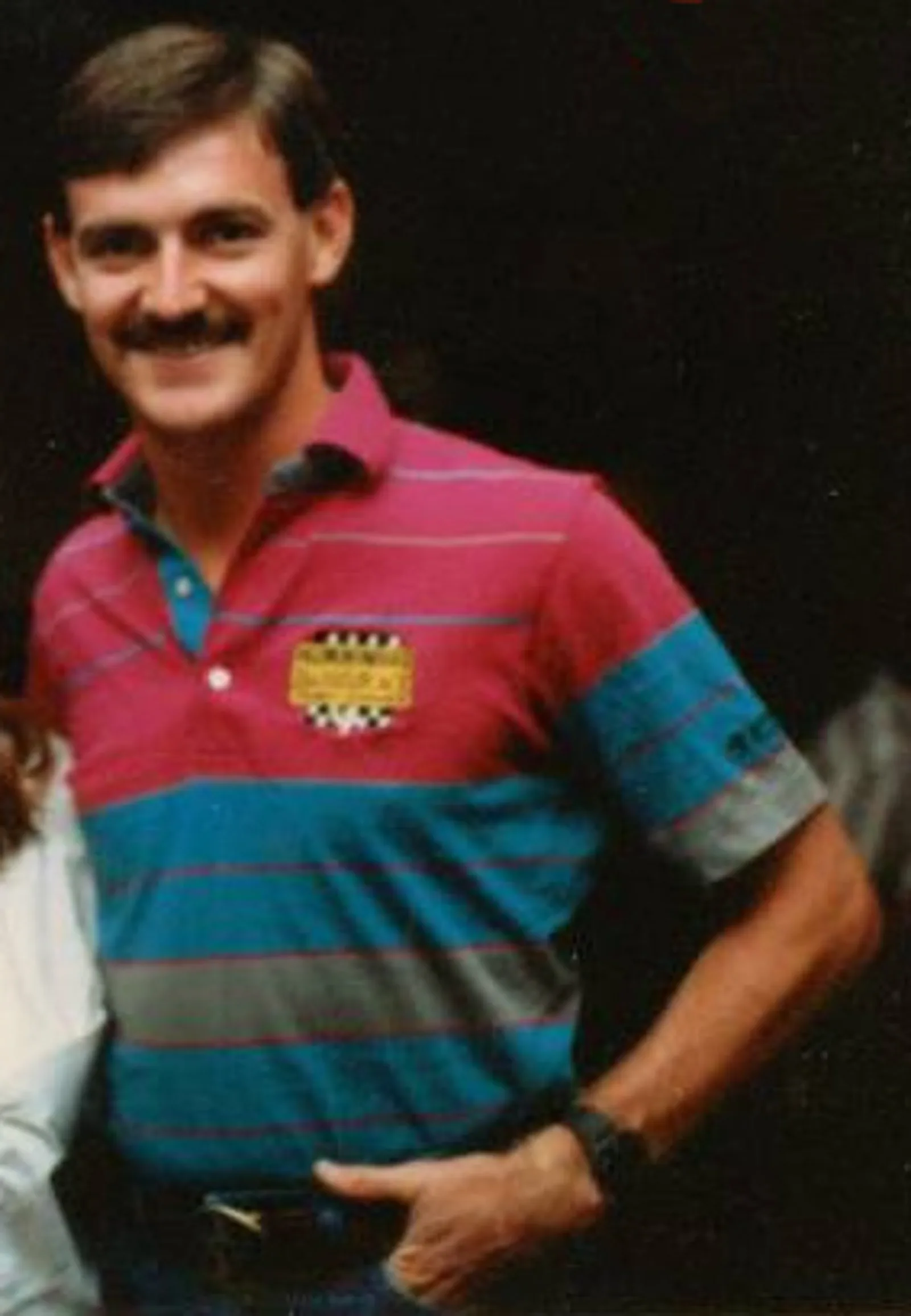
A rookie front-row starter in 1987, a five-win 1991 and a 1992 title push that ended in a crash at Hooters 500: the career of one of NASCAR's most talked-about drivers.
Davey Allison was an American NASCAR driver who won 19 Winston Cup races, including the 1992 Daytona 500, before his death in a helicopter crash at Talladega in July 1993. He came close to the championship in 1992.
Davey Allison was one of the most successful drivers of his generation in Winston Cup, a driver whose talent was obvious long before his career was cut short. He won 19 Winston Cup races, most of them in the Robert Yates Racing No. 28, a Texaco-Havoline Ford, and came close to a championship in 1992 before a violent crash ended his season.
Where did Davey Allison grow up?
Allison was born on 25 February 1961 in Hollywood, Florida, the oldest of four children of Bobby and Judy Allison. The family settled in Hueytown, Alabama, where the Allisons joined Donnie, Red Farmer and Neil Bonnett in the group known as the Alabama Gang. He preferred football as a youngster but settled on automobile racing.
Once school was over he joined his father's Winston Cup operation, and with friends he put together a Chevy Nova of his own. That early hands-on work gave him a grounding in the mechanics of the sport before he ever drove for a major team.
Nineteen Winston Cup wins, a rookie front-row start and a 1992 title chase cut short by a crash.
How did Allison break into racing?
Allison started racing in 1979 at Birmingham International Raceway, where a first victory came in his sixth outing. He became a frequent winner there, and by 1983 he had moved into ARCA competition. That year he also collected two ARCA wins at Talladega, near his home.
The 1984 ARCA season gave him the Rookie of the Year honour and a runner-up finish in the title race. In 1985 he won eight ARCA races, four of them at Talladega, which led to his first Winston Cup start for car owner Hoss Ellington in the Talladega 500 that July. He qualified 22nd, finished tenth and earned more Cup opportunities.
In 1986 he made four Cup starts for Sadler Racing, and he later stepped in for the injured Neil Bonnett in Junior Johnson's No. 12 Budweiser car, finishing seventh at Talladega.
What happened in Allison's 1987 rookie season?
For 1987 Allison took over from Cale Yarborough at the wheel of the Ranier-Lundy No. 28 Thunderbird, and a Texaco-Havoline sponsorship deal was signed at Daytona Speedweeks. Second on the Daytona 500 grid made him the first rookie on the front row, but a pit error stalled his race.
His first Cup win came on 3 May 1987 at the Winston 500 at Talladega Superspeedway. Bill Elliott, who had set a record qualifying speed of 212.809 mph earlier in the week, was eliminated by engine failure. Bobby Allison's car went airborne on lap 22, and the race sat under a red flag for more than two and a half hours.
When darkness forced an early finish, Allison was running second and passed Dale Earnhardt on the backstretch on the restart. Before him, the last rookie to win a Cup race had been Ron Bouchard, back in 1981. Twenty-eight days later he won the Budweiser 500 at Dover, becoming the only rookie to win two Cup races at that time.
How did the early Robert Yates years unfold?
The 1988 Daytona 500 produced a one-two finish for father and son, with Bobby Allison winning his third Daytona 500 ahead of Davey. Crew chief Joey Knuckles was fired that year, and engine builder Robert Yates replaced him. Yates then bought the team outright on 1 October 1988.
In June 1988 Bobby Allison suffered a near-fatal, career-ending crash at Pocono International Raceway. Davey kept racing but went out of the next three events, and the team got back on track with third at Pocono in July. He won at Michigan and then at the new Richmond International Raceway, and he finished eighth in the final standings.
The 1989 season started badly. He began sixteenth at Daytona, tangled early with Geoff Bodine and crossed the line 25th. He then won the spring Winston 500 at Talladega from pole and added a win in the Pepsi 400 at Daytona, which left him eleventh in the final standings.
The 1990 season brought a photo-finish win at Bristol, where he beat Mark Martin by eight inches. He also won in the fall at Charlotte, but finished 13th in the standings. Jake Elder was hired as crew chief during 1990, and the search for a stronger setup continued.
How did Larry McReynolds change the team in 1991?
Larry McReynolds joined the team from the Kenny Bernstein organisation in 1991, replacing crew chief Jake Elder. Allison's season began with a Daytona 500 pole position, but a crash with Dale Earnhardt that also involved Kyle Petty left him fifteenth. The first race with McReynolds at the helm, the Transouth 400, produced a second-place finish.
Soon afterwards he ruled The Winston all-star race at Charlotte, then took the Coca-Cola 600 while leading 263 of its 400 laps. He later won a road course race at Sears Point, and he added a victory at Michigan. At the halfway point of the season he was fifth in the points.
Allison's season was marked by frustration as well. After a Talladega incident in which he punched a wall in the team's transporter, he broke his wrist. He returned to win back-to-back races at Rockingham and Phoenix, and he went into the final race of the year second in the standings before a dead battery dropped him to 17th and third in the final standings, four points behind Ricky Rudd.
Was 1992 Allison's best season?
Statistically, 1992 was his best season in Winston Cup. He started sixth in the Daytona 500, and when a multi-car crash at the front eliminated many of the leaders, he came through and led 127 laps to win. He led at the halfway point and still won, a feat that was not repeated until Denny Hamlin's win in 2016.
He also won at North Wilkesboro, where a fast stop let him pass Rusty Wallace and Geoff Bodine, and at Talladega's Winston 500 in the same car he had used at Daytona. That was his third win at Talladega. He was also the leader in the title chase for much of the summer.
In the Winston all-star race at Charlotte, the first superspeedway race held under the lights, he took the lead on the final lap. Contact with Kyle Petty sent his car hard into the wall, and he was airlifted to a hospital with a concussion, a bruised lung and other injuries. Even so, he came fourth in the Coca-Cola 600 a week later.
How close did Allison come to the 1992 championship?
Allison was in contention for the title until the final weeks. At Michigan he won the pole and led 158 of the race's two-hundred laps, and at the halfway point he had a 46-point lead over Bill Elliott. The points lead changed hands after a crash at Pocono on lap 150, where he went into the grass, flipped and landed on an infield guardrail.
He suffered a severe concussion and broken arm, wrist and collarbone. He recovered enough to race again at Talladega, where Bobby Hillin Jr. took over after the first laps and finished third in the car. Phoenix returned him to the top of the standings for the first time since Pocono, and the title was left to the final race.
At the Hooters 500 he needed a fifth-place finish to win the title. An incident on lap 286 involving Ernie Irvan took out his car, and Alan Kulwicki won the championship by a single lap led, 103 laps to Elliott's 102.
How did 1993 go for Allison?
The 1993 season began poorly, with a 28th-place finish at Daytona. He then won at Richmond, and by the middle of the year he was fifth in the standings. Three days after Alan Kulwicki's death in an air crash, Allison came fifth in an emotional Bristol race.
His form was steadier after that. Third at the first race at New Hampshire International Speedway, where he led 38 laps, showed the Robert Yates team still had title pace. He was also leading the IROC championship when he died, with one race left in the series.
How did Allison's life end in 1993?
Allison died on 13 July 1993 after a helicopter crash at Talladega Superspeedway. He had bought a helicopter and flew to the track to see Neil Bonnett and his son David try out a car before the younger Bonnett's Busch debut. Racer Red Farmer was his passenger, and Allison was attempting to land inside the track infield when the aircraft crashed.
Neil Bonnett was the one who got Farmer out of the wreckage. Farmer later made a lengthy recovery, but Allison never regained consciousness after a critical head injury and was pronounced dead the following morning in Birmingham. He was buried near his brother Clifford in Bessemer, Alabama.
Thousands attended his funeral at St. Aloysius Church in Bessemer. Police estimated that 2,000 people attended the service, and the procession of cars to the cemetery stretched five miles. Jets flew over the cemetery in a formation of four.
What did the crash inquiry find?
In January 1994 the estate took McDonnell Douglas to court, asking for $25 million and arguing that a socket on the helicopter had given way. A metallurgist's evidence was presented in the case, and a test pilot's reconstruction produced results matching the crash.
The National Transportation Safety Board's report in March 1995 blamed the crash on his inexperience in helicopters and a decision to attempt a downwind landing in a confined area. The NTSB also said there was no evidence that the socket had failed before the accident.
In August 1995 a judge ruled against the estate. The judge's decision was based on evidence that the shoulder harnesses supplied with the helicopter had been removed at some point, and biomechanical testimony suggested that Allison would not have died had they been fitted. The manufacturer settled the case in 1996 for an undisclosed amount.
What is Allison's legacy?
Allison is remembered as a driver who won 19 Winston Cup races and came close to the 1992 championship. His rookie season alone produced a front-row Daytona 500 start and two wins.
He has been honoured in many ways since his death. The International Motorsports Hall of Fame honoured him posthumously in 1998. A later induction came at the NASCAR Hall of Fame in 2019, and in 2021 a further motorsports hall added him to its roll. Hueytown declared a Davey Allison Day in 2003.
In 1997, ten years after his first win, Texaco debuted a throwback Battlestar scheme in his memory, and Ernie Irvan put that car on the pole at the DieHard 500 that October. Allison's name also lives on in a memorial road in his hometown, in video games, and in a 2021 GEICO 500 tribute scheme run by Joey Gase.
Season by season, how did Allison's record compare?
| Season | Team | Wins | Main result |
|---|---|---|---|
| 1987 | Ranier-Lundy | 2 | Rookie; 22 of 29 starts; five poles |
| 1988 | Ranier-Lundy, then Robert Yates Racing | 2 | Eighth in the final standings |
| 1989 | Robert Yates Racing | 2 | Eleventh in the final standings |
| 1990 | Robert Yates Racing | 2 | 13th in the final standings |
| 1991 | Robert Yates Racing | 5 | Third in the final standings |
| 1992 | Robert Yates Racing | 5 | Championship contender until the Hooters 500 |
| 1993 | Robert Yates Racing | 1 | Led the IROC championship when he died |