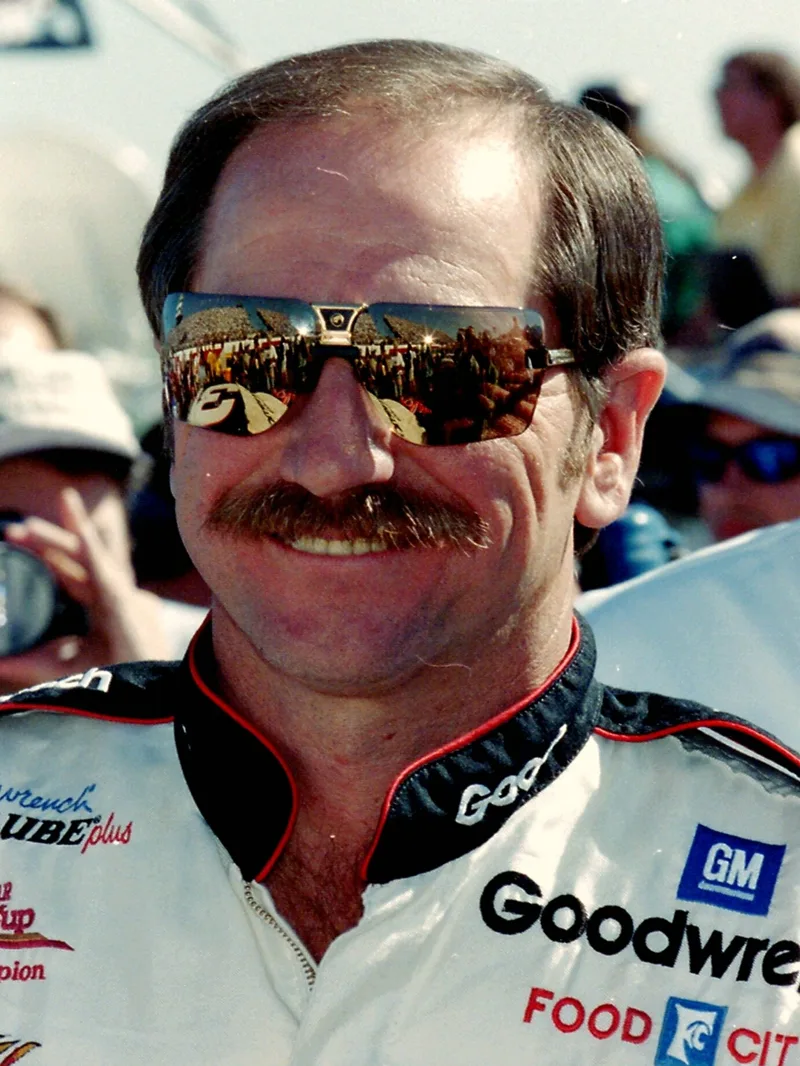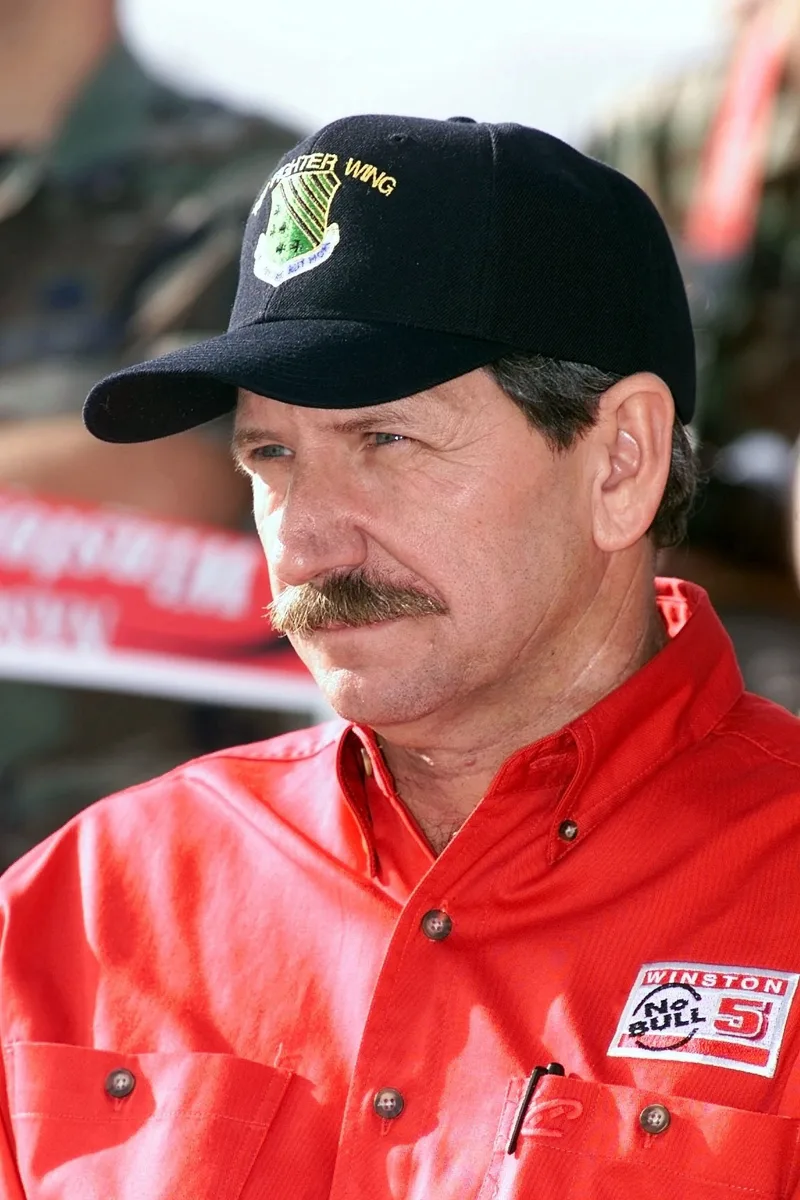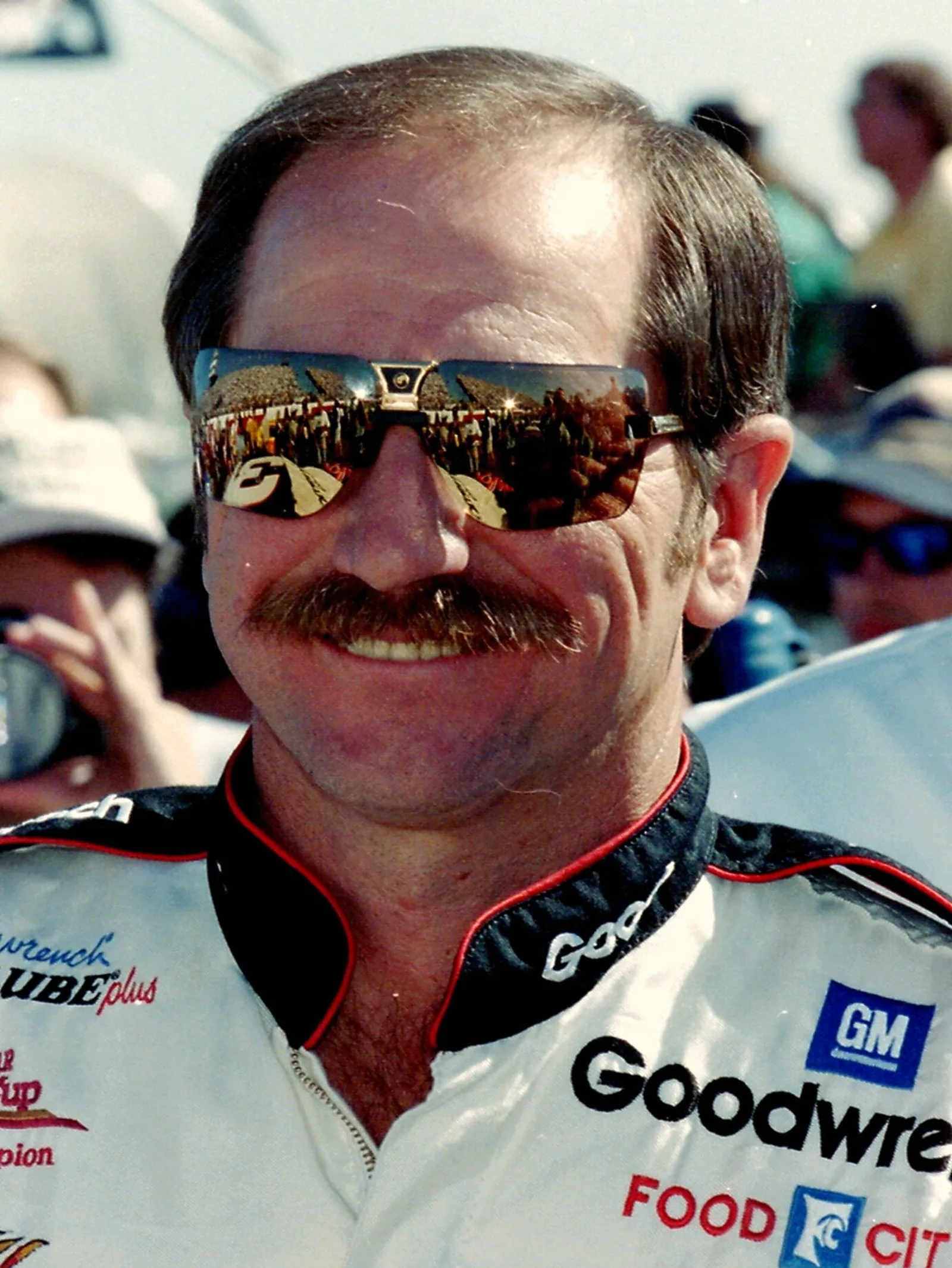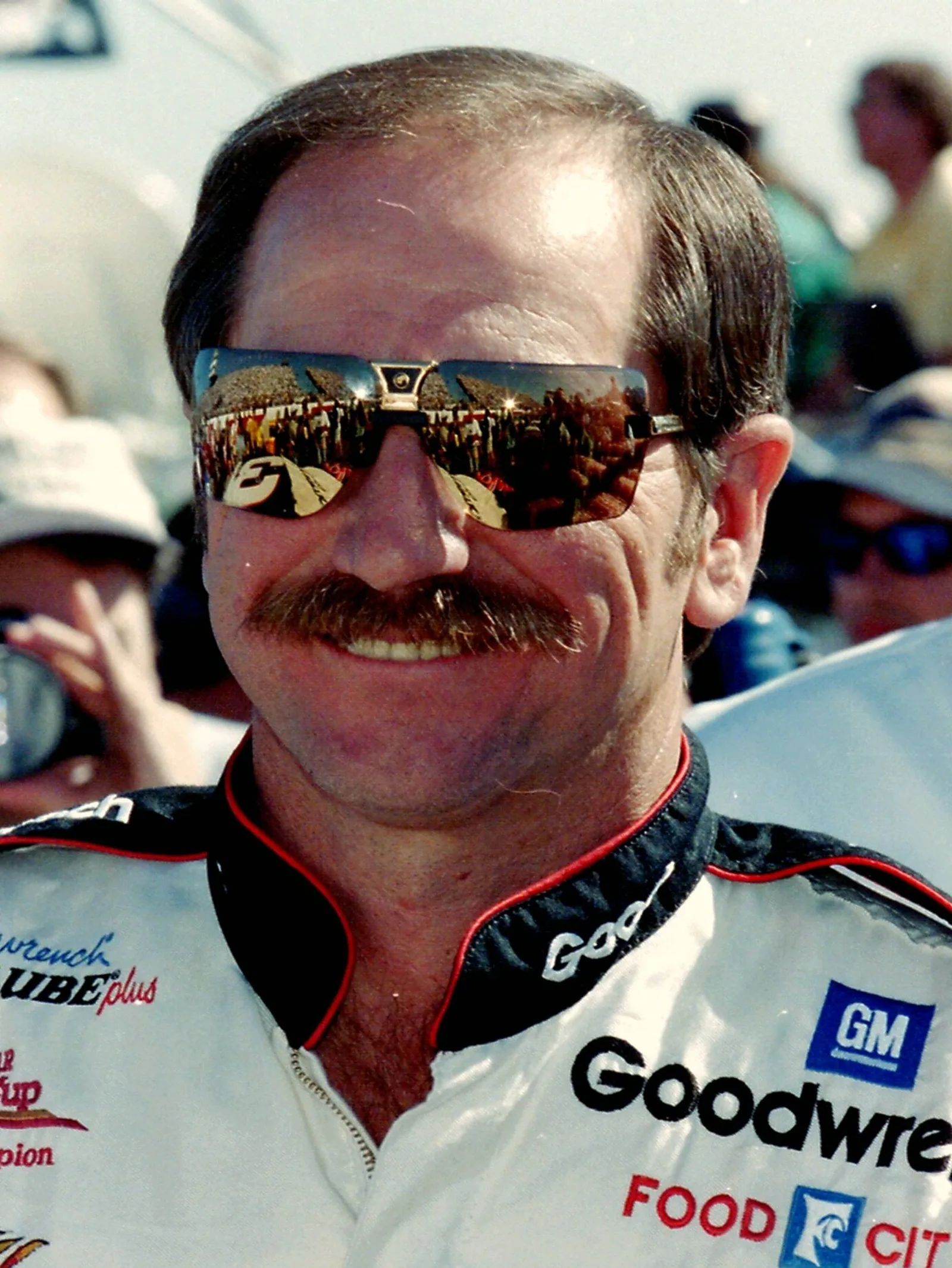
Dale Earnhardt won his sixth championship in a year overshadowed by the deaths of Alan Kulwicki and Davey Allison, while Rusty Wallace won ten races.
The 1993 NASCAR Winston Cup Series was won by Dale Earnhardt of Richard Childress Racing, his sixth championship. The season ran from 7 February to 14 November 1993, and the title was secured in the final race at Atlanta.
The 1993 NASCAR Winston Cup Series was overshadowed by two deaths. Alan Kulwicki, the reigning champion, and Davey Allison were both killed during the year, yet Dale Earnhardt of Richard Childress Racing still won his sixth championship, while Rusty Wallace won ten races.
The season was the 22nd modern-era Cup season and the 45th year of professional stock car racing in the United States. It also brought electronic scoring, which gave instant interval numbers.
When did the 1993 season run?
The season opened with the Busch Clash at Daytona on 7 February and closed with the Hooters 500 at Atlanta Motor Speedway on 14 November. The calendar included superspeedways, short tracks and road courses alike.
One race did not run on schedule. The Motorcraft Quality Parts 500 was set for 14 March at Atlanta, but the Storm of the Century forced it to be postponed to 20 March. The race that was originally scheduled for March 14 was postponed, and the season carried on around it.
A season of loss, a sixth title for Dale Earnhardt and ten wins for Rusty Wallace.
Who won the 1993 championship?
Dale Earnhardt won the title for Richard Childress Racing, his sixth championship. He clinched it in the Hooters 500, where a 10th-place finish was enough, and Rusty Wallace, who won that race, finished 80 points behind him.
Earnhardt took the points lead in May, when Wallace finished 38th at Sears Point with overheating and transmission trouble. Earnhardt led the standings for the rest of the year, and his margin reached 126 points over Wallace going into Atlanta.
Richard Childress Racing also entered Neil Bonnett in a backup car for the finale. Bonnett pulled off the track after three laps and the team cited engine failure, a tactic designed to protect Earnhardt's finishing position. The team also brought a truck of spare parts, including a pre-assembled rear end, in case of a crash.
How did the deaths change the season?
Alan Kulwicki was killed on 1 April when the plane carrying him and three Hooters executives crashed near Blountville, Tennessee, on the way to Bristol. Davey Allison died on 13 July, after a helicopter crash at Talladega Superspeedway left him with severe head trauma.
Kulwicki's death denied him the chance to defend his 1992 title. Allison had been one of the sport's brightest young stars.
The sport responded with respect at the next races. Robert Yates Racing did not enter a replacement driver for the Miller Genuine Draft 500 at Pocono, out of respect for Allison. Earnhardt took a polish lap with an Allison flag after his win there and said in victory lane that he would gladly finish second to Allison if it would bring him back.
What happened in the Busch Clash and the Gatorade qualifiers?
Dale Earnhardt won the Busch Clash on 7 February, the exhibition for pole winners of the previous season. The Gatorade qualifiers followed on 11 February, when Jeff Gordon won the first race and Earnhardt took the second, setting up a Daytona 500 field full of storylines.
Ernie Irvan had drawn the Busch Clash pole, and Ken Schrader finished second behind Earnhardt. Kyle Petty and Dale Jarrett had won the poles for the two qualifiers, respectively.
In the first qualifier, Bill Elliott was second, Kyle Petty third, Ken Schrader fourth and Bobby Hillin Jr. fifth. The second qualifier went to Earnhardt, ahead of Geoff Bodine, Dale Jarrett, Ernie Irvan and Alan Kulwicki.
How did the Daytona 500 play out?
Dale Jarrett won the 1993 Daytona 500, passing Dale Earnhardt in the tri-oval as they took the white flag. The victory was also the first Cup win for Joe Gibbs as a team owner, and the finish became known as the Dale and Dale Show.
The race had a strong family flavour. Kyle Petty's pole was the family's first at the Daytona 500 since 1966, and his father Richard waved the green flag in the first Winston Cup race since his retirement. It was also the first Daytona 500 since 1965 without Richard Petty in the starting lineup.
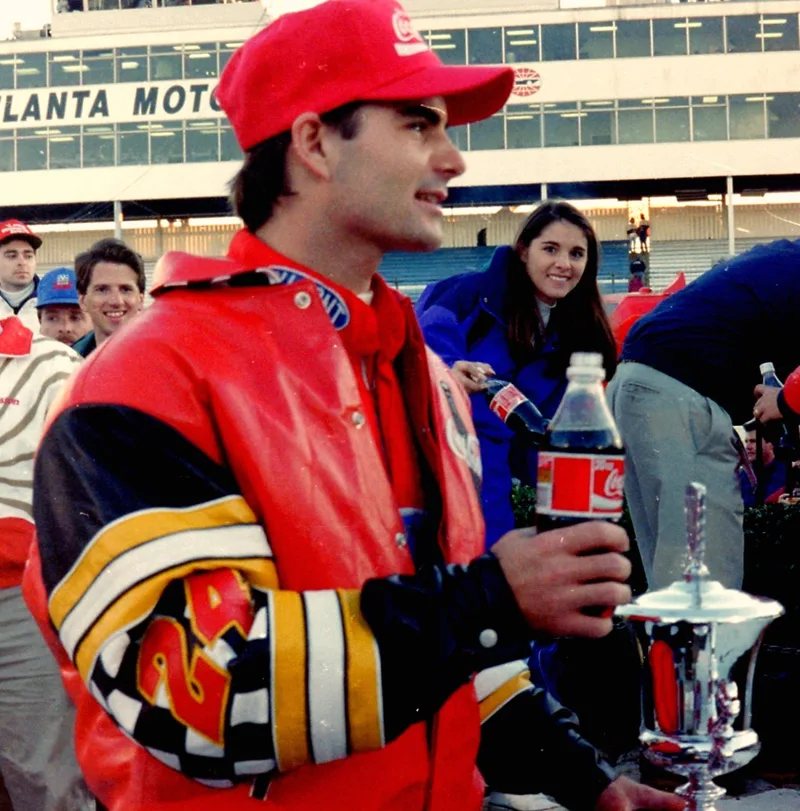
Jeff Gordon had one of the most successful Daytona 500 debuts of the era. He had already become the first rookie in the modern era to win one of the Gatorade qualifiers, led the first lap of the main event and finished fifth. Gordon would win the Rookie of the Year title later in the season.
The race also had a violent moment. Michael Waltrip spun Rusty Wallace on the backstretch, and Wallace went through a series of barrel rolls on the grass. He was uninjured. CBS producers then asked Ned Jarrett, on the broadcast, to call his son home as the leaders came to the finish.
What happened to Alan Kulwicki's team?
AK Racing returned to competition at North Wilkesboro in April, with Jimmy Hensley filling in as substitute driver for the No. 7 team. Geoff Bodine then finalised a deal to buy the assets of Kulwicki's team, and in September he made his first start as an owner-driver in the No. 7 Ford.
Bodine's Sears Point win on 16 May came while he was finalising that deal for the late Kulwicki's assets, and it was the last victory for the Bud Moore team.
At Dover on 19 September, Bodine started fourth in the car formerly driven by Kulwicki, but he crashed out and finished 30th. Lake Speed was then hired to replace him in the Bud Moore Engineering No. 15 Ford.
Which races defined the 1993 season?
Several races stood out in 1993, from Jarrett's Daytona 500 win to Earnhardt's victories at Charlotte and Talladega. The table below lists eight key winners across the calendar.
| Race | Date | Track | Winner |
|---|---|---|---|
| Daytona 500 | 14 February | Daytona International Speedway | Dale Jarrett |
| GM Goodwrench 500 | 28 February | North Carolina Speedway | Rusty Wallace |
| Food City 500 | 4 April | Bristol International Raceway | Rusty Wallace |
| Winston 500 | 2 May | Talladega Superspeedway | Ernie Irvan |
| The Winston | 22 May | Charlotte Motor Speedway | Dale Earnhardt |
| DieHard 500 | 25 July | Talladega Superspeedway | Dale Earnhardt |
| Bud 500 | 28 August | Bristol International Raceway | Mark Martin |
| Hooters 500 | 14 November | Atlanta Motor Speedway | Rusty Wallace |
Wallace's short-track form was the strongest of the year. He won five of the eight short-track races and finished second three times, for an average finish of 1.375 on those tracks. His Tyson/Holly Farms 400 win at North Wilkesboro was his fifth short-track victory of the season.
Wallace also won the GM Goodwrench 500 at North Carolina Speedway, the Miller Genuine Draft 400 at Richmond, the SplitFire Spark Plug 500 at Dover and the AC Delco 500 at Rockingham. The AC Delco win made him the only driver in NASCAR history to sweep both North Wilkesboro and Rockingham in the same season.
Earnhardt won the DieHard 500 at Talladega by 0.005 seconds over Ernie Irvan, in a finish described as setting a new record. He also won The Winston and the Coca-Cola 600 at Charlotte, the latter his third win in that race.
How did Ernie Irvan's move to Robert Yates Racing work out?
Ernie Irvan left Morgan-McClure Motorsports to take over the No. 28 for Robert Yates Racing, finishing fifth in his first race for the team at Darlington. He went on to win at Martinsville and at Charlotte, where he led all but six of 334 laps.
Irvan's final race for Morgan-McClure came at Bristol on 28 August, where he finished 26th after blowing an engine. The Goody's 500 at Martinsville on 26 September was Robert Yates Racing's first victory since Davey Allison's death.
Championship leader Dale Earnhardt finished 29th at Martinsville after rear-end trouble, and his points lead fell from 284 to just 82. Irvan's Mello Yello 500 win at Charlotte on 10 October was one of the most dominant in recent Cup history, with 98.2 per cent of the laps led.
What went wrong at the superspeedways?
Superspeedway racing produced serious crashes. At the DieHard 500, contact involving Stanley Smith sent Jimmy Horton's car over the wall, and Horton was mostly unhurt. Smith suffered near-fatal head injuries.
At the same race, Neil Bonnett's car blew over on the front stretch and flipped into the catch fence in his first NASCAR start since March 1990. The fence needed a long red flag to repair, and Bonnett was uninjured. The accidents led to the introduction of roof flaps in 1994.
The Winston 500 at Talladega also had a dramatic finish. Earnhardt spun Rusty Wallace on the final lap, and Wallace flipped violently across the line with a broken left wrist and bruised ribs. Earnhardt checked on him during his cool-down lap.
How did Mark Martin finish the summer?
Mark Martin won four consecutive races in late summer, from Watkins Glen through Michigan, Bristol and Darlington. The four-race streak tied the modern-era record for consecutive victories.
At Watkins Glen on 8 August, Martin had the dominant car, but problems on pit road dropped him outside the top 20 at one point. He raced back through the field and inherited the lead with five laps to go, when Kyle Petty and Dale Earnhardt crashed in the esses. It was Martin's first win from the pole in his 21st attempt.
At Bristol on 28 August, Martin won the Bud 500 from the pole. Dick Trickle relieved Kenny Wallace in the car after Wallace broke his scapula in testing at Indianapolis Motor Speedway. Martin then won at Darlington on 5 September in the Mountain Dew Southern 500, a race cut from 367 laps to 351 because of a rain delay and the lack of lights.
Martin's summer also had a painful moment. At Michigan on 20 June, he was leading the Miller Genuine Draft 400 when he ran out of fuel with nine laps to go, handing the lead to Ricky Rudd.
What did the 1993 season leave behind?
The season ended with Earnhardt's sixth title, but it was remembered for the deaths of Kulwicki and Allison. The superspeedway crashes that year led to roof flaps the following season.
Jeff Gordon's year was another sign of the future. He drove the No. 24 Hendrick Motorsports Chevrolet, earned 11 top-ten finishes, won a pole and finished 14th in the points, which was enough for Rookie of the Year.
The 1994 Brickyard 400 had been announced for 6 August 1994 at Indianapolis Motor Speedway, and the top 35 teams in the standings were invited to an open test there. The teams went to the track for two days of practice on the way home from Michigan, and Richard Petty took a few fast laps on the second day before donating the car to the Speedway museum.