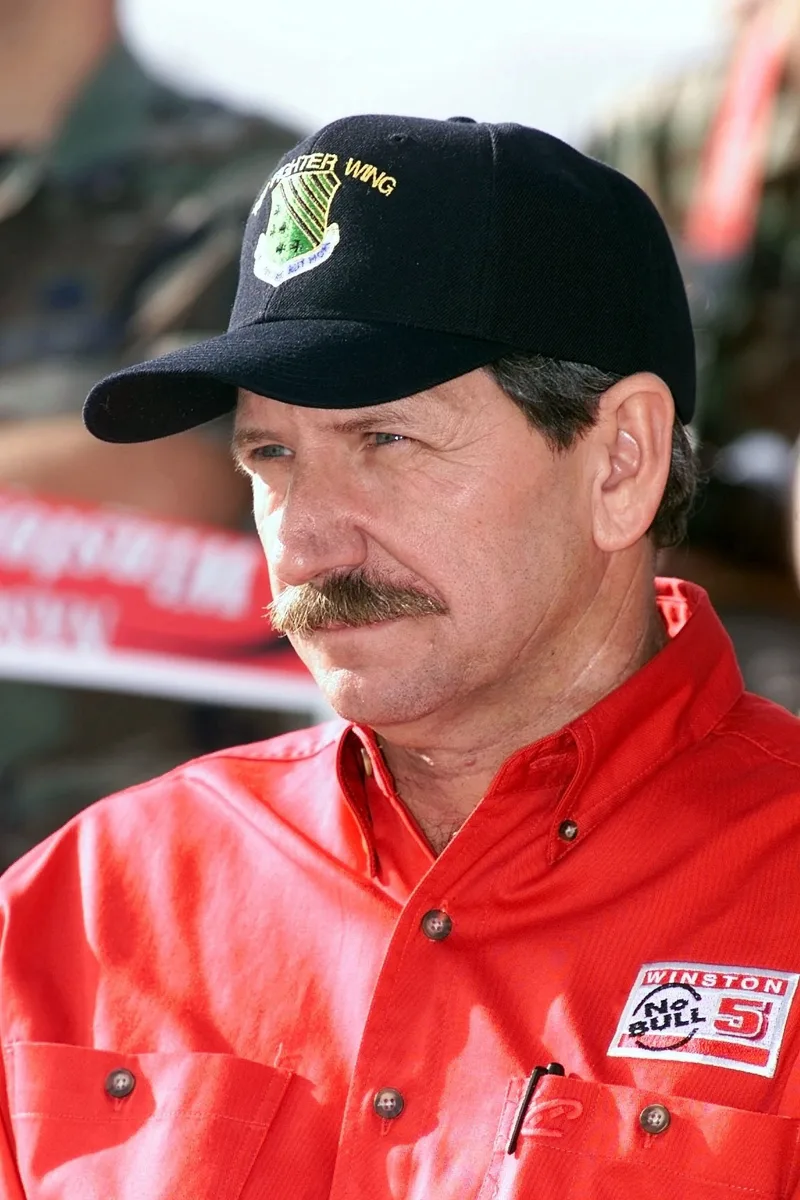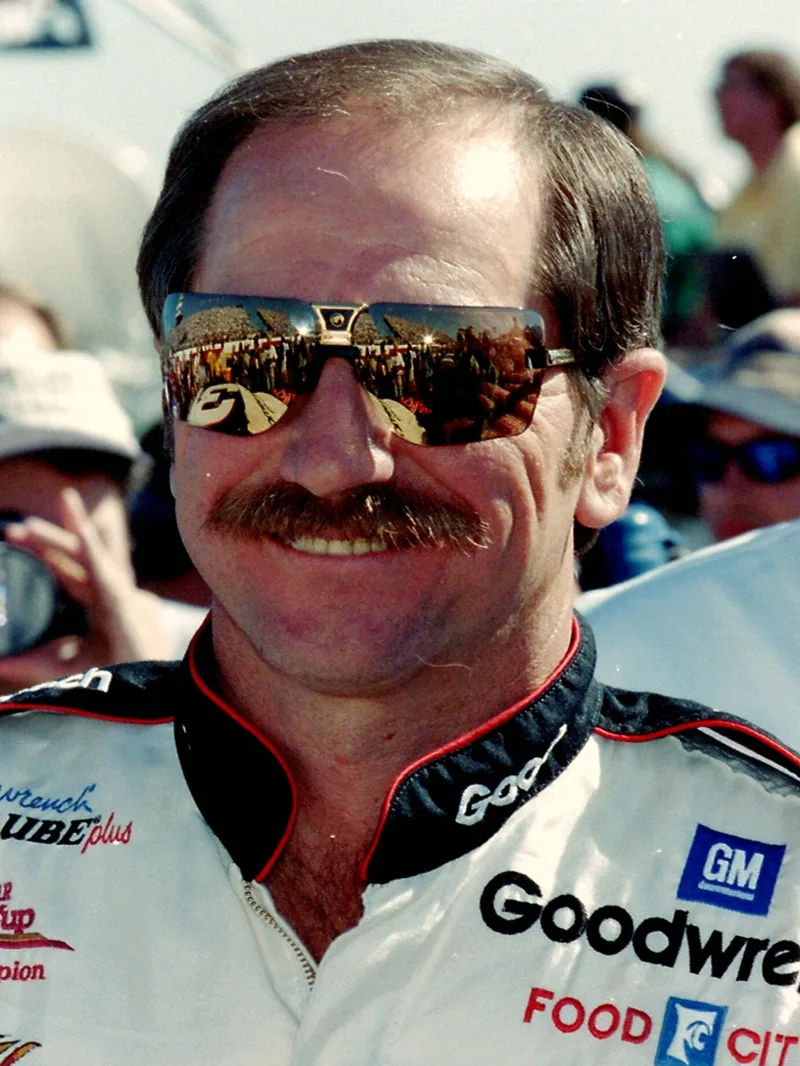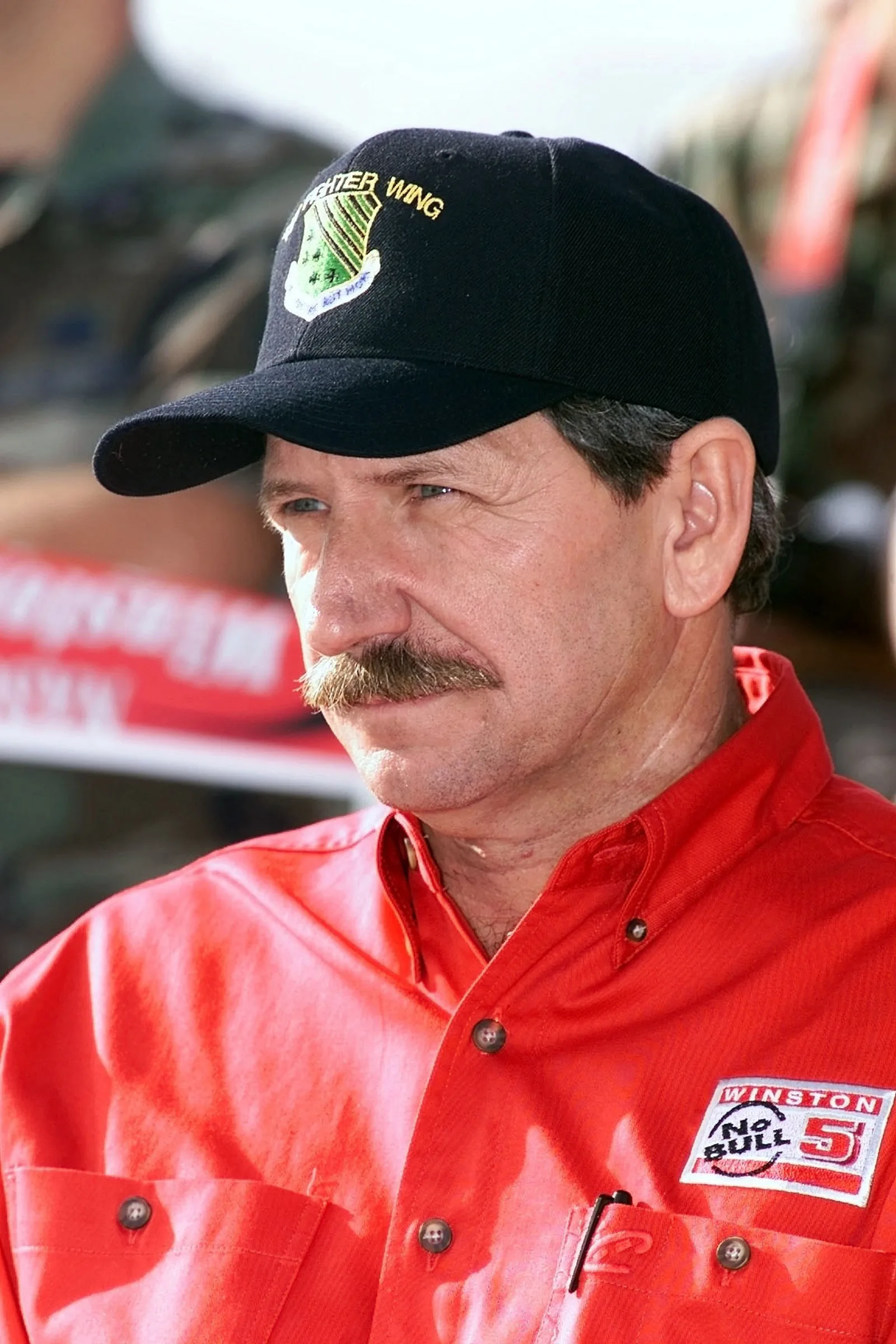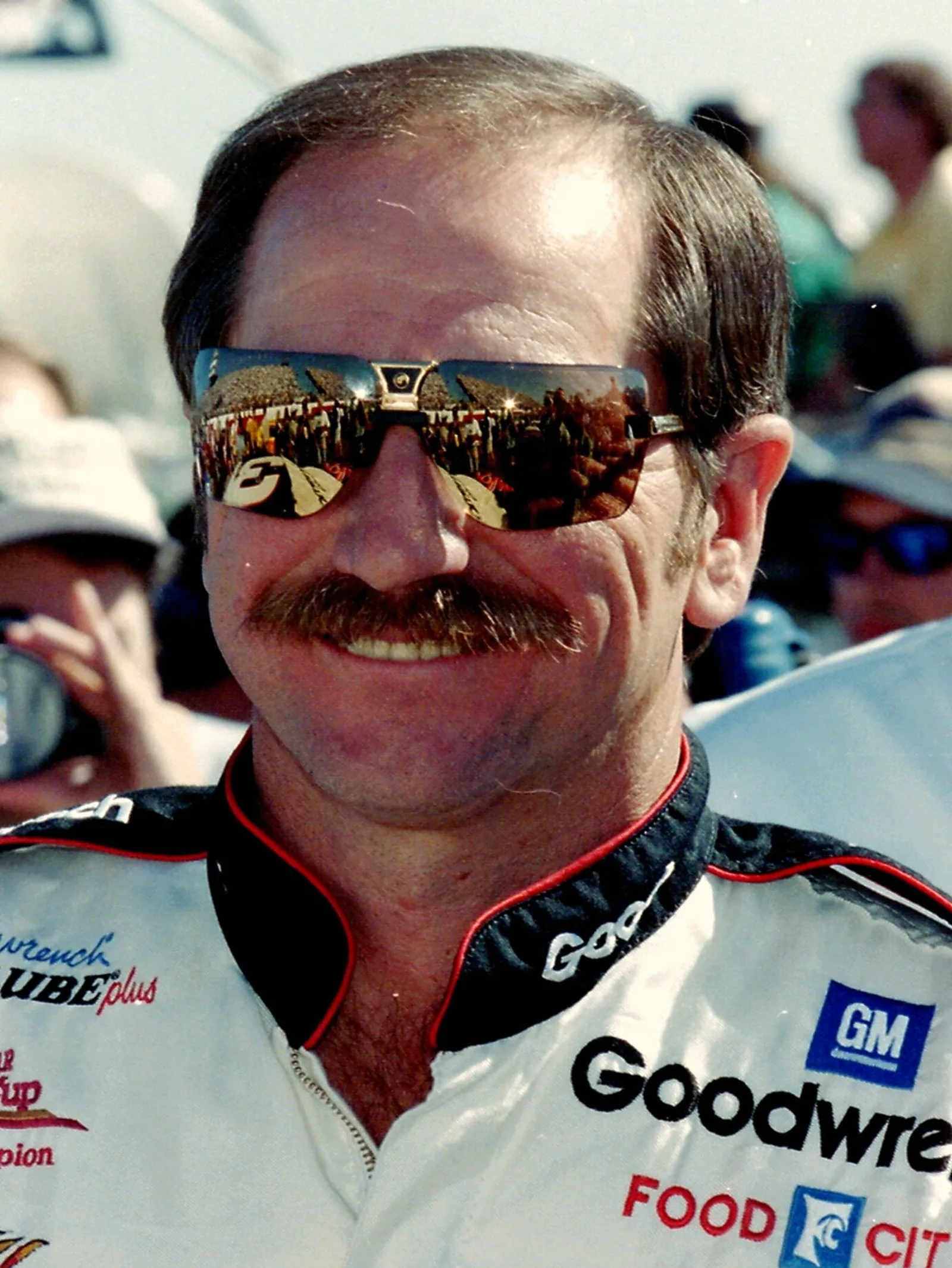
New pit rules, the Petty rule for past champions and a fatal crash at Watkins Glen framed Dale Earnhardt's fifth title and a close points fight with Ricky Rudd.
The 1991 NASCAR Winston Cup season ran from February 10 to November 17. Dale Earnhardt won his fifth title after trading the points lead with Ricky Rudd, and Harry Gant's four September wins gave him the nickname Mr. September. The season also brought new pit road rules that were tested and revised throughout the year.
The 1991 NASCAR Winston Cup Series ran from February 10 to November 17 and ended with Dale Earnhardt of Richard Childress Racing winning his fifth championship. The title fight with Ricky Rudd lasted most of the year, and Earnhardt took the points lead for good at Talladega in May. The season was also overshadowed by the loss of J. D. McDuffie, who died in a crash at Watkins Glen in August.
What changed for the 1991 season?
The season opened with a new pit road rulebook, introduced at Daytona after a tyre changer died at Atlanta the previous November. It also brought the past champion's provisional, known as the Petty rule, and Buick began its last full season in the series. Most of the complicated pit rules were dropped by midseason.
The changes were far from stable. NASCAR tried several versions of the caution procedure, including an odd and even sticker system that was abandoned at North Wilkesboro in April. The second pace car used to control speed on pit road was also dropped.
Two rules survived the year. The pit road speed limit, enforced at all times, and the lollipop signboard were made permanent, and both remain in use today. Violations were punished differently: speeding on entry brought a 15-second holding penalty, speeding on exit led to a stop-and-go, and a violation under caution sent a car to the rear for the restart.
The past champion's provisional was introduced because Richard Petty missed four races in 1989, a slide that hurt ratings. It let a former Cup champion who had missed the field on speed claim the final starting place, provided he was too low in the points to use a regular provisional.
Television changed too. The Nashville Network became a cable partner, and the 29-race schedule was spread across five networks: CBS, ABC, ESPN, TBS and TNN.
New pit rules and a close points fight with Ricky Rudd were the backdrop to Earnhardt's fifth title in 1991.
How did the points battle develop?
Dale Earnhardt and Ricky Rudd were first and second for most of the season. Earnhardt left Richmond with a 340-318 lead over Rudd in February, and the two traded the lead several times. Earnhardt retook the points lead at Talladega in May and held it to the end.
Rudd's most notable win came at Darlington in April, when he won the TranSouth 500 with Geoff Bodine on the pole.
Earnhardt also had strong results through the middle of the year. He won the Hanes 500 at Martinsville in April, which made him the ninth driver to win 50 NASCAR races, and he finished third at Talladega when the lead changed hands.
The non-points events had their own story. At The Winston on May 19, Davey Allison won the pole and the race. In the exhibition race for retired legends on the quarter-mile track, Elmo Langley beat Cale Yarborough by less than a car length, and the event was cut by 10 laps because of damp conditions.
Going into the finale, Davey Allison and Ricky Rudd were second and third in the standings, while Earnhardt held the championship. His fifth title was clinched at Atlanta with a fifth-place finish, which was enough to secure it.
How did Harry Gant become Mr. September?
Harry Gant won four races in a row during September, from the Heinz Southern 500 at Darlington on September 1 through the Goody's 500 at Martinsville on September 22. The run gave him the nickname Mr. September and tied a modern-era record for consecutive victories.
Gant's September began at Darlington, where he won the Heinz Southern 500 and the $100,000 Winston Million bonus. He collected it after taking both the Winston 500 and the Southern 500, and he was the only one of the three eligible drivers to do so.
The next stop was Richmond on September 7, where Gant won the first night race in the Cup Series at Richmond International Raceway. The following week at Dover he won the Peak Antifreeze 500 by a lap and an additional 19 seconds.
A freak accident on lap 324 at Dover took Alan Kulwicki, Rusty Wallace and Dale Earnhardt out of the running, which helped Gant's win.
Martinsville on September 22 was the most dramatic of the four. Gant crashed on lap 377 in turn three and damaged the right front of his Oldsmobile. ESPN analyst Benny Parsons discounted him as a threat, but the team repaired the car and Gant overtook Brett Bodine for the win with about 50 laps to go.
The nickname came from those four September wins, along with two Busch Series victories that month.
Which races caused the most debate?
Several 1991 races drew complaints, including the Winston 500 at Talladega, the Sears Point finish in June and the Pocono race in July. Each involved a question about the rules, and at Sears Point the official order changed after the race.
The Winston 500 was delayed from May 5 to May 6 by rain. Harry Gant won on a fuel mileage gamble, outlasting Darrell Waltrip and Dale Earnhardt, and he reportedly ran dry right after the checkered flag. On the final lap Gant appeared to be pushed by his teammate Rick Mast, which is illegal on the last lap. The footage was inconclusive and the result stood.
The Big One on lap 71 at Talladega left Kyle Petty with a compound fracture of his leg, which sidelined him until the September Southern 500 race. During the same wreck, Mark Martin's car lifted onto its nose but did not flip.
At Sears Point on June 9, Allison was running ahead of Rudd into turn 11 with two laps left, and Rudd's nose touched Allison's rear bumper. Allison spun, refired and rejoined to hold second, then took the checkered flag when Rudd was penalised five seconds for dirty driving. Dave Marcis, a lapped driver who saw the incident, said the contact was simply hard racing.
At Pocono on July 21 a rain red flag lasted more than two hours, and the race was shortened to 179 laps. When it resumed under yellow for one lap, the rain returned. Rusty Wallace was almost out of fuel, and Dale Earnhardt pushed him so he could make it. NASCAR rules allowed that unless it happened on the final scheduled lap.
What happened at Watkins Glen in August?
J. D. McDuffie was killed in a lap five crash in the Loop at Watkins Glen International on August 11, 1991, when his car collided with Jimmy Means. Word of his death did not reach the other drivers until the race had ended, and the event had been stopped for nearly two hours while the barrier was repaired.
McDuffie was a veteran driver and team owner who had raced in the series for many years. He had failed to qualify for the Pepsi 400 at Daytona in July, and his final on-track finish came at Pocono, where he was 25th and 27 laps down.
The Loop and Chute area at The Glen had been the scene of many big wrecks that year. Tommy Kendall had broken both legs in an IMSA race in June, and several drivers crashed in Turn 5 during the August weekend. NASCAR added a bus stop chicane ahead of Turn 5 in time for 1992, aiming to reduce speeds.
The first announcement of McDuffie's death came after the red flag ended, from NASCAR media coordinator Chip Williams. He spoke in an interview with ESPN's Jerry Punch, which was simulcast on the Motor Racing Network. Richard Petty's 555th and final career top-ten finish came in the same race.
Selected race results
| Date | Race | Track | Winner | Notable detail |
|---|---|---|---|---|
| February 17 | Daytona 500 by STP | Daytona International Speedway | Ernie Irvan | Davey Allison on the pole |
| February 24 | Pontiac Excitement 400 | Richmond International Raceway | Dale Earnhardt | Left Richmond 340-318 ahead of Rudd |
| April 7 | TranSouth 500 | Darlington Raceway | Ricky Rudd | Geoff Bodine on the pole |
| April 21 | First Union 400 | North Wilkesboro Speedway | Darrell Waltrip | Seventh different winner in seven races |
| April 28 | Hanes 500 | Martinsville Speedway | Dale Earnhardt | Ninth driver to win 50 races |
| May 6 | Winston 500 | Talladega Superspeedway | Harry Gant | Earnhardt retook the points lead |
| June 9 | Banquet Frozen Foods 300 | Sears Point Raceway | Davey Allison | Rudd penalised five seconds |
| June 16 | Champion Spark Plug 500 | Pocono Raceway | Darrell Waltrip | Rain and a red flag, full distance |
| July 21 | Miller Genuine Draft 500 | Pocono Raceway | Rusty Wallace | Shortened to 179 laps by rain |
| August 11 | Budweiser at The Glen | Watkins Glen International | Ernie Irvan | J. D. McDuffie killed on lap five |
| August 18 | Champion Spark Plug 400 | Michigan International Speedway | Dale Jarrett | First career Winston Cup win, 10 inches ahead |
| September 1 | Heinz Southern 500 | Darlington Raceway | Harry Gant | Winston Million bonus of $100,000 |
| September 15 | Peak Antifreeze 500 | Dover Downs International Speedway | Harry Gant | Won by a lap and 19 seconds |
| November 17 | Hardee's 500 | Atlanta Motor Speedway | Mark Martin | Earnhardt fifth, clinching the title |
Looking ahead to 1992
Richard Petty announced five days before the Mello Yello 500 that he would race one more year. The 1992 season would be called the Fan Appreciation Tour, and Petty denied that it was a farewell tour, saying that he was not going anywhere.
Earnhardt's Tyson Holly Farms 400 win at North Wilkesboro was the last GM victory until the 1992 Coca-Cola 600. Ford then began a run of 13 straight wins, which covered the last four races of 1991 and the first nine of 1992.
Buick's full-time era was ending. The rookie title went to Bobby Hamilton, ahead of Ted Musgrave.