Thirty races under a new equal-points system, a disputed Atlanta finish, deaths at the Winston 500 and Talladega, and a sixth title for Richard Petty.
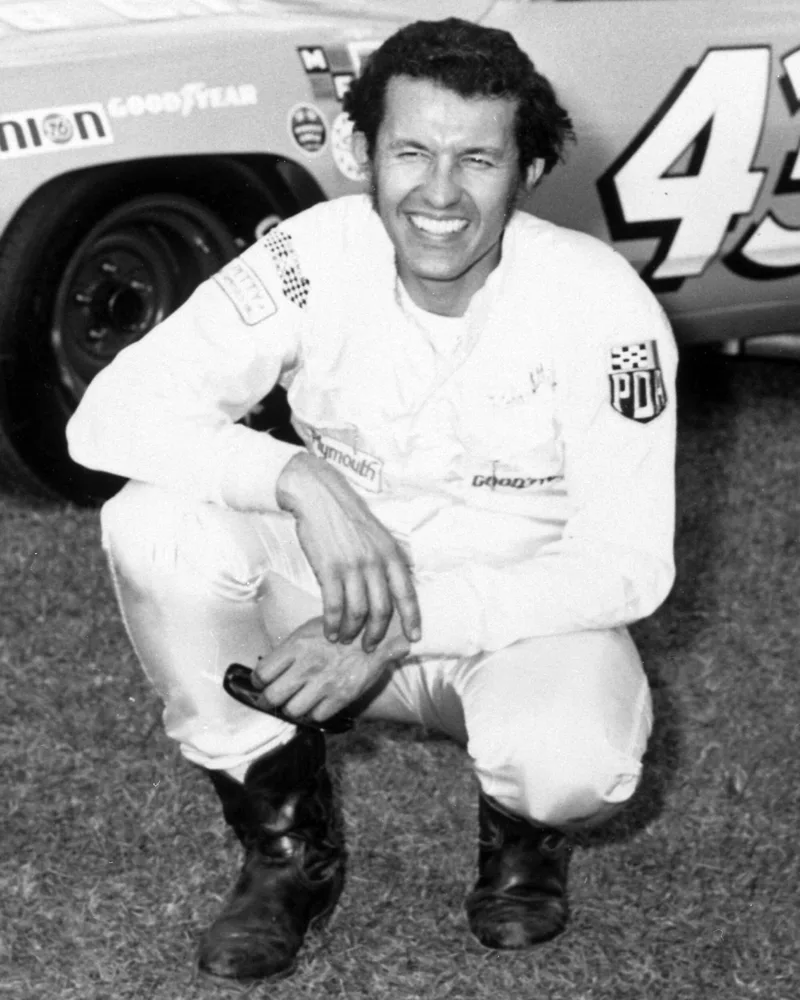
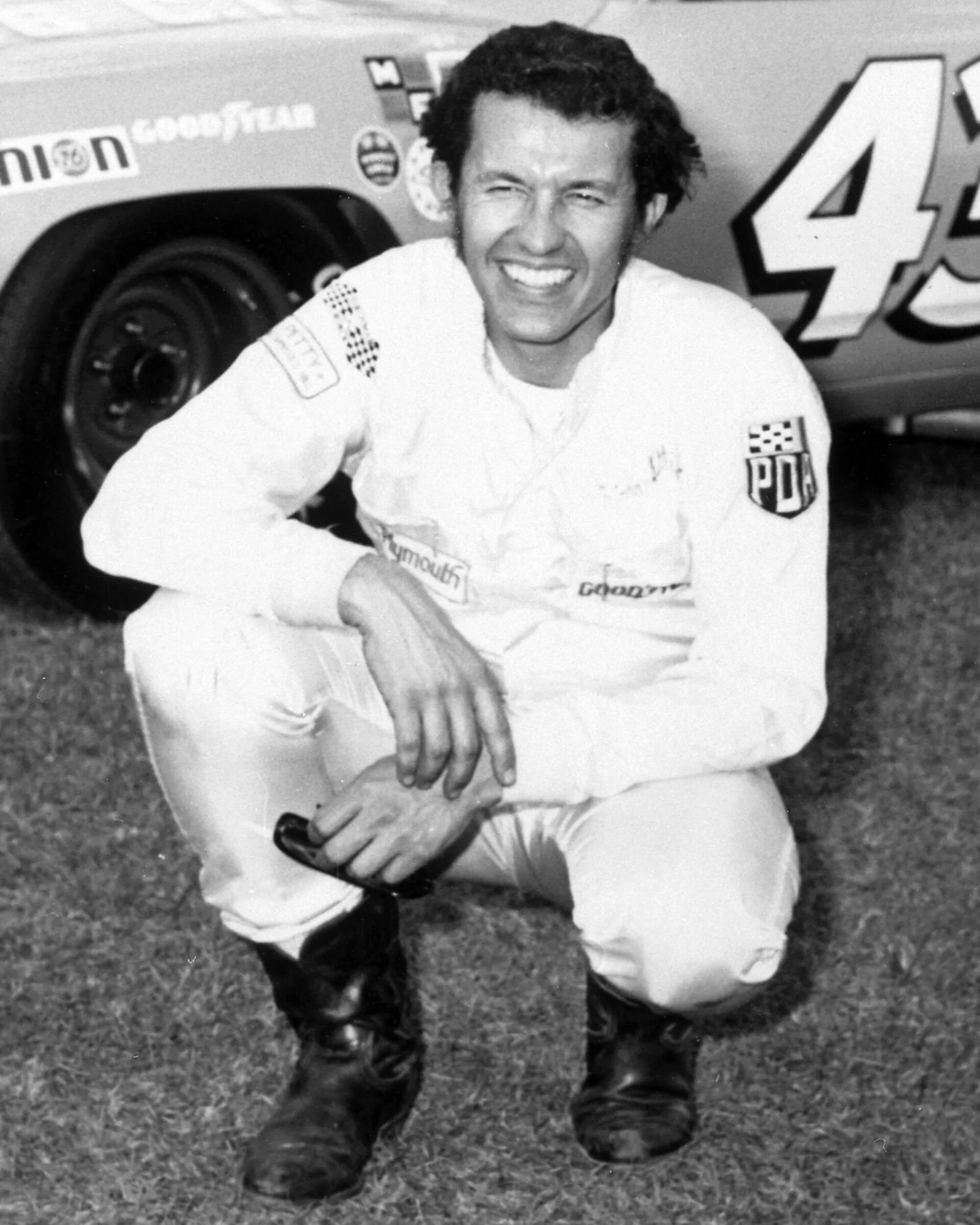
Richard Petty won the 1975 NASCAR Winston Cup title in the number 43 STP Dodge, his sixth championship. The season ran from January 19 to November 12 under a new equal-points system, and Bruce Hill was named Rookie of the Year for the season.
Richard Petty won his sixth Winston Cup championship in 1975, driving the number 43 STP Dodge for Petty Enterprises. The season ran from January 19 to November 12 and was the first to give every race the same points value. Bruce Hill took Rookie of the Year honours, but the year is remembered as much for scoring disputes, close finishes and fatal accidents as for the title fight.
Who won the 1975 NASCAR Winston Cup championship?
Richard Petty took the 1975 title in the number 43 STP Dodge run by Petty Enterprises, the sixth Winston Cup championship of his career. He held the points lead for much of the summer, and his advantage was large enough that the title was clinched before the final races. Bruce Hill was the Rookie of the Year.
Petty's season had a clear arc: dominant early drives at Richmond and Gwyn Staley, overheating trouble that was traced to cracked cylinder heads, and a points lead large enough to clinch the title before the final races.
A new points system, a disputed finish at Atlanta and a sixth title for Richard Petty made 1975 a season of extremes.
How did the points system change in 1975?
NASCAR introduced a new points system for 1975, designed by the statistician Bob Latford. For the first time every race carried the same point value. That system ran for 36 seasons, from 1975 to 2010, with changes in 2004 and 2007, and its original form covered the first 29 seasons, from 1975 to 2003.
Early-season winners and close calls
Bobby Allison opened the year at Riverside, leading 173 laps in Roger Penske's AMC Matador and beating David Pearson by 22 seconds. At the Daytona 500, Benny Parsons won for the first time since 1973 after Cale Yarborough tangled with Pearson, who spun down the backstretch.
Richmond was a lopsided affair. Only 22 cars were entered, Yarborough stayed home after losing his Carling sponsorship, and Petty led 444 laps on his way to a six-lap win. At Carolina, run in below-freezing temperatures, Yarborough edged Pearson while Petty finished nine laps down with the same overheating that had troubled him at Daytona.
Bristol brought Petty his first win there since 1967. Afterwards Maurice Petty traced the overheating to cracked cylinder heads, and the team found another one that could have ended the race.
At Nashville in May, Darrell Waltrip started from the pole, but Cale Yarborough took the lead on lap 48 and led 273 laps before his engine gave out on lap 322. Waltrip inherited the lead and was two laps clear of Benny Parsons at the finish, a comfortable first win of the year for him.
Why was the Atlanta 500 finish disputed?
Richard Petty argued that the race ran past 328 laps after a one-lap duel with Buddy Baker, and his official scorer agreed with him. NASCAR's scoring cards, however, showed the race had run the correct distance. Manual scoring with cards and a clock was used until 1993, when transponders took over, and GPS scoring was added in 2003 to settle close results if needed.
Richard's daughter Sharon was among the scorers and backed her father's count. Manual scoring stayed a source of controversy in NASCAR for years afterwards, and the disputed lap count became a reference point in that debate.
Which 1975 races ended in tragedy?
The season's most serious incidents came at the Winston 500, where a pressurised water tank exploded during a pit stop on Petty's car and killed Randy Owens, and at Talladega, where Tiny Lund was fatally injured after a six-car melee. Gene Lovell, crew chief for Grant Adcox, died of a heart attack in the same period, and Mark Donohue was killed ten days after setting a closed-course record of 221 MPH.
The Talladega 500 was scheduled for August 10 but was rained out until the 17th. Buddy Baker held off Petty at the stripe after 60 lead changes among 17 drivers, and Dick Brooks survived a violent tumble down the backstretch during the race.
How did the middle of the season shape the title race?
The middle of the season reshaped the points table. Petty won the World 600 at Charlotte, Pearson took the Mason-Dixon 500 at Dover, and Pearson beat Petty at Michigan, after which Petty's point lead stood at 441 over Dave Marcis. Yarborough and Waltrip also took wins of their own at Nashville.
At the World 600, Petty led 234 laps and finished a lap ahead of Yarborough, while a young Dale Earnhardt made his Cup debut. At Dover, Benny Parsons retired on lap 360 with engine trouble, and Pearson cruised to a seven-lap win over Cecil Gordon.
The Michigan race produced 44 lead changes, and the top four drivers combined to lead 180 of its 200 laps. Pearson won for his second time that season, edging Petty at the line.
At the Firecracker 400, Donnie Allison won the pole but finished a distant fifth. He was released from the DiGard Racing team that week, and Darrell Waltrip took his place and finished fourth.
The Purolator 500 at Pocono was the first Cup race held there. The lead changed 43 times despite a ninety-minute rain delay, and Pearson's Wood Brothers Mercury smoked badly late on, earning a black flag from NASCAR. The result still went down as Pearson's third win of the season.
The closing weeks and the title
At Delaware, debris from a backmarker's blown engine snapped a tie rod under Petty's car, and his crew needed eight laps to repair it. He restarted six laps down, worked his way back onto the lead lap and went on to win handily, with Dick Brooks second.
At Old Dominion, Petty's rear end failed and Yarborough crashed after leading 272 laps. Dave Marcis took the win, his first in the Winston Cup, and it was the first victory for Harry Hyde's #71 Dodge since 1973.
At the National 500 Petty led the final 111 laps for a sweep at Charlotte, which all but clinched his sixth title. At the Capital City 500 he broke a piston 34 laps in and still clinched, while Darrell Waltrip made up two laps to win his second race of 1975 and DiGard Racing's first.
Buddy Baker was not originally entered for the Los Angeles Times 500. Sponsorship from Norris Industries, secured by Bud Moore, brought him west, and he led 148 laps and won by 30 seconds over Pearson. Petty's engine failed, his fourth retirement in seven races.
Selected 1975 race winners
| Race | Winner | Note |
|---|---|---|
| Winston Western 500 | Bobby Allison | Led 173 laps; 22 seconds ahead of Pearson |
| Daytona 500 | Benny Parsons | First win since 1973 |
| Richmond 500 | Richard Petty | Led 444 laps; won by six laps |
| Carolina 500 | Cale Yarborough | Edged Pearson in below-freezing conditions |
| Gwyn Staley 400 | Richard Petty | Led 311 laps; won by over three laps |
| Virginia 500 | Richard Petty | Won by 6 seconds |
| Winston 500 | Buddy Baker | First win since 1973; tank explosion earlier in the race |
| Music City 420 | Darrell Waltrip | Yarborough's engine retired on lap 322 |
| Purolator 500 | David Pearson | First Cup race at Pocono; third win of the season |
| Talladega 500 | Buddy Baker | 60 lead changes among 17 drivers |
| Old Dominion 500 | Dave Marcis | First Winston Cup win |
| Capital City 500 | Darrell Waltrip | Second win of 1975; first for DiGard Racing |
| Los Angeles Times 500 | Buddy Baker | Won by 30 seconds over Pearson |
What did the 1975 season set up for 1976?
Petty Enterprises had already begun experimenting with new parts in anticipation of 1976 while the 1975 title was still being settled. Those changes followed a year in which the team lost races to rear end and engine failures, including the Old Dominion 500 and the Los Angeles Times 500.