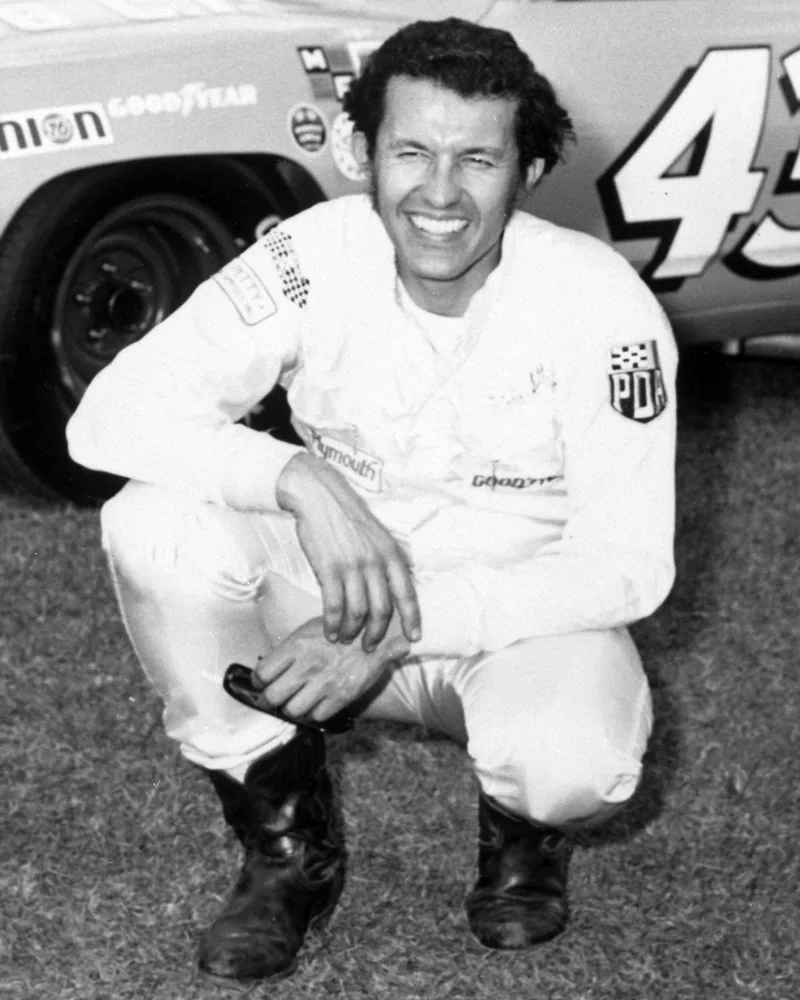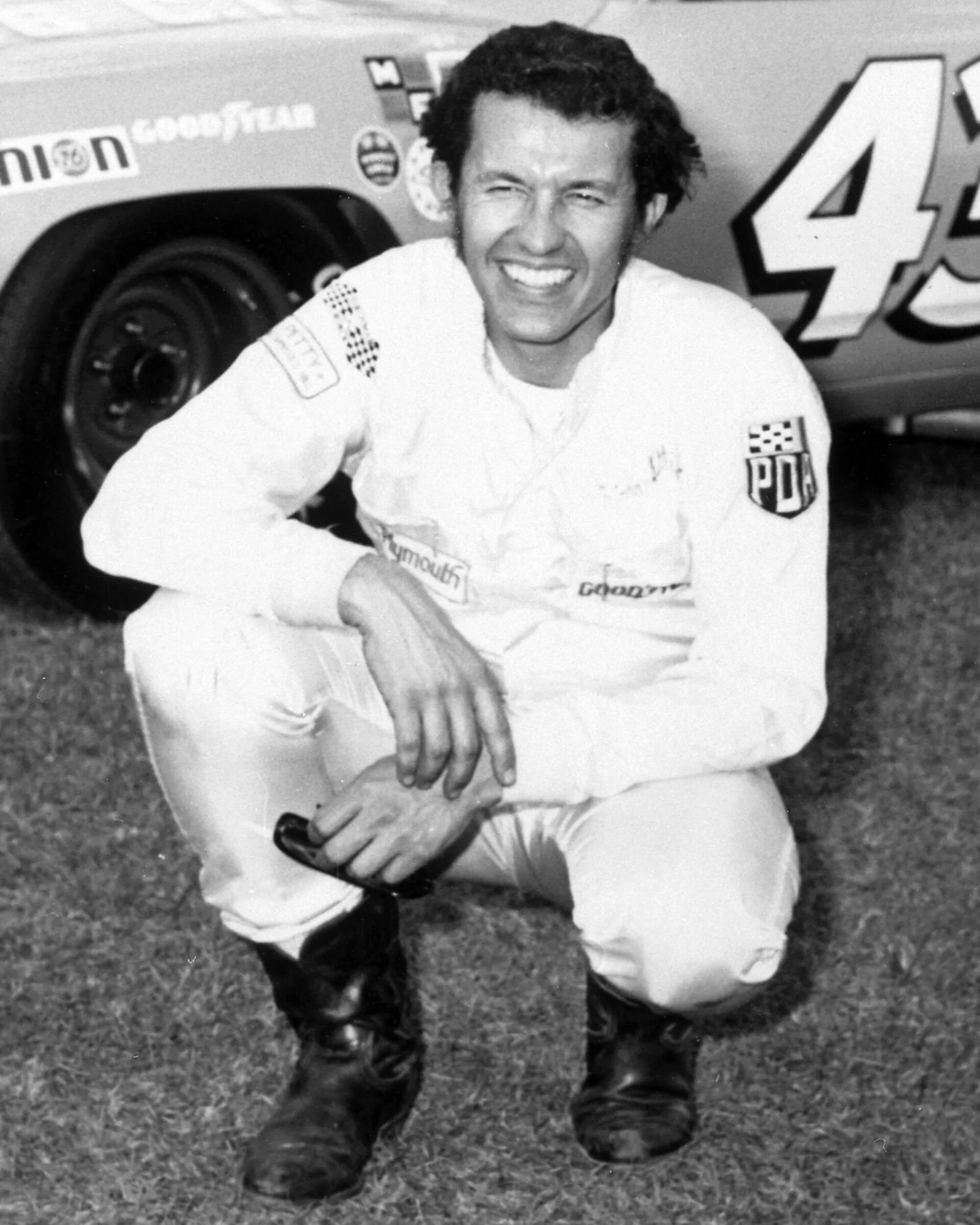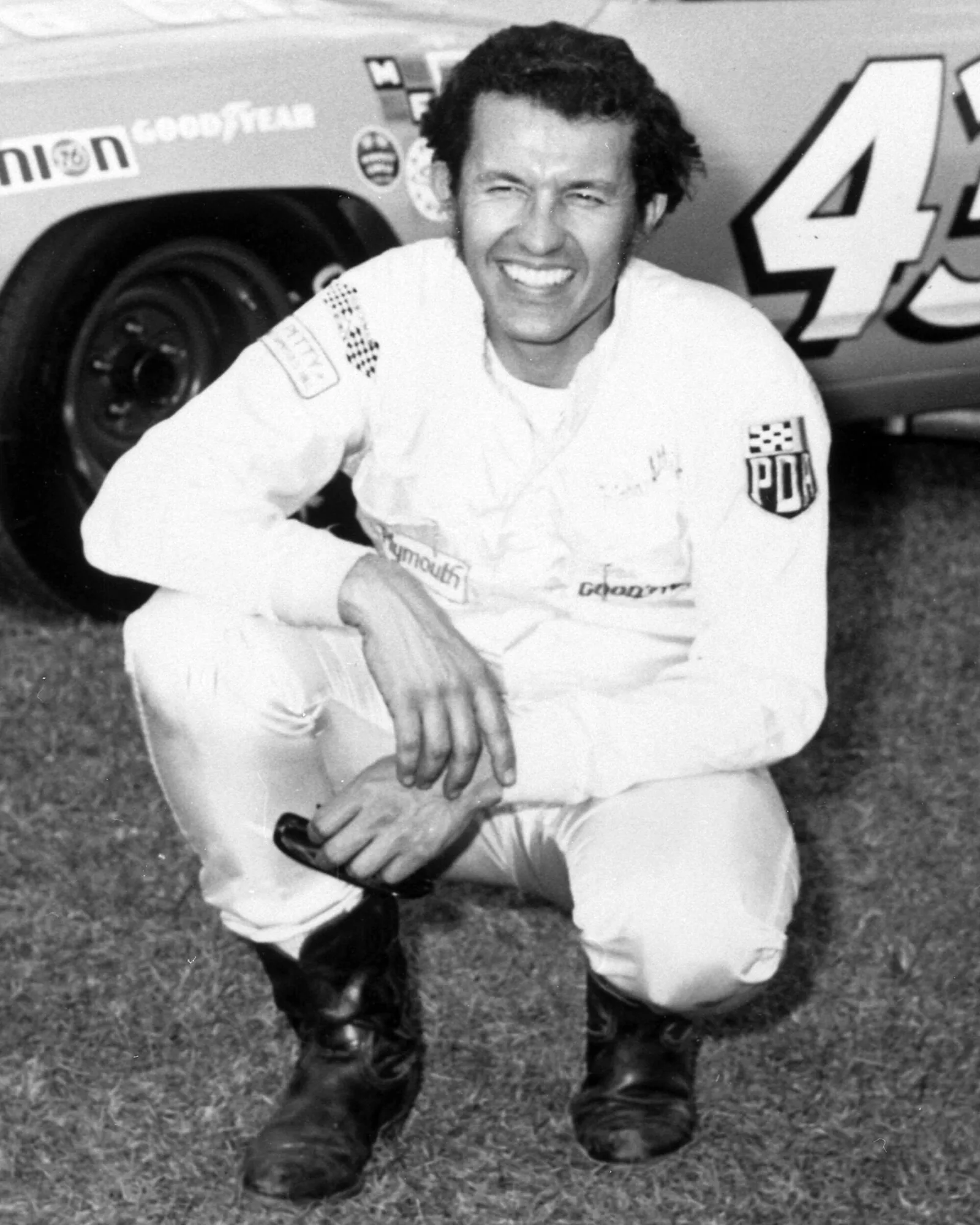
Richard Petty won the championship in a year shaped by fuel shortages, which trimmed the first 15 races, and a points formula that rewarded purse money.
The 1974 Winston Cup season, the 26th of stock car racing in America, saw Richard Petty win the title by 567.45 points. The first 15 races were shortened after the 1973 oil crisis, and a purse-based points formula was introduced.
Richard Petty claimed the 1974 Winston Cup championship in a year shaped by fuel shortages and a new way of scoring races. The season ran from late January to late November, and it was the third Cup campaign of the modern era. Petty finished 567.45 points clear of Cale Yarborough, with David Pearson third after only 19 starts.
Who won the 1974 Winston Cup championship?
Richard Petty won the 1974 Winston Cup title with a 567.45-point margin over Cale Yarborough. David Pearson was third in the standings after only 19 starts, and Earl Ross was named Rookie of the Year after his upset win in the Old Dominion 500.
Petty's title rested on a steady run of strong finishes and several big wins. He took the Daytona 500 early in the year, then the Gwyn Staley Memorial with a hand-built small-block Chrysler, followed by the Music City 420 and the Dixie 500. He later added the Purolator 500 at Pocono and the Talladega 500, the latter being his third win in a row.
The final months of the season showed how strong Petty had become. He held off Earl Ross at Michigan in the Motor State 400, and then he led 491 laps to win the Delaware 500 by three laps over the rest of the field. Yarborough dropped out of that race with an engine failure.
Shortened early races, a purse-based points formula and a champion who kept winning when it counted.
How did the purse-based formula score drivers?
The 1974 points formula was built on purse money rather than distance. Basic purse winnings were multiplied by starts and then divided by 1,000, so a driver who won larger purses and kept starting races gained ground in the standings.
The change was a direct response to the years before it. The 1972 and 1973 systems had placed emphasis on completed miles, and the 1973 title had gone to Benny Parsons after a single victory. The new formula was meant to reward winning more directly, and its supporters argued that it would make finishing first matter more.
The formula also produced an awkward result at the Southern 500. Petty crashed early and was out of contention, yet he still scored more points than every finisher ahead of him except the winner, Yarborough. Critics pointed to that outcome as evidence that the formula could reward a driver whose day had ended in the wall.
Why were the first 15 races of 1974 shorter?
The first 15 races of 1974 were trimmed by 10 percent as a result of the 1973 oil crisis. Fuel supplies were tight and costly, and NASCAR chose to shorten its early events instead of leaving the schedule unchanged that year.
The Rebel race at Darlington was one of those events. Its distance was reduced by about a tenth, and the race was scheduled as a 450-mile event. The rules for the shortened races were otherwise the same as for the rest of the year, so the cut changed the distance but not the way the championship was contested.
The car side of the rulebook also changed in 1974. It was the first season in which every car was required to run the 358 cubic inch (5,870 cc) engine, which replaced the larger units that had been in use earlier in the decade.
How did the opening races of 1974 unfold?
The season began with a long race at Riverside. The Winston Western 500 was halted by rain on January 20, and it resumed on January 26. Cale Yarborough won it, with Petty second, while Bobby Allison led 33 laps before falling back to fifth.
Petty won the Daytona 500, with Yarborough again in the top two. Allison took the Richmond 500, his third victory with his own team in a little over a year, and Yarborough then won the Southeastern 500 at Bristol for the second spring race in a row. A crowd of 18,000 turned out, and Petty was hit in the driver's door during a four-car crash.
The carburettor limits for big-block engines were tightened for the Atlanta race. Pearson paced much of the race in a small-block car but had to pit late for fuel, which handed the win to Yarborough. In the Rebel race at Darlington, Pearson took his third straight win in the event and his fifth overall, after Lennie Pond smashed a guardrail and officials halted the event for half an hour.
What happened in the summer races?
The summer was the busiest stretch of the season. The Winston 500 was a wild affair, with the lead changing 52 times among 14 drivers. Pearson edged Benny Parsons at the line, but the race was marred when a crew member named Don Miller lost a leg after being struck by a spinning car during a pit stop.
The World 600 went to Pearson, who beat Petty after the lead had changed 37 times, a record for that race at the time. Buddy Baker had left Harry Hyde's Dodge team for Bud Moore's Ford after Moore dropped George Follmer, and Baker led 94 laps before his engine let go.
At the Firecracker 400, Pearson won by slowing sharply on the final lap to put Petty ahead, then drafting past him at the stripe. Petty confronted Pearson in the press box afterwards. Yarborough and Baker were credited with a dead heat for third, since timing technology could not separate them.
The Purolator 500 was the first NASCAR event at Pocono, and Petty won it after rain shortened the race by eight laps. At the Talladega 500, 25 of the 50 entries were found to have been sabotaged in the garage, and Petty took the win for his third straight victory.
How did the late season decide the title?
Petty and Yarborough were the main contenders in the late season, but several other drivers won important races. Earl Ross took the Old Dominion 500 after Yarborough crashed, the first rookie win since 1965 and the first victory by a Canadian driver in the series.
Pearson's wins in the closing months included the National 500, where the lead changed 47 times and a ten-car pile-up erupted on the third lap. He won the American 500 at North Carolina Motor Speedway for his seventh victory of 1974, edging Yarborough by two seconds. Allison won the Los Angeles Times 500, but a penalty for unapproved valve lifters carried a $9,100 fine.
Petty's late wins at the Capital City 500 and the Delaware 500 helped him stretch his lead. He took the Capital City 500 after Yarborough crashed on the pavement, and he led 491 laps at Delaware. Yarborough won the Wilkes 400 after leading 275 laps.
Race results at a glance
| Race | Winner | Detail |
|---|---|---|
| Winston Western 500 | Cale Yarborough | Halted by rain and resumed January 26 |
| Daytona 500 | Richard Petty | Yarborough finished second |
| Richmond 500 | Bobby Allison | Third win with his own team since 1973 |
| Southeastern 500 | Cale Yarborough | Second straight spring win at Bristol |
| Rebel 450 | David Pearson | Third straight Rebel win, fifth overall |
| Gwyn Staley Memorial | Richard Petty | Hand-built small-block Chrysler |
| Winston 500 | David Pearson | Lead changed 52 times among 14 drivers |
| World 600 | David Pearson | Lead changed 37 times |
| Firecracker 400 | David Pearson | Dead heat for third between Yarborough and Baker |
| Purolator 500 | Richard Petty | First NASCAR race at Pocono |
| Talladega 500 | Richard Petty | Third straight win; 25 entries found sabotaged |
| Dixie 500 | Richard Petty | Won by 21 seconds |
| Old Dominion 500 | Earl Ross | First rookie win since 1965 |
| National 500 | David Pearson | Lead changed 47 times |
| American 500 | David Pearson | Seventh win of 1974 |
| Capital City 500 | Richard Petty | Led the final 380 laps |
| Delaware 500 | Richard Petty | Led 491 laps |
| Los Angeles Times 500 | Bobby Allison | Fined $9,100 for unapproved valve lifters |
Which races had the most lead changes?
Several 1974 races featured a large number of lead changes, with the Winston 500 leading the way at 52 changes among 14 drivers. The World 600 recorded 37 changes and the Motor State 400 recorded 50 among eight drivers, all of them busy races for the leaders.
The National 500 saw the lead change 47 times, and a pile-up involving ten cars happened on lap three. The Firecracker 400 recorded 45 lead changes, a figure that stood as a record for the event for many years after the race.
The Los Angeles Times 500 saw the lead change 38 times officially, a record for stock cars at that track at the time. Several laps in that race featured up to four lead changes in a single circuit, which gave the crowd a lot to watch.
What made Richard Petty's margin so large?
Richard Petty's margin of 567.45 points came from consistent results across the year and a series of victories in the second half of the season. The purse-based formula rewarded his wins and starts, and his finishing record kept him at the front of the standings.
The Delaware 500 was the clearest example. Petty's 491 laps led left the rest of the field three laps adrift, and Yarborough's engine gave out. That performance cemented a lead that had been building for months.
Petty's other strong results included the Dixie 500, which he won by 21 seconds, and the Purolator 500 at Pocono, where rain shortened the race by eight laps and he still took the win. Those victories gave him the margin that carried the title.
How did the Music City race and the Dixie 500 play out?
Rain moved the second half of the Music City 420 at Nashville to a Sunday afternoon. Petty's fourth victory of the 1974 season came there that weekend, and the race marked Neil Bonnett's first Winston Cup start in the series.
Petty's margin at the Dixie 500 was 21 seconds, a comfortable win built on a late tyre gamble. He had kept a set of softer tyres from the Atlanta race earlier in the year, and the choice worked on a cooler afternoon.
Those wins underlined the consistency that carried Petty through a long and demanding season of racing across the country. Yarborough, meanwhile, kept finishing near the front and sustained the pressure that made the points race close for much of the year.