Rain, two serious practice accidents and new fuel and classification rules shaped a race that Gendebien and Frere won four laps clear.
Gendebien and Frere won the 1960 24 Hours of Le Mans in a Ferrari, finishing four laps clear. Ferrari took seven of the top eight places as torrential rain thinned the field. The race closed the FIA World Sports Car Championship that season.
Ferrari filled seven of the top eight places at the 1960 24 Hours of Le Mans, and the win went to Olivier Gendebien and Paul Frere in a works car. Torrential rain arrived within three hours of the start and thinned the field through the night. By the finish the Italian team had almost the whole top of the leaderboard.
Who won the 1960 24 Hours of Le Mans?
Olivier Gendebien and Paul Frere won in a works Ferrari, and it was Gendebien's second Le Mans victory. They finished four laps ahead of the second-placed Ferrari of Ricardo Rodriguez and Andre Pilette. Over the 24 hours the pair averaged 170.914 km/h (106.201 mph) across 4,217.53 km (2,620.65 mi).
Their lead grew as the field thinned. Rivals dropped out one after another through the night, and by the finish the Belgians were comfortably clear of everything behind them. Frere retired from driving after the win and went back to his work as a motoring journalist.
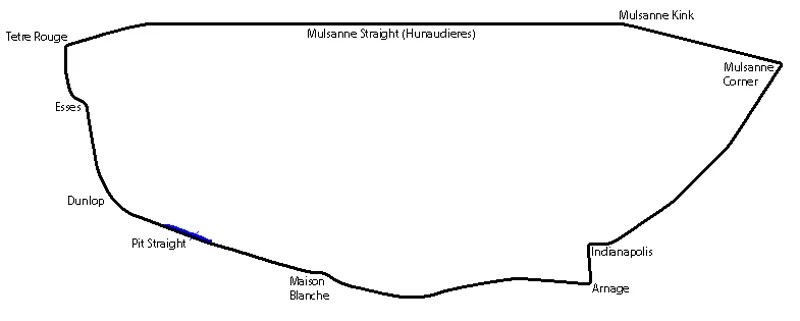
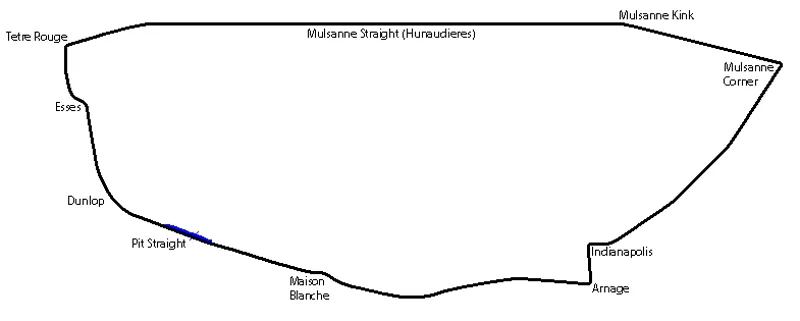
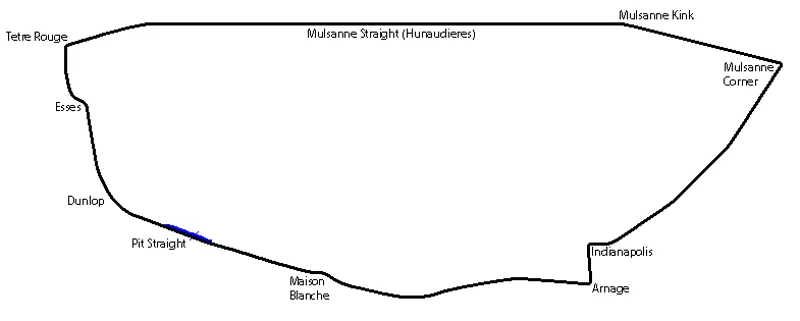
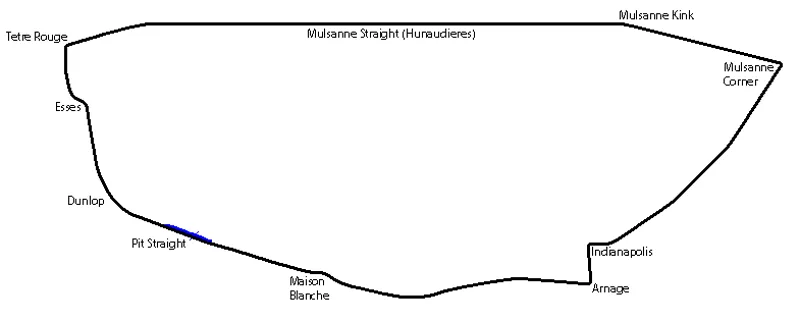
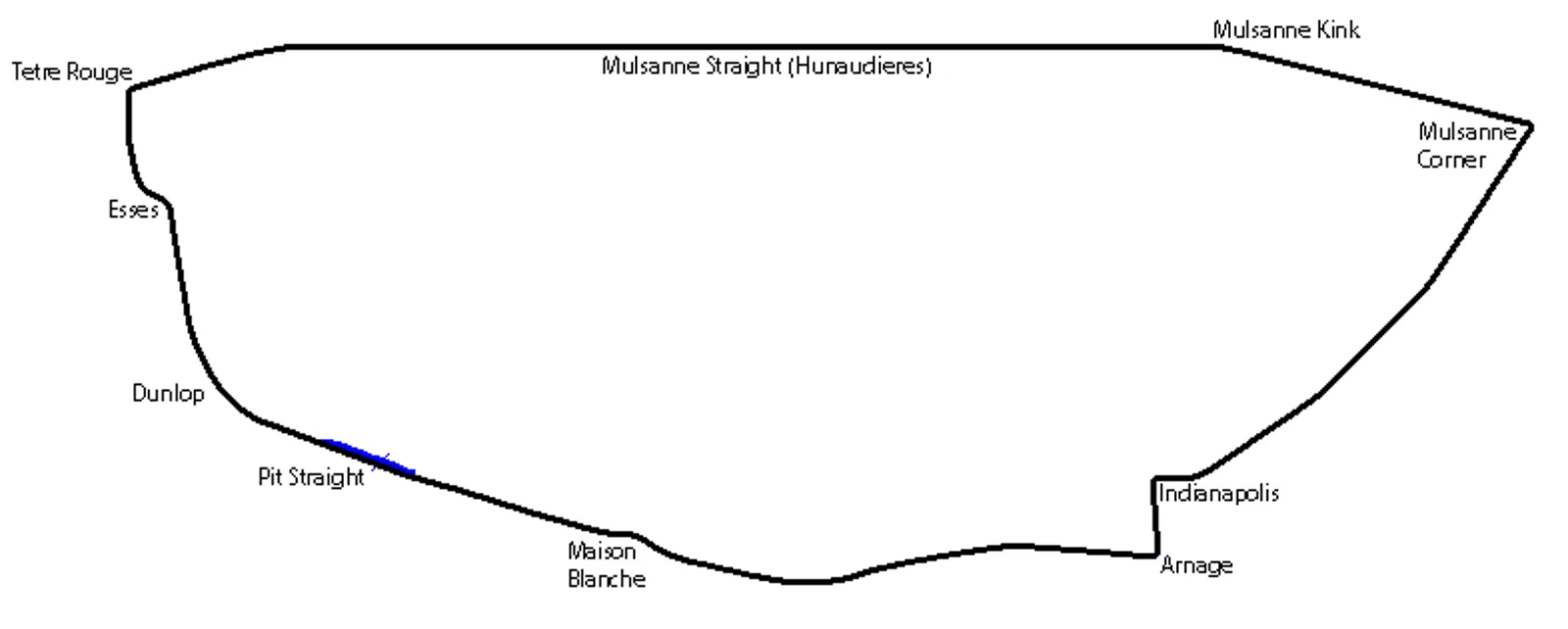
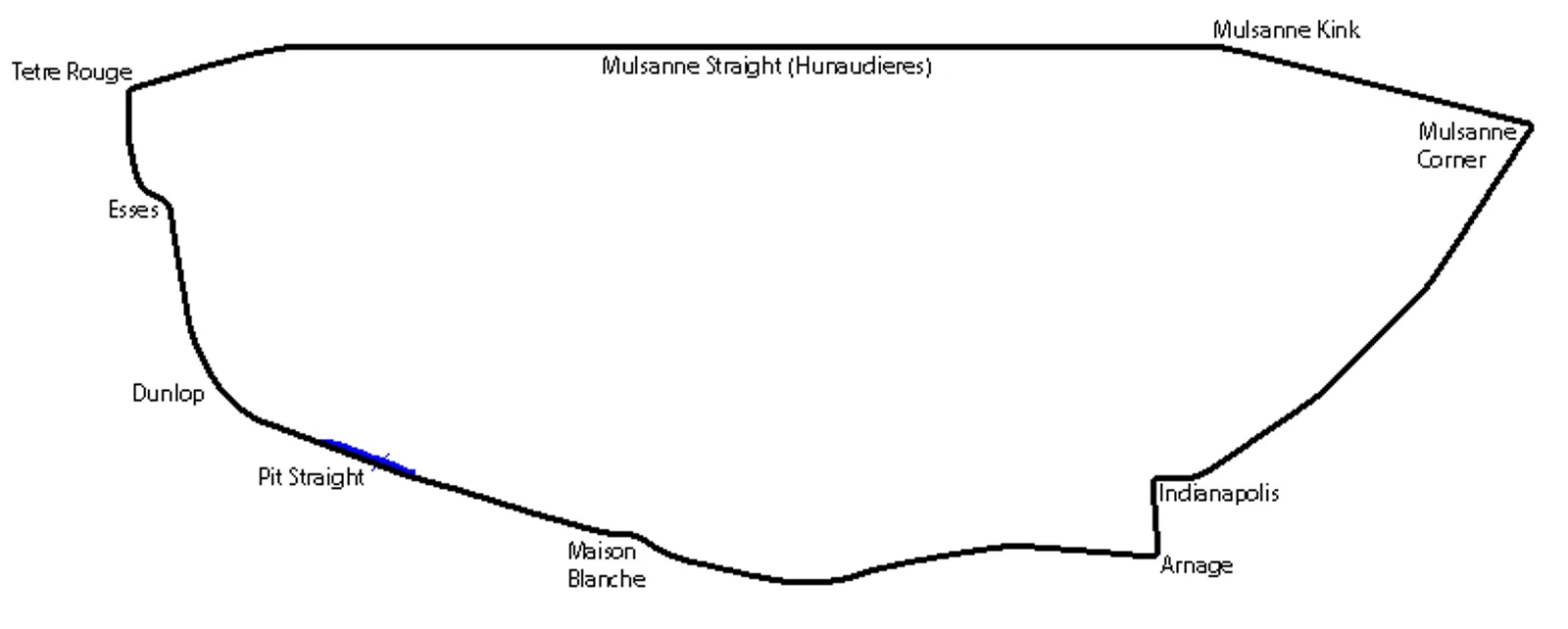
The race was run on the Circuit de la Sarthe, a 13.5 km (8.4 mi) circuit that the cars lapped for 24 hours. It took place on 25 and 26 June 1960, a week after the Belgian Grand Prix, in which two drivers were killed and Stirling Moss was seriously injured.
Once the rain arrived, Ferrari owned the top of the leaderboard.
Why did Ferrari need the 1960 race?
Ferrari had to win to take the World Championship, and it arrived with 13 entries from works and privateer teams. Porsche led the standings going into the race, while Ferrari had won only the opening round in Argentina. The team came prepared, and it knew the stakes.
Porsche's lead meant Ferrari could not leave the French race to chance. Its main competition was expected to come from Maserati and the British teams, although American Corvettes also appeared in the GT class.
The line-up had been reshuffled from the year before. Gendebien was paired with Paul Frere, while Phil Hill drove alongside Wolfgang von Trips. The works Ferraris were two updated Testarossas and two new TRI chassis, and the TRIs used independent suspension.
What new cars were in the 1960 field?
The most talked-about newcomer was Maserati's Tipo 61 Birdcage, run by the Camoradi Racing Team and sponsored by Goodyear tyres. It reached 170 mph (275 km/h) on the Mulsanne straight, faster than the Ferrari Testarossa at 160 mph (255 km/h). Jaguar also brought a prototype E-type, with 290 bhp.
Ecurie Ecosse was not in the race with a new car. It ran a six-year-old D-Type that had finished second in 1957, modified with an enlarged windscreen and luggage hump that took away from its old elegant lines. The Border Reivers team ran a modified Aston Martin, with Roy Salvadori, the previous year's winner, partnered by the rising Jim Clark.
Designer Giulio Alfieri read the windscreen rules closely. They set a minimum height but no angle, so the Birdcage carried a windscreen almost half the length of the car. That screen made the car very aerodynamic and very fast.
Maserati was still in financial difficulty that year, yet the Birdcage gave the marque a serious contender in its return to sports car racing.
The Jaguar was prepared with Briggs Cunningham, the American who was also Jaguar's New York dealer. Its 290 bhp gave a top speed of 158 mph (254 km/h), close to the Ferrari Testarossa's 160 mph (255 km/h). Porsche's RS60 was slower on the straight, at 145 mph (235 km/h), so the team ran smaller engines to compete in the two-litre class.
The GT classes were led by four Chevrolet Corvettes with 4.6-litre V8 engines. They produced over 300 bhp and reached 150 mph (240 km/h), making them the largest cars in the race. Eight Ferrari 250 GT Berlinettas also took the start, ready to fight the Corvettes for the GT class.
Lola was a new name in the smaller classes. Its Mk 1 used a Coventry Climax FWA engine, developing 90 bhp, and at 567 kg (1,250 lb) it was the lightest car in the field.
What changed in the 1960 rules?
The sports car rules followed the FIA's Appendix C, with a 120 mm (4.7 in) minimum ground clearance and a 13.5 metre (44 ft) maximum turning circle. Single stints could now run to 52 laps, about 4 hours, although total driver time stayed at 14 hours. Cars also had to finish the last lap within 30 minutes.
The Automobile Club de l'Ouest also dropped the minimum distance between fuel refills, which gave teams more freedom over their pit timing. That mattered because the larger windscreens had pushed up fuel use across the field.
To be classified, a car had to stay within 20% of its nominated Index distance at every 6-hour interval. Cars that could not hold that pace would not reach the classification, however fast they had been earlier.
The two handicap contests ran alongside the outright race, so a car could win a prize without winning the race itself. Drivers were still capped at 14 hours of total time, which meant every car ran a rotation of stints.
Prize money moved toward the fuel-economy contest. The Index of Thermal Efficiency paid a winner's purse of 30,000 New Francs, against 2,000 New Francs for the older Index of Performance. That split told teams where the organisers wanted effort to go.
How did practice crashes affect the field?
Two serious accidents came in practice. Dan Gurney's Jaguar struck Fritz d'Orey's Ferrari at 150 mph (240 km/h), and the Ferrari broke in two. Jonathon Sieff's Lotus then suffered a suspension collapse, and Lotus withdrew its 2-litre GT entry as a precaution.
D'Orey suffered severe head injuries and spent eight months in hospital. The Ferrari, a Scuderia Serenissima entry, was broken in two by the impact.
When the public roads reopened on Friday, Gurney's repaired Jaguar went out for test laps. Its handling was not perfect, the team found, so the car needed more work before the race.
What happened when the rain arrived?
Torrential rain hit the circuit within three hours of the start and water got into the engines. Accidents followed quickly, and many drivers pitted for cushions so they could see over their screens. The rain thinned the field through the night.
Bill Kimberly took over a Corvette that his team manager had sent out on slick tyres. The car aquaplaned at Maison Blanche and rolled, but it came to rest the right way up, and Kimberly was unhurt.
By the middle of the night the leaders had found a clear road. The Ferraris kept coming, while one rival after another fell out of the running, and the rain made every lap a test of nerve.
How the race unfolded
The early pit stops went badly for the Italian cars. Von Trips and Scarfiotti ran out of fuel on lap 22, and the enlarged windscreens had raised drag and fuel use all along. Both cars were stranded, which was costly for a team that needed a win.
The Maserati suffered too. Its starter motor failed at a pit stop, and the car lost nearly an hour and 11 laps while the part was replaced. That cost the Maserati any chance of a podium finish. Casner's own Maserati later retired with engine trouble, probably caused by debris from a slide into the Tertre Rouge sand trap.
Frere and Gendebien took the lead after a refuelling stop, and by the four-hour mark they led by a lap. Gendebien had been fortunate on fuel, running dry just as he reached the pits, and he coasted into his pit box. Pedro Rodriguez moved up from fifth to lap Mairesse into second, but he lost that place during a ten-minute stop to cure a misfire.
The Ecosse Jaguar retired at Arnage with a broken camshaft. Whitehead's Ferrari detonated its engine on the Mulsanne straight and was out. Those two retirements took cars away from the chasing pack, and the gap at the front kept widening.
Clark and Salvadori's Aston Martin reached second overnight, and it held that place for a long stretch. The Porsche lost three of its gears with a couple of hours to go and was parked for the final quarter-hour before a difficult last lap. The Corvette engine seized just after the finishing line.
The Fitch and Grossman Corvette ran short of water well before its next fluid stop. The crew packed ice from the VIP tent around the engine, and the driver was told to run ten-minute laps to the finish, drawing a crowd as he did so.
The Cunningham Jaguar lost three laps at the start to fuel-injection problems. It fought back up the order, lost more time with burnt pistons, and a blown head gasket ended its race after midnight.
Results and class placings
| Position | Crew | Car | Result |
|---|---|---|---|
| 1 | Gendebien and Frere | Ferrari | Winners, four laps clear |
| 2 | Ricardo Rodriguez and Andre Pilette | Ferrari | Four laps behind the winners |
| 3 | Roy Salvadori and Jim Clark | Aston Martin | A further four laps adrift |
| 4 to 7 | Ferrari 250 GT cars | Ferrari | Finished in formation |
| 8 | Fitch and Grossman | Chevrolet Corvette | Eighth overall |
| 9 | Second Aston Martin | Aston Martin | Leaked oil for most of the race |
| 10 | Porsche GT | Porsche | Tenth overall |
How did the smaller classes finish?
Four of the five DB-Panhards finished, and one coupe returned 32 mpg-imp (8.8 L/100 km; 27 mpg-US) for fuel economy. The Lotus Elites won the Index of Thermal Efficiency. In the 1-litre class the Austin-Healey Sprite finished ahead of the DBs, and the privateer MG was the first two-litre car home.
The open-top DB spyder of Armagnac and Laureau won the Index of Performance, running more than 25% beyond its nominal distance. The Ferrari GTs followed their 3-4-5-6 result of the year before with a 4-5-6-7, finishing in a close formation behind the leading Testarossas.
Three Triumphs ran in a formation finish, but none was classified. Valve problems had troubled them all race, and none could cover the mandatory distance.
The fastest lap of the race was set by Masten Gregory at 198.60 km/h (123.40 mph). The race distance of 4,217.53 km (2,620.65 mi) was the figure the organisers recorded for the winners.
What did the win mean for Belgium and Frere?
Gendebien's win was his second at Le Mans, and Frere stepped away from driving soon after it. The Belgian king sent telegrams of congratulation to the drivers, and Prince de Merode, president of the FIA, had been honorary starter at the start.
Frere's exit from the cockpit came straight after the win, and he returned to journalism. Three of the four drivers in the first two cars were Belgian, which made the result a national one.
The Biennial Cup was awarded for the last time that year. It had rewarded the best performance over consecutive years, and the 1960 race marked the end of that award.