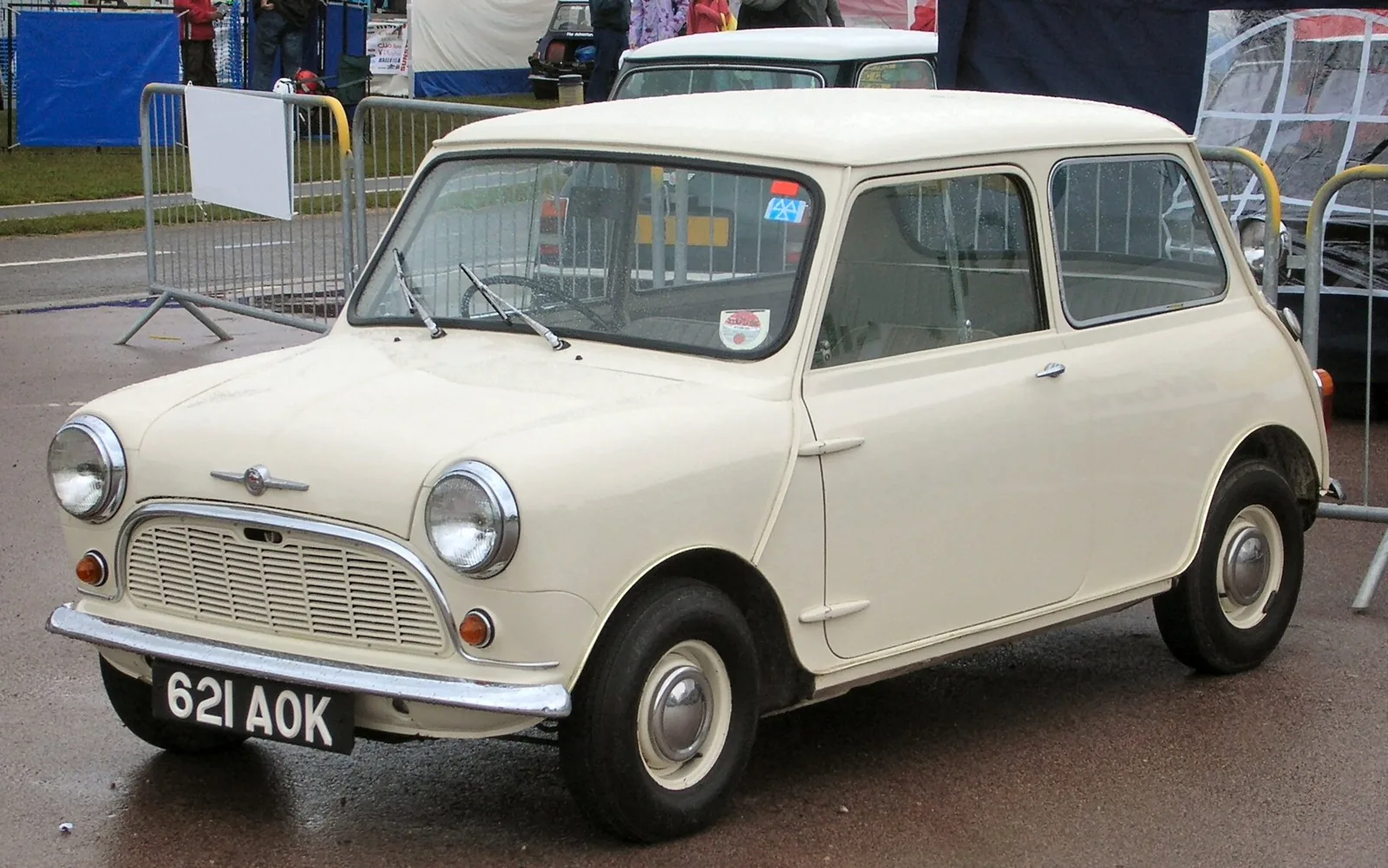
From state-owned British Leyland to the BMW years and the 2005 receivership, the models, owners and sales that shaped the Rover Group.
Rover Group was the British car conglomerate formed by renaming BL plc in 1986. It held the Rover, MG, Mini and Land Rover names at various points, passed from state ownership to British Aerospace and BMW, and its car business collapsed in 2005.
Rover Group was the British car business that BL plc became in 1986, a conglomerate that held the Rover, MG and Land Rover names. It passed from government hands to British Aerospace and then to BMW, and its car arm was broken up in 2000 before MG Rover collapsed in 2005.
How did BL become the Rover Group?
BL plc, previously British Leyland, was renamed The Rover Group plc in 1986 after Margaret Thatcher appointed Graham Day to lead it. Day, a Canadian, pruned the business by selling off commercial vehicles, buses and spare parts before the group was privatised in 1988.
The group had been state-owned since 1975, when it was still called British Leyland. Its vehicle arms included Land Rover, Freight Rover vans and Leyland Trucks, and Day was determined to shed or refocus most of them. Leyland Trucks and Freight Rover went to DAF in 1987, while Leyland Bus went first to a management buyout and then to Volvo in 1988.
Unipart, the spare parts operation, was sold in a management buyout led by John Neill. What remained was the car arm and Land Rover, which British Aerospace bought for 150 million pounds in 1988. Graham Day stayed on as joint chief executive and chairman, and Kevin Morley took charge of the Rover car side.
The name changed as well. The Austin brand was dropped in 1987, because the new management felt that its association with the poor cars of the 1970s had tarnished it. In 1989 the group became Rover Group Holdings Limited, and by then Rover, Land Rover and MG were the only brands still active.
A British carmaker that moved from state control to a Phoenix rebirth and ended in receivership in 2005.
Why did the company focus on the Rover name?
Management concluded that the Austin name had been damaged by the poor quality of 1970s cars, so it chose to build its image around Rover as an upmarket brand. Models that had been badged as Austins were repositioned, with a bonnet badge that showed the model name rather than the marque.
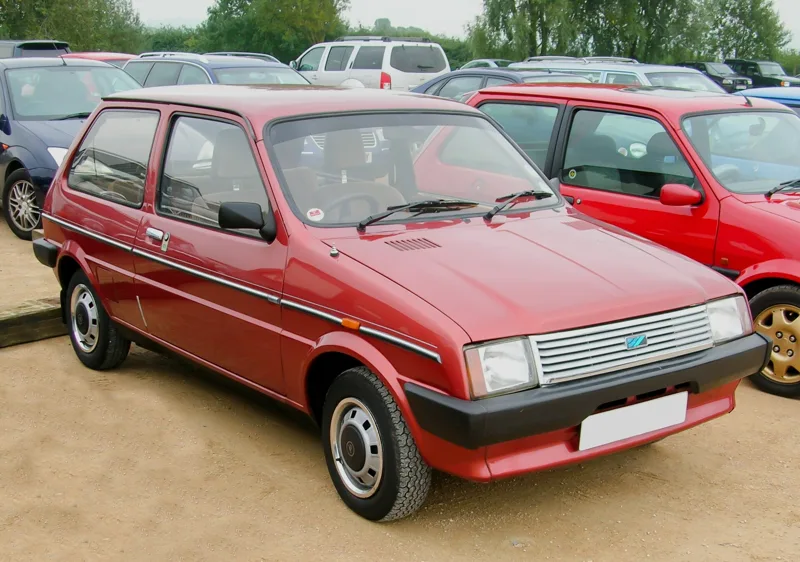
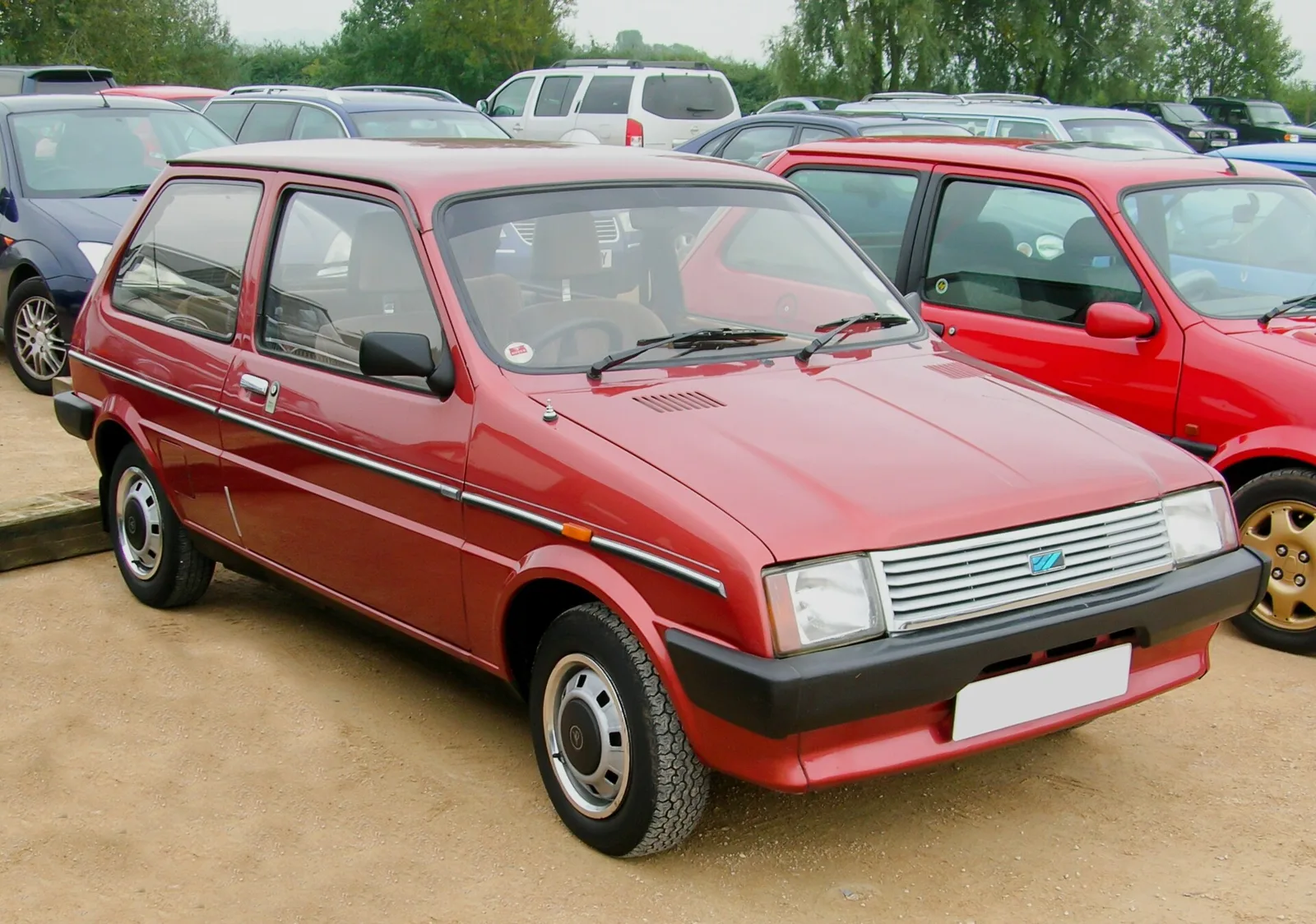
The Montego saloon and Maestro hatchback were the first examples, and they carried a bonnet badge shaped like the Rover longship without the Rover lettering. When the Austin Metro was facelifted for the 1990 model year, it was sold as the Rover Metro. The approach kept the volume cars inside one premium identity, even though it did not solve the sales problem that the group faced.
Dormant trademarks were also part of the inheritance. The group still owned the names Triumph, Morris, Wolseley, Riley and Alvis from the many companies that had merged into British Leyland and its predecessors. Those names were not used in the 1990s, but they formed part of the asset base that later buyers would examine closely.
Which models carried the group through the 1990s?
The Rover 200 and 400 were the volume cars of the early 1990s. The 200 hatchback arrived in October 1989 and the 400 saloon followed in April 1990, while the Rover 600 launched in April 1993 was based on the Honda Accord.
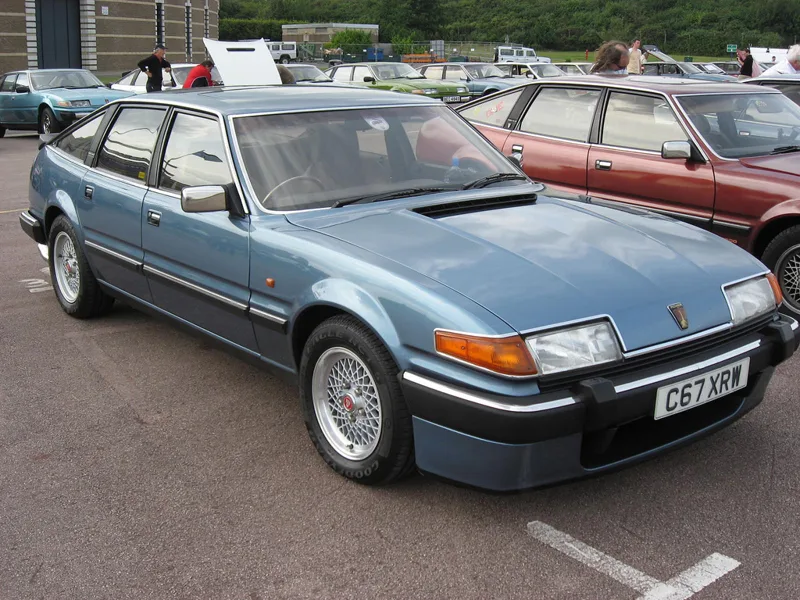
A Longbridge-built Honda Concerto had covered similar ground since 1988, with more equipment but only a fraction of the sales. The earlier collaboration with Honda also produced the Rover 800, which went on sale in July 1986 and was developed with the Honda Legend. The 800 sold well among executive buyers, but its replacement planned for the 1992 model year was cancelled, so the 600 took over many of its flagship duties.
Smaller cars had a harder time. The Metro's successor, the Rover 100, ended production in 1997 after a poor crash test result, and demand fell sharply before that. The Maestro and Montego ended in December 1994, and some of their kits were later assembled in Bulgaria and in England, although the business did not succeed there.
The MG badge came back in 1995 with the MG F, a mid-engined roadster with a 1.8-litre 16-valve engine that won buyers with its styling and ride. The MG RV8 had come earlier, in 1992, with a 3.9 V8 borrowed from the Range Rover, and it was the badge's first step back into sports cars. In 1999 the 200 and 400 were facelifted and became the Rover 25 and Rover 45, and the Rover 75 arrived in 1998 as the successor to the 600 and 800.
How did Land Rover fit into the group?
Land Rover grew quickly in the late 1980s. The Range Rover was sold officially in America from 1987, and the Discovery, launched in Europe in 1989, became the continent's best-selling 4x4 within 18 months. Land Rover then closed satellite factories and shared parts across its models.
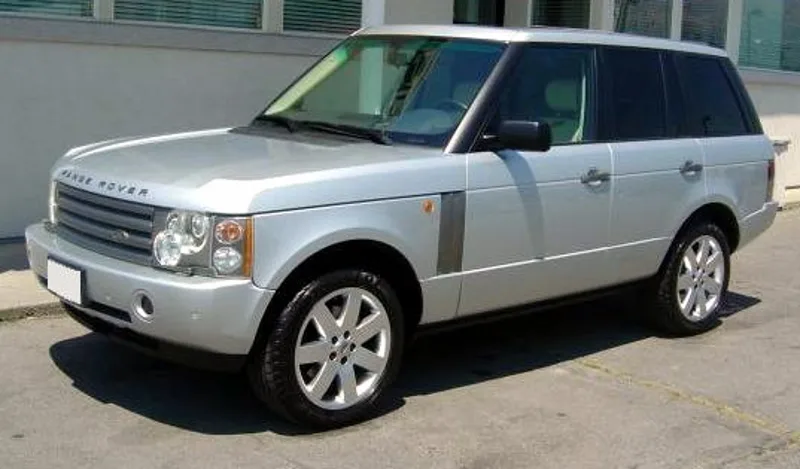
Axles, transmissions and engines were shared, and the Discovery used the same chassis as the Range Rover along with many body panels. The Ninety and One Ten range received the new diesel engine and was renamed the Defender in 1990. An all-new Range Rover arrived in 1994, and the Freelander followed in late 1997 as a mini-SUV that replaced the Discovery as Europe's best-selling 4x4.
The first NAS Range Rover was sold on 16 March 1987, when demand far exceeded supply and cars were often resold above their retail price. The repositioning as a luxury vehicle brought higher equipment levels and options such as an automatic gearbox and a diesel engine, which were offered for the first time.
Land Rover's later sale to Ford in 2000 split the group's heritage in two, because Ford acquired the business while the rest of the car arm went to the Phoenix Consortium. The Solihull plant and the Land Rover name moved on, and the two halves took very different paths.
What did BMW's ownership achieve?
BMW bought an 80% stake from British Aerospace on 31 January 1994 for 800 million pounds, and Honda sold its 20% holding a month later. Investment did not turn the company into a profit, and the Rover collapse was estimated to have cost BMW fifteen billion Marks.
The Honda alliance ended with the share sale. The licensing agreements behind the 200, 400, 600 and 800 remained in place, so the models kept selling while the company struggled. Supply lines that had depended on Honda were disrupted, and that added to the strain on the Rover business in the mid-1990s.
In March 2000 BMW announced its plan to sell the Rover Group. It kept the Mini brand and the Cowley plant, where the new Mini family was to be built. The Swindon Pressed Steel plant was also retained, and an all-new Mini began production in the summer of 2001.
The remaining businesses were offered to bidders such as Alchemy Partners and the Phoenix Consortium. The Phoenix group, led by former Rover executive John Towers, took the MG and Rover assets and the Longbridge plant. Land Rover and the Solihull plant went to Ford for 1.8 billion pounds, and the rest of the company went to Phoenix Venture Holdings for a nominal 10 pounds.
How did the MG Rover years end?
MG Rover sold over 170,000 cars in 2001, its best year, but sales fell away after that. Talks with Shanghai Automotive Industry Corporation failed in early 2005, and the company went into receivership on 7 April 2005, which suspended car production at Longbridge.
The new company had inherited a range built from the MG and Rover models. The original line-up included the classic Mini, which was built only under a temporary licence, along with the Rover 25, 45 and 75 and the MG F. The MG ZR, ZS and ZT, launched in 2001, were sporting versions of the Rover 25, 45 and 75, and a smaller CityRover came later, built in India in a venture with Tata.
BMW had agreed to support the new owners with a dowry that included a 427million pound interest-free loan and stocks of cars. It was intended to keep the business running for a guaranteed period, but the financing did not secure a long-term future for Longbridge, and the company had to sell property to survive.
MG Rover sold parts of Longbridge to St. Modwen Properties for 57.5M pounds in a lease-back deal. It also sold the rights to manufacture the Rover 25 and 75, along with the Powertrain business, to SAIC for 67M pounds to keep afloat as sales declined. After liquidation, Nanjing Automobile Corporation bought the MG marque and the leftover assets, and in December 2007 Nanjing and SAIC announced a merger.
Who holds the Rover name today?
Ford bought the rights to the Rover name from BMW for about 6 million pounds in 2006. Ford had gained a first option on the brand when it acquired Land Rover, and it used that option to protect the name rather than revive it.
When Ford sold Jaguar and Land Rover to Tata Motors in 2008, the Rover name moved with them, alongside the historic Daimler and Lanchester marques. The name still belongs to Tata's group, while Jaguar Land Rover holds much of the historic Rover company's assets, and the Rover marque has not been revived.
What were the main ownership changes?
The group changed hands several times between 1986 and 2008, and each change altered which marques were kept, sold or closed. The table below lists the decisive events in order, with the figures given for each.
| Year | Event | Detail |
|---|---|---|
| 1986 | Renaming | BL plc became Rover Group plc under Graham Day |
| 1988 | Privatisation | Sold to British Aerospace for 150 million pounds |
| 1994 | BMW stake | 80% from British Aerospace on 31 January for 800 million pounds |
| 2000 | Land Rover | Sold by BMW to Ford for 1.8 billion pounds |
| 2000 | MG and Rover | Sold to Phoenix Venture Holdings for a nominal 10 pounds |
| 2005 | Receivership | MG Rover went into receivership on 7 April 2005 |
Is the Rover brand still active?
The Rover marque remains in the hands of Tata Motors through Jaguar Land Rover, but it has not been revived as a car brand. Its last cars were built under the MG Rover company, and the name has been dormant for more than a decade.