From the Targa Florio and the 917 to a 1962 Grand Prix win, TAG-Porsche championships, a Le Mans hat trick and a 2024 IMSA double, the story of a company built on endurance racing.
Porsche has won many long-distance races, including Le Mans overall in 1970 with the 917 and a hat trick with the 919 Hybrid from 2015 to 2017. It won a Formula One race in 1962 and TAG-Porsche titles in 1984 to 1986.
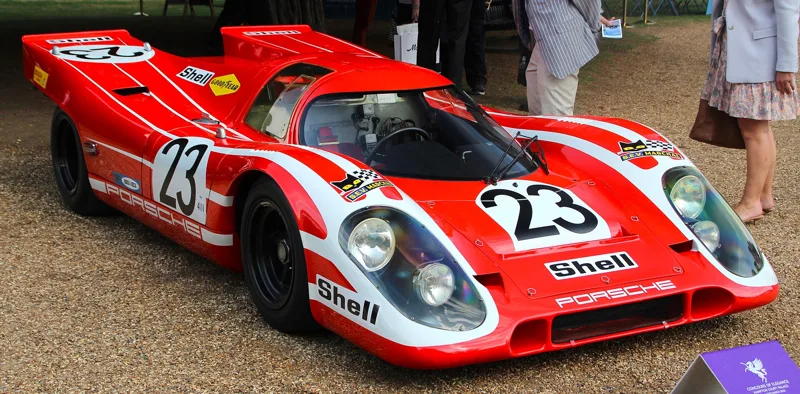
Porsche has built much of its motorsport success in long-distance races, and it is one of the most decorated manufacturers at Le Mans. The 917 of 1969 turned Porsche into a powerhouse and produced its first overall Le Mans win in 1970. Later the 919 Hybrid won three Le Mans races in a row, and the 963 brought a new generation of factory success in IMSA.
What is Porsche's motorsport record?
Porsche has been successful in many branches of motorsport, most of them long-distance events. Its record includes the Targa Florio, the Carrera Panamericana, Le Mans, IMSA, the World Endurance Championship, Formula One engines, rallying and Formula E.
Porsche has also been a constructor of race cars for customers. Many of its cars are run successfully by private teams, and some of those teams have beaten the factory itself.
A road car maker that built a racing name on endurance, from the 917 to the 963, and still returns to the track.
How did Porsche's early racing begin?
Porsche's early involvement in motorsport was limited to supplying small engines to racing underdogs until the late 1960s. By the mid-1950s, however, it had tasted moderate success in sports car racing, most notably in the Carrera Panamericana and the Targa Florio.
Porsche AG ran the factory effort, and A second works squad, Porsche Salzburg, was formed in 1969 to take on part of the load. Martini Racing and John Wyer's Gulf Racing also received factory support, which let the factory concentrate on development.
Porsche started racing with lightweight, tuned derivatives of the 356 road car. The 550, 718, RS and RSK models formed the backbone of its racing programme through the mid-1960s, and its cars won their classes in many races before taking overall victories.
How did the 917 change Porsche's position?
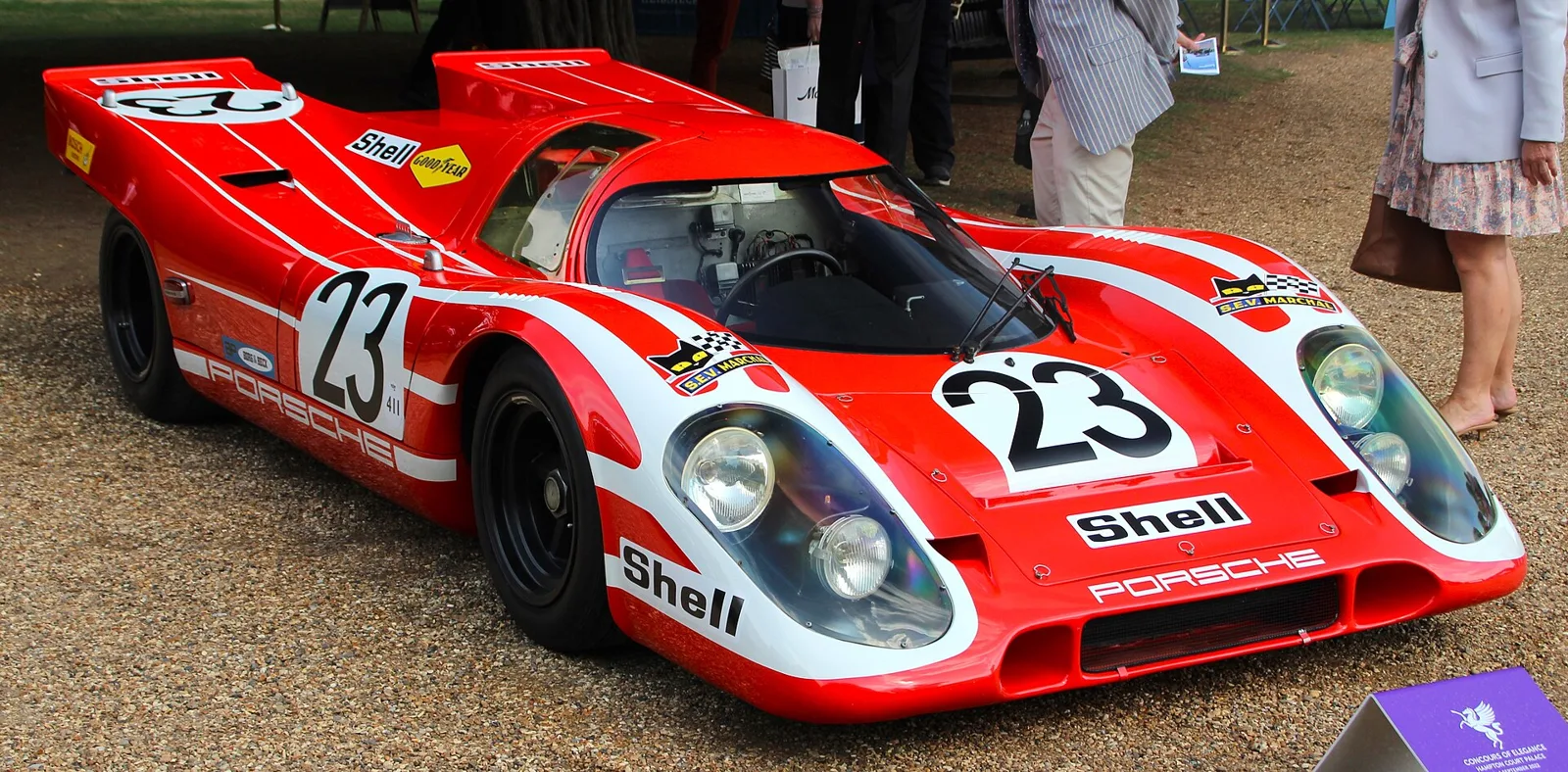
The Porsche 917 of 1969 turned the company into a powerhouse. It won the first of over a dozen Le Mans 24 Hours in 1970, more than any other company. Within a few years the 917 had become the fastest and most powerful race car of its time, reaching 380 km/h at Le Mans.
The 917 came from a company that had already collected many class wins. Porsche won the Targa Florio in 1956, 1959, 1960 and 1964, then every year from 1966 to 1970. Porsche also cooperated with Penske in CanAm, where the 917 went to work.
The car's power was staggering in CanAm, where it produced 1580 hp. That performance grew from a series of engine developments, starting with the 8-cylinder flat engine that was expanded to 2.2 litres in the 907 and reached three litres in the 908.
Why was the 911 so important in the 1970s?
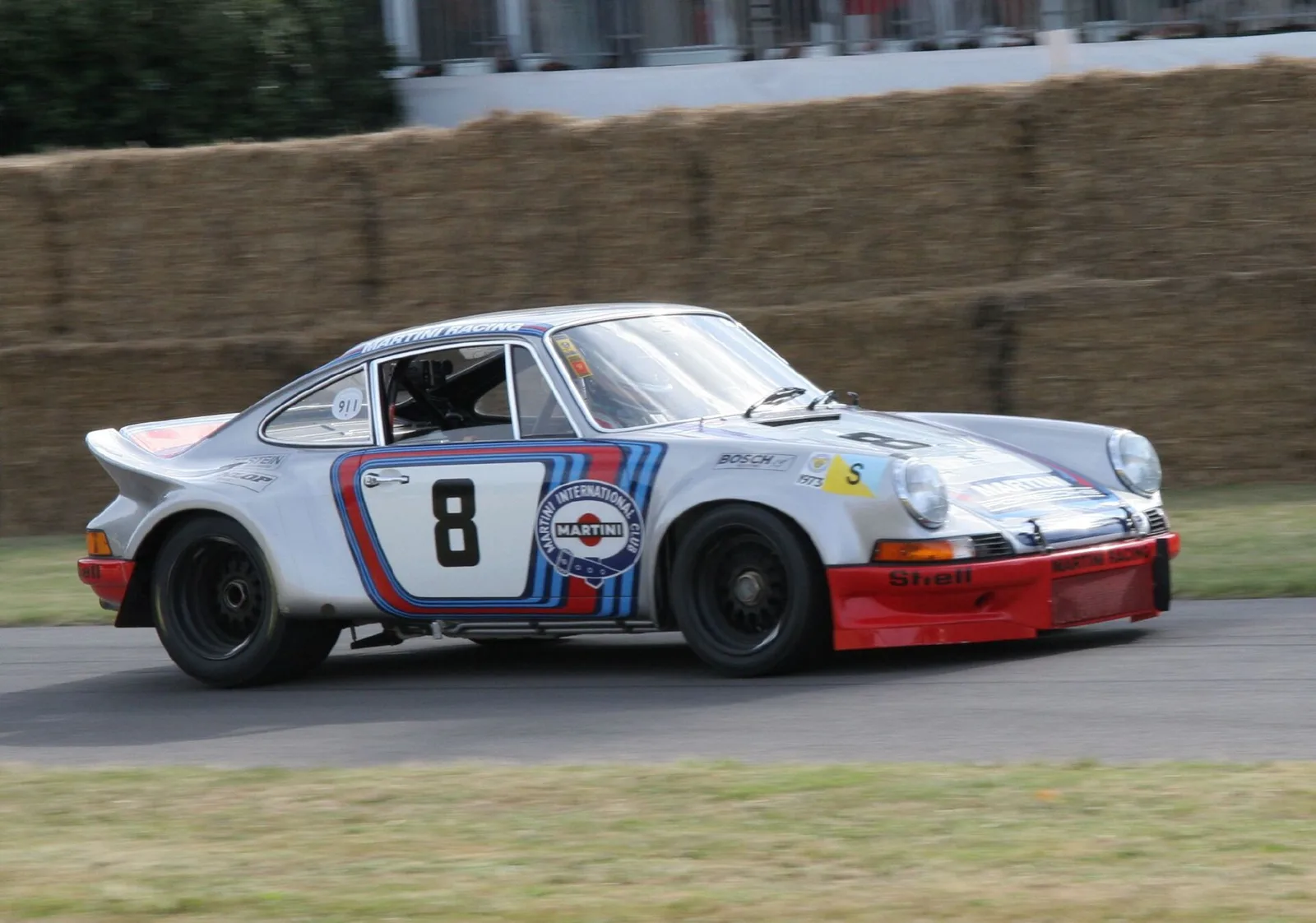
The Porsche 911 was introduced in 1963 and won the Rally Monte Carlo, but it established its reputation in production-based road racing mainly in the 1970s. The 911 Carrera RSR won the Targa Florio, Daytona and Sebring in the mid-1970s.
The Porsche 935 won Le Mans in 1979. The 911 was not used very much in the 1980s because of regulation restraints, but it returned in the 1990s, and the 996 GT3 became a racing success after its 1999 introduction.
What did the 1980s and 1990s bring at Le Mans?
Porsche moved on to dominate IMSA GTP in the 1980s with the 956 and 962C, which were among the most prolific sports prototype racers ever produced. The 924 GTP also won its class at Le Mans in 1981, despite the car not being intended to win outright.
Porsche scored unexpected Le Mans wins in 1996 and 1997. Joest Racing had raced the Porsche WSC-95 in Europe and won back-to-back Le Mans races with the same chassis. Porsche later won overall at Le Mans in 1998 with the 911 GT1-98.
How did the 919 Hybrid win at Le Mans?
Porsche returned to top-tier Le Mans racing in 2014 with the 919 Hybrid. Both cars suffered engine issues with an hour and a half left to go, and they retired just as the number 20 car was chasing the leading Audi.
The 919 Hybrid then won the 2015 24 Hours of Le Mans, with Nick Tandy, Earl Bamber and Nico Hulkenberg driving. It won again in 2016 and completed a hat trick in 2017. The Porsche LMP1 programme also won the 2015 FIA World Endurance Championship overall.
In mid-2017 Porsche announced that it would close its LMP1 programme at the end of the year. The company then focused on its all-electric and hybrid road cars and on Formula E.
What did the 963 bring to IMSA and the WEC?
In May 2021 Porsche announced its return to the WEC's new LMDh category, with Penske running the factory team. The company also returned to IMSA for 2023, running two new Porsche 963 cars in each competition.
The 963 made its WEC debut at the 2023 1000 Miles of Sebring, where it finished fifth and sixth. The 963 won its first IMSA race on the Streets of Long Beach, and Porsche finished 2024 with the IMSA manufacturers' and drivers' championships.
In 2024 Porsche's factory team finished 4th and 6th at Le Mans. The same year it won the FIA World Endurance drivers' championship and the World Cup for Hypercar Teams with customer teams, and it finished second in the manufacturers' standings behind Toyota.
In 2025 the 963 won the first four IMSA races of the season, and its number 6 car finished second at Le Mans, 14 seconds behind the race-winning Ferrari. On October 7, Porsche announced that it would end its factory programme in the WEC after 2026 following financial losses.
How did Porsche do in rallying?
Porsche's 911 was a serious competitor in rallies. The works team was present in rallying from the 1960s to the late 1970s, and it took three double wins in a row in the Monte Carlo Rally, in 1968, 1969 and 1970.
The private 911 scene in Ireland was also strong. Cathal Curley won four International Rallies in a 2.7 Carrera RS, which were mechanically standard cars straight from the showroom. Jean-Pierre Nicolas won the 1978 Monte Carlo Rally with a private 911 SC.
Porsche's second WRC win came at the 1980 Tour de Corse. The Porsche factory team also won the Paris-Dakar Rally in 1984 and 1986, using 911-derived cars, including the 959.
Did Porsche win in Formula One?
Porsche's only win as a constructor came at the 1962 French Grand Prix, when Dan Gurney drove the Porsche 804 to victory. Porsche withdrew from Formula One at the end of 1962 because of the high costs.
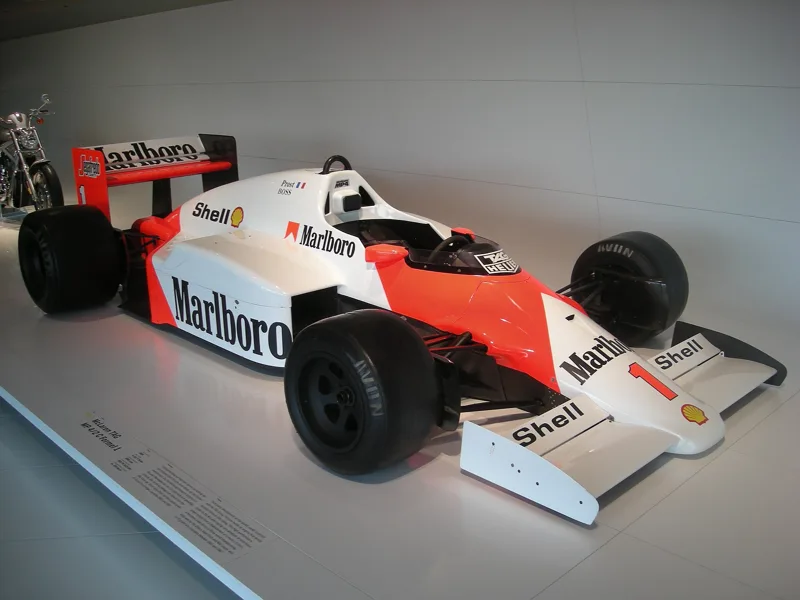
Porsche returned in 1983 as an engine supplier to McLaren, with water-cooled V6 turbo engines badged as TAG units. The engines were funded by TAG, and the Made by Porsche badges became visible once the engines proved their worth.
TAG-Porsche powered cars took the constructors' titles in 1984 and 1985 and three drivers' crowns in 1984, 1985 and 1986. Alain Prost won 19 of McLaren's victories in 1985 and 1986, which made the engine one of the defining powertrains of the decade.
Porsche returned to Formula One as an engine supplier in 1991, with disastrous results. The Footwork Arrows cars with the Porsche 3512 failed to score a single point, and Porsche was dropped in favour of Cosworth engines.
What is Porsche's Formula E record?
Porsche left the WEC after 2017 to focus on Formula E, which it entered for the 2019-20 season. Neel Jani was the first driver announced for the new team, and Andre Lotterer and Pascal Wehrlein later drove for it.
Wehrlein won the 2022 Mexico City ePrix from pole, the team's maiden victory. He went on to win the 2023-24 Formula E title, clinching it six points ahead of Mitch Evans. The squad also took the 2024-25 teams' title.
What about IndyCar and the Carrera Cup?
Porsche first tried the 1980 Indianapolis 500 with Interscope Racing and Danny Ongais. Its boost pressure was later cut, and Porsche withdrew. It returned to CART in 1987 with Al Unser, and Teo Fabi gave the team its best oval result by finishing second at the 1989 Marlboro 500 at Michigan.
Porsche Carrera Cup, a one-make series for 911s, began in 1986 in Germany with the 964 Cup car. Dominique Dupuy won the French Carrera Cup five times between 1992 and 1999, and the series remains a key feeder for the Porsche Supercup.
What are the key results at a glance?
| Year | Series | Driver or car | Result |
|---|---|---|---|
| 1962 | Formula One | Dan Gurney, Porsche 804 | French Grand Prix win, Porsche's only constructor win |
| 1970 | Le Mans | Porsche 917 | First overall Le Mans win |
| 1979 | Le Mans | Porsche 935 | Le Mans win |
| 1984 | Formula One | TAG-Porsche | Constructors' and drivers' titles |
| 1998 | Le Mans | 911 GT1-98 | Overall win |
| 2015 | Le Mans | 919 Hybrid | Le Mans win, first of the hat trick |
| 2017 | Le Mans | 919 Hybrid | Le Mans win, completing the hat trick |
| 2023 | IMSA | 963 | First IMSA race win, Long Beach |
| 2024 | IMSA | Porsche factory team | Manufacturers' and drivers' championships |
| 2025 | Le Mans | 963, car 6 | Second overall, 14 seconds behind |
| 2023-24 | Formula E | Pascal Wehrlein | Drivers' title |
Why does Porsche's motorsport record matter?
Porsche's record matters because it shows how a road car maker built a racing identity around endurance. Its 917, 919 and 963 cars made the brand a fixture at Le Mans and in IMSA, while its customer teams carried the name into many more series.
The record also shows how a manufacturer can exit and return. Porsche left Formula One and then returned as an engine supplier, and it moved from one series to the next as its strategy changed, which makes its history a useful case study.