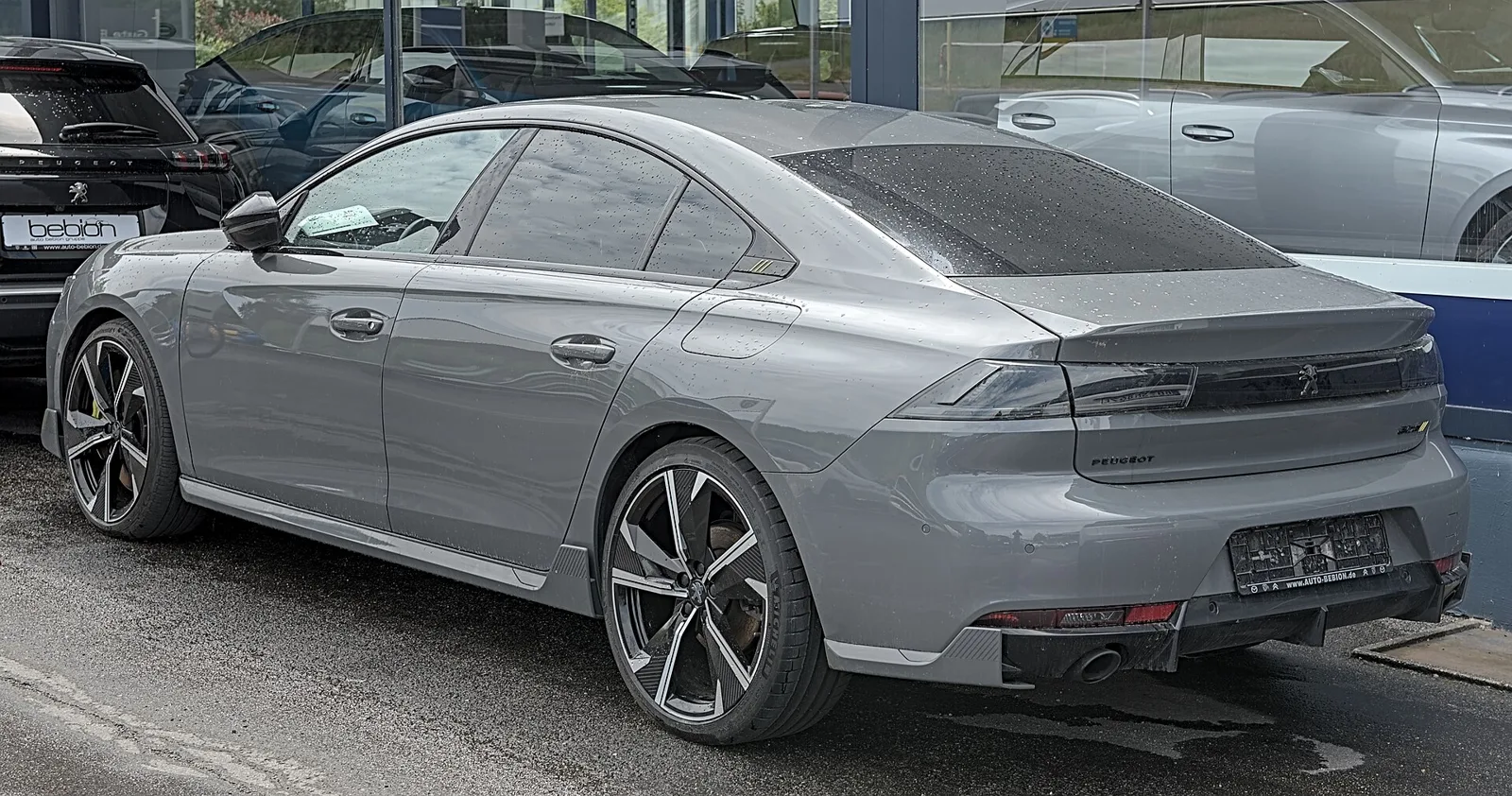
The French carmaker's motorsport department, formed in 1981, won world titles in rallying and at Le Mans and returned to the top class of endurance racing in 2022.
The motorsport arm of Peugeot dates from 1981 and has raced in rallying, sportscars, Formula One and touring cars. Its results include Group B rally titles, Le Mans wins and Pikes Peak records. Its Hypercar entry returned it to the top class of endurance racing in 2022.
Peugeot Sport is the department of the French carmaker Peugeot that runs its motorsport programmes. Formed in 1981, it won rally world titles in the Group B era, took Le Mans victories in the 1990s and 2000s, and returned to top-class endurance racing in the 2020s.
What is Peugeot Sport?
Peugeot Sport is the Peugeot department responsible for motorsport activities. The department began in 1981 as Peugeot Talbot Sport. Jean Todt, who had co-driven in the World Rally Championship alongside Talbot's Guy Frequelin, was the figure Peugeot turned to for the job.
The rally team was based near Paris, and its sportscar team later moved to Velizy-Villacoublay. Across four decades the department has worked in rallying, rally raid, sportscars, Formula One, touring cars and Pikes Peak, and it has been a major part of the brand's competition story.
A department that went from Group B rally titles to Le Mans wins, a costly Formula One era and a return to the Hypercar class.
How did Peugeot Sport begin in rallying?
The rally team debuted its Group B Peugeot 205 Turbo 16 in the 1984 season, and it took its first victory at Rally Finland through Ari Vatanen. In the 1985 season Vatanen and Timo Salonen won seven of the 12 rounds, giving Peugeot its first manufacturers' title and Salonen the drivers' crown.
Vatanen was seriously injured in an accident in Argentina during 1985, so Juha Kankkunen replaced him for 1986 and delivered a second consecutive title. The FIA then banned Group B cars for 1987 after the fatal accident of Henri Toivonen, and the team turned to rally raid.
The 205 won the Dakar Rally in 1987 and 1988, and the 405 won it in 1989 and 1990. Peugeot Talbot Sport also entered the Pikes Peak Hillclimb three times between 1987 and 1989, winning the last two years.
How did Peugeot win at Le Mans and in sportscars?
In November 1988 Peugeot Talbot Sport launched the Peugeot 905 project at Velizy-Villacoublay, aiming to compete in the World Sportscar Championship from the 1991 season. The 905 first raced in the last two rounds of 1990, and its best showing came with second place in 1991.
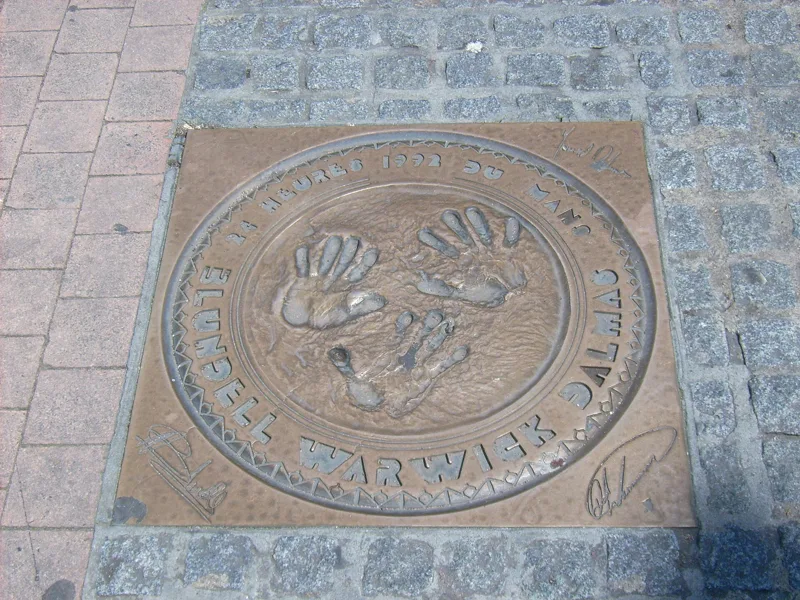
In 1992 Peugeot won the 24 Hours of Le Mans with Derek Warwick, Yannick Dalmas and Mark Blundell, and the same crew helped the team take the World Sportscar Championship with Philippe Alliot and Mauro Baldi. The championship did not run in 1993, but Peugeot still scored a 1-2-3 finish at Le Mans that year.
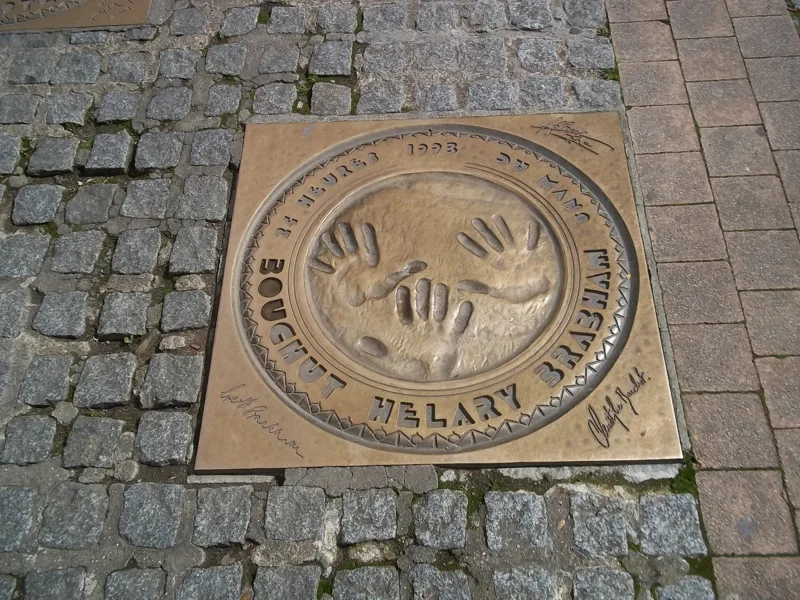
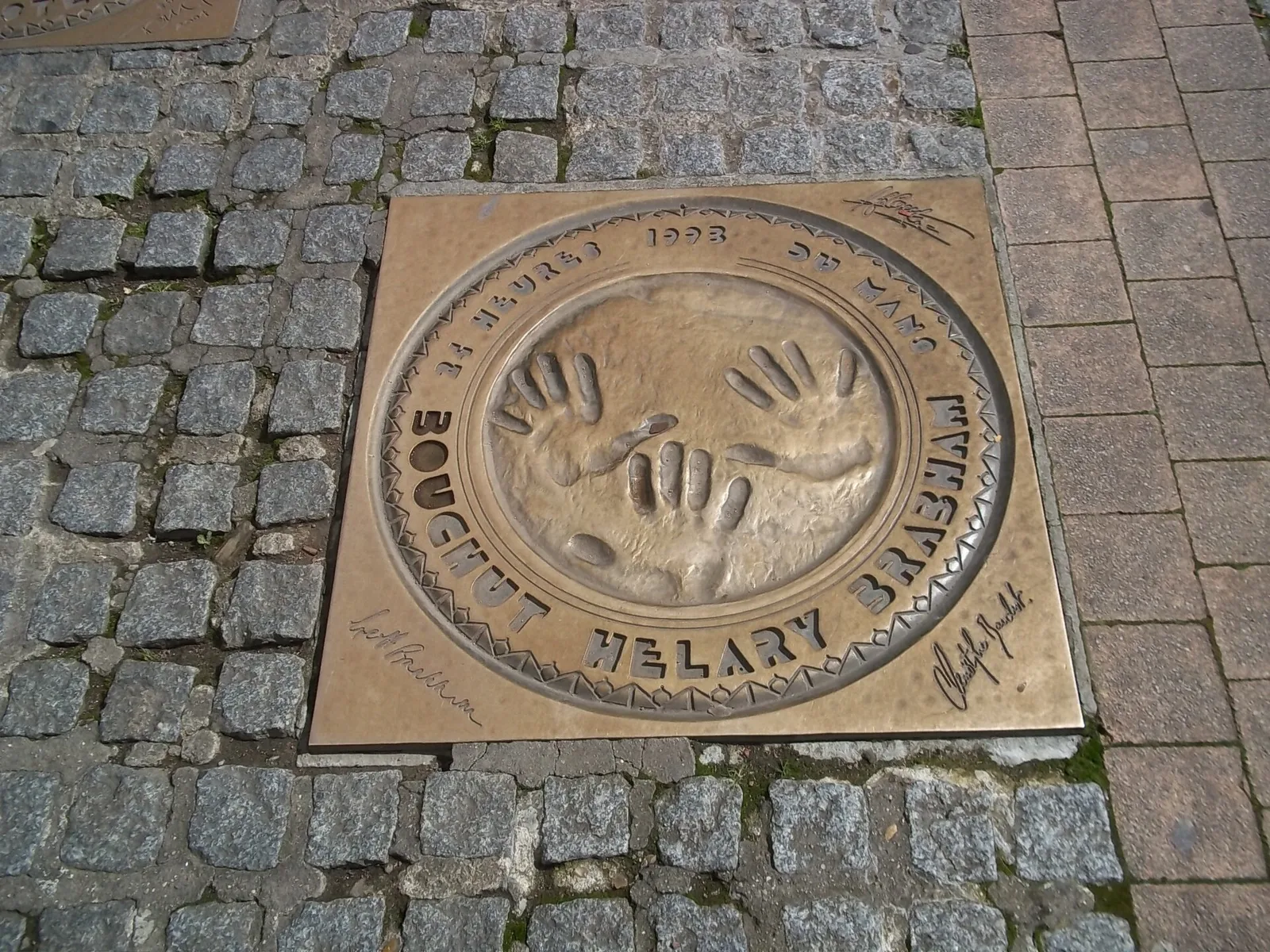
The 1993 winning car was driven by Eric Helary, Christophe Bouchut and Geoff Brabham. Peugeot Talbot Sport then pulled out of sportscar racing, and Jean Todt left the company for Scuderia Ferrari.
Why did the Formula One years end so badly?
Peugeot switched to Formula One for 1994 with a 3.5L V10 that was closely related to its sportscar engine. The unit was developed for McLaren, but poor reliability and a lack of promised factory support ended the partnership after 1994, when the engine had produced eight podiums, no victories and 17 retirements.
McLaren moved to Mercedes-Benz engines from 1995, and Peugeot then supplied Jordan in 1995, 1996 and 1997. Its best chance came at the 1995 Canadian Grand Prix, when Eddie Irvine and Rubens Barrichello finished second and third, and its best results with Jordan were five podiums.
Peugeot then moved to Prost for 1998, 1999 and 2000, and the deal turned sour. The terms changed so that Prost had to pay for the engines over three seasons rather than receiving them free over five, and the results collapsed. In 1998 the team scored a single point, while Jordan had earned 33 points with Peugeot engines in 1997.
In 1999 the Prost partnership managed nine points and a podium at the European Grand Prix, where Jarno Trulli finished second. The 2000 season was pointless, and Peugeot left Formula One after 115 entries and 14 podiums. The Peugeot engines were then used by the Asiatech consortium in 2001 and 2002, with Mark Webber finishing fifth on his debut at the 2002 Australian Grand Prix.
What happened in touring car racing?
Peugeot entered the British Touring Car Championship in 1992 with 405s for Robb Gravett. The team was run in-house from the company's factory in Coventry, and the 405 never won a race despite promising results over four seasons. The 406 replaced it in 1996, but the programme still lacked technical data from the French parent.
The works deal then went to Motor Sport Developments for 1997 and 1998, but wins still eluded the team. With costs spiralling in the series, Peugeot withdrew at the end of 1998. Its touring car success came elsewhere, with Laurent Aiello winning the 1997 Super Tourenwagen Cup season in a 406.
The 306 GTi won the Spa 24 Hours in 1999 and 2000, and Peugeot went on to win several national touring car titles. In 2001 the company entered three 406 Coupes in the BTCC, but the car was not competitive, and the 307 that replaced it in 2003 was also uncompetitive.
Peugeot later found more success in South America. It has raced in Stock Car Brasil since 2007, and in 2013 the 208 GTi took a one-two-three finish at the Nurburgring 24 Hours. Those results kept the marque's sporting name alive in touring cars.
How did the 206 WRC return go?
In 1999 Peugeot Sport returned to the World Rally Championship with the 206 WRC, under director Corrado Provera. The car debuted at the Tour de Corse with Francois Delecour, while Gilles Panizzi and Marcus Gronholm shared the second car over the remaining events.
In 2000 Gronholm won his first rally at Rally Sweden, followed by wins in New Zealand, Finland and Australia on his way to the drivers' championship. Panizzi won in Corsica and Sanremo, and the team took the manufacturers' title.
Didier Auriol replaced Delecour in 2001, and the team retained its manufacturers' crown even though Gronholm was only fourth in the drivers' standings. Richard Burns, the 2001 champion, then signed from Subaru for 2002, and Gronholm took his second drivers' title with back-to-back wins in New Zealand and Australia.
In 2003 Marlboro joined as title sponsor, and Gronholm won in Sweden, New Zealand and Argentina. Peugeot lost the manufacturers' title to Citroen that year. The 307 WRC arrived in 2004, with Harri Rovanpera winning in Finland.
For 2005 Peugeot signed Markko Martin from Ford. The season was overshadowed when Michael Park, the co-driver of Martin, was killed in Great Britain after the 307 WRC left the road. At the end of 2005 PSA Peugeot Citroen withdrew its WRC teams.
How did sportscar racing return in 2007?
Under the guidance of Michel Barge, Peugeot Sport returned to sportscar racing for 2007 with the 908 HDi FAP, taking on the dominant Audi. The car won on its debut at the 2007 1000km of Monza, driven by Marc Gene and Nicolas Minassian, and Stephane Sarrazin took pole at Le Mans that year.
In the 2007 Le Mans race, Sarrazin, Pedro Lamy and Sebastien Bourdais finished second behind the leading Audi, and Sarrazin and Lamy went on to win the Le Mans Series title. In 2008 Peugeot locked out the first three places on the Le Mans grid and finished second, third and fifth in the race.
In 2009 Olivier Quesnel joined as director of Peugeot Sport too. At Le Mans that year the team scored its first victory there since 1993, with David Brabham, Marc Gene and Alexander Wurz winning ahead of the car of Franck Montagny, Bourdais and Sarrazin.
The team scored a 1-2 at the 12 Hours of Sebring in 2010, but reliability problems at Le Mans meant Audi finished 1-2-3. At the 2011 Sebring race an older Peugeot 908 owned by Oreca Racing won over the factory cars, and at Le Mans Peugeot was in a position to win before a strong Audi held on.
On 18 January 2012 Peugeot Sport announced its withdrawal from sportscar racing, citing lower car sales and the economic downturn. A return was not ruled out, but it was unlikely before 2015.
What did the Hypercar return bring?
On 13 November 2019 Peugeot announced that it would enter the Hypercar class of the 2022 FIA World Endurance Championship, a return after an 11-year absence. At the 2020 Le Mans race the group's chief executive unveiled renders of the car, and the Peugeot Hybrid4 powertrain was unveiled in December 2020 with Total.
On 8 February 2021 Peugeot revealed a driver line-up that included Loic Duval, Jean-Eric Vergne, Mikkel Jensen, Gustavo Menezes, Paul Di Resta and Kevin Magnussen, with James Rossiter as reserve. When Magnussen was announced for Haas F1 in 2022, Rossiter was promoted to a full-time driver.
Rossiter was later replaced by Nico Muller for the final round of 2022 and for 2023. Peugeot earned its first WEC podium finish at the 2023 6 Hours of Monza, a result that marked the start of its Hypercar record.
Why does Pikes Peak matter to Peugeot?
Ari Vatanen and Bobby Unser had won the Pikes Peak Hillclimb in the late 1980s, and Peugeot Sport later decided to combine its strengths with Sebastien Loeb for another attempt. In April 2013 a 208 T16 was tested by Loeb at Mont Ventoux, and the car was built to tackle the mountain road.
The T16 weighs 875 kg and has a 3.2-litre twin-turbo V6 developing 875 bhp, with a rear wing taken from the Peugeot 908. On 30 June 2013 it beat the standing record on Pikes Peak by more than a minute and a half, with an overall time of 8:13.878.
What are the key results?
| Programme | Result | Year |
|---|---|---|
| Rally, 205 Turbo 16 | Manufacturers' title, Vatanen and Salonen | 1985 |
| Rally, 205 Turbo 16 | Second consecutive manufacturers' title, Kankkunen | 1986 |
| Dakar Rally, 205 and 405 | Wins in 1987, 1988, 1989 and 1990 | 1987 to 1990 |
| World Sportscar Championship, 905 | Championship with Warwick, Dalmas, Alliot and Baldi | 1992 |
| 24 Hours of Le Mans | Victory with Warwick, Dalmas and Blundell | 1992 |
| 24 Hours of Le Mans | 1-2-3 finish | 1993 |
| World Rally Championship, 206 WRC | Manufacturers' title | 2000 |
| World Rally Championship, 206 and 307 WRC | Manufacturers' title, Gronholm drivers' title | 2002 |
| 24 Hours of Le Mans, 908 HDi FAP | Victory with Brabham, Gene and Wurz | 2009 |
| Pikes Peak, 208 T16 | Standing record, 8:13.878 | 2013 |
| FIA World Endurance Championship, Hypercar | First podium at the 6 Hours of Monza | 2023 |
What is the legacy of Peugeot Sport?
Peugeot Sport's legacy is a series of world-level results across very different eras, from Group B rallying and the 905 at Le Mans to the 206 WRC titles and the Hypercar return. Few marques have moved so often between disciplines while staying near the top.
Its Formula One years are the least happy part of the story, but they show how much a motorsport programme depends on factory support and reliable engines. The Hypercar programme is now the department's main public face in endurance racing.