A Red Bull win from pole, a wet practice week, a grid penalty clean-up and a title race that Brawn was close to sealing.
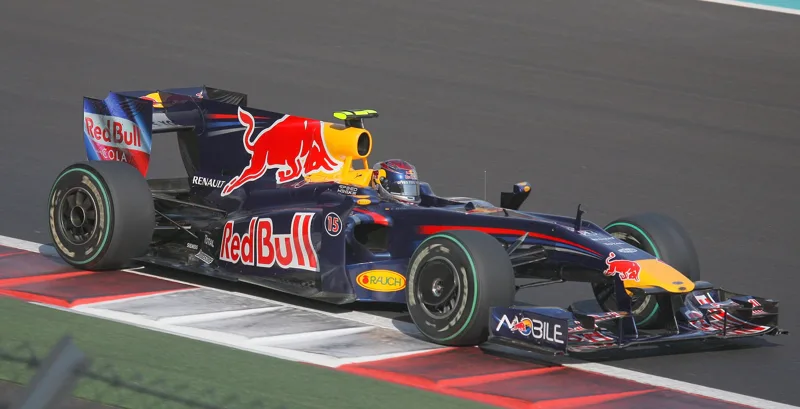
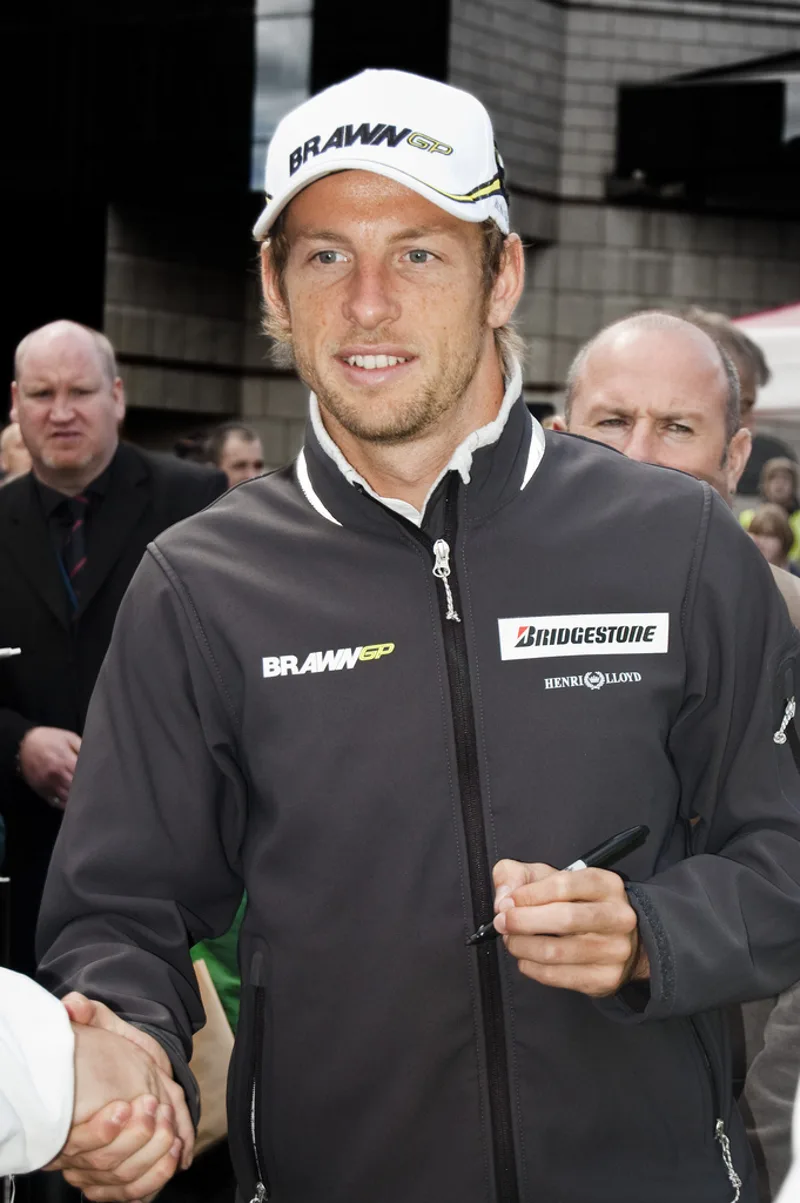
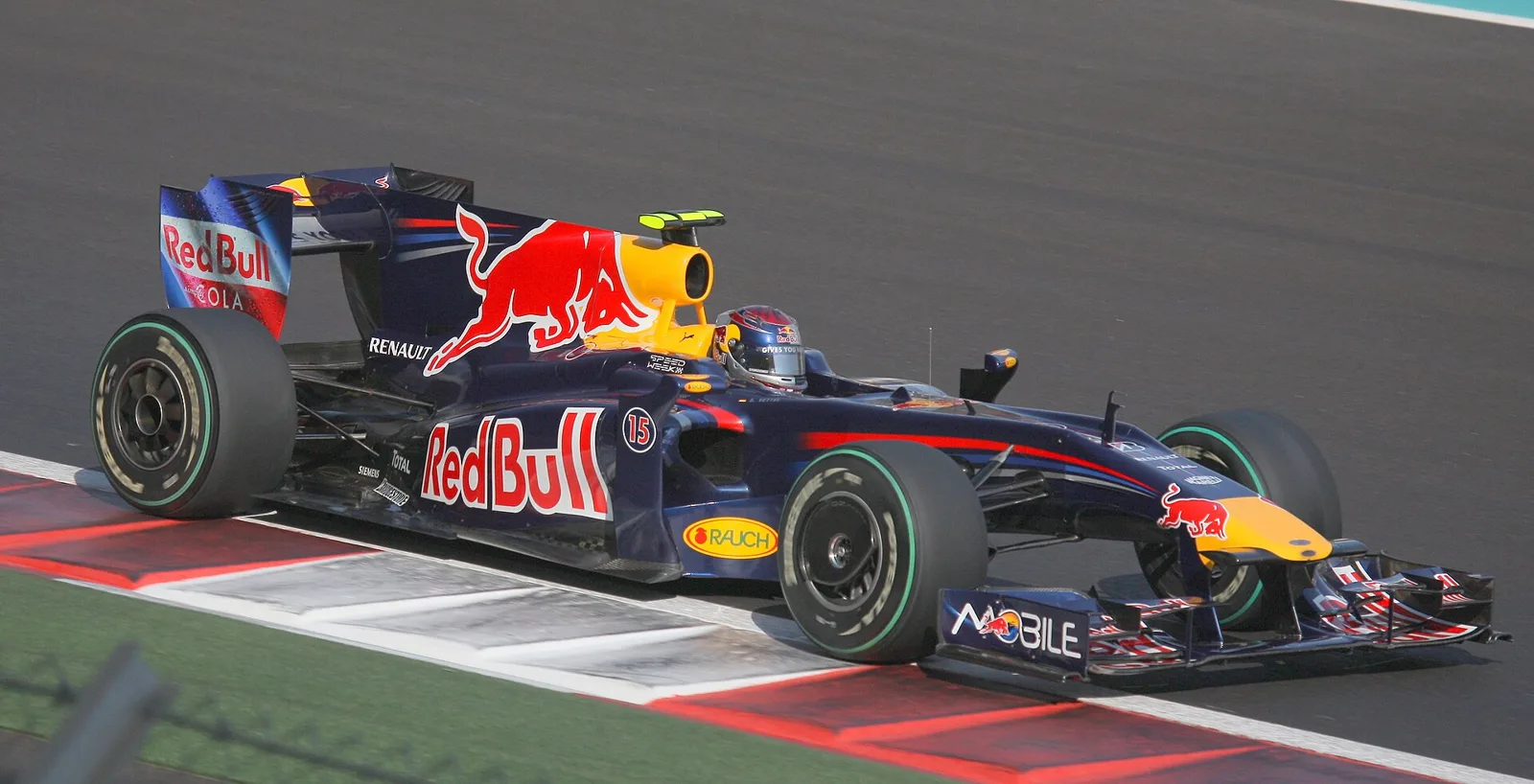
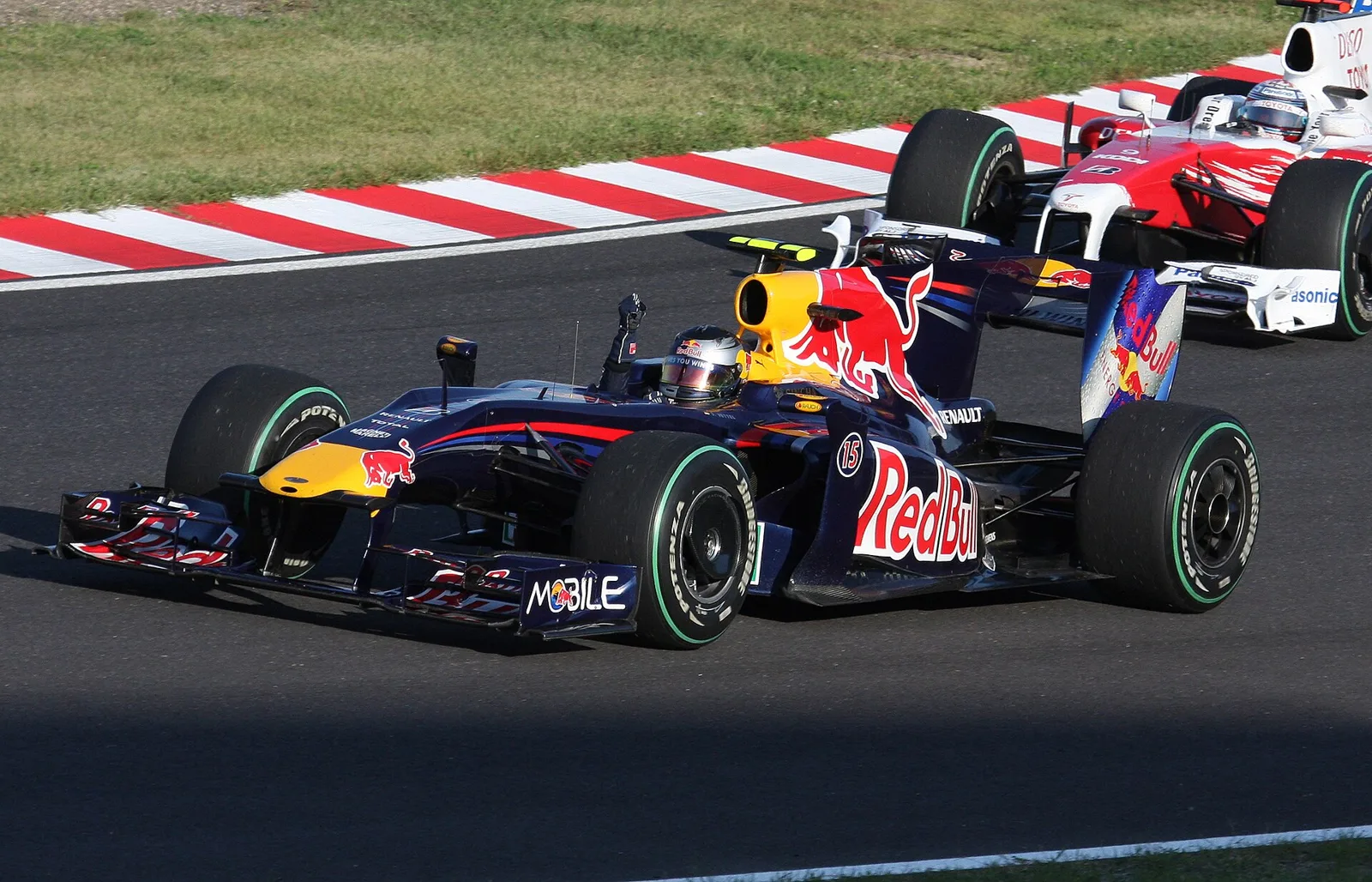
Sebastian Vettel won the 2009 race at Suzuka for Red Bull on 4 October, ahead of Toyota's Jarno Trulli and Lewis Hamilton. The win kept Vettel's title chances alive, while Brawn's Jenson Button finished eighth, leaving Brawn close to the Constructors' title.
Sebastian Vettel took the chequered flag at Suzuka on 4 October 2009, in the fifteenth round of the Formula One season. His Red Bull was never seriously troubled, and the win kept his title hopes alive with two races remaining. Championship leader Jenson Button of Brawn could manage only eighth, which left his team close to the Constructors' crown.
Who won the 2009 Japanese Grand Prix?
Sebastian Vettel won the 2009 Japanese Grand Prix for Red Bull, leading from the start and staying clear of trouble. Jarno Trulli finished second for Toyota, and Lewis Hamilton completed the podium in third. Kimi Raikkonen was fourth, and Vettel's victory earned him ten championship points.
The Red Bull driver led from the start, and Hamilton's brief attempt to pass him into the first corner was the only moment of real pressure early on. Vettel was rarely troubled after that, and his advantage over the rest of the field grew steadily through the middle stages of the race.
Mark Webber had a much harder afternoon. He started from the pit lane after a crash in the final practice session, and he made three stops in the opening four laps. Two of those stops were for a loose headrest, and the third was for new tyres after a puncture. He finished last, two laps down, but he set the fastest lap on the final lap by 0.002 seconds. That small margin denied Vettel a Grand Chelem.
One win at Suzuka kept the title fight alive while Brawn stood half a point from the Constructors' crown.
What was the championship position before Suzuka?
Before the race Jenson Button led the Drivers' Championship by 15 points from his Brawn teammate Rubens Barrichello. Sebastian Vettel was a further 10 points back, and Mark Webber could no longer win the title. Brawn led Red Bull by forty-two and a half points in the Constructors' Championship and needed only to hold that gap.
The gaps behind the leaders were tight. McLaren and Ferrari were just three points apart in third and fourth in the Constructors' order, and Button, Barrichello and Vettel were all still in contention for the title. Every point on the day therefore carried weight for at least three drivers and two teams.
Suzuka also carried some history for the grid. Fernando Alonso had won the 2008 Japanese Grand Prix for Renault, but that race took place at Fuji Speedway, which hosted the event in 2007 and 2008. Alonso had also won the last race held at Suzuka, in 2006. For the first time since 1991, no Schumacher was on the grid there.
Eight drivers had never raced at Suzuka in Formula One, because the event had been held at Fuji in the two previous years. Lewis Hamilton, Heikki Kovalainen and Adrian Sutil each reached their fiftieth Formula One start that weekend. Vettel and Sutil had at least driven the circuit before, as test drivers in 2006.
How did practice unfold in the wet?
Friday's sessions were dominated by heavy rain, and Toyota's Timo Glock was advised not to drive because of a fever. GP2 driver Kamui Kobayashi took his place for Friday. Saturday's final session was dry, and Jarno Trulli set the quickest time with a 1:31.709 lap. Mark Webber crashed during that session and ended up starting from the pit lane.
The first Friday session was wet and the times rose and fell with the track. Kazuki Nakajima came close to the top of the timing sheets, narrowly missing the fastest time after Heikki Kovalainen posted a time three tenths quicker in the final phase. Lap times fell quickly as the track dried out.
The second Friday session was even more limited. Rain and poor visibility, together with limited tyre allocations, led many drivers to run only a handful of laps. Nico Rosberg managed seven laps, against twenty in the first session. Adrian Sutil set the fastest lap of the session, with Sebastian Vettel second, both of them about seven seconds slower than Kovalainen's first-session time.
Saturday's dry session began with contact between Jenson Button and Jaime Alguersuari, which left Button needing a replacement front wing. Trulli's 1:31.709 was almost ten seconds faster than Kovalainen's first-session time.Webber's crash at Degner Corner left his car so badly damaged that its chassis had to be rebuilt.
At the end of that hour Vettel, Barrichello and Button were fourth, seventh and ninth. They were separated by just over two hundredths of a second, and one second covered the top 16 drivers. Webber could not take part in qualifying, and he was set to start from the pit lane.
Why did qualifying end with so many penalties?
Six drivers were called before the stewards for speeding under yellow flags after qualifying. Button, Barrichello, Alonso and Sutil received five-place grid penalties, while Heidfeld and Kubica were called in but received no penalty. Kovalainen also took a five-place penalty after changing his gearbox.
The first part of qualifying saw four drivers eliminated, with Webber absent from the session. Giancarlo Fisichella, Kazuki Nakajima, Romain Grosjean and Vitantonio Liuzzi were among those knocked out. Vettel set the early pace and traded blows with Trulli before taking the top spot. Alguersuari reached Q2 for the first time, a milestone in his brief Formula One career.
The second part was disrupted twice by accidents. Alguersuari crashed at Degner Curve, which brought out a red flag, and then Glock crashed heavily at the final corner. Glock was taken to hospital with a wound on his left leg and back pain, and he was ruled out of the race. Toyota asked for Kobayashi to take his place, but the stewards refused, since he had not run in a Saturday session, which eligibility required.
The final part of qualifying also had its incidents. Kovalainen crashed at Degner Curve early on, though the damage was minimal. Sebastien Buemi had gone off at Spoon at the end of the previous session, and his car could not be repaired in time, so eight drivers contested the final part. Vettel was fastest, with Trulli second and Hamilton third. Barrichello qualified fifth and Button seventh.
How did the race unfold?
Vettel controlled the race from the opening lap, and the only real challenge to his lead came from Hamilton early on. Safety-car periods were the main source of disruption. Button recovered from a poor opening, while Webber's pit stops and Alguersuari's spin shaped the middle phase.
Early on, Buemi retired with a clutch problem. Adrian Sutil and Heikki Kovalainen collided at the Casio Triangle at relatively low speed, and that incident let Button into a points position. Hamilton then struggled with a KERS problem that cost him touch with Trulli, and a mistake as he left the pits let Trulli past.
Alguersuari lost control after touching the astroturf on the outside of 130R, spun into the tyre wall, and retired. That brought out the safety car with ten laps left, and the race was not restarted until five laps remained. Button held off Robert Kubica, who was threatening him for the single point on offer for eighth place, and Button later protested that Nico Rosberg had sped under the safety car. The stewards acquitted Rosberg after finding mitigating circumstances.
Vettel went on to win from Trulli and Hamilton, with Raikkonen fourth. Webber's late fastest lap came from the back of the field, where he was two laps down. By then the front of the field had settled into its final order.
Why did Toyota's podium matter?
Trulli's second place was Toyota's last Formula One podium, and it was also the last for Trulli himself. It was the final podium for an Italian driver until Kimi Antonelli stood on one at the 2025 Canadian Grand Prix. Both points add to the race's wider significance, beyond the title battle.
Suzuka was also Toyota's home race, which gave the result extra meaning for the team. Trulli qualified second there, and he converted that grid position into a podium that made Toyota's Formula One record stand out.
The result also changed the Italian record. Trulli was the last Italian driver to finish on a Formula One podium before Antonelli, so for a long period the podium was a reference point in the sport's history rather than a routine result.
What did the result mean for the title race?
Vettel's win and ten points kept him in the title fight, though he finished 16 points adrift of Button. Button led Barrichello by 14 points going into the penultimate race. Vettel said Red Bull had the momentum, and Button said he planned to avoid mistakes for the rest of the season, aiming for his first Drivers' title.
For Brawn, the result left the team half a point away from clinching the Constructors' Championship. Brawn had entered the weekend forty-two and a half points clear of Red Bull, and that margin kept the team's lead intact with the season winding down. Brawn's constructors' position was now the clearest part of the championship picture.
Webber's fastest lap was a footnote to the title story, but it did deny Vettel a Grand Chelem. Button's points cushion over Barrichello meant that the Brawn pair could still race each other for the title, while Vettel needed a run of strong results to close the gap.
Classification at a glance
| Finish | Driver | Team | Notes |
|---|---|---|---|
| 1st | Sebastian Vettel | Red Bull | Pole position and win, 10 points |
| 2nd | Jarno Trulli | Toyota | Last Toyota podium in Formula One |
| 3rd | Lewis Hamilton | McLaren | Third on the grid; podium finish |
| 4th | Kimi Raikkonen | Ferrari | Fourth at the finish |
| 7th | Rubens Barrichello | Brawn GP | Fifth on the grid |
| 8th | Jenson Button | Brawn GP | Seventh on the grid; kept the title lead |
| Did not start | Timo Glock | Toyota | Injured in qualifying |