Rubens Barrichello won for Brawn from third on the grid in a race with almost no overtaking, while Jenson Button's lead grew as Mark Webber and Sebastian Vettel failed to score.
The 2009 European Grand Prix, run at Valencia on 23 August 2009, went to Rubens Barrichello. He had qualified third and drove for Brawn GP, ahead of Hamilton and Raikkonen.
The 2009 European Grand Prix was a Formula One race held on 23 August 2009 at the Valencia Street Circuit in Spain. It was the 11th race of the season and was run over 57 laps. Rubens Barrichello won for Brawn GP after starting from third on the grid, with Lewis Hamilton runner-up for McLaren-Mercedes and Kimi Raikkonen completing the podium for Ferrari.
What was the championship picture before Valencia?
Jenson Button arrived in Valencia still at the top of the Drivers' Championship, 18.5 points ahead of Mark Webber. Webber had jumped ahead of his Red Bull teammate Sebastian Vettel, who was on 47 points and only three points ahead of Barrichello.
Brawn led the Constructors' Championship by 15.5 points from Red Bull Racing, and a further 58.5 points separated Red Bull from defending champions Ferrari. Ferrari had moved above Toyota after Raikkonen finished second in the previous race.
Barrichello won for Brawn from third on the grid in a race with almost no overtaking.
Why was Luca Badoer back in the car?
Felipe Massa was out of the race after a serious accident in the second part of qualifying at the Hungarian Grand Prix. He suffered life-threatening injuries, including a fractured skull, and surgery meant he was expected to need at least six weeks to recover. Michael Schumacher had also been ruled out, after a motorbike accident left him with pain in his neck.
The stand-in was Luca Badoer, who came back to Formula One after a long absence. He held the record for the most races without scoring a point, at 48, and he had come closest to points when he retired from fourth at the 1999 European Grand Prix for Minardi.
How did the Renault line-up change?
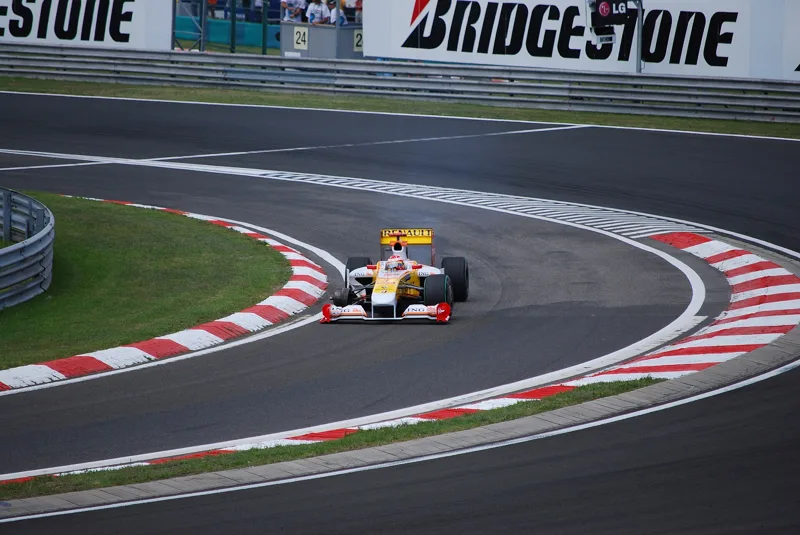
Renault ended the contract of Nelson Piquet Jr. on 4 August with immediate effect, after he had failed to score a single point all season. Romain Grosjean was announced as his replacement on 18 August, and the team expected him to race for the rest of the season.
Renault had first been suspended from the Grand Prix because of the events that led to a wheel coming off Alonso's car at the Hungarian Grand Prix. The team appealed to the FIA Court of Appeal, which overturned the suspension and allowed Alonso to race at his second home Grand Prix.
How did practice go in the heat?
Three practice sessions were held before qualifying, all in dry conditions. The first two lasted an hour and a half each. In the first session the air was 27 C (80 F) and the track 36 C (97 F), while the second saw the track rise to 52 C (125 F). The Saturday morning session was run at 28 C (82 F) air and 41 C (106 F) track.
The hot track suited Brawn, which set the pace with the two McLarens behind. Heikki Kovalainen and Hamilton were separated by only 0.018 seconds. Alonso topped the second session in front of his home crowd, while Hamilton spun out early and damaged his car, ending up last. Nico Rosberg, who had often topped Friday practice, was 14th in the first session and 1.3 seconds off Barrichello.
Adrian Sutil topped the Saturday time sheets, a surprise result, after Vettel's engine blew halfway through the session and brought out a red flag. The Red Bulls struggled in the heat, with Vettel and Webber both outpaced by the Brawns in the earlier sessions.
How was qualifying organised?
Qualifying was split into three parts. The first lasted 20 minutes, and any car finishing 16th or lower was eliminated. The second lasted 15 minutes and removed the cars finishing from 11th to 15th. The final part decided the top ten and pole position.
Cars that failed to reach the final part could refuel before the race and so ran lighter. The top ten, by contrast, had to carry race fuel into the final part, which meant they could not refuel before the race began.
Who was knocked out early in qualifying?
Button topped the times in the first part with a lap of 1:38.531. Fisichella came 16th and was knocked out. Nakajima, who had been second in practice only hours earlier, was also eliminated, along with Trulli, Alguersuari and Badoer.
In the second part Barrichello set the fastest time with 1:38.076, half a second quicker than the best in the first part. Glock, Sutil and Heidfeld were eliminated, and Robert Kubica ended a long drought by reaching the final part.
How did Hamilton take pole position?
The final ten-minute shootout began with very close lap times. Button was the first of the main contenders to finish his final lap and did not improve, staying fifth. Barrichello crossed the line on his last lap and did not improve either, which left him second at that moment.
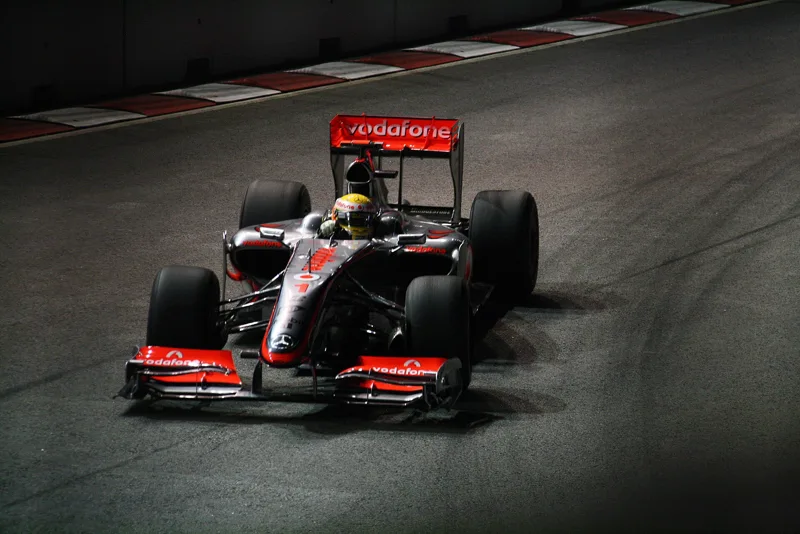
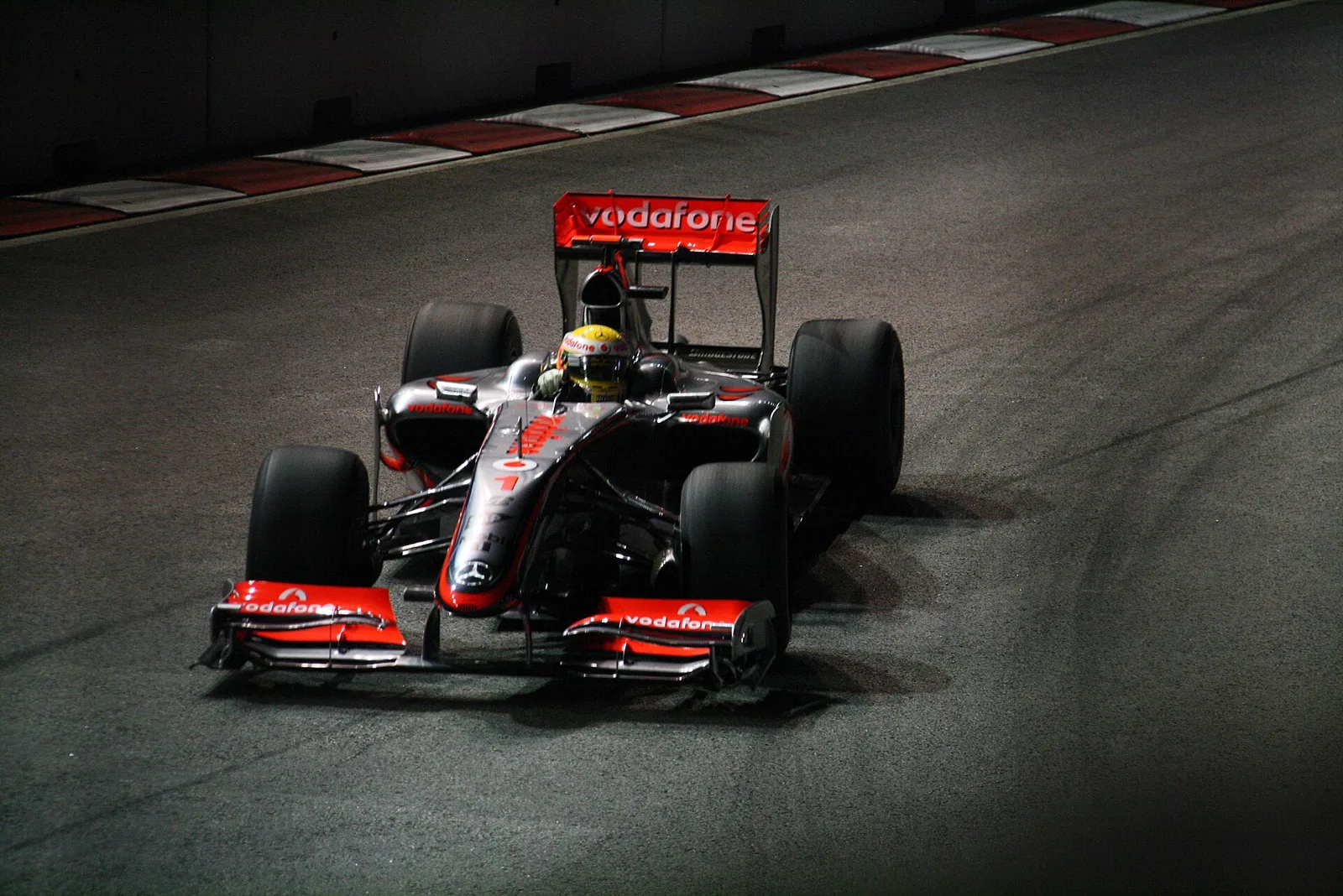
Kovalainen was set for pole, but a lock-up and a slide in the final corner put him second. Hamilton then took his first pole of the season, which also gave McLaren a one-two. Barrichello finished third, and Vettel took a surprise fourth to split the Brawns. Raikkonen had posted a time 1.279 seconds quicker than Badoer's first-part lap, though he had race fuel on board.
It was the first pole for Hamilton since the 2008 Chinese Grand Prix. He became the first driver to take pole in a car fitted with KERS, and the front row was the first to be made up entirely of KERS cars.
Was the pole result as it seemed?
Once fuel was taken into account, the order changed. Barrichello was actually the fastest of the qualifiers, with Kovalainen 0.216 seconds behind him. Hamilton was third on fuel-adjusted times, with Button fourth and Vettel fifth. The BMW cars were in the top ten, but even after fuel adjustment, the BMW was 1.114 seconds slower than the Brawn of Barrichello.
How did the race begin?
The formation lap began around 12:00 UTC, with the air at 31 C (88 F) and the track at 49 C (120 F). The conditions seemed to favour the Brawns. After the first lap, Hamilton, Kovalainen and Barrichello were the top three.
Raikkonen had a good start, moving from sixth on the grid to fourth. Button had a poor start and fell to ninth in the first few corners. Badoer, starting from the back, jumped six places to 14th, before Grosjean tapped the rear of his Ferrari and sent him spinning. Grosjean had to pit for repairs, and Glock collided with Sebastien Buemi, who also pitted for a new nose.
Webber, down in ninth, complained over the radio that Button had cut the chicane to block his attempt to pass. Button then dropped behind Webber, although it remained unclear whether it was a fair pass or whether Button had simply let the Red Bull through.
How did the race turn?
Hamilton and Vettel pitted on the fifteenth lap. Hamilton rejoined in sixth, but Vettel's fuel pump failed, forcing a second visit to the pits. Kovalainen came in a lap later, while Barrichello pushed to build a gap. Button and Raikkonen pitted on the eighteenth lap, with Raikkonen emerging eighth and Button 11th.
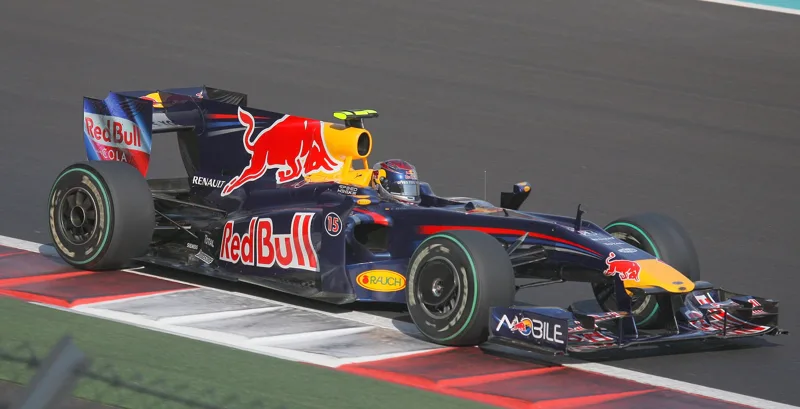
Barrichello stopped on the nineteenth lap, having been about ten seconds adrift before he rejoined just behind Hamilton. More importantly for Brawn, he had jumped Kovalainen's McLaren. On the twenty-fourth lap a lot of smoke poured from the rear of Vettel's car, and he retired with a suspected engine failure. Hamilton was told over the radio to cool his rear brakes, because their temperatures were rising out of control, but he could not shake off Barrichello, who was now second.
Hamilton pitted on the thirty-seventh lap but had to wait for his new tyres, which were still in their blankets, so a lot of time was lost. Barrichello stopped on the fortieth lap and came out in first. Button and Alonso pitted on the forty-first lap, leaving Webber to deal with traffic. Webber stopped, but the traffic cost him, and he came out behind Button and Kubica, which left him outside the points.
How did the leaders finish?
Barrichello took the chequered flag to win his first Grand Prix since the 2004 Chinese Grand Prix, a gap of 85 races. The win was also the 100th victory for a Brazilian driver in Formula One. Hamilton came second, and Raikkonen third, with Kovalainen fourth and Rosberg fifth.
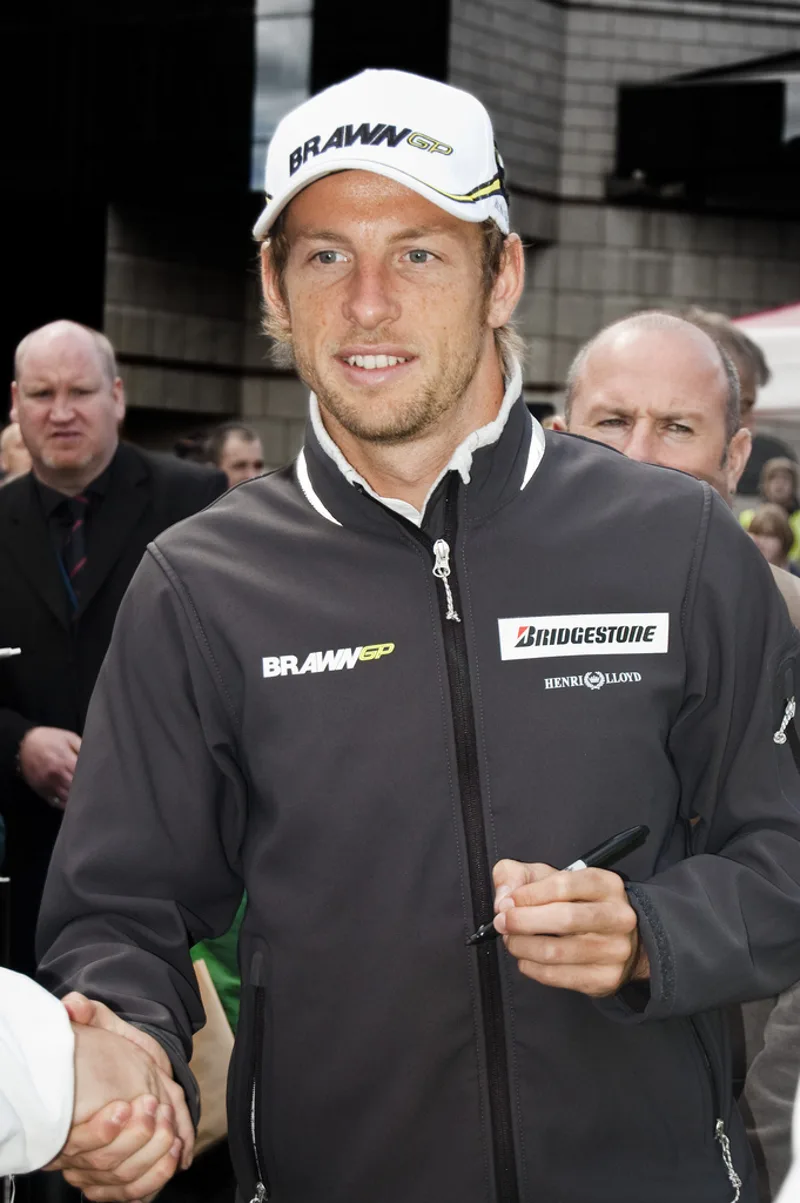
Alonso finished sixth in his home race, while Button took seventh and Kubica eighth, which was only his second points finish of the season. Vettel and Webber did not score. Barrichello moved into second in the Drivers' Championship, and Button added only two points but kept his lead.
| Position | Driver | Team | Note |
|---|---|---|---|
| Winner | Rubens Barrichello | Brawn GP | Third on the grid, first win since 2004 |
| Second | Lewis Hamilton | McLaren-Mercedes | Pole position, second at the flag |
| Third | Kimi Raikkonen | Ferrari | Climbed from sixth on the grid |
| Fourth | Heikki Kovalainen | McLaren-Mercedes | Second on the grid |
| Fifth | Nico Rosberg | Williams | Quiet race |
| Sixth | Fernando Alonso | Renault | Home race |
| Seventh | Jenson Button | Brawn GP | Kept his championship lead |
| Eighth | Robert Kubica | BMW Sauber | Second points finish of the season |
What did the result mean for the championship?
Brawn extended its Constructors' lead by 12 points, while Red Bull did not score at all. For Button, the result meant his lead in the Drivers' Championship held firm, but Barrichello's second place put him closer than before.
The weekend was also remembered for how little passing there was. Barring the first lap, no on-track overtakes were recorded, which made it one of only five Formula One races with none. It was the only one of those five races held neither at Monaco nor under controversial circumstances.