Seventeen events, a debut team that won six of its first seven races, Red Bull's rise and a title settled in Brazil with the penultimate round.
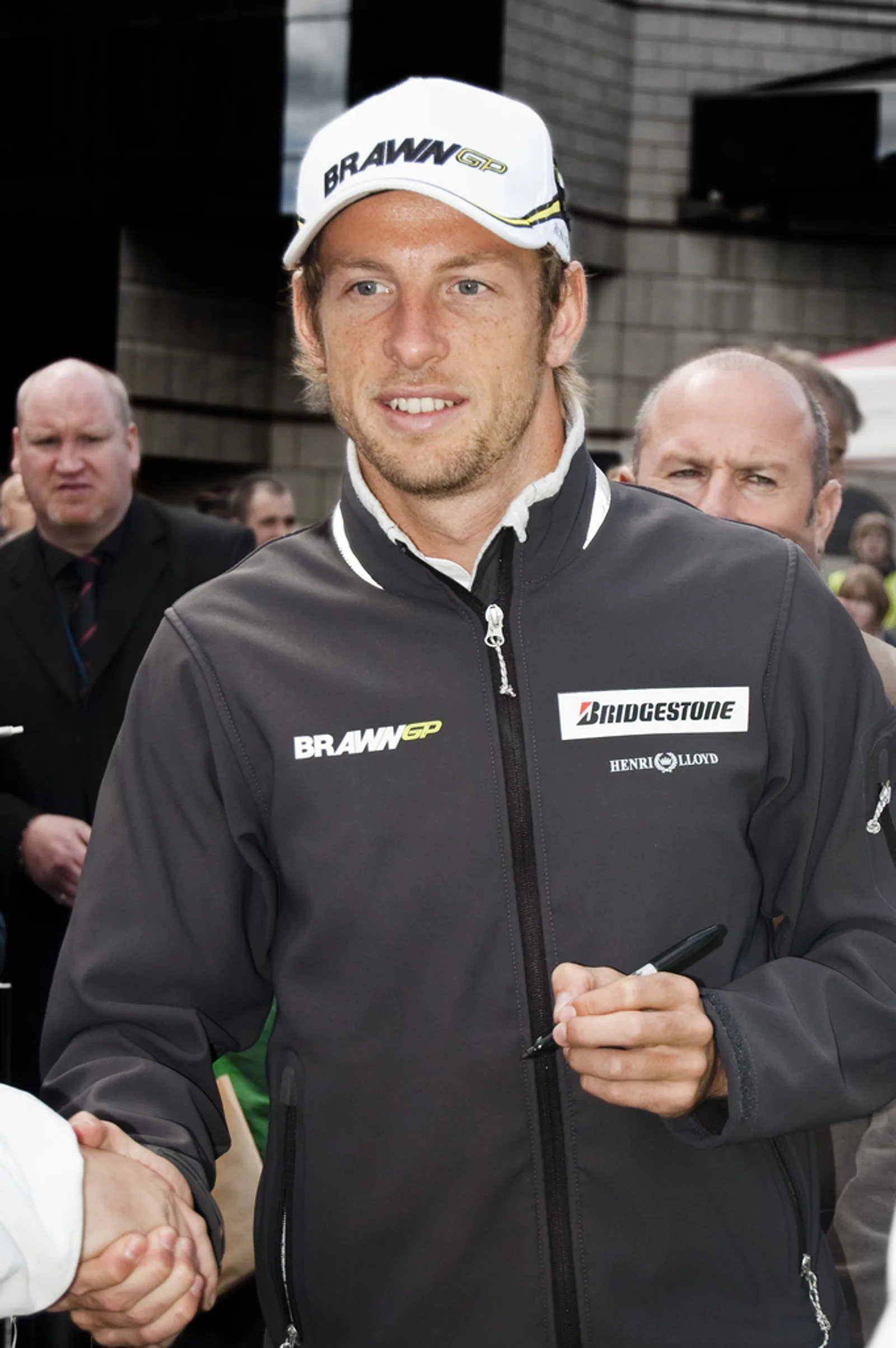
Seventeen events made up the 2009 Formula One World Championship, which began on 29 March and ended on 1 November. Jenson Button won the drivers' title for Brawn GP, and Brawn took the Constructors' Championship in its debut season.
The 2009 season was the year Jenson Button and Brawn GP took both titles, with the championship settled at the penultimate round in Brazil. The team was a management buyout of the Honda operation, and it won six of the first seven races in a season shaped by new rules.
What was the 2009 Formula One World Championship?
The 2009 championship was the 63rd season of FIA Formula One racing and the 60th World Championship. It ran for 17 events, opening in Australia on 29 March and closing in Abu Dhabi on 1 November. Ten teams took part under rules rewritten to help overtaking.
Button became the tenth British driver to win the championship. Following Lewis Hamilton's title in 2008, it was the first time English drivers had won consecutive titles, and the first time British drivers had done so since Graham Hill in 1968 and Jackie Stewart in 1969.
Brawn was the first team to win the Constructors' Championship in its debut season. Ten teams took part, and the season also saw Red Bull Racing rise and the poor performances of McLaren and Ferrari compared with 2008.
A debut team, a rule book rewritten and one driver who won six of the first seven races to take the title.
Why did Brawn GP appear in 2009?
Honda withdrew from Formula One ahead of the season, and the team was bought in a management buyout led by team principal Ross Brawn. It was confirmed on 5 March that the team would compete as Brawn GP, using Mercedes engines and retaining Jenson Button and Rubens Barrichello as drivers.
The Honda brand was absent from the sport after that season until its return in 2015. Brawn GP was the only team to win the championship in the only season it competed, which made it unique in the sport's history.
Force India also switched to Mercedes engines, after using Ferrari engines the year before. Brawn's rise was built on a car that suited the new regulations, and the team made the most of the rule changes from the first race.
What were the big rule changes for 2009?
Slick tyres returned for the first time since they were abolished for 1998, and Bridgestone remained the sole tyre supplier. Soft tyres were marked with green, wet tyres were renamed intermediate and extreme-weather tyres were renamed wet. Drivers still had to use both dry compounds during a race.
The aerodynamic rules were radically altered. Front wings became lower and wider, rear wings became higher and narrower, and much of the bodywork was regulated. The aim was to reduce reliance on downforce and increase mechanical grip, to make wheel-to-wheel racing easier.
Driver adjustable front-wing flaps were introduced for the first time, adjustable by up to six degrees and limited to two adjustments per lap. Kinetic Energy Recovery Systems were also introduced, though they were not compulsory, and only four teams used them during the season.
How did the cost-cutting rules work?
The budget cap idea was dropped, so costs were cut in other ways. In-season testing was completely banned, wind tunnel use was reduced, and gearboxes had to last four races. Each driver was limited to eight engines for the season, and engines were rev-limited.
The pit lane closure during a safety car period was scrapped, and the pit lane speed limit was raised from 50 mph (80 km/h) to 62 mph (100 km/h). The FIA dropped a plan to award the title to the driver with the most wins after opposition from teams and drivers.
What was the diffuser controversy?
Three teams, Toyota, Williams and Brawn GP, launched cars with a rear diffuser that used the crash structure to generate extra downforce, which became known as the double diffuser. Rival teams protested, and a complaint from the other seven teams was lodged on the Wednesday of the Australian race.
The FIA scrutineers declared the cars legal, and an appeal by the other six teams was unsuccessful. The appeal was heard in April, and the FIA's decision ended the fight over the double diffusers for the season.
Who drove for which team in 2009?
Coulthard retired from Red Bull after 14 years, and Vettel replaced him after a strong season at Toro Rosso. Sebastien Buemi took Vettel's seat at Toro Rosso, and Gerhard Berger sold his share in the team back to Red Bull.
Sebastien Bourdais was dropped by Toro Rosso after the German race, and Jaime Alguersuari replaced him from the Hungarian round. Toro Rosso later settled with Bourdais for a payment of 2.1 million dollars to avoid litigation.
Felipe Massa was injured in qualifying for the Hungarian Grand Prix and missed the rest of the season. Luca Badoer replaced him but failed to score in two races, and Giancarlo Fisichella took the Ferrari seat. Vitantonio Liuzzi moved into Fisichella's Force India seat.
How did the title race start?
Button opened the season by winning in Australia, with Barrichello second. Brawn's first race gave it a one-two, a result that had last been achieved by Mercedes at the 1954 French Grand Prix. Vettel had been running second until he collided with Kubica behind the safety car.
Malaysia was stopped by monsoon-like conditions, so half points were awarded for only the fifth time in Formula One's history. Button mastered the conditions to take his second win, while Nico Rosberg dropped to eighth when the race was stopped.
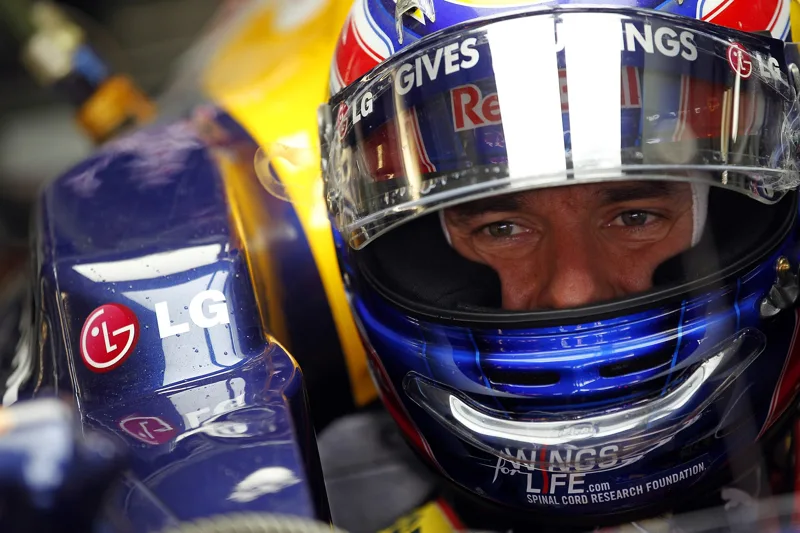
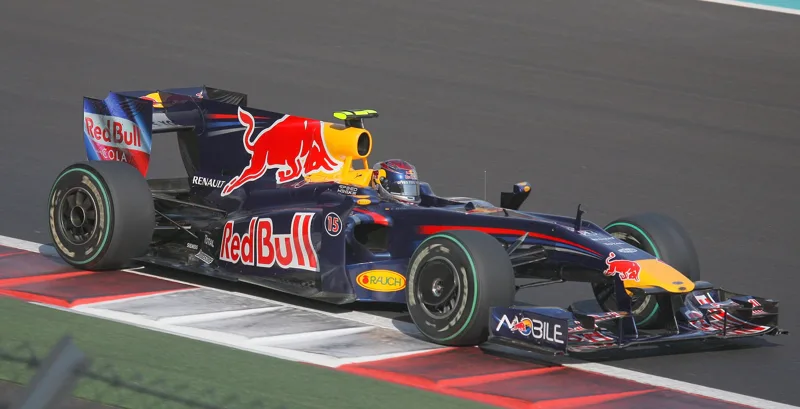
In China, Vettel won the first race of Red Bull's history, with Webber second. In Bahrain Button fought up from fourth on the grid, and he overtook the leader Glock on his first pit stop to win again.
How did Button build his lead?
Spain was a battle between the Brawn teammates. Barrichello was ahead of pole-sitter Button until Button used a different pit-stop strategy and passed him during the stop, which gave Brawn a second one-two of the season. Red Bull trailed Brawn only narrowly, with its drivers taking third and fourth.
Button then won in Monaco from pole, with Barrichello second and Raikkonen third. Raikkonen's podium was Ferrari's first of the season. In Turkey, Vettel started from pole but lost it to Button on the first lap, and Button went on to win from Webber and Vettel.
By winning six of the first seven races, Button had opened up a 26-point lead over his teammate. Vettel was a further six points behind, and the title looked set to belong to Brawn.
When did Red Bull and Ferrari come back?
The British Grand Prix was seen as a turning point, with Red Bull dominating in dry conditions. Vettel led home Webber, and Button was sixth, his first finish outside the podium that season. The result shifted the momentum of the title race towards Red Bull.
Red Bull also dominated the German race, where Webber took his first pole and race win despite a drive-through penalty. Ferrari showed signs of improvement, with Massa finishing third in what would be his last race of the season.
Massa was hit on the helmet by a spring during Hungarian qualifying, travelling at 162 mph, and the accident overshadowed the race. Hamilton won the Hungarian race, while Alonso, on pole, retired early.
What happened in Valencia, Belgium and Italy?
The European Grand Prix in Valencia gave Barrichello his first win, after Hamilton lost the lead with an error in the pits. Hamilton was second, and both Red Bulls failed to score. Barrichello had finished second to Button in several races before it.
At Spa, Fisichella gave Force India its first pole position, and his second place behind Raikkonen brought the team its first points. Button's title charge was undermined by poor qualifying and a crash that ended his race.
In Italy Brawn returned to form, with Barrichello leading home the team's fourth one-two of the season. Hamilton had crashed on the penultimate lap, and Webber's crash ended his chance of the title.
How did the last rounds decide the title?
Hamilton won the Singapore race after his Italian crash, and Vettel dominated in Japan. Toyota's Trulli finished third, the team's final podium before it withdrew at the end of the season. Vettel's dominant display kept his title hopes alive, although Button still led.
Button was able to clinch the championship in Brazil at the penultimate round. Storm-affected qualifying gave Barrichello pole, while Button and Vettel started from 14th and 16th. Three incidents on the first lap took three cars out, and Button moved up to fifth to take enough points.
Webber won the Brazilian race from Kubica, and Hamilton was third after starting 17th. Vettel won in Abu Dhabi, the first race at Yas Marina and the first day-night race in Formula One, with Red Bull's fourth one-two of the year.
What was Crashgate?
The scandal known as Crashgate emerged in the second half of the season, after Nelson Piquet Jr. alleged that he had been asked to crash at the 2008 Singapore Grand Prix. The aim, he said, was to help teammate Fernando Alonso win.
Renault received a two-year suspended ban. The World Motor Sport Council gave life and five-year suspensions to Flavio Briatore and Pat Symonds, who had both left the team before the hearing. The FIA found the two men solely to blame.
What were the race winners in 2009?
Button won six races, Vettel four, and Barrichello, Webber and Hamilton two each. Raikkonen won once, at Belgium. Six different drivers won races during the year, and Brawn and Red Bull drivers took fourteen of the seventeen wins between them.
| Race | Winner | Team | Note |
|---|---|---|---|
| Australia | Button | Brawn GP | Barrichello second on the team's debut |
| Malaysia | Button | Brawn GP | Stopped in monsoon-like rain; half points |
| China | Vettel | Red Bull | Red Bull's first win, Webber second |
| Bahrain | Button | Brawn GP | Fought up from fourth on the grid |
| Spain | Button | Brawn GP | Barrichello second |
| Monaco | Button | Brawn GP | Raikkonen third for Ferrari |
| Turkey | Button | Brawn GP | Webber second, Vettel third |
| Great Britain | Vettel | Red Bull | Webber second, Button sixth |
| Germany | Webber | Red Bull | His first pole and first win |
| Hungary | Hamilton | McLaren | Massa injured in qualifying |
| Europe (Valencia) | Barrichello | Brawn GP | Hamilton second after a pit error |
| Belgium | Raikkonen | Ferrari | Fisichella second for Force India |
| Italy | Barrichello | Brawn GP | Button second, the fourth one-two |
| Singapore | Hamilton | McLaren | Came back after a crash in Italy |
| Japan | Vettel | Red Bull | Trulli third, Toyota's last podium |
| Brazil | Webber | Red Bull | Button fifth, enough to clinch the title |
| Abu Dhabi | Vettel | Red Bull | First day-night race, Red Bull one-two |
How were points scored in 2009?
Points were awarded to the top eight classified finishers. If two or more competitors finished level on points, their positions were fixed by the quality of their finishes, so one first place counted for more than any number of second places.
Half points were awarded at the Malaysian Grand Prix, because the race did not reach 75 per cent of its scheduled distance due to heavy rain. Drivers who completed more than 90 per cent of the race distance without finishing were still classified.
What was the legacy of the 2009 season?
Brawn GP was sold to Mercedes for the 2010 season, which made it the only team to win every championship in which it competed. Button's title was the tenth by a British driver, and the season marked the last time a British-licensed constructor won the title until McLaren in 2024.
The return of slick tyres, the new aerodynamic rules and KERS changed the shape of the cars, and the cost-cutting measures showed the sport's effort to limit spending. The Abu Dhabi race opened a new chapter as the first day-night event in the championship.