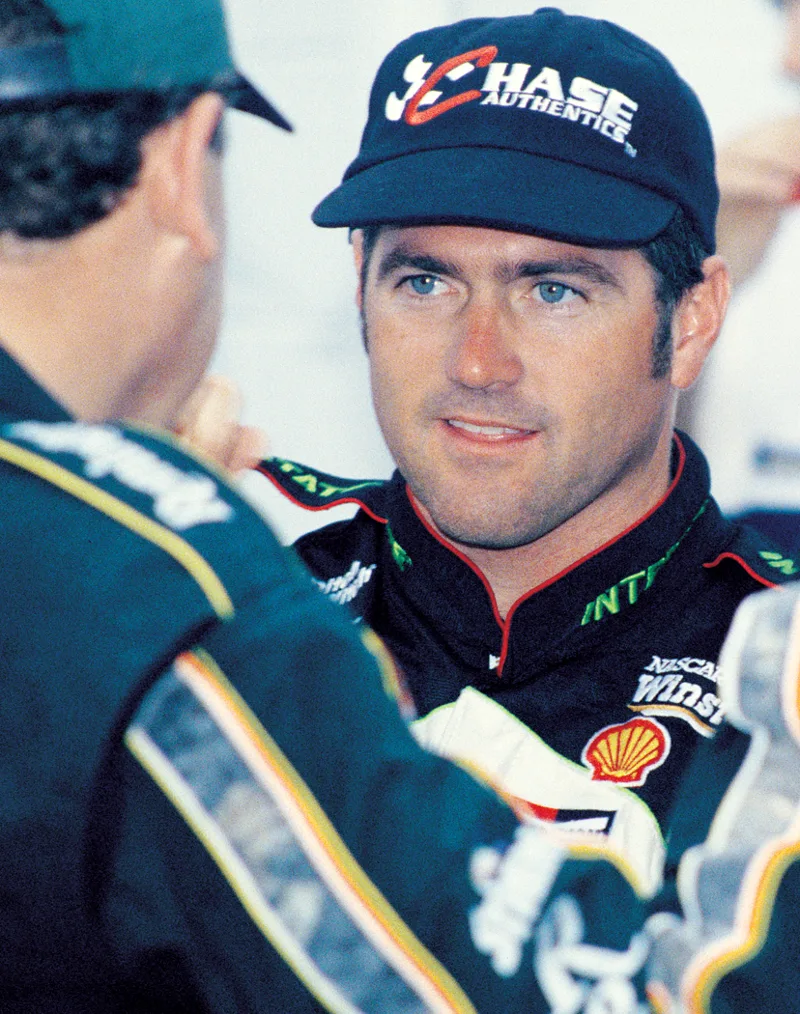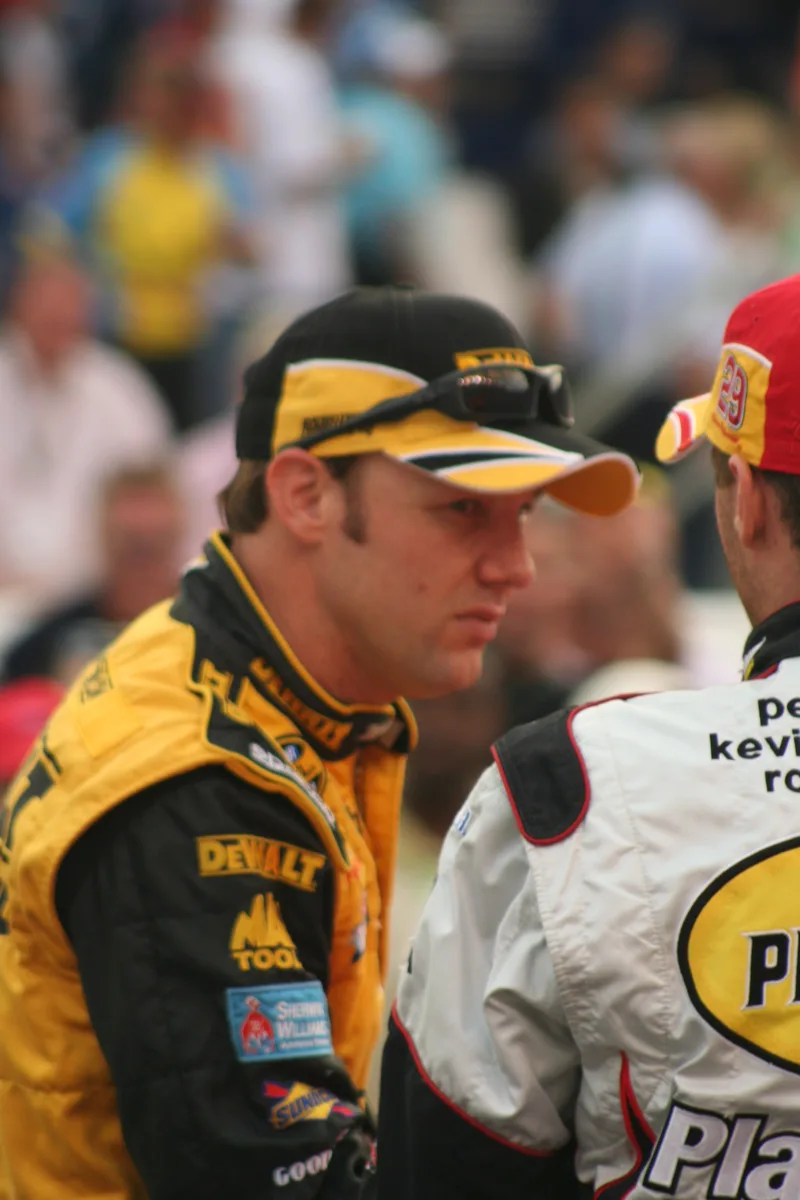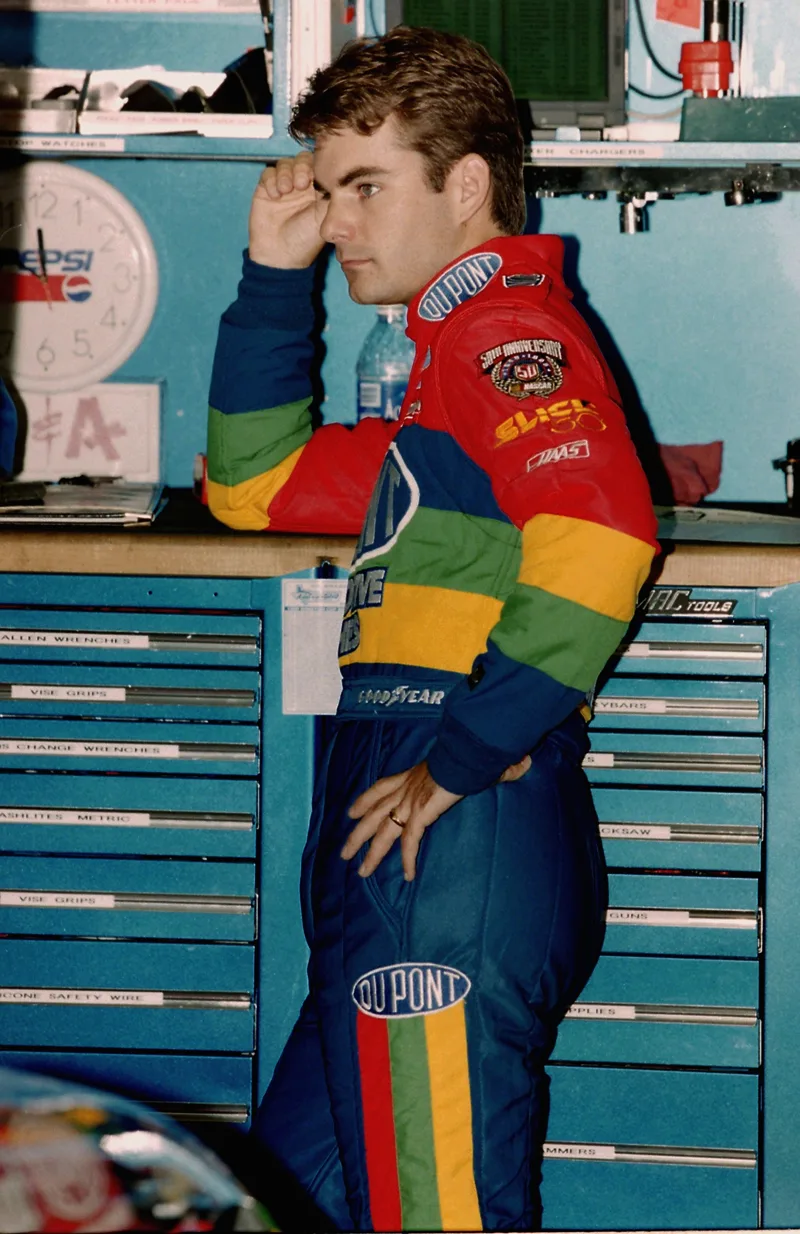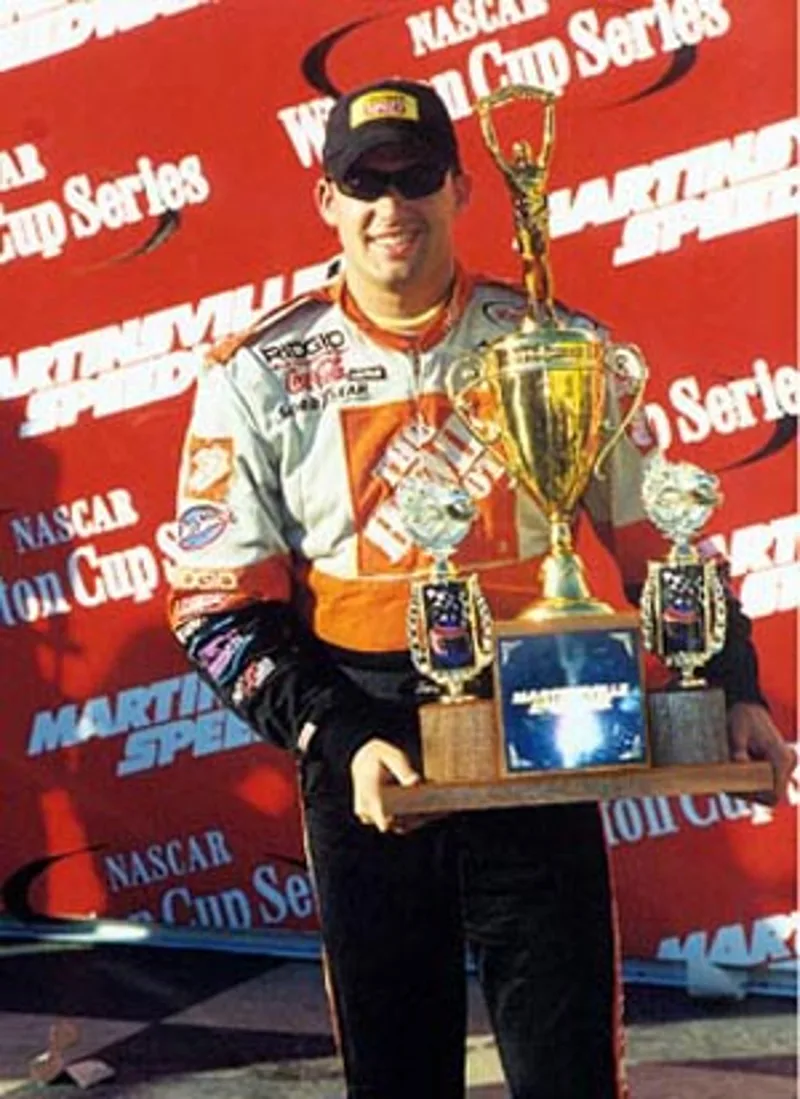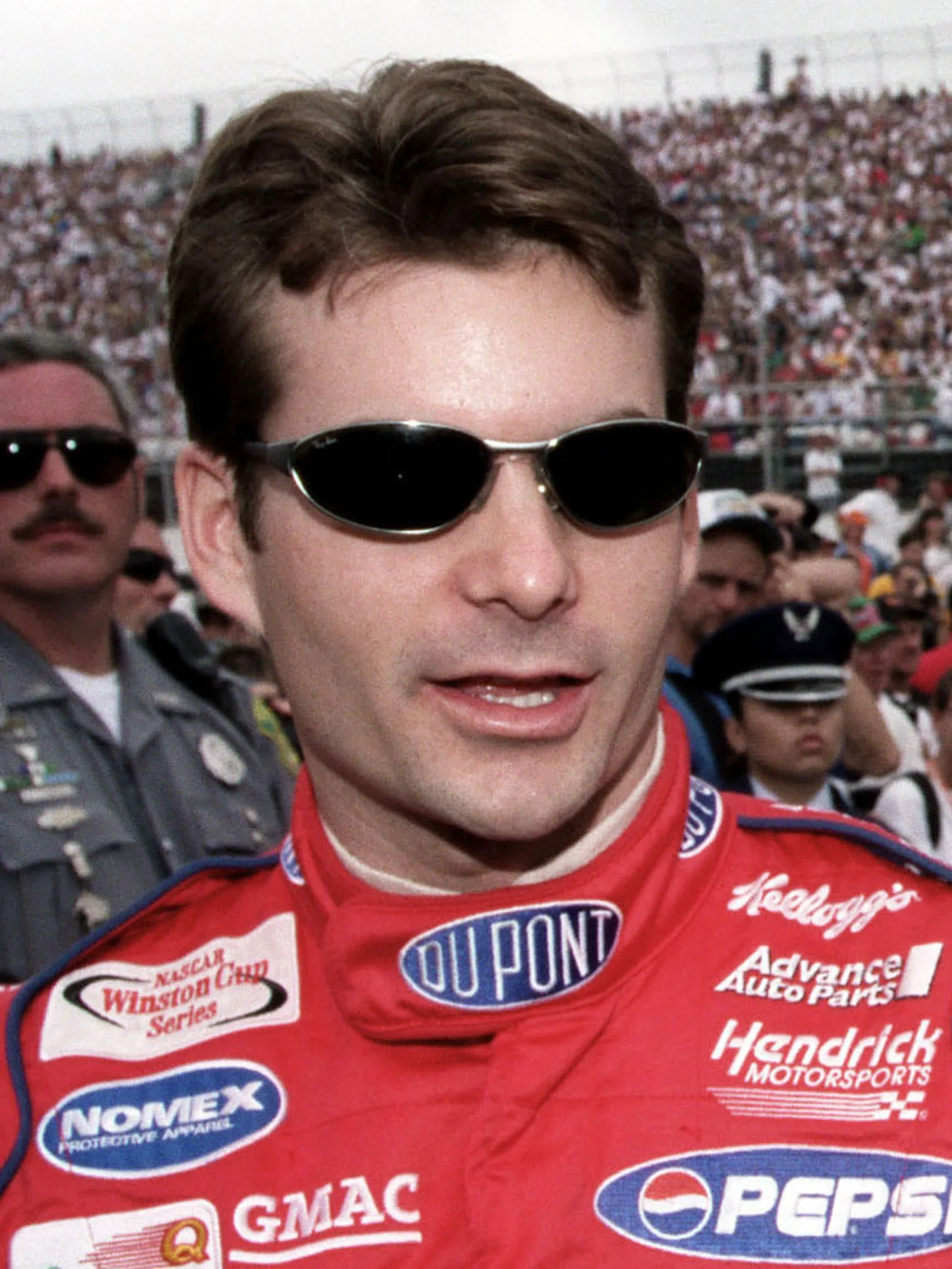
Jeff Gordon won his fourth title after a year shaped by the death of Dale Earnhardt at the Daytona 500, the arrival of Dodge and the first unified TV deal.
Jeff Gordon won his fourth Winston Cup title at Atlanta, finishing sixth in the NAPA 500 to clinch. Earlier, the season had been marked by Dale Earnhardt's death at Daytona, and the year produced a series record of 19 different race winners.
The 2001 NASCAR Winston Cup Series will be remembered first for the loss of Dale Earnhardt on the last lap of the Daytona 500. Jeff Gordon went on to win his fourth championship, the fourth in seven years, with the title settled at Atlanta in November.
The season was also the first under a unified television contract with Fox Sports, NBC Sports and Turner Sports, and Dodge returned to the sport for the first time since 1985. Chevrolet took the manufacturers' championship with 16 wins and 248 points.
When did the 2001 season run?
The campaign opened on 11 February at Daytona and closed on 23 November at New Hampshire. The year was the 53rd of pro stock car racing in the United States and the 30th modern-era Cup series, and the New Hampshire finale had been moved back after the September 11 attacks.
The Budweiser Shootout on 11 February was the first race of the year broadcast on Fox. Ken Schrader drew the pole, and Tony Stewart won the invitational.
A season that began with the loss of Dale Earnhardt and ended with Jeff Gordon's fourth title.
What happened at the 2001 Daytona 500?
Michael Waltrip won the 43rd Daytona 500 on 18 February, his first career points race, in his 463rd start. The finish was overshadowed by the death of Dale Earnhardt, who was killed in a crash on the last lap of the race.
Earnhardt had been racing defensively in the closing laps to protect the lead of his two team cars, those of Waltrip and his son Dale Earnhardt Jr. In turns three and four he misjudged a block on Sterling Marlin, and his car collided with Ken Schrader before both cars hit the turn four wall. Earnhardt died from a basilar skull fracture, and Schrader climbed out of his car. Officially, Earnhardt finished 12th, and Schrader 13th, both one lap down.
Entering 2001, Earnhardt was NASCAR's leading active winner, with 76 career victories and seven championships. The accident led to safety upgrades across the sport.
How did the sport honour Earnhardt in 2001?
Beginning at the Cracker Barrel 500 at Atlanta on 11 March, fans honoured Earnhardt with a silent lap three, standing and holding up three fingers. After the attacks of September 11, the tribute was extended to honour the people lost that day.
The Dura Lube 400 at North Carolina Speedway, held on 25 and 26 February, was won by Steve Park in an emotional victory one week after Earnhardt's death. It was Park's last career win.
Richard Childress placed Kevin Harvick, a Busch Series driver, in Earnhardt's car and changed the number from No. 3 to No. 29. Harvick's first Winston Cup start came in that car, and he went on to win Rookie of the Year.
How did Jarrett and Wallace fare in the spring?
Dale Jarrett won three races in the spring, at Darlington, Texas and Martinsville, with his Martinsville victory giving him back-to-back wins. Rusty Wallace won the NAPA Auto Parts 500 at California on 29 April, his 54th career victory and a tie with Lee Petty for seventh on NASCAR's all-time win list.
At Darlington on 18 March, NASCAR finally had lap three run under green, after three straight weeks of cautions on or before that lap. The silent tribute to Earnhardt was held there as well.
Jarrett's back-to-back wins at Martinsville were only the second such pair of his career, the other coming in 1997 at Atlanta and Darlington. Wallace's win at California came on the day that would have been Earnhardt's 50th birthday, and it extended his streak of seasons with at least one win to 16, from 1986 to 2001.
Which races defined the 2001 season?
Several races stood out, from Waltrip's Daytona 500 and Dale Earnhardt Jr.'s Pepsi 400 win in July to Gordon's Brickyard 400 and Bill Elliott's win at Homestead. The table lists nine key winners across the calendar.
| Race | Date | Track | Winner |
|---|---|---|---|
| Daytona 500 | 18 February | Daytona International Speedway | Michael Waltrip |
| Cracker Barrel 500 | 11 March | Atlanta Motor Speedway | Kevin Harvick |
| Talladega 500 | 22 April | Talladega Superspeedway | Bobby Hamilton |
| The Winston | 19 May | Lowe's Motor Speedway | Jeff Gordon |
| Pepsi 400 | 7 July | Daytona International Speedway | Dale Earnhardt Jr. |
| Brickyard 400 | 5 August | Indianapolis Motor Speedway | Jeff Gordon |
| Pennzoil Freedom 400 | 11 November | Homestead-Miami Speedway | Bill Elliott |
| NAPA 500 | 18 November | Atlanta Motor Speedway | Bobby Labonte |
| New Hampshire 300 | 23 November | New Hampshire International Speedway | Robby Gordon |
The Pepsi 400 at Daytona on 7 July was the first Cup race at the track since Earnhardt's death. Michael Waltrip pushed Earnhardt Jr. to the win, the reverse of the Daytona 500 finish, and the crews celebrated together in the infield grass.
The Brickyard 400 on 5 August was Gordon's third win in the race, which made him the first driver to win it three times.
The New Hampshire 300 was Robby Gordon's first career Cup win, and it came after a battle with Jeff Gordon, who was black-flagged for retaliation and finished 15th. Robby Gordon held off Sterling Marlin for the win, which was also the 31 team's first NASCAR victory.
What happened in the May and June races?
Tony Stewart won the Pontiac Excitement 400 at Richmond on 5 May, and Jeff Gordon won at Dover on 3 June, tying Lee Petty and Rusty Wallace in seventh place on the all-time wins list with his 54th career victory. Gordon led 381 of 400 laps there.
Gordon's 55th career win came at Michigan on 10 June, which moved him past Petty and Wallace on the all-time list. That race also marked the 100th Winston Cup win for Rick Hendrick and Hendrick Motorsports, a team that had been in the sport since its founding in 1984.
Shawna Robinson made her Winston Cup debut at Michigan, the first woman to attempt a Winston Cup race since Patty Moise in 1989. She started 32nd and finished 34th.
Who won at Pocono in June?
Ricky Rudd won the Pocono 500 on 17 June, his first win since 1998 and the first Cup victory for the Yates Racing No. 28 since June 1997. It was also his first Pocono win, achieved in his 44th attempt.
Rudd also won from the pole for the first time in 27 attempts, which tied Geoff Bodine's record for the most poles before a first win from that spot.
How did Gordon clinch the fourth title?
Gordon won his fourth Winston Cup Championship at the NAPA 500 at Atlanta on 18 November, finishing sixth. He had finished 28th at Homestead and left with a 305-point lead, which was not enough to clinch with two races left, so the Atlanta finish settled it.
He joined Richard Petty and Dale Earnhardt among drivers with four or more titles. Under the Bob Latford points system, Earnhardt's seven and Gordon's four made 11 championships between the two of them, and Gordon's 2001 title was his last.
What happened at Martinsville and Talladega?
Ricky Craven won the Old Dominion 500 at Martinsville on 15 October, his first career Cup win and the first for team owner Cal Wells. Harvick had been in contention until he spun out Bobby Hamilton and was penalised a lap for rough driving.
At Talladega's EA Sports 500 on 21 October, Earnhardt Jr. won after a last-lap crash that involved Bobby Labonte, who flipped and slid on his roof, with 14 other cars collected in the wreck. The race was Earnhardt Jr.'s third win of the season.
Talladega also meant that Gordon failed to win a restrictor-plate race that season, something that had not happened in seven years.
How did the points lead change in midsummer?
Gordon and Dale Jarrett were tied for the points lead after the Tropicana 400 at Chicagoland in July. Jarrett won the New England 300 at New Hampshire but stayed level with Gordon, who collected bonus points for laps led.
Gordon took the lead outright at Pocono on 29 July, finishing eighth as Bobby Labonte won, and he held it for the rest of the year. Rusty Wallace, who had led the standings earlier in the year, had lost the lead after a poor finish in the Las Vegas race in March and never regained it.
What were the rookie stories of 2001?
Kevin Harvick won Rookie of the Year despite not declaring for the award until the second race of the season. He won two races and finished ninth in points. Kurt Busch finished second, after only one year of experience in a major NASCAR series.
Casey Atwood had been the pre-season favourite but finished 26th in points after a rough start. Jason Leffler and Ron Hornaday Jr. both had disappointing seasons, and Andy Houston was the last-place finisher after several failed qualifying attempts.
What did the 2001 season leave behind?
The season set a series record with 19 different race winners. First-time winners that year included Waltrip, Harvick, Sadler, Craven and Robby Gordon, each of whom broke through at a different venue during the season.
The year also saw the rules change. NASCAR officially mandated the HANS device for all drivers after Blaise Alexander died in an ARCA support race at Lowe's Motor Speedway that weekend. It also required helmets for over-the-wall pit crew members after an incident at Homestead, in which Ward Burton's car was knocked into Ricky Rudd's pit stall and two crew members were seriously hurt.
Mark Martin's year was also notable. He won no races in 2001, the third full-time season in his career without a win, and he finished 12th in the points. It was his first season outside the top ten in the standings since 1988, which ended a run of 12 consecutive seasons inside it.
Earnhardt was credited with a 57th-place finish in the final points standings, and he posthumously won the 2001 NASCAR Most Popular Driver Award after Bill Elliott withdrew out of respect for him. By the end of the season, Gordon's winning rate was roughly one race in every five starts.