The first championship race on Adelaide's streets ended with Keke Rosberg's final win, Niki Lauda's last start and McLaren-TAG Porsche's second straight constructors title.
The final round of 1985 took place at Adelaide on 3 November. Keke Rosberg won for Williams-Honda, his fifth and last Grand Prix victory. Jacques Laffite was second and Philippe Streiff third on a damaged car, while Niki Lauda's final start ended with a brake failure.
The 1985 Australian Grand Prix was the sixteenth and final race of the 1985 Formula One World Championship, held on the Adelaide Street Circuit on 3 November. It was the 50th running of the Australian Grand Prix and the first held on the streets of Adelaide, on a layout designed for the championship's debut in Australia. Keke Rosberg won for Williams-Honda, and the race also marked the last Grand Prix start of Niki Lauda.
Why was the Adelaide street circuit a landmark?
The Adelaide Street Circuit was 3.780 km (2.362 mi) long and wound through streets, parkland and across Victoria Park Racecourse next to the city centre. The race was run over 82 laps, a total distance of 310 km. The layout was received very positively in the paddock, with drivers enjoying a track that was unlike the endless short straights of Monaco or Detroit.
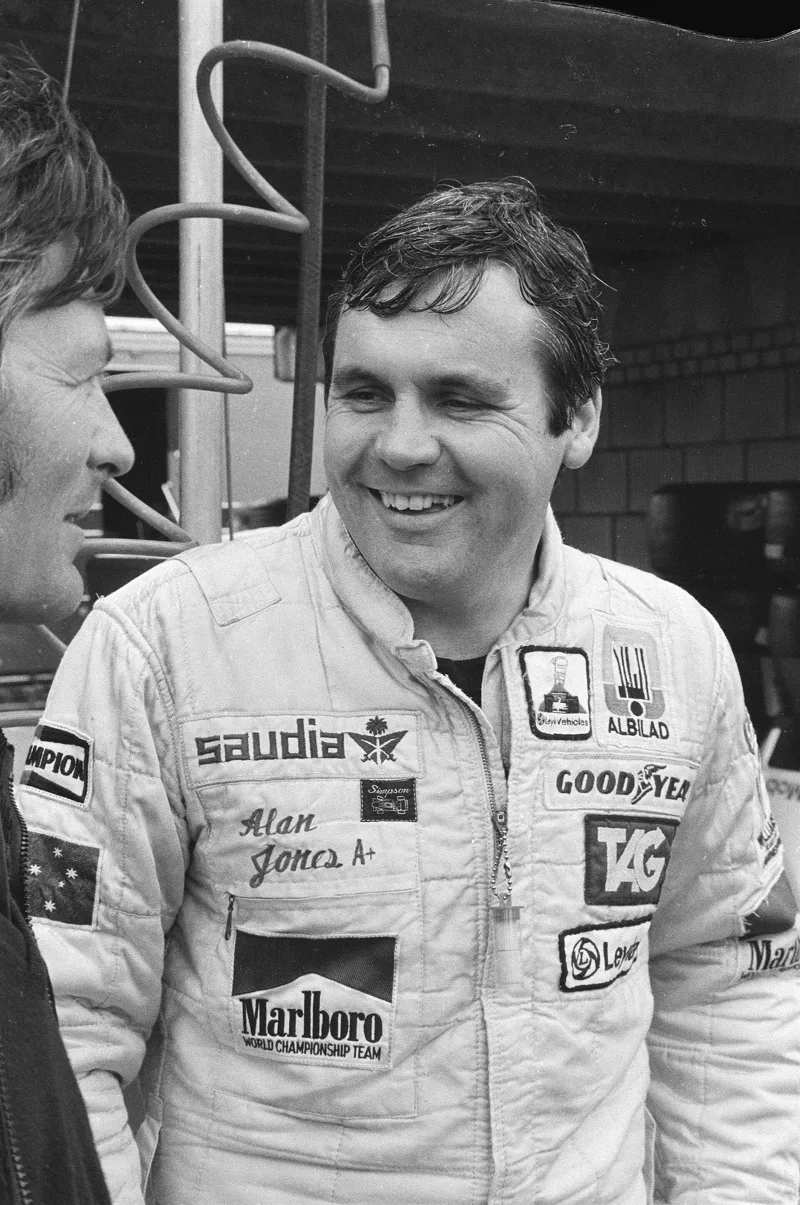
A Brabham Straight of about 900 metres, named for the three-time champion Jack Brabham, let the quickest cars pass 200 mph (322 km/h). Jones Straight, a 350-metre section between turns nine and ten, was named after the former world champion Alan Jones, the only Australian in the field. Jones was also given the honour of driving the first car out on the new circuit.
The reception was good enough for the promoters to be awarded the Formula One Promotional Trophy for 1985. Bernie Ecclestone told the media that the organisation and the circuit set a standard that other venues would have to match. The main complaint from drivers was a lack of grip on the new surface, which had been re-laid only months before the race and caused tyre graining in qualifying and the race.
The Brabham Straight ended in a bump where the old surface met the new one. Apart from that, the teams and their drivers were broadly positive about the event, which was the first championship race in Australia to be held on a street layout designed for the purpose.
A street circuit new to the championship, a heat-soaked race of attrition and a final win for Rosberg that handed McLaren its second straight title.
Who won the 1985 Australian Grand Prix?
Keke Rosberg won for Williams-Honda in 35 C (95 F) heat, his fifth and final Grand Prix win and the last fastest lap of his career. He was the only front-running driver to finish strongly, and only eight cars were classified at the end of a race of high attrition.
Rosberg had technical problems that could have cost him the race. His race engineer, Frank Dernie, suggested a strategy that minimised the time lost, and Rosberg gave the winner's trophy to Dernie afterwards.
Three of his four previous wins had come on street circuits, at Monaco in 1983, Dallas in 1984 and Detroit earlier in 1985. That record confirmed his reputation as a street race specialist.
On the penultimate lap Philippe Streiff tried to pass his Ligier team-mate Jacques Laffite for second, and his front-left axle was severely damaged in the move. He limped home in third on three firmly attached wheels, with the front-left wheel bouncing over the last lap. That third place was the best finish of Streiff's career and his only podium. Ligier boss Guy Ligier was unhappy with the incident and did not offer Streiff a drive for the following season.
How did qualifying set the grid?
Ayrton Senna took pole with 1:19.843 in his Lotus-Renault, seven-tenths of a second faster than Nigel Mansell's Williams. It was his seventh pole of the season. Keke Rosberg had led Senna on Friday by 0.001 seconds, with Mansell a further 0.161 seconds back.
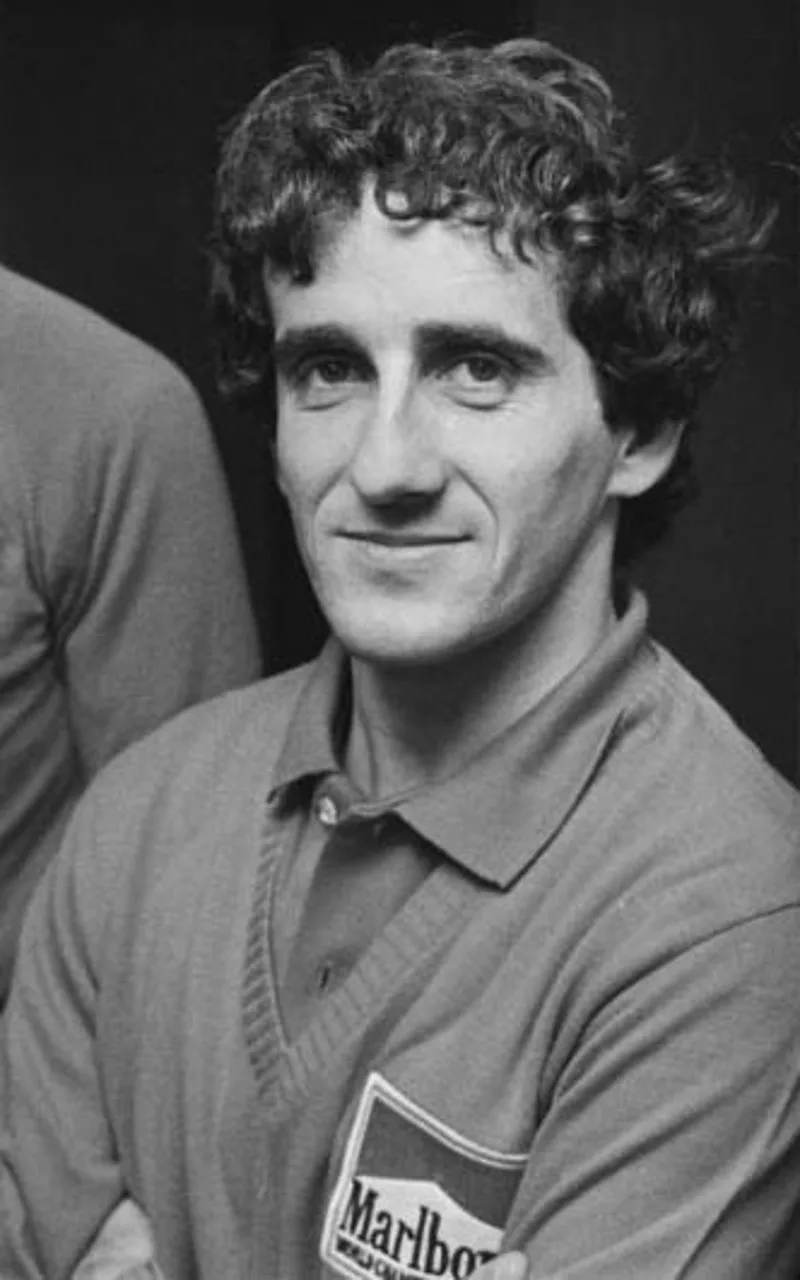
Senna's Renault qualifying engine was reported to produce a very large power output for the single lap, and he went out again in the final minutes but could not get anywhere near his best time. Alain Prost was fourth for McLaren, Michele Alboreto fifth for Ferrari and Marc Surer sixth in his Brabham-BMW.
Niki Lauda was 16th on the grid in his McLaren, and Alan Jones ended up 19th after engine and turbo problems through practice and qualifying. Patrick Tambay qualified eighth and Derek Warwick twelfth for Renault.
The slowest qualifier was Huub Rothengatter in the Osella-Alfa Romeo, 10.473 seconds slower than Senna at 1:30.319. With 25 cars entering, every car that attended qualified for the start, because the RAM and Zakspeed teams had not made the trip.
How did the race unfold?
The race was one of high attrition, run in the heat. Elio de Angelis was thrown out early for getting back into his original grid slot after a delay on the parade lap. He later said he had simply forgotten the rule in the heat of the moment.
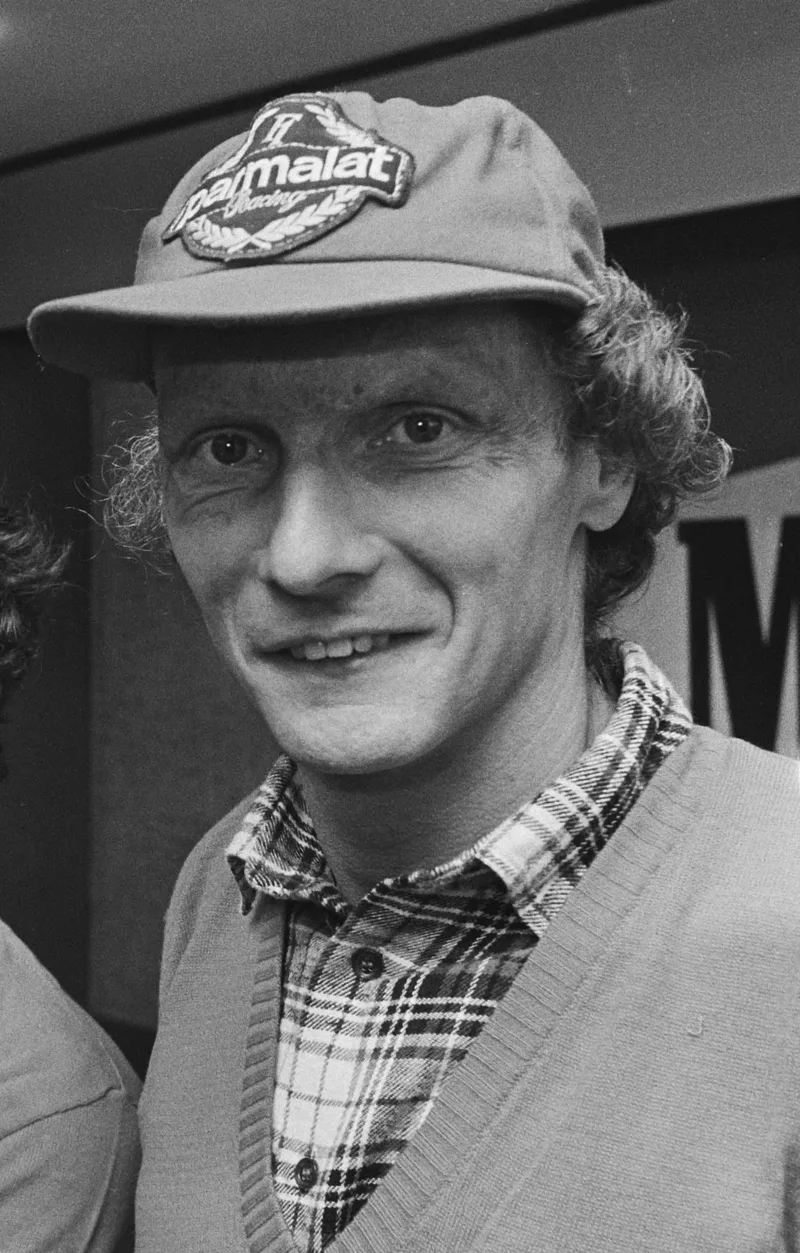
Niki Lauda's final race ended after a brake failure at the end of the Brabham Straight, which sent his McLaren into the fence with front-left damage. The race was also the last outing for the Alfa Romeo, Renault and Toleman teams as constructors in that era, and all six of their cars failed to finish.
| Finish | Driver | Team | Note |
|---|---|---|---|
| 1 | Keke Rosberg | Williams-Honda | Winner and fastest lap |
| 2 | Jacques Laffite | Ligier-Renault | Second, after the team-mate collision |
| 3 | Philippe Streiff | Ligier-Renault | Third with a damaged front axle, his only podium |
| 4 | Ivan Capelli | Tyrrell-Renault | A lap down |
| 5 | Stefan Johansson | Ferrari | Classified fifth |
| 6 | Gerhard Berger | Arrows-BMW | Had also raced a touring car the day before |
| 7 | Huub Rothengatter | Osella-Alfa Romeo | Four laps down |
| 8 | Pierluigi Martini | Minardi | Four laps down |
Berger had also driven a BMW in the Group A support race on the Saturday afternoon, which was a breach of Formula One's driver rules. He had to obtain permission from the governing bodies and his Arrows team boss, but his touring car race lasted only three laps before he was hit into the gravel.
Patrick Tambay had turned laps in a 700 hp sprint car on the Friday night, and Warwick did the same on the Saturday. Tambay's Renault retired on lap 21 with transmission failure, and Derek Warwick also retired with transmission failure, on lap 58. Warwick had been fined by the governing body after driving a sprint car at the Speedway Park meeting within the period before the race. The Renault team's last Grand Prix as a constructor came before its return in 2002.
Alan Jones retired on lap 21 with failed electrics, after a fiery drive through to sixth. The race was the 100th World Championship start for Jones. Alain Prost retired with an engine failure on lap 27.
What did the result mean for the championship?
McLaren-TAG Porsche went into the race on ninety points, against Ferrari on eighty, and the two teams were fighting for the constructors' title. Ferrari needed to win with McLaren scoring very few points, but no Ferrari won the race. McLaren-TAG clinched its second consecutive title.
Both Alfa Romeo and Renault had their last Grand Prix as a constructor at Adelaide. Toleman's Adelaide entry was the last Grand Prix for the team under its own name, and it continued in 1986 as Benetton, after the clothing company became its owner. Alfa Romeo did not return as a factory team for many years, and Renault came back in 2002 after buying the Benetton team.
Adelaide's industrial suburb of Wingfield also remembered the race. A group of connected streets there is named after the pole-sitter and the six points scorers: Senna, Rosberg, Laffite, Streiff, Capelli, Johansson and Berger Roads.